
In brief: For a successful vegetable garden, choose a sunny, sheltered spot. Improve the soil with compost or use high-quality potting mix in containers. Start with easy-to-grow crops such as radishes, lettuce or zucchini. Water regularly at the roots and fertilize as needed. Soon, you’ll be harvesting fresh vegetables.
Contents
- How do I find the perfect spot for my vegetables?
- Planning your vegetable garden: What should you grow?
- From seed to plant: How to sow seeds and grow seedlings
- How do I care for my vegetables for a plentiful harvest?
- Harvest time: When and how should I harvest my vegetables?
- Growing vegetables in small spaces: Tips for your balcony
The taste of a sun-ripened tomato picked fresh from your garden is hard to beat. Bringing fresh vegetables straight from your garden or balcony to your plate is easier than you might think. It’s a rewarding activity that gives you healthy food and a deeper connection with nature. Whether you have a large garden or just a small city balcony, growing your own vegetables is within reach. This guide shows you how to grow vegetables successfully with the right planning and care. Explore the variety in Garden + Outdoor and get started.
How do I find the perfect spot for my vegetables?
Choosing the right location is the foundation for healthy plants and a plentiful harvest. Vegetables need plenty of light and warmth. Before you start preparing your beds, observe how the sun moves across your garden or balcony.
Sun, sun and more sun
Most vegetables, especially fruiting crops such as tomatoes, peppers, zucchini and cucumbers, love the sun. They need at least six to eight hours of direct sunlight a day. A south- or southwest-facing spot is ideal. Crops that need less sun, such as lettuce or spinach, can manage with a little less light, but they also thrive in sunny spots.
Protection from wind and weather
Strong winds can dry out young plants, break them or make it harder for insects to pollinate them. A sheltered spot, such as beside a house wall, hedge or fence, is a good choice. Avoid low-lying areas where cold air collects, as late spring frosts are more likely there.
Light is the engine that drives plant growth. Six to eight hours of direct sunlight is the minimum most fruiting crops, such as tomatoes and peppers, need for a successful harvest.
Planning your vegetable garden: What should you grow?
Good planning saves you a lot of work and disappointment later. Think about which vegetables you enjoy eating and how much space you have. A plan helps you keep track of everything and make the most of your space.
Vegetables for beginners
If you’re new to growing vegetables, start with easy-care varieties. They’ll give you quick wins and help you stay motivated. Good choices include:
- Radishes: They grow quickly and can be harvested in just a few weeks.
- Leaf lettuce: It keeps producing fresh leaves over a long period.
- Zucchini: Highly productive; one plant is often enough to feed an entire family.
- Bush beans: They don’t need a trellis and are easy to harvest.
- Swiss chard: Hardy and decorative, it can be used like spinach or served as a stem vegetable.
Consider companion plants and crop rotation
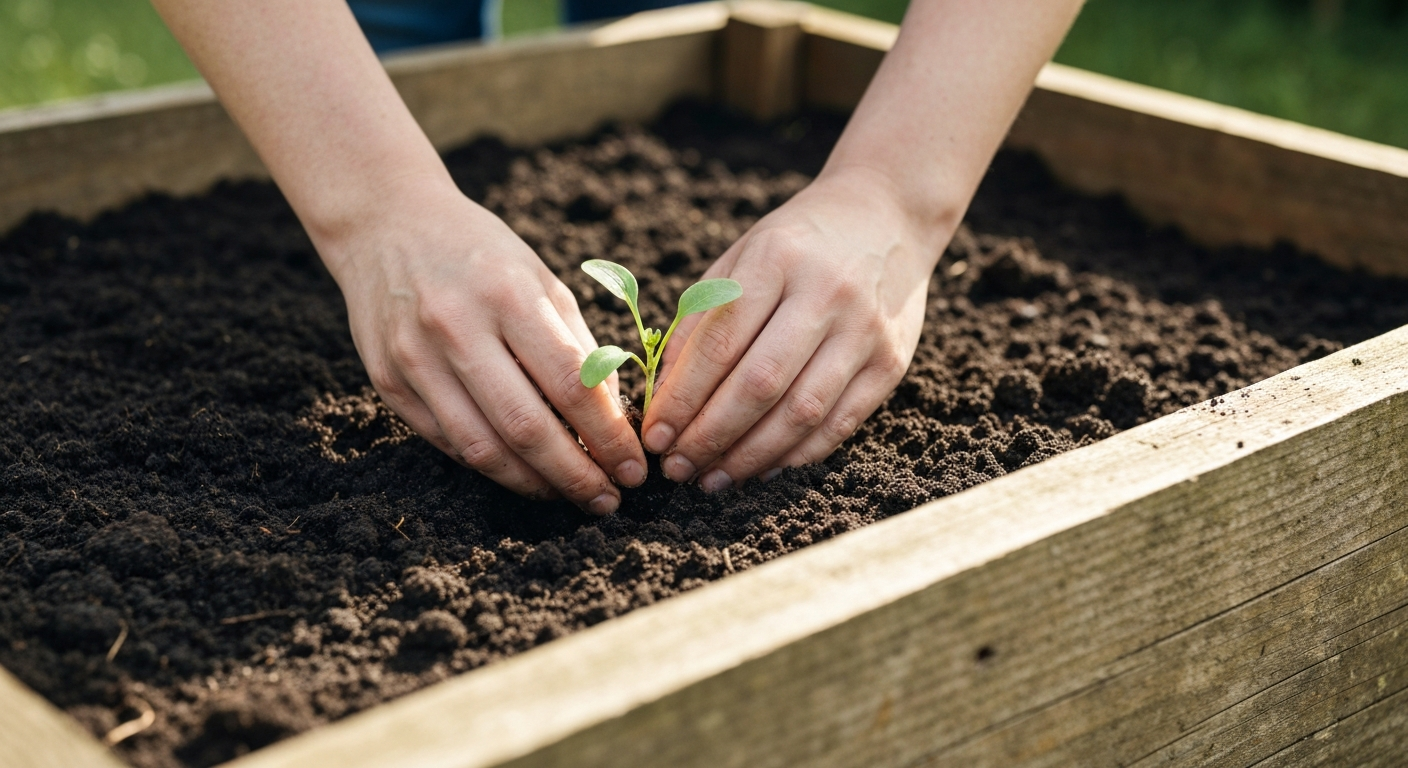
Plants affect one another. Good neighbors, known as companion plants, encourage growth and help keep pests away. A classic combination is carrots and onions. The smell of onions repels carrot flies, and vice versa. Don’t plant the same vegetables, or plants from the same family (e.g. tomatoes and potatoes), in the same spot year after year. Rotating crops helps prevent depleted soil and disease.
Additional advice
Create a simple planting calendar. Note when to sow and plant each variety and when to expect a harvest. This helps you fill gaps in your garden bed and extend the harvest throughout the season. That way, you’ll have fresh vegetables to pick from spring through fall.
From seed to plant: How to sow seeds and grow seedlings
Whether you buy young plants or grow vegetables from seed is a personal choice. Starting from seed costs less, gives you more varieties to choose from and lets you experience the plant’s entire life cycle.
Starting seeds on a windowsill
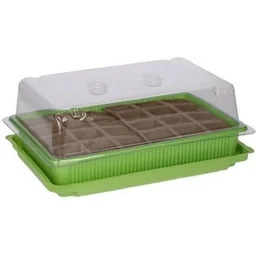
Warm-season vegetables such as tomatoes, peppers and eggplants have a long growing season in our climate. So they need to be started indoors in late winter or early spring. Use seed-starting mix and suitable containers. A seedling and seed starter tray with a lid creates an ideal microclimate and encourages germination. Place the seed pots in a bright, warm spot, such as a windowsill. Keep the soil evenly moist but not soggy. Before planting the seedlings outside after the last frost (mid-May), gradually acclimate them to outdoor conditions.
Direct sowing in the garden bed
Hardy, fast-germinating varieties can be sown directly in a prepared bed as soon as the soil has warmed enough. These include radishes, carrots, beans, peas and many types of lettuce. Follow the sowing depth and spacing listed on the seed packet. You’ll find a huge selection of seeds in our Vegetables category. Use small signs to mark the rows and keep track of everything.
Pro tip
Test older seeds for germination before sowing. Place ten seeds on a damp paper towel, fold it over and put it in a clear freezer bag. Keep the bag in a warm place; the seeds should germinate after a few days. If seven out of ten seeds sprout, the germination rate is good.
How do I care for my vegetables for a bountiful harvest?
Once your vegetables are planted, it's time to start caring for them. Regular attention helps your plants stay healthy and produce plenty of vegetables. The most important tasks are watering, feeding, and keeping weeds under control.
Watering and feeding correctly
It's best to water in the morning and apply the water directly to the root area rather than over the leaves. This helps prevent fungal diseases. The soil should be thoroughly moistened, but waterlogged soil must be avoided. Feeding needs depend on the type of plant. We distinguish between heavy feeders (e.g. tomatoes, pumpkins, and cabbages), medium feeders (e.g. carrots and onions), and light feeders (e.g. beans and herbs). A good basic supply of well-rotted compost in spring is ideal for all plants. Heavy feeders need additional nutrients during the growing season, for example, in the form of an organic liquid fertilizer.
Weeding and mulching
Keep your beds free of weeds, as they compete with your vegetables for water, nutrients, and light. Regular hoeing also loosens the soil and improves water absorption. A layer of mulch made from grass clippings, straw, or leaves retains moisture in the soil, suppresses weeds, and promotes soil life. For these jobs, you need the right garden tools.
Important note
Check your plants regularly for pests such as aphids or slugs. If you find an infestation, you don't need to reach for chemical pesticides right away. Beneficial insects such as ladybugs or simple home remedies such as a strong spray of water can often help control aphids. It's best to pick slugs by hand in the evening or early morning.
Harvest time: when and how should I harvest my vegetables?
Harvesting is the most rewarding moment for any gardener. Harvesting at the right time is crucial for the flavor and shelf life of your vegetables. It's best to harvest in the morning, while the plants are still fresh and crisp.
Recognizing the right time
Each type of vegetable has its own signs of ripeness. Tomatoes should be fully colored and give slightly when gently pressed. Zucchini are best harvested when young, at around 15-20 cm long. They're especially tender at this stage, and harvesting encourages the plant to produce new fruit. With lettuce, you can either harvest the whole head or regularly pick the outer leaves. This allows the center to keep growing and provide a fresh supply.
Harvesting what you have sown yourself gives you a whole new appreciation for food and the rhythms of nature.
Harvesting and processing with care
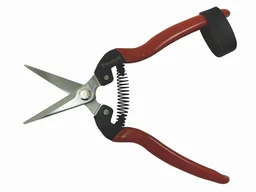
Use a sharp tool for harvesting so that you don't damage the plants. The "Wunderschere" - the all-purpose cutter for home & garden is perfect for cleanly cutting zucchini, herbs, or beans. Process your harvest as soon as possible while it's fresh. Anything you don't use right away can often be stored, frozen, or preserved.
Growing vegetables in small spaces: balcony gardening tips
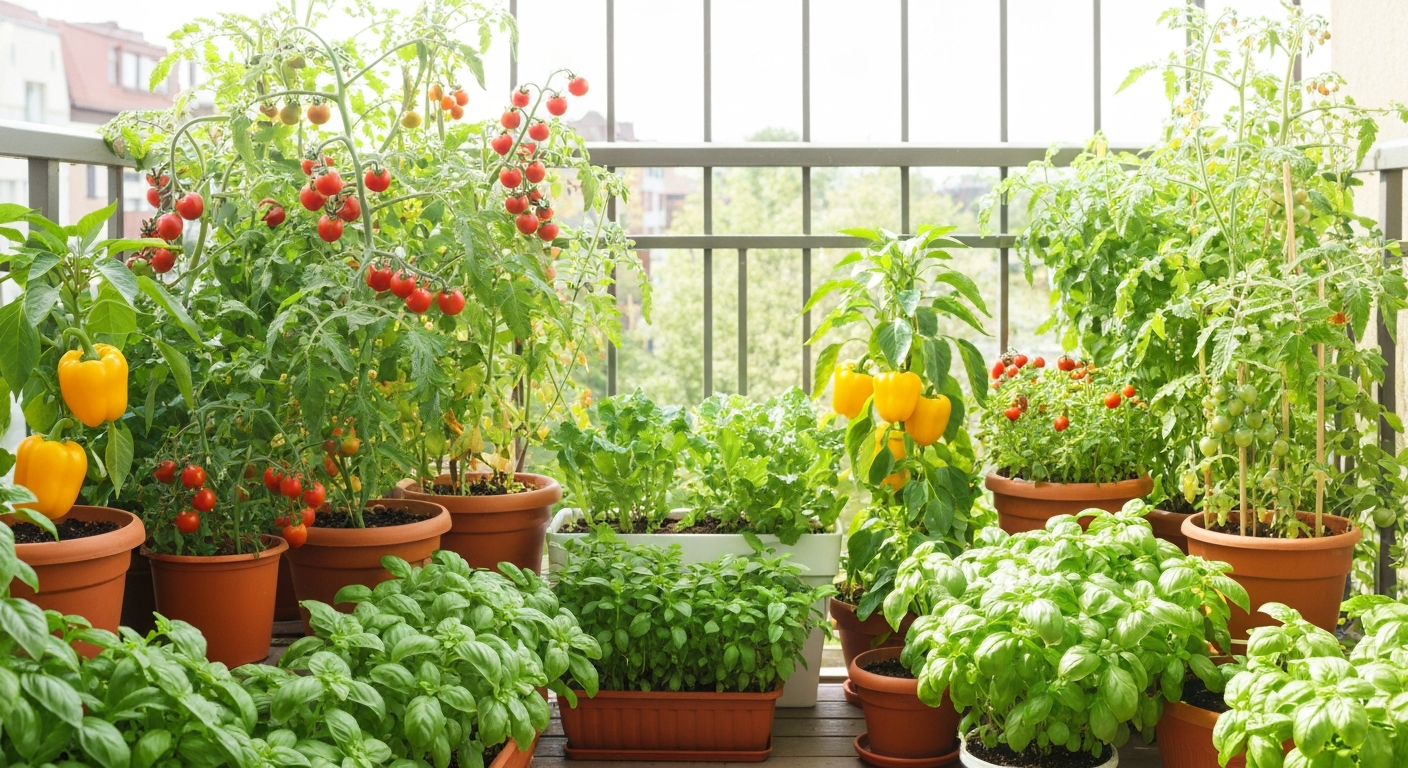
No garden? No problem! You can grow an impressive variety of vegetables on a balcony or patio, too. With the right containers and varieties, your balcony can become a green oasis.
Choosing the right containers
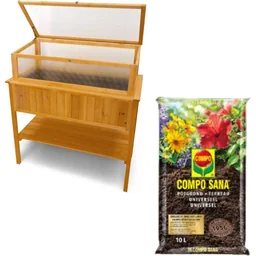
Choose pots, tubs, or window boxes that are large enough. The larger the container, the more soil and water it can hold, making plant care easier. Drainage holes in the bottom are essential so excess water can drain away and the soil doesn't become waterlogged. For an ergonomic working height and ideal growing conditions, use a Garden wooden greenhouse / vegetable garden table on legs. These raised beds for balconies are ideal for lettuce, herbs, and radishes.
Think vertically
Make use of the space above you. Trellises attached to the wall let you grow climbing beans or cucumbers for snacking. Trailing tomatoes and strawberries thrive in hanging baskets. Vertical planting pockets or shelves provide space for plenty of herbs and lettuce in a small area. Find the right garden and plant accessories for your ideas.
Special considerations for balcony gardening
Plants in containers dry out faster than those in garden beds and therefore need to be watered more often. The nutrients in the limited amount of soil are also used up more quickly, so regular feeding is important. Also pay attention to your balcony's weight capacity, especially when using several large, heavy containers.
Growing your own vegetables is an adventure that's well worth it. Every small step, from the seed germinating to harvesting the first vegetable, is a little miracle. Start small, experiment, and enjoy your own fresh harvest. You'll see: homegrown vegetables simply taste best.
Frequently asked questions
- Which vegetables are best for beginners?
- Easy-to-grow, fast-growing vegetables are ideal for getting started. These include radishes, leaf lettuce, zucchini, bush beans and Swiss chard. Herbs such as chives and parsley are also very easy to grow and provide a quick harvest. These varieties are forgiving of minor mistakes and give you a successful start.
- How often do I need to water my vegetables?
- Water requirements depend on the type of vegetable, the weather and the location. As a general rule, water thoroughly but less frequently. The surface of the soil should dry out between waterings. Check the soil with your finger. If it is still moist a few centimeters below the surface, wait before watering.
- Do I need special fertilizer for my vegetables?
- That depends on the quality of the soil and the plants. Adding compost in spring provides an ideal basic supply of nutrients. Heavy feeders such as tomatoes and pumpkins need additional nutrients during the growing season. Organic vegetable fertilizer is suitable for this. Light feeders such as radishes and herbs usually grow well without additional fertilizer.
- Can I grow vegetables in the shade?
- Most fruiting vegetables, such as tomatoes and peppers, need plenty of sunlight. However, some varieties can cope with partial shade. These include many leafy vegetables, such as spinach, mâche and leaf lettuce. Some root vegetables, such as radishes, and herbs such as mint and wild garlic also thrive with less light.
- What is the difference between garden soil and potting mix for vegetables?
- Garden soil is the natural soil in your garden. For growing vegetables in containers or raised beds, it is often too heavy and becomes compacted. Special vegetable potting mix is lighter, retains its structure better and holds water more effectively. It is also tailored to the nutrient requirements of vegetables and is usually peat-free.