
In brief: Sow pepper seeds from February/March in seed trays on a windowsill. The seeds need constant warmth of 25°C and light to germinate. After pricking out, gradually acclimatise the young plants to outdoor temperatures. From mid-May, plant them in the garden or in large containers.
Why grow peppers from seed? The crucial head start
Peppers originate from warm regions. Their natural growing season is long. In our climate, summer alone is often not long enough for the plants to grow from sowing to fully developed fruit.
Starting the plants indoors gives them several valuable extra weeks. They begin the outdoor season as strong young plants. The result is an earlier and more abundant harvest.
The process is simple. You need seeds, seed trays or pots, growing medium and a warm, bright spot. In the seed shop, you will find a wide selection of varieties.
Choosing the right variety: flavour and growth habit
Not every pepper variety is equally suitable for growing in the garden or on a balcony. Pay attention to the stated height and ripening time.
Compact-growing varieties are ideal for containers. Outdoor plants need more space and often a support. The variety you choose determines the flavour, colour and uses of the fruit.
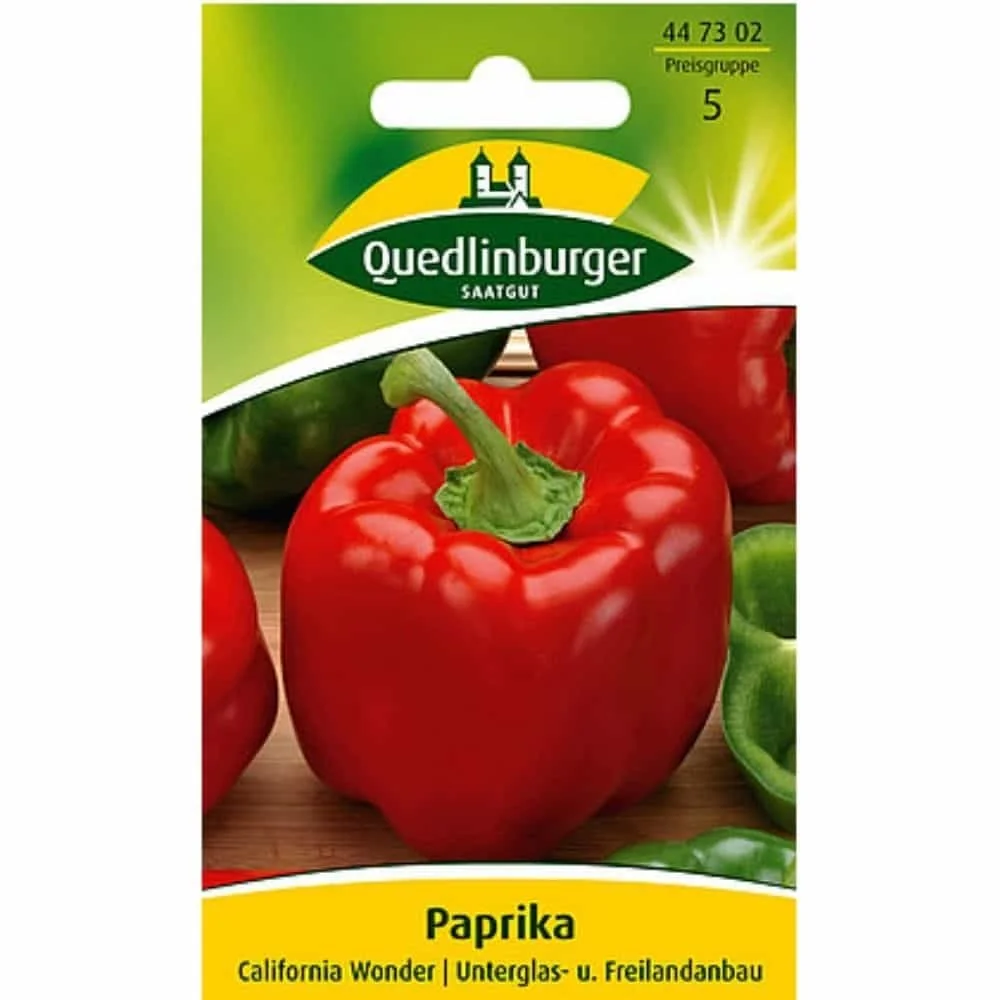
The robust and high-yielding block pepper is an excellent choice for beginners. The classic variety reliably produces fleshy, sweet fruit.

The 'Mavras F1' variety shows excellent resistance to common pepper diseases. Its dark foliage is not only decorative but also a sign of strong vitality.
How and when should I sow pepper seeds?
The ideal time for sowing is between mid-February and the end of March. Later sowings shorten the harvest period.
Fill seed trays with low-nutrient seed compost. Press the seeds about half a centimetre deep into the compost. Cover them lightly with growing medium.
Spray the compost with warm water until it is evenly moist. Cover the tray with a transparent lid or film. This creates a warm, humid microclimate.
Expert tip
Before sowing, soak larger or older seeds in lukewarm chamomile tea for 12 hours. This softens the seed coat, speeds up germination and has a mild disinfecting effect.
The perfect place for germination: warmth and light
Place the seed trays somewhere very warm. Directly above a radiator or on a heated propagator mat are ideal locations.
The soil temperature should remain consistently between 22 and 28 degrees Celsius. Cold temperatures significantly delay germination or may prevent it altogether.
Seeds do not necessarily need light to germinate. However, as soon as the first seed leaves appear, a bright spot without direct midday sun is essential. A south-facing window is ideal.
Caring for seedlings: From seed to young plant
The first seedlings appear after one to two weeks. Remove the cover now to prevent mould from forming.
Continue to keep the compost evenly moist, but not wet. It is best to water from below or very carefully with a spray bottle.
Avoid draughts. Cold air currents can damage the delicate plants immediately. Turn the tray regularly so that the seedlings grow straight.
Important note
Never use ordinary garden soil or nutrient-rich potting compost for growing seedlings. It is too heavy, often contains weed seeds and can cause root rot. Always use special, sterile seed compost.
Pricking out: More space for strong roots
Once the first or second pair of true pepper leaves has developed after the seed leaves, it is time to prick out the seedlings. This separates the plants and gives them room to grow.
Carefully lift the seedlings out of the soil with a dibber or the handle of a spoon. Hold them by the leaves, not by the delicate stem.
Plant each seedling in its own small pot filled with slightly more nutrient-rich vegetable compost. Press the soil down gently and water the plants.
You will find everything you need for this job and continued care in the garden and plant care supplies category.
Hardening off: Getting used to the great outdoors
Pepper plants grown indoors are not used to wind, sunlight or night-time temperatures below 15 degrees. Planting them out immediately would come as a shock.
Begin hardening off about two weeks before the planned planting-out date. On warm, still days, place the plants outdoors for a few hours in a sheltered spot.
Increase the time outdoors each day. Make sure the plants are not exposed to strong midday sun and bring them back indoors at night.
The most common mistake is changing conditions too abruptly. A plant that has not been hardened off can suffer a growth check of up to three weeks. That costs valuable time during the short growing season.
The final location: Garden bed, container or greenhouse
Planting outdoors
Do not plant peppers outdoors until after the Ice Saints in mid-May at the earliest. The soil should already have warmed up.
Choose the sunniest and warmest spot in your garden. A south-facing wall or sheltered area is ideal. The soil should be deep, loose and rich in humus.
Plant the peppers 50 centimetres apart. Before planting, mix compost or an organic slow-release fertiliser into the planting hole. Water thoroughly after planting.
Growing in containers
For growing peppers on a balcony or patio, choose large containers with a capacity of at least 20 litres. Drainage holes are essential.
Add a drainage layer of expanded clay. Use high-quality vegetable compost. A plant support will help keep the plants upright.
Place the container in a sheltered spot in full sun. Container-grown peppers need particular attention when watering and feeding. In the garden watering section, you will find suitable systems.
Additional advice
Mulch the soil around the pepper plants with straw or grass clippings. This retains moisture, suppresses weeds and protects the shallow roots from overheating. The soil stays warm and moist for longer.
Care during the main growing season: watering, fertilising and pruning
Peppers are heavy feeders. They need plenty of nutrients to produce fruit. Fertilise every two weeks with a liquid vegetable fertiliser, or use an organic slow-release fertiliser when planting.
Water regularly and thoroughly. The root ball should never dry out completely. However, avoid waterlogging. Water at soil level to keep the leaves dry and prevent fungal diseases.
Remove the first flower, known as the crown flower, at the first fork. This encourages bushier growth and ultimately a higher yield. Later, you can remove weak side shoots.
Our fertilisers category offers organic and mineral nutrient sources.
Harvesting and storage: the reward for your hard work
Depending on the variety and weather, the harvest season begins in July and can last into October. Harvest the first fruits while they are still green to encourage the plant to continue producing new fruit.
Allow fruits that ripen later to develop their full colour on the plant. They will then develop their full flavour and highest vitamin C content. Always cut peppers off with a sharp knife or pair of scissors to avoid damaging the shoots.
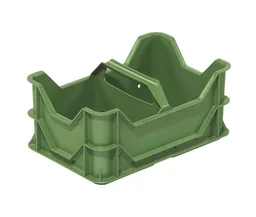
Freshly harvested peppers are best stored unwashed at around 10 degrees Celsius. A cool cellar or the vegetable drawer of the fridge are suitable. Use practical harvesting aids such as the .
Common problems and how to solve them
Aphids like to infest young shoots. Rinse them off with a strong jet of water or introduce natural predators.
Grey mould can develop in excessively wet and cold conditions. Remove affected parts of the plant immediately and improve ventilation.
Flower drop is often a sign of drought stress, nutrient deficiency or insufficient pollination. Ensure consistent moisture, fertilise regularly and gently shake the plants in still weather.
With the right preparation and care, nothing stands in the way of a plentiful pepper harvest. Browse our garden and outdoor range for everything else you need.
Frequently asked questions
- When should you sow peppers?
- Start sowing indoors between mid-February and the end of March. Peppers have a long growing period and need this head start to produce fruit in summer. Later sowings often result in lower yields.
- What temperature do pepper seeds need to germinate?
- Pepper seeds germinate best at a constant 22 to 28 degrees Celsius. A warm, bright spot, such as above a radiator, is ideal. Use a propagator heat mat for seed trays to stabilise the temperature and speed up germination.
- How deep should you plant out peppers?
- Do not plant young peppers any deeper than they were in their seed tray or pot. Unlike tomatoes, peppers do not develop additional roots along the stem. Planting too deeply can encourage rot. Loosen the soil thoroughly before planting.
- How often do peppers need watering?
- Water peppers regularly and thoroughly, but avoid waterlogging. The soil should remain evenly moist. Daily watering is necessary during dry periods. Always water at soil level to keep the leaves dry.
- Why do pepper plants drop their flowers?
- Flower drop can be caused by temperatures that are too low, drought stress, nutrient deficiency or a lack of pollination. Provide warm, sheltered locations, water regularly and gently shake the plants in still weather to encourage pollination.
You might also be interested in
- Pepper plant care: from seed to a sweet harvest
- Growing peppers successfully: step by step to your own harvest
- Starting tomato seeds correctly: the complete guide
- Sowing tomatoes: from seed to plant in a raised bed
- Nightshade plants: the guide to tomatoes, peppers and more
- Companion planting with peppers: good and bad plant neighbours