
In brief: Radishes grow quickly, need little space and, depending on the variety, produce a harvest just three to six weeks after sowing. Sow from March to September in loose, humus-rich soil, keep the bed evenly moist and harvest the radishes as soon as they are about two to four centimetres in size.
Short answer: Radishes grow quickly, need little space and, depending on the variety, produce a harvest just three to six weeks after sowing. Sow from March to September in loose, humus-rich soil, keep the bed evenly moist and harvest the radishes as soon as they are about two to four centimetres in size.
Radishes are one of the most reliable crops in the home garden. The round roots need little space, germinate quickly and can be grown in small beds, raised beds or balcony planters. Just a few weeks after sowing, the first crisp radishes will be ready for your table.
For a long harvest, one sowing is not enough. By sowing several short rows at intervals of two to three weeks, you can harvest fresh radishes continuously. Loose soil, consistent moisture and the right harvesting time are key.
Radishes are among the fastest-growing vegetables and are particularly well suited to several sowings throughout the year.
Why is it worth growing radishes?
Radishes are a truly fast-growing vegetable. Many varieties produce harvest-ready roots just three to six weeks after sowing. This quickly shows you whether the location, soil and water supply are suitable.
This crop is also suitable for small areas. A single row along the edge of the bed is enough for regular harvests. Radishes fill gaps between slow-growing crops such as carrots or parsnips and make use of the time before the main crop needs the space.
What are the benefits of radishes in the vegetable garden?
- Short growing period: Depending on the variety and weather, you can harvest after just a few weeks.
- Little space required: Radishes grow in rows spaced just 15 to 20 centimetres apart.
- Easy to sow: Sow them directly in the bed; there is no need to start them on a windowsill.
- Versatile to use: The roots taste delicious raw, on bread, in salads or lightly cooked.
- Several harvests: After each harvest, you can sow a new row.
Children also enjoy watching them develop because the first seed leaves appear quickly and the roots soon emerge from the soil. Radishes are therefore particularly suitable for beginners starting their own vegetable garden.
When is the best time to sow radishes?
Radish sowing outdoors starts in March. The soil should no longer be frozen or permanently wet. Radish seeds germinate in cool temperatures, but cold soil extends the germination period.
Radishes usually grow most evenly in spring and autumn. Temperatures remain moderate, and the soil does not dry out as quickly. In summer, it is best to sow in partial shade or choose varieties that tolerate heat better.
Which sowing times are suitable?
- March to April: Start as soon as the soil can be worked. A fleece cover protects young seedlings during late cold spells.
- May to June: Sow again at short intervals and pay particular attention to a consistent water supply.
- July to August: Choose a location with morning or evening sun. Midday heat can quickly cause the plants to bolt.
- September: In mild regions, a final sowing is possible. Cooler temperatures extend the growing period.
Do not sow the entire packet at once. A new row every two to three weeks spreads out the harvest and prevents all the roots from becoming overmature at the same time. Before each successive sowing, check whether the previous row still needs space.
Expert tip
For a continuous harvest, sow only one short row at a time. Mark the date directly beside the bed. This makes it easier to see which row will be ready first and when the next sowing is due.
Varieties with different maturation times extend the harvest window even further. Early varieties are suitable for the first sowing in spring, while later varieties often cope better with changeable weather.
How do you prepare the bed for radishes?
Radishes need a sunny to partially shaded spot with at least a few hours of light per day. They grow quickly in full sun as long as the soil remains sufficiently moist. In intense summer heat, light partial shade protects them from drought stress.
Loosen the soil to a depth of about 20 centimetres. Remove stones, hard clumps and root remnants. The roots will only develop evenly if they can grow through the soil without resistance.
What type of soil do radishes need?
Ideally, the soil should be rich in humus, crumbly and well drained. Work mature compost into poor soil. Fresh manure or highly nitrogenous fertiliser mainly encourages leaf growth and can result in misshapen, softer roots.
Radishes do not tolerate waterlogging well. In heavy clay soils, improve the structure with mature compost and coarse sand. Raise the bed slightly if water collects after rainfall.
Also follow a sensible crop rotation. Do not sow radishes in the same place every year, and avoid beds where cabbage, broccoli or other brassicas were grown immediately beforehand. This reduces the risk of typical soil-borne diseases.
A clean bed edge makes maintenance easier.
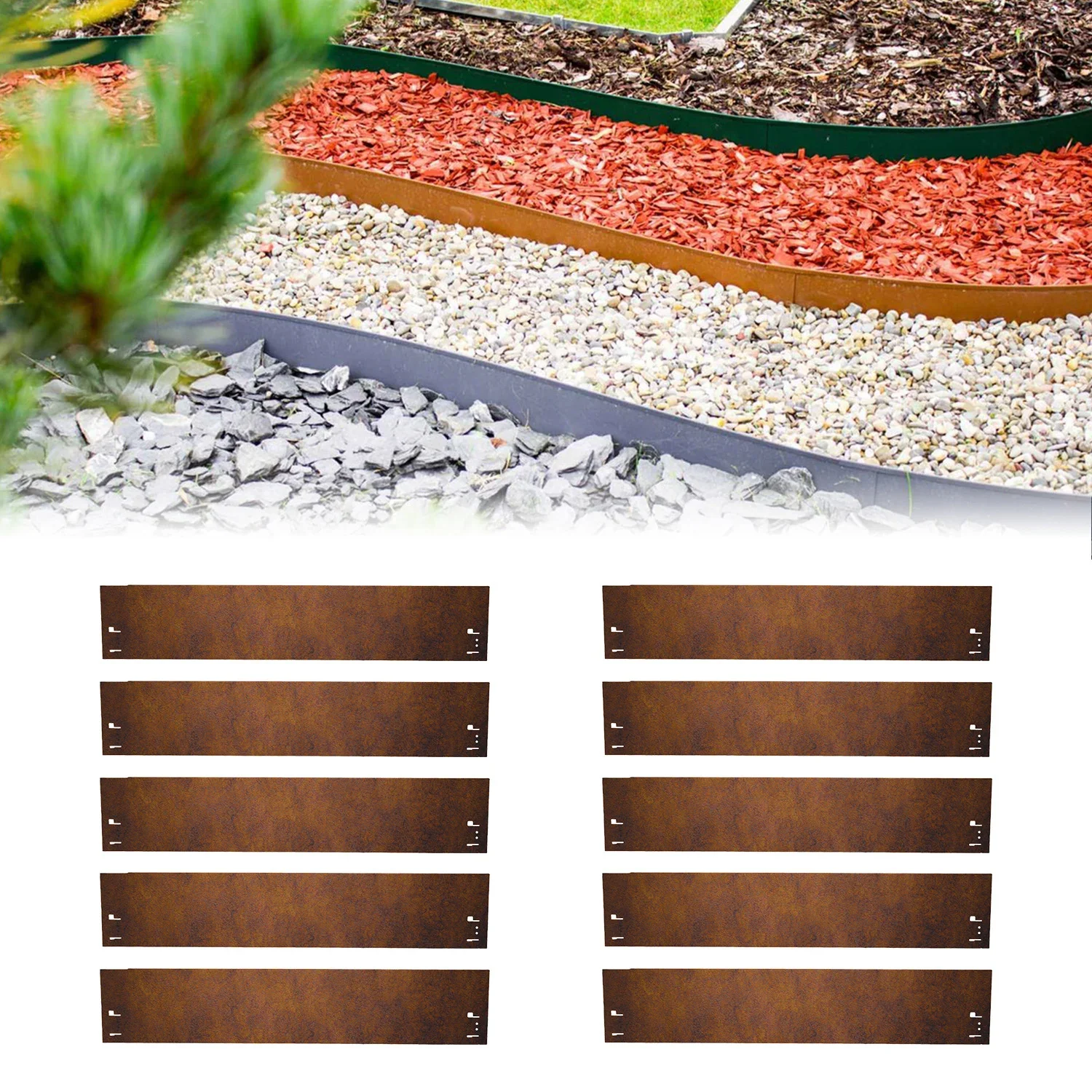
You can find suitable seeds and more varieties in the Seeds + seed packets section. There, you can plan your sowing by colour, shape and maturation time.
Important note
Do not use fresh manure for radishes and fertilise sparingly. Too much nitrogen causes excessive leaf growth, while the roots may remain soft, misshapen or less flavoursome.
How do you sow radishes correctly?
Radishes are sown directly in their final position. Use a board or your finger to make a furrow about one centimetre deep. Place the seeds individually and cover them loosely with fine soil.
What spacing is best?
Leave three to five centimetres between the seeds. Allow 15 to 20 centimetres between the rows. If you sow too densely, the plants compete for water and light. The bulbs then remain small, and the leaves dry more slowly after watering.
- Loosen and level the bed.
- Make shallow seed furrows about one centimetre deep.
- Space the seeds three to five centimetres apart.
- Cover the seeds with fine soil.
- Water carefully using a fine rose.
- Mark the row with the variety and sowing date.
The first seedlings often appear after five to eight days in suitable conditions. Check the rows daily once germination begins. You can resow any gaps during the first few days without significantly delaying the harvest.
Which varieties suit your bed?
Red, round varieties produce the classic radish shape. Long varieties often grow slightly deeper and need particularly loose soil. Two-coloured varieties add variety to salads and are equally suitable for staggered sowing.
For a classic red harvest,
is a good choice. If you want to combine different varieties, helps you plan further sowing dates. When choosing, pay attention to the stated time to maturity and the recommended sowing period.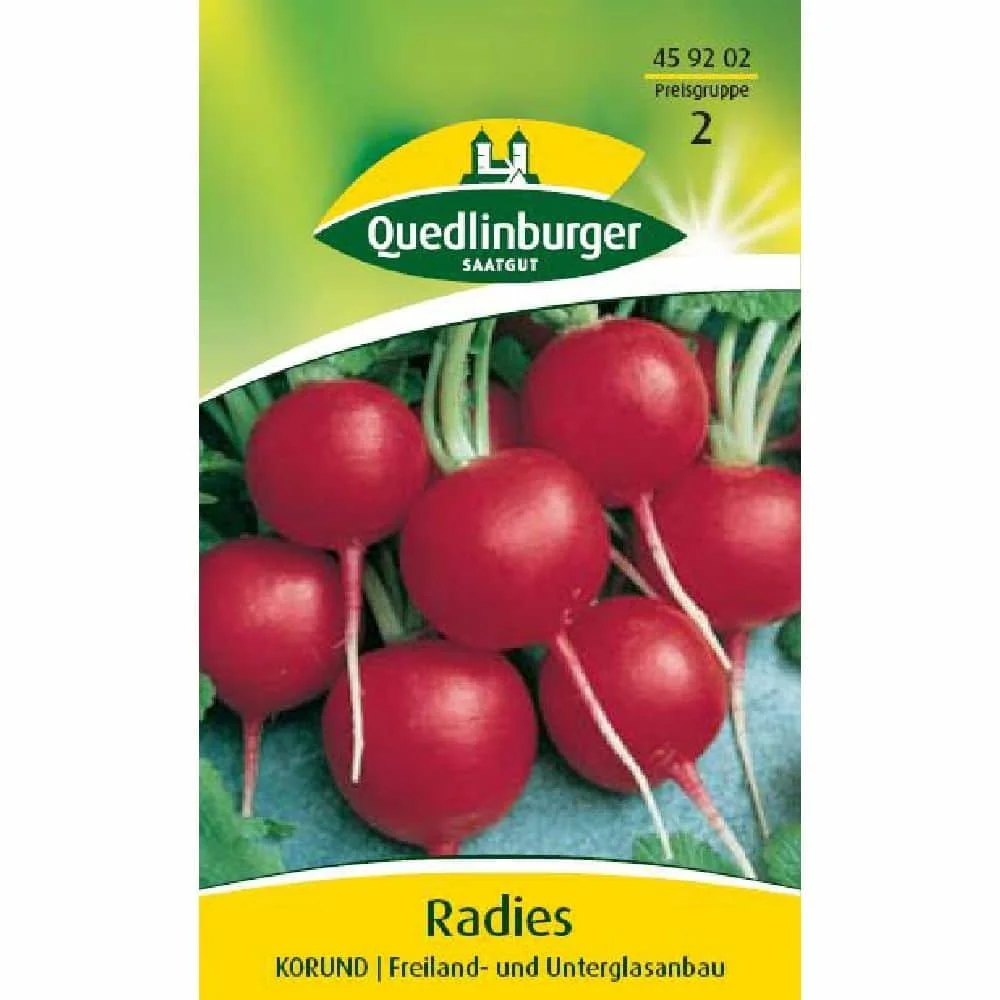
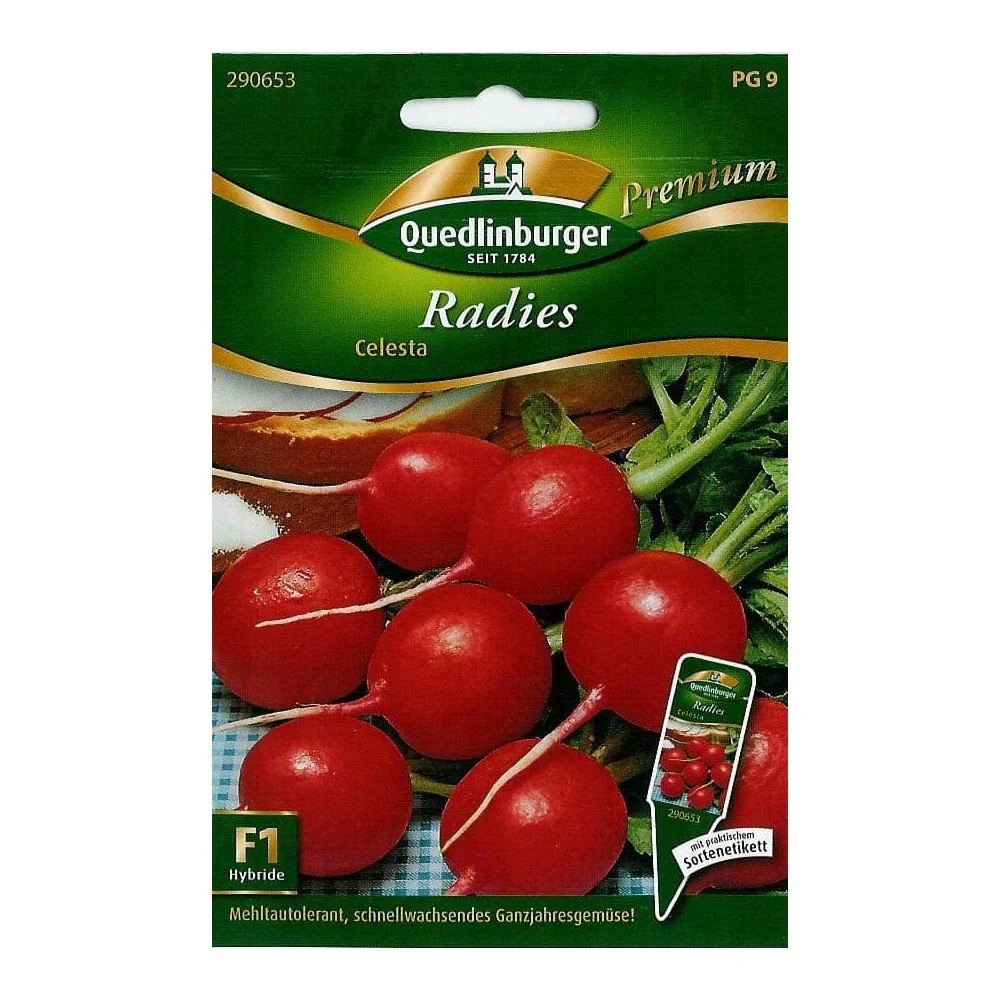
Even moisture and loose soil are the basis for tender, evenly shaped radishes.
Do not press the seed furrow firmly closed after sowing. A loose covering allows air and water to reach the seeds. After heavy rain, check whether the soil has become compacted and gently loosen the surface.
How do you care for radishes until harvest?
When caring for radishes, a consistent water supply is the most important factor. Water thoroughly as soon as the top layer of soil becomes dry. Small amounts of water every day encourage shallow roots and increase the risk of the bulbs splitting when moisture levels fluctuate.
Water directly onto the soil in the morning whenever possible. The foliage can then dry out during the day. Avoid strong jets of water, which can flatten young plants or wash soil out of the rows.
When should you thin radishes?
If the seedlings are too close together, remove excess plants early. Carefully grip the weaker seedlings at the base and pull them out. Do not wait until the leaves touch, as thinning can then easily disturb the roots of the remaining plants.
Weeds compete with radishes for water and light. Hoe the surface regularly and shallowly. You can work carefully between the rows; directly beside the plants, hand-weeding is sufficient.
How do you protect the plants?
Flea beetles leave small holes in the foliage and are particularly common in dry weather. Keep the bed evenly moist and cover the rows with a fine-mesh crop protection net if there is a severe infestation. Check the plants regularly so that damage is noticed early.
Radishes bolt more quickly in warm weather. The plant then produces a long flowering stem, and the bulbs often become hard or woody. During hot periods, harvest more frequently and sow new rows in a slightly more sheltered spot.
Additional tip
You can use the leaves too. Young, fresh radish leaves have a mild flavour and are ideal for salads, herbed quark or green smoothies. Remove only damaged leaves and use the greens as soon as possible on the day of harvest.
Additional fertilisation is usually not necessary for a short growing period if you have prepared the bed with mature compost. Yellow leaves, weak growth or very small bulbs are more likely to indicate unfavourable soil conditions or a lack of water than insufficient fertiliser.
For more crops in the bed, the vegetable range offers suitable additions. Radishes combine well with lettuce, carrots, onions and herbs.
When can you harvest radishes?
When harvesting radishes, firmness matters more than size. Check the bulb as soon as the top begins to emerge from the soil. Most varieties taste best when they have reached a diameter of about two to four centimetres.
Carefully pull individual radishes from the soil by the base of the leaves. If the soil is dry, loosen it with your fingers first. Harvest in the morning whenever possible, while the plants are still well hydrated.
How can you tell when radishes are ready to harvest?
- The bulb feels firm.
- The top of the bulb is visible and has reached the stated size for the variety.
- The skin looks smooth and brightly coloured.
- The leaves are still firm and show no significant yellowing.
- When cut open, the inside is juicy and crisp.
It is better to harvest slightly early than too late. Radishes left in the ground too long become fibrous, pithy or hotter. Their quality can change within a few days, especially in warm weather.
How do you store radishes after harvesting?
Remove the leaves immediately after harvesting, as they draw water from the bulbs. Wash radishes just before eating them. Wrap the bulbs in a slightly damp cloth or place them in a sealable container in the vegetable drawer of the refrigerator.
This usually keeps them crisp for several days. Very fresh radishes can also be placed in cold water if they have become slightly soft after harvesting. Allow them to drain well afterwards.
A
makes it easier to collect the harvest directly at the bed. The harvesting basket keeps bulbs and foliage together while you check the next row. After harvesting, empty the basket and use the radishes as fresh as possible.
Plan the next sowing immediately after harvesting each row. With little space, regular watering and the right harvest time, the bed will provide crisp vegetables for many weeks. Additional garden and plant accessories support you with care, sowing and harvesting.
Frequently Asked Questions
- When should I sow radishes?
- You can sow radishes outdoors from March onwards, as soon as the soil is workable. For a continuous harvest, sow more every two to three weeks until the end of August, or until September in mild regions. In summer, choose heat-tolerant varieties and keep the rows evenly moist.
- How deep should I sow radishes?
- Sow radishes about one centimetre deep. Make shallow drills, place the seeds three to five centimetres apart and cover them loosely with soil. A distance of 15 to 20 centimetres between rows is sufficient. Gently firm the seedbed afterwards and water carefully.
- Why do radishes become pithy or spicy?
- Pithy or spicy radishes are usually caused by drought stress, heat or harvesting too late. Water evenly during dry weather and harvest the roots as soon as they reach their expected size. Old, overgrown radishes lose their crispness and develop a stronger, hotter flavour.
- Can I grow radishes in a pot?
- Yes, radishes also grow well in pots or window boxes. Choose a container at least 15 centimetres deep, with loose soil and drainage holes. Sow the seeds with enough space between them and place the pot in a bright spot. Check the moisture daily, as containers dry out faster than garden beds.
- How long do radishes take to harvest?
- Depending on the variety and weather, radishes are usually ready to harvest three to six weeks after sowing. Cool temperatures extend the growing period, while warmth speeds it up. Check the roots regularly at the soil surface and pull them out as soon as they are firm and about two to four centimetres in size.
You might also be interested in
- Growing Radishes on the Windowsill: A Fresh Harvest
- Growing Beetroot: How to Grow It Successfully in the Vegetable Garden
- Growing Vegetables: Your Path to a Bountiful Harvest in Your Own Garden Bed
- Direct Sowing Outdoors: Grow & Harvest Vegetables Easily
- Fast-Growing Vegetables: Harvest Earlier and More Often!
- Growing Lettuce: From Sowing to a Crisp Harvest