
In brief: A gurgling drain is usually caused by a partial blockage or a siphon that has lost its water seal. The air in the pipe cannot escape and bubbles through the remaining water. First, check the drain trap. If it is full, empty it. For clogged drains, mechanical methods such as a plunger or drain snake can help. Chemical drain cleaners are often only a short-term solution.
What does a gurgling drain mean?
Bubbling sounds from the drain are not random. They are an audible signal from your drainage system. The sound occurs when air is forced through a column of water in the pipe.
Normally, wastewater flows away quietly. The air in the pipe follows it. When there is a blockage or poor ventilation, this air becomes trapped. It looks for a way out and bubbles through the water in the drain trap.
Do not ignore the sound. It is often a warning sign that the drain could become completely blocked. The cause is usually directly in the drainpipe or the trap.
The most common causes at a glance
A gurgling drain rarely has an unusual cause. In most cases, one of these four problems is responsible.
1. A developing blockage
Hair, soap residue and grease build up in the pipe. They gradually restrict the flow. The water has to squeeze through the narrow point. This creates negative pressure behind it, drawing air out of the trap. The result is a gurgling sound.
The blockage is often in the drain trap or directly behind it. You can often clear it mechanically.
2. An empty or blocked drain trap
The drain trap, the U-shaped pipe under the sink, always holds some water. This water blocks odors from the sewer. If the water evaporates or is sucked out by negative pressure, the trap loses its seal.
Air from the main pipe can now rise unobstructed. It bubbles through the empty trap. The sound is clearly audible.
Important note
A dry trap allows sewer odors into the bathroom. This is not only unpleasant but also unhygienic. If you suspect this is the cause, pour half a liter of water down the drain to restore the water seal.
3. Problems with the vent pipe
Every wastewater system needs ventilation. Special pipes run through the roof for this purpose. If these pipes are blocked, for example by leaves or bird nests, the air cannot escape.
The resulting negative pressure draws air through the nearest drain—your trap. This causes a deep gurgling sound, especially when you let a lot of water drain away.
4. Blockages in the main drain line
If several drains gurgle at the same time, the problem is farther down the line. A blockage in the soil pipe or the house connection affects the entire system.
Home remedies are no longer enough here. You need a professional drain snake or a plumber.
How to fix the problem yourself
Proceed systematically. Start with the simplest solutions.
Step 1: Check and clean the drain trap
The trap is the first thing to check. Place a bucket underneath it. Unscrew the coupling on the underside or remove the entire U-shaped pipe. Watch out for the seals.
Empty the contents into the bucket. Rinse the pipe thoroughly. Clean the mechanical parts as well. A blocked trap is often the only cause.
“Nine out of ten gurgling bathroom drains are caused by the trap. Usually, it is a clump of hair and soap that restricts the water flow and creates air bubbles.”
Step 2: Mechanical cleaning with tools
If the trap is clear, the blockage is farther down the pipe. This is where mechanical tools come in.
The plunger creates pulses of pressure. Place it over the drain, add some water and pump firmly. The pressure clears many blockages.
The drain snake reaches blockages deeper in the pipe. Carefully guide it into the pipe and turn it. It pulls out hair and dirt. Our
is a practical set for the home.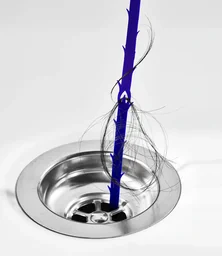
Pro tip
For double-bowl kitchen sinks: seal the second drain tightly with a wet cloth. This directs the plunger’s pressure entirely toward the blocked side. The effect is much stronger.
Step 3: Use chemical drain cleaners correctly
Chemical cleaners are controversial but can help with grease deposits. They usually contain caustic soda (NaOH), which breaks down fats.
Pour the powder into the dry drain according to the instructions. Add the specified amount of warm water. Wait for the stated reaction time. Rinse with plenty of water.
Additional advice
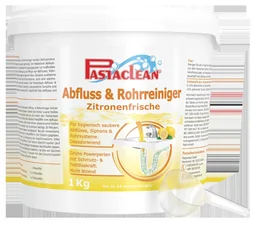
Use chemical cleaners only for grease blockages in the kitchen. They are less effective on bathroom hair and put stress on pipes and the environment. Our products
(lavender) and (lemon) offer an odor-neutral alternative.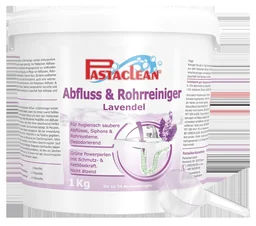
Always wear protective gloves and safety glasses. Ventilate the room well. Never mix different cleaners—it can cause dangerous chemical reactions.
Step 4: Check the ventilation
If you suspect the vent pipe, a simple test can help. Let a lot of water drain in another room, such as the bathtub.
Does your drain gurgle more loudly now? Then the larger drain is drawing air through your sink. The problem is in the shared ventilation system. A homeowner can perform this test, but fixing the problem often requires a professional.
Home Remedies That Really Work
Before reaching for chemical cleaners, try these methods. They are gentler on your pipes and the environment.
Baking Soda and Vinegar: The classic combination. The reaction breaks down light deposits. It is ideal for regular maintenance.
Hot Water: Boil a large pot of water. Pour it slowly down the drain. This can liquefy and wash away grease. Be careful with plastic pipes – water that is too hot can deform them.
Plant-Based Drain Cleaners: Enzyme-based cleaners are available. They biologically break down organic substances such as hair and grease. They work more slowly, but the results are sustainable.
When You Need a Professional
Not every problem can be solved yourself. These signs indicate that you should call a plumber.
The gurgling continues after all cleaning attempts. Several drains in the house show the same symptoms. You can even hear the noise coming from toilets.
Foul odours are coming up from the drain. This indicates a deeper blockage or a damaged drain line.
“DIYers should never use long drain snakes in the main stack. There is a high risk of loosening pipe connections or getting the snake stuck. For problems in the main drain line, a professional is faster and often cheaper in the long run.”
A professional has camera systems to locate the blockage and high-pressure cleaning equipment to remove it. They can also find leaks that you may overlook.
How to Prevent Gurgling Drains
The best solution is prevention. With little effort, you can keep your drains clear.
Install strainer inserts in every sink and shower. They catch hair and coarse dirt. Clean the strainers weekly.
Do not pour grease or oil down the kitchen drain. Let it solidify and dispose of it with household waste. Rinse greasy dishes with cold water before washing them.
Flush all drains regularly with hot water. Once a week is sufficient. This washes away light deposits before they harden.
Use biological cleaners monthly for maintenance. They keep the inside of your pipes clean without being harsh. You can find the right tools for maintenance in our Plumbing + Irrigation category.
The Right Tools for Your Home
With the right equipment, you are prepared. Keep these products close at hand.
A plunger is a basic essential. Choose one with a soft edge for an optimal seal. Special models are available for shallow drains.
A drain snake like ours is indispensable for removing hair. The flexible coil can also reach curved pipes.
For stubborn grease, keep a chemical drain cleaner on hand. Our products and are suitable for this. Store them safely and out of children's reach.
For anyone who carries out this work regularly, it is worth taking a look at Household Drain Pipe Systems. You will also find replacement parts such as new traps here.
Rubber gloves and safety glasses are essential for all work. They protect you from dirty water and chemical splashes.
Conclusion: Act Quickly Instead of Waiting
A gurgling drain is a warning sign. Take action as soon as you hear it. In most cases, you can solve the problem with simple measures such as cleaning the trap or using a drain snake.
Chemical cleaners are an option for kitchen drains. Use them selectively and responsibly. Mechanical methods and home remedies are better for regular maintenance.
If problems persist or several drains are affected, call in a professional. They can protect you from major damage and costly follow-up repairs. With the right tools and a little knowledge, you can keep your drains clear and quiet.
Frequently Asked Questions
- Is a gurgling drain dangerous?
- Gurgling itself is not dangerous, but it warns of a problem. It may indicate a developing blockage that could lead to a complete backup. A dry trap, which no longer blocks unpleasant odours, is also a possible consequence. Take action promptly.
- Can I use baking soda and vinegar for a gurgling drain?
- Yes, this home remedy can help with light grease deposits. First, put 3 EL of baking soda down the drain, then add 250 ml of warm vinegar. After leaving it to work for 15 minutes, rinse with hot water. The chemical reaction breaks down light deposits. It is often not enough for stubborn blockages.
- When should I call a plumber?
- Call a professional if all home remedies and mechanical attempts fail, the gurgling returns immediately after cleaning, or several drains in the house are affected at the same time. This indicates a problem in the main drain line that requires professional drain cleaning.
- Why does the drain only gurgle sometimes?
- Intermittent gurgling is often caused by a moving blockage. A clump of hair or a buildup of grease moves through the pipe and blocks the cross-section only temporarily. Changing air pressure in the drainage system, caused by other drains in the house, may also be the reason.
- Does a strainer prevent gurgling drains?
- Yes, a strainer is the best form of prevention. It catches hair, soap residue and coarse particles, which are the most common causes of blockages and the resulting gurgling. Clean the strainer regularly. You can find high-quality models in our Plumbing + Irrigation category.
You May Also Be Interested In
- Roots in Your Pipes? Clear Signs and Quick Solutions
- Does Your Drain Smell? Find the Cause and Remove Odours Effectively
- Blocked Drain? Effective Home Remedies & Professional Tips
- Clean Your Drain with Home Remedies: The Baking Soda and Vinegar Guide
- Blocked Fridge Drain: How to Fix the Problem
- Root Away: How to Remove Roots from Pipes – A Guide