
In brief: Hanging plants make use of vertical surfaces, expand your green space and create eye-catching accents. They are suitable for shady balconies, bright conservatories or as room dividers in the living room. The selection ranges from easy-care houseplants to flowering balcony plants. The key factors are the right location, proper watering and a stable hanging system.
How to create space and atmosphere with hanging plants
Hanging plants redefine spaces. They bring greenery to eye level and create living curtains for boring walls or corners. On the balcony, they transform bare railings into cascades of flowers.
They make use of areas that are unsuitable for ordinary pots. Green islands can be created above tables, in high windows or beneath roof overhangs. The effect is immediate and changes the way the entire space feels.
To get started, you only need a robust plant, a secure hook and some basic knowledge. The rest is simply the joy of decorating.
Expert tip
Combine different hanging lengths. Place a short hanging basket directly above the table and a long cascade beside it at shoulder height. This layering creates depth and prevents a static, uniform look.
Which plants are suitable for hanging baskets?
The selection falls into two categories: houseplants for indoors and flowering plants for outdoors. Indoors, varieties with long, flexible stems are ideal. The pothos is a classic, grows quickly and forgives care mistakes. The spider plant produces many offsets that hang down like green fountains.
The flowering maple provides a splash of colour indoors. Its delicate leaves and pale flowers prefer bright locations without midday sun. A little more demanding but impressive is the king's vine, with its large, heart-shaped leaves.
Success with hanging plants starts with choosing the right growing medium. Do not use heavy, compact garden soil. A loose mix of potting soil, coconut fibre and perlite retains water while remaining airy and preventing root rot.
For balconies and patios, flowering plants that bloom throughout the season are the first choice. Trailing petunias, nemesia and ivy geraniums love full sun. Fuchsias, trailing begonias and busy Lizzies are perfect for partial shade. They flower tirelessly until the first frost.
Do not forget edible plants. Trailing strawberries or small tomato varieties for the balcony are both productive and decorative. However, they need more water and nutrients than purely ornamental plants.
The easiest varieties for beginners
Do you have little time or a less-than-ideal location? These plants make things easy.
- Snake plant (Sansevieria): Survives almost anything, including dry air from heating. The ‘Hahnii’ varieties grow in a rosette shape and are suitable for low hanging baskets.
- Ornamental sweet potato (Ipomoea batatas): Its purple or bright green leaves grow quickly and trail profusely. It needs plenty of light but little care.
- Climbing philodendron: Just as robust as the pothos, often with larger, more sculpted leaves. Ideal for lightly shaded corners indoors.
Find suitable accessories for all these plants in our garden and plant accessories category.
Why is proper care so important for hanging plants?
Hanging plants grow in an exposed position. They dry out faster than pots on the floor because warm air rises. At the same time, waterlogging is fatal, as excess water often cannot drain away properly.
The key is observation. In summer, check every two days whether the soil feels slightly dry. Water thoroughly until water runs out of the drainage hole. Wait until the excess water has drained away before hanging the plant up again.
Important note
Check the stability of the hanging system regularly! Moist soil, abundant growth and watering make a hanging basket heavier than expected. Use only ceiling or wall hooks designed to support several times the weight. Safety comes first.
Fertilise during the growing season from March to September. Use a liquid fertiliser for green plants or flowering plants and dose it according to the package instructions. In winter, stop fertilising almost completely.
Regular pruning keeps plants young and bushy. Shorten overly long stems with sharp scissors directly above a pair of leaves. The
are perfect for this.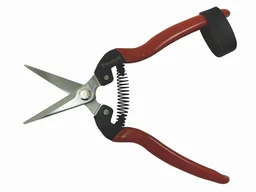
The problem with pests at height
Spider mites and aphids love the warm, dry air around hanging plants. Check the undersides of the leaves when watering. If you find an infestation, isolate the plant immediately.
Treat it with an approved plant protection product. For a minor infestation, regularly rinsing the plant in the shower is often enough. As a preventative measure, increase humidity by occasionally spraying the plants with soft water.
How do you choose and install the perfect hanging basket?
The pot is more than just a container. It must be safe to hang, hold enough water and look good. Classic plastic hanging baskets are lightweight and inexpensive. Woven metal planters and macramé hangers are currently on trend.
An integrated water reservoir or saucer is important. This protects furniture and floors from dripping water. The
makes it easy to clean these reservoirs later.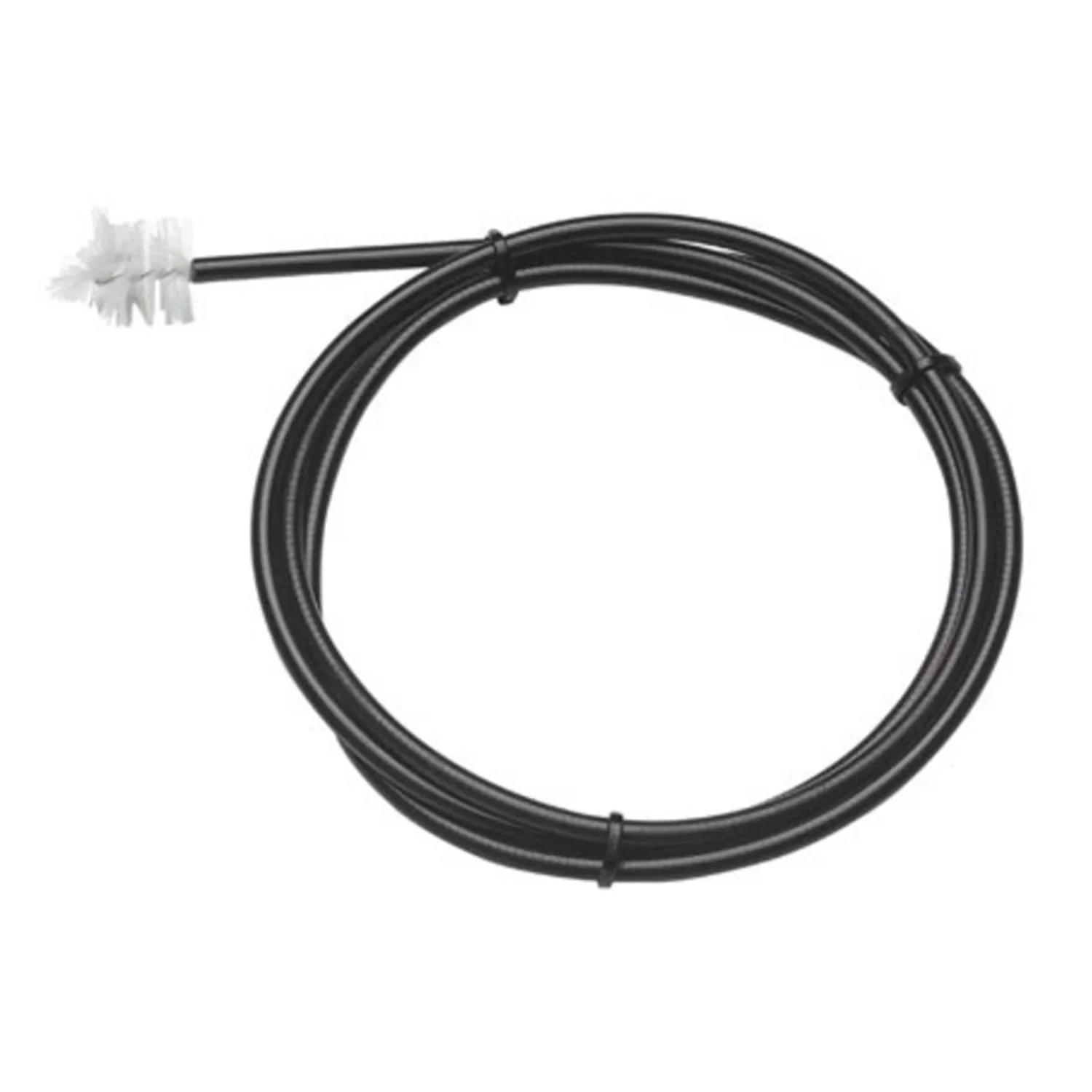
Check the hook: For heavy ceramic pots suspended from plasterboard ceilings, you must screw the hooks into load-bearing wooden battens. Use a stud finder to locate the batten. Special plasterboard plugs from a DIY store are often sufficient for lighter constructions.
The hanging system itself can be part of the design. Leather straps, colourful marine rope or stainless steel chains offer different styles. Make sure they are long enough to allow you to position the plant at the right height later.
For an instant green effect, consider a ready-made hanging plant duo such as the
. You get two well-established plants that make an immediate impact.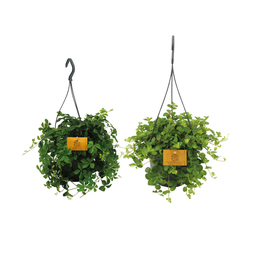
Additional tip
Plan for easy access. Do not hang plants in places that can only be reached with a ladder. Use adjustable hanging systems or choose locations above armchairs or tables that you can easily move. This makes watering and pruning much easier.
Watering systems for holidays
Being away for several days can cause hanging plants to dry out. Simple DIY solutions include water-filled bottles inserted upside down into the soil. A more professional option is clay watering cones connected to a water reservoir by a hose.
For longer periods, place the plants in a bright but not fully sunny bathroom. Hang them slightly lower or place them on the floor, where humidity is higher and evaporation is lower.
Creative ideas: Beyond the classic flowerpot
Hanging plants do not have to be displayed individually. Create a green wall by hanging several plants at different heights from a rod or shelf. This creates a lively, three-dimensional effect.
Use hanging plants as natural privacy screens on the balcony. Combine tall potted plants below with hanging varieties at railing height. This creates a dense, green barrier that still allows air to pass through.
In the garden, use hanging baskets to draw the eye. Position them at prominent points such as the garden gate, on a pergola or on an old tree stump. They attract attention and create focal points.
Experiment with unusual planters. Disused teapots, woven baskets or sturdy glass containers (for hydroponics) add personality to your collection. Always ensure there is a drainage hole or a thick drainage layer made from expanded clay.
Discover more inspiration and materials for projects like these in our extensive Garden & Outdoor range.
The right soil and fertiliser for healthy growth
Quality potting compost is the foundation. For particularly thirsty plants such as petunias, mix in some clay granules. This increases water retention. For succulents and other drought-tolerant varieties, add sand or grit to improve drainage.
Do not fertilise according to the calendar, but as needed. Paler green leaves or noticeably slower growth are signs that fertilising is needed. Use fertiliser from our plant and flower fertiliser range.
Organic fertilisers such as horn shavings work slowly and are gentle on soil life. Mineral liquid fertilisers release nutrients quickly but must be measured precisely. Choose the method that suits your plant-care routine.
Conclusion: More than just decoration
Hanging plants are active design elements. They improve the indoor climate, can provide privacy and even offer space for small harvests on the balcony. Their greatest advantage is their flexibility.
They transform a room instantly without requiring you to move furniture or repaint the walls. With the right varieties and a little basic knowledge, they will last for many years and grow into impressive green curtains.
Start with a robust plant in a suitable location. Observe how it responds to light and water. Before long, you will develop a feel for your elevated green companions and be able to expand your collection.
Browse our shop for more ideas for your green home. From watering technology to the right tools, you will find everything you need for successful plant care.
Frequently Asked Questions
- Which hanging plants need little light?
- Pothos, spider plants and cast iron plants (Aspidistra) are classic shade-tolerant houseplants. Busy Lizzies, fuchsias and some fern varieties thrive on a north-facing balcony. They need very little direct sunlight but must be kept evenly moist. Avoid waterlogging.
- How often should I water my hanging plants?
- How often you need to water depends on the plant variety, pot size and location. Before watering, check the moisture level of the top layer of soil with your finger. Many plants, such as pothos, prefer the soil to dry out slightly. In summer, daily watering may be necessary, while in winter, once a week is often enough.
- Can I use ordinary plants as hanging plants?
- Yes, many trailing or naturally overhanging plants are suitable. Plant them in a tall pot or a special hanging basket. Make sure the hanging support is sturdy enough, as the plant becomes heavy with soil and water. Trellises from the plant accessories range can help guide growth.
- What should I do if my hanging plant becomes bare at the bottom?
- Bare stems are often a sign of insufficient light or natural woodiness. Cut the plant back to encourage branching. Place the cuttings in soil to propagate them and make the top of the plant bushier again. Regular shaping with sharp secateurs can help prevent this.
- Are hanging plants hardy?
- Most classic hanging balcony plants, such as trailing petunias, are annuals and not frost-hardy. Perennial, hardy options include ivy, some trailing strawberries and evergreen creeping euonymus. Houseplants need temperatures above 15°C all year round. Always check the specific hardiness of the plant variety.
You may also be interested in
- Low-maintenance balcony plants: For every location
- Low-maintenance houseplants: Green oases without the hassle
- Hanging begonias: A riot of colour for balcony & garden
- Climbing plants & trellises: Create green walls
- Create an urban jungle: Houseplants for your home
- Hydroponics: Low-maintenance plants for your home