
In brief: The best flooring for you depends on how you use the room, your budget and the look you want. Solid hardwood offers natural warmth and lasting value, but needs more care. Vinyl flooring resists moisture, making it a good choice for wet areas. Laminate is an affordable, versatile option with a wide range of designs, but it is more susceptible to moisture.
Hardwood, vinyl and laminate flooring: the materials explained
Before installing new flooring, it helps to understand the basics. These three materials differ significantly in how they are made, how they feel and what they are made from.
Parquet flooring is made from real wood. Solid parquet is made from a continuous layer of wood, while engineered parquet has a thin layer of premium wood bonded to a core board. Wood breathes, has a natural scent and develops a visible patina over time. Vinyl, often called luxury vinyl flooring or PVC flooring, is made from plastic. It is flexible, warm underfoot and available in almost any design. Laminate mimics wood or stone with a printed paper layer covered by a hard melamine coating. It is durable, easy to install with a click system and affordable.
Appearance and feel make the difference
Hardwood flooring stands out for its natural look and feel. Every plank is unique, with its own grain and color variations. Modern vinyl can look remarkably like natural materials, even with embossed wood textures you can feel. Laminate surfaces often look flatter, and the repeating pattern can be noticeable in lower-priced versions. Try samples to compare the look and feel.
Choosing flooring is a long-term investment in the room's atmosphere and your comfort. Real wood retains warmth, helps regulate moisture and creates a distinctive feel that no imitation can fully replicate.
How well do these floors hold up to everyday use?
Durability helps determine where each type of flooring works best. Check the use class (NC) for laminate and the abrasion class (AC) or wear-layer thickness (for vinyl in mm).
Laminate for residential use starts at class 23 (moderate use); for hallways or kitchens, choose at least class 33. Its hard surface is less prone to scratches than parquet, but it can be damaged by impacts. A dropped knife can leave a dent. Vinyl is softer, which helps reduce impact noise, and is still highly resistant to scratches and knocks. Parquet develops signs of wear. Many people see this patina as a mark of quality, while others consider it a drawback.
Important note
Standing water is the biggest threat to all wood and wood-based flooring. Wipe up spills right away. On laminate and unsealed parquet, even a puddle left for a while can cause the joints to swell. In wet areas such as guest bathrooms or kitchen corners in garden buildings, vinyl is the safer choice.
Care and maintenance
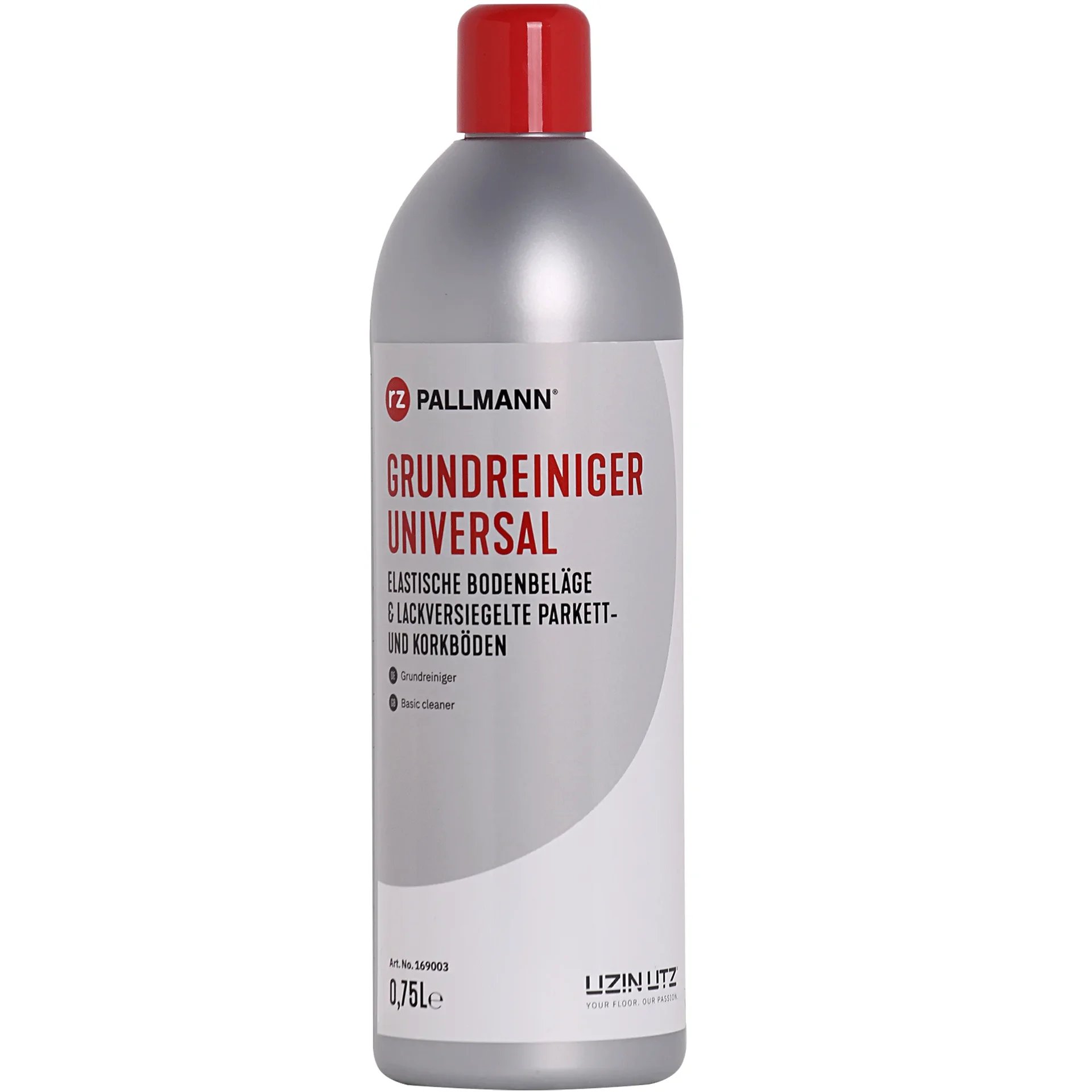
When it comes to easy care, vinyl comes out on top. A damp mop and a mild cleaner are all you need. For deep cleaning resilient floors, use the . Parquet needs special pH-neutral cleaners that won't damage its finish. Harsh scouring products can ruin the surface. Laminate should only be cleaned with a barely damp mop.
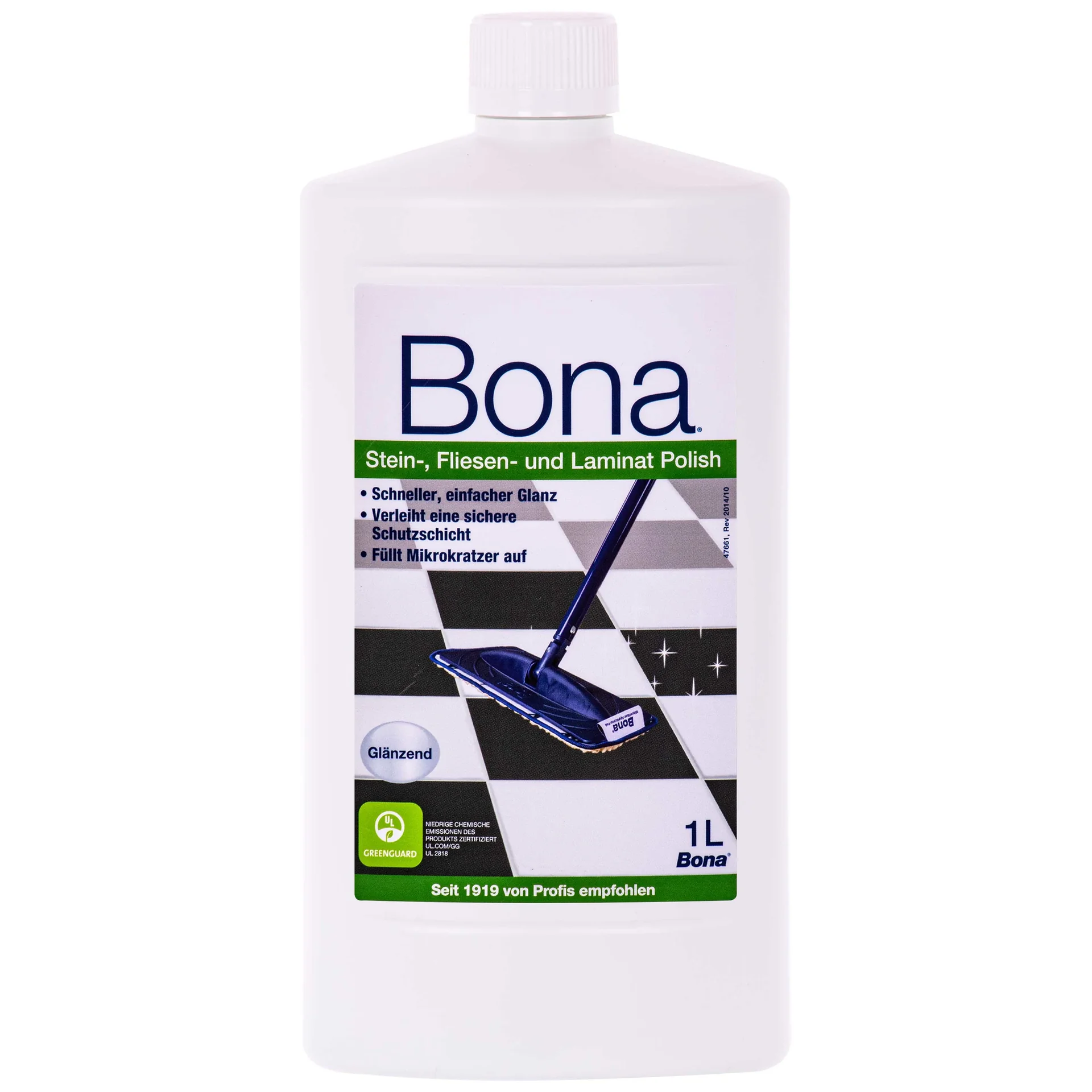
Damage is another point of difference: deep scratches in solid parquet can be sanded out. With laminate or vinyl, you can replace an individual plank, especially with click systems. Polish surface scratches on laminate or stone with a product such as .
Why do room conditions and the subfloor matter?
Your existing subfloor determines which options are suitable. Parquet and laminate need a completely dry, level and stable subfloor. Uneven spots can show through the flooring or cause joints to creak. Vinyl is more forgiving because it is flexible and adapts more easily.
Room conditions are especially important for wood. Parquet expands and contracts. In air that's too dry (such as heated indoor air), it shrinks; in air that's too humid, it swells. Relative humidity of 50-60% is ideal. Parquet may not hold up well in poorly insulated garden buildings or conservatories with extreme fluctuations. Vinyl and high-quality laminate are less sensitive to these conditions.
Proper subfloor preparation is essential for every floor. Whether you need leveling compound or underlayment, cutting corners here can lead to noise and unevenness years later. A well-prepared subfloor is always worth the investment.
Pro tip
Always check the residual moisture in the screed with a moisture meter before installation. For cement screed, residual moisture must be below 2% CM; for anhydrite screed, below 0.5% CM. With parquet, always install a vapor barrier if moisture could rise from below.
Cost comparison: materials and installation
Prices vary widely. Laminate is the most affordable option. Vinyl ranges from mid-priced to premium, depending on wear-layer thickness and design. Solid wood parquet is a premium investment, while engineered parquet makes real wood more affordable.
Be sure to calculate the total cost, including materials, underlayment, baseboards, profiles and adhesive (often needed for vinyl and parquet). Installing click laminate or click vinyl is a popular DIY project. Gluing parquet or installing vinyl in a wet room takes more skill. Find the right tools for precise cuts in our Power Tools category, including a practical for reciprocating saws.

Long-term value
With proper care, parquet can last for generations and can be sanded several times. It can also increase a home's value. Laminate and vinyl typically last 10-25 years, depending on quality and wear. Think of them as materials with a limited lifespan.
Additional advice
Always buy some extra flooring (at least 5% of the area). If you need repairs a few years from now, the same color batch may no longer be available. Store spare planks flat in their original packaging in the same room so the material can acclimate.
Which flooring works best in each room? Room-by-room recommendations
Make your final choice based on the specific rooms.
Living room & bedroom: Comfort and appearance are key here. Parquet flooring is the classic choice. If you prefer something easier to maintain and more affordable, choose high-quality laminate or soft, warm wood-look vinyl flooring.
Kitchen & entryway: Heavy foot traffic and the risk of moisture are the main concerns. Vinyl is the ideal compromise between durability and design. Special water-resistant laminate (with a waterproof core board) is another option. For the entryway, it is worth checking the clearance section, where you can often find durable leftover stock.
Bathroom & half bath: Moisture-resistant vinyl flooring is the clear choice here. Make sure it has the appropriate certification.
Home office & hobby room: Using an office chair with casters? Choose vinyl or laminate with an extra-hard surface (class 33/34). Parquet flooring would quickly develop indentations.
Garden shed & sunroom: The demands here are extreme. Temperature fluctuations and possible moisture from outside put the material under pressure. Vinyl or specially treated engineered parquet are suitable options. Make sure the room is well ventilated. For the surrounding patio, take a look at garden equipment.
Before installation: How to prepare
Success depends on thorough preparation. Empty the room completely. Remove the old baseboards. Check that the subfloor is level using a spirit level. Grind down raised areas of concrete and fill larger holes with leveling compound.
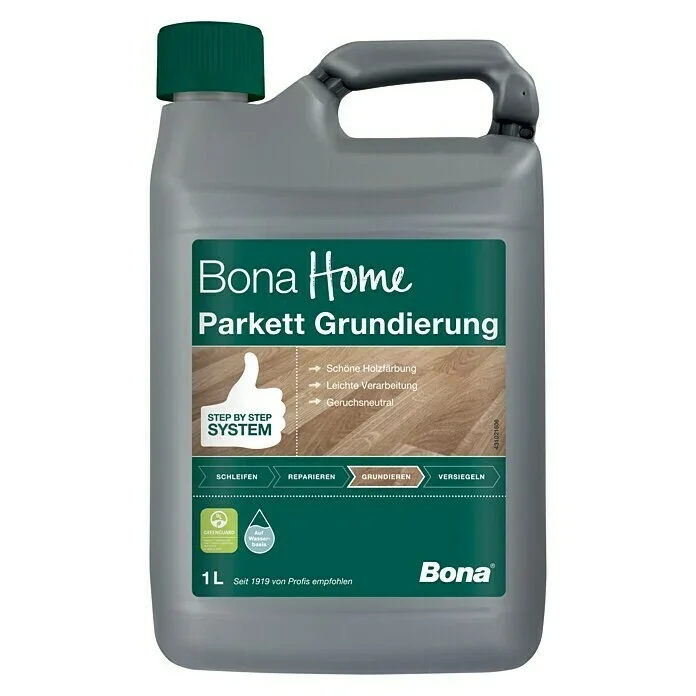
Let the new flooring acclimate in its unopened stack in the room for at least 48 hours. A room temperature of at least 18°C and the humidity expected during use are important. Lay suitable underlayment for sound insulation. For parquet flooring on screed, a primer such as is often essential for binding dust and improving adhesion.
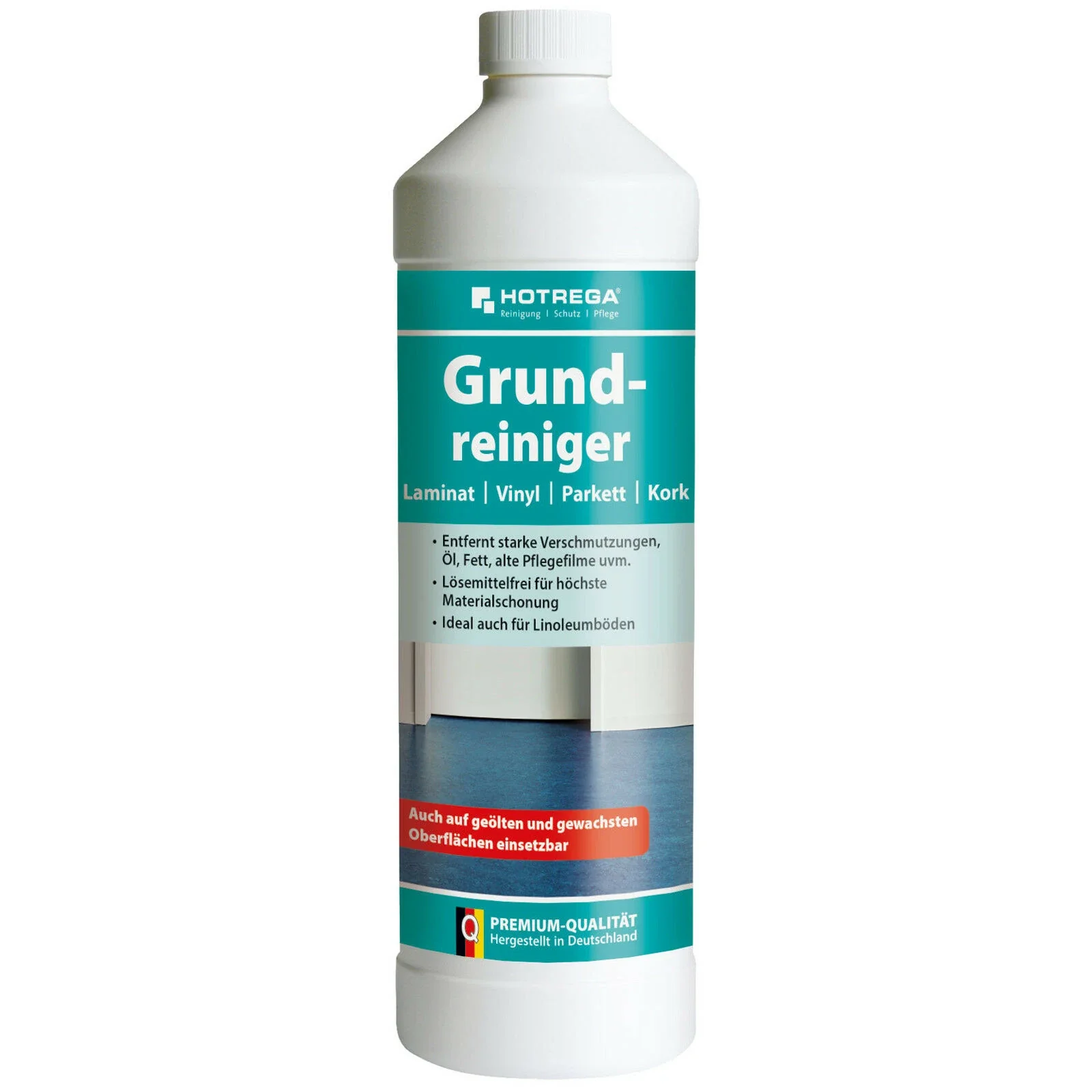
Plan your installation pattern. In most cases, start at the longest straight wall. Offset the joints by at least 30 cm for a stable installation and an attractive appearance. Measure twice, cut once. A versatile will gently clean all the flooring types mentioned above.
The right tools for trade supplies
You will need: a tape measure, pencil, combination square, a sturdy cutting mat, a sharp utility knife (for vinyl and laminate underlayment), a jigsaw or circular saw with a fine-toothed blade for wood and laminate, a Japanese pull saw for precise cuts around door frames, a rubber mallet, a pull bar and wedges for the joints. For difficult cuts around radiators and similar obstacles, a reciprocating saw is hard to beat.

With this information, you are well prepared to make your choice. Whether you opt for the natural elegance of parquet flooring, the durable versatility of vinyl or budget-friendly laminate, a well-planned and properly prepared interior renovation guarantees lasting enjoyment of your new floor. Choose the right care products from the outset to maximize its lifespan. For all your other home and garden projects, you will find inspiration and materials in our extensive shop.

Frequently asked questions
- Can I install laminate flooring in the kitchen or garden shed?
- Standard laminate is only suitable for kitchens to a limited extent. Moisture can seep into the joints and cause the core board to swell. In this case, choose special water-resistant laminate or, preferably, vinyl flooring. In an unheated garden shed, fluctuating temperatures and humidity pose a challenge; vinyl or durable engineered parquet are safer options.
- Which type of flooring is easiest to maintain?
- Vinyl flooring (especially PVC) is the clear winner when it comes to ease of maintenance. It is usually protected by a durable wear layer, resistant to moisture and easy to mop. Special cleaners such as PRODUCT_61888 or PRODUCT_61887 are suitable for regular deep cleaning. Parquet flooring, on the other hand, requires special care products to protect the surface.
- Is vinyl the same as laminate?
- No. The key difference is how they are made. Laminate consists of a wood-based core board with a printed decorative layer. Vinyl (often called PVC flooring or luxury vinyl flooring) is made entirely from layers of plastic, making it softer, warmer underfoot and considerably more resistant to moisture. Vinyl also often feels more textured and less hard than laminate.
- Can I refinish an old floor myself?
- Yes, this is possible with parquet and laminate. For parquet flooring with deep scratches, professional sanding and resealing can often help. For laminate, tile and stone, a polish such as PRODUCT_60209 can quickly improve the appearance by concealing minor surface imperfections and restoring the shine. For extensive renovations, however, you will need suitable tools from our power tools category.
- Which accessories do I need to install flooring?
- In addition to the flooring itself, you will need underlayment for sound insulation, matching baseboards and transition profiles. A sharp utility knife, jigsaw or reciprocating saw with a special blade (such as PRODUCT_90142) is essential for precise cuts. Don’t forget to care for the flooring from the start, for example with a suitable deep cleaner such as PRODUCT_58658.
You may also be interested in
- Laminate or parquet: Which flooring is more sustainable?
- Flooring for underfloor heating: What you need to know
- Gluing laminate flooring: When it makes sense and how to do it
- Installing vinyl flooring: Step by step to a fresh new look
- Parquet adhesive: Types and uses explained
- Installing engineered parquet: Install your own wood floor