
In brief: Harvest beets when the roots are 4-8 cm thick, usually from September onwards. Carefully twist off the leaves instead of cutting them to prevent bleeding. Store the unwashed roots in damp sand or sawdust in a cool, frost-free cellar. This keeps them fresh for months.
Harvest and Store Beets Properly – Here's How
Home-grown beets have a more intense flavor. Harvesting determines both their taste and storage life. This guide explains the right time to harvest, the best technique, and safe ways to store your root vegetables.
How can I tell when beets are ready to harvest?
The harvest season for beets begins in late summer. Check the diameter of the roots from the end of August onwards. The ideal size is 4 to 8 centimeters. Larger roots often become woody.
The leaves reveal a lot. When the outer leaves turn yellowish and wilt, the root is mature. The inner leaves may still be green. Do not wait too long. Beets harvested late lose their tenderness.
Expert tip
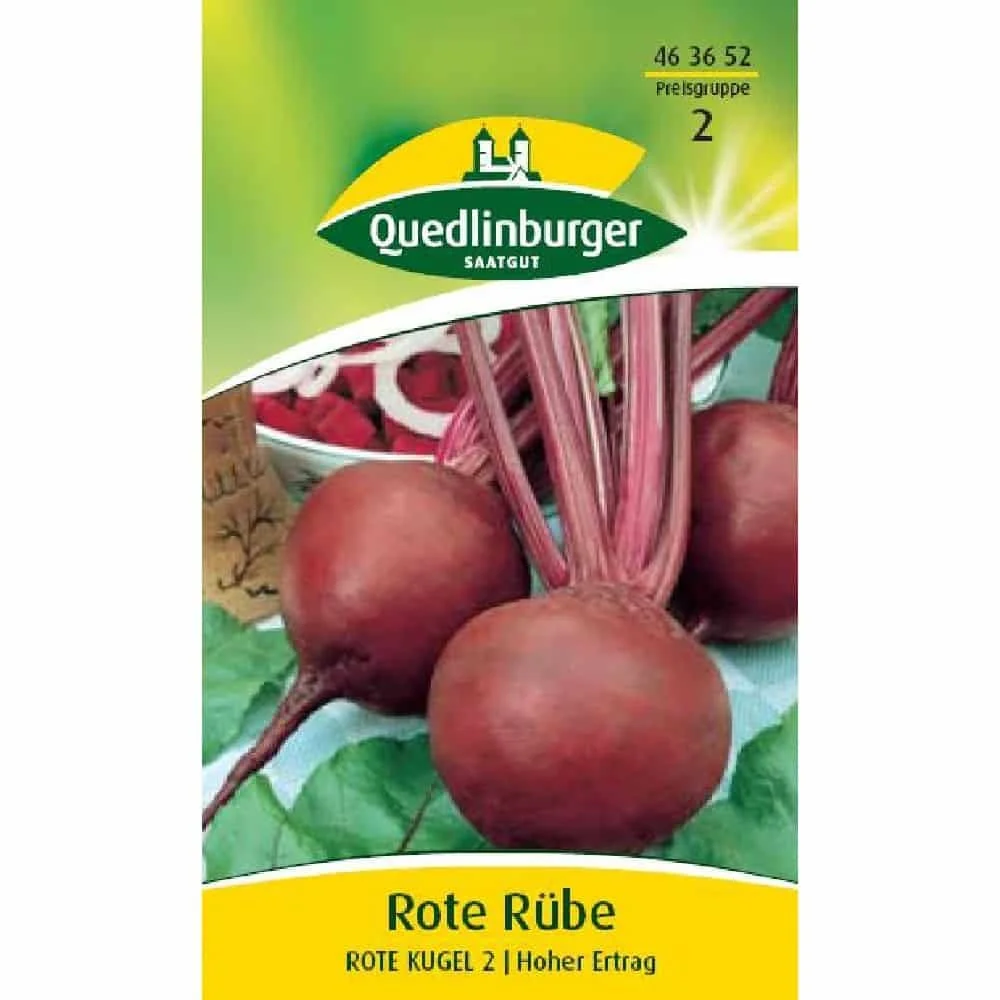
Mark early and late varieties with labels. Harvest early varieties such as ‘Rote Kugel’ first. Late varieties such as ‘Moulin Rouge’ can stay in the bed longer and develop a more intense flavor.
Pay attention to the weather
Plan your vegetable harvest for dry weather. Wet soil sticks to the roots and makes cleaning more difficult. An overcast day after a longer dry spell is ideal.
Heavy rain immediately before harvesting can cause the roots to split. Water the bed only moderately during the final weeks before harvest. This helps the plant concentrate its flavor.
How do I harvest beets without damaging them?
Use a garden fork or spade. Push the tool deep into the soil at a sufficient distance from the row of plants. Carefully lift and loosen the soil.
Now pull the roots out of the loosened soil by their leaves. If the soil is firm, first pull out the entire plant by the leaves. Avoid jerky movements so you do not damage the thin skin.
Important note
Do not cut the leaves off directly with a knife. This causes heavy “bleeding” and loss of juice. Instead, carefully twist off the leaf clusters. A short section of stem measuring 2-3 cm remains on the root.
Do not store damaged roots. Use them within a few days. They are ideal for salads, soups, or pickling. Prepare undamaged roots for storage.
Choosing the right tool
A sturdy garden fork is gentler than a spade. It pierces fewer roots. Make sure the tines are sharp and the handle is sturdy. After harvesting, clean the tool thoroughly to remove soil.
“Harvesting is the most critical moment for storage life. Every cut and every pressure point later becomes an entry point for rot. Patience and a gentle touch pay off here.”
How do I prepare beets for storage?
After the vegetable harvest, brush off only large clumps of soil. Do not wash the roots under any circumstances. The natural protective layer of adhering soil dries in the air and forms a barrier.
Let the beets dry for a few hours in an airy, shady place. Avoid direct sunlight. Sort the roots by size. Small roots wilt faster, so store them separately.
Additional advice
Inspect every root for pests such as weevil larvae or rodent damage. Even tiny root injuries can cause problems. Place the roots next to one another for an hour; fresh injuries will then become visible through leaking juice.
Choosing the storage medium
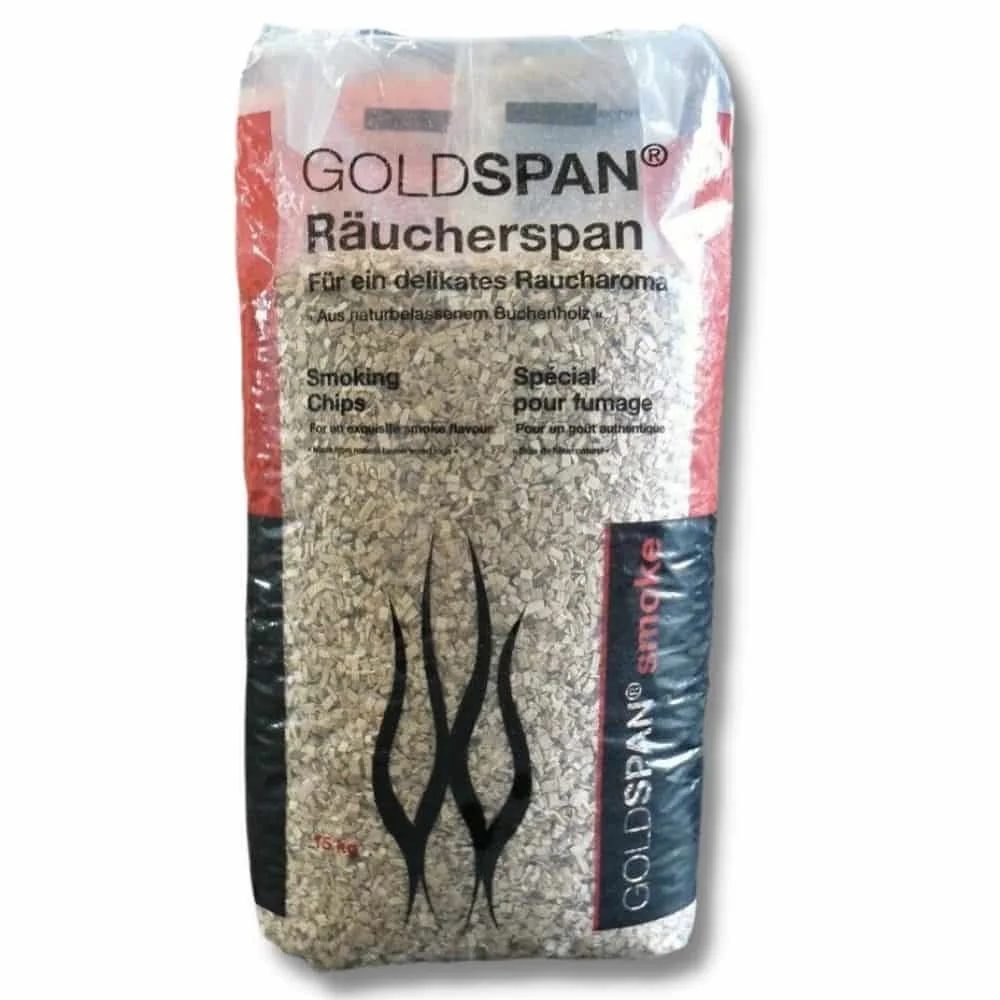
Damp sand is the classic medium. It keeps the roots cool and moist without making them waterlogged. Sawdust or fine smoking wood chips such as
or work just as well. These materials are available in our store.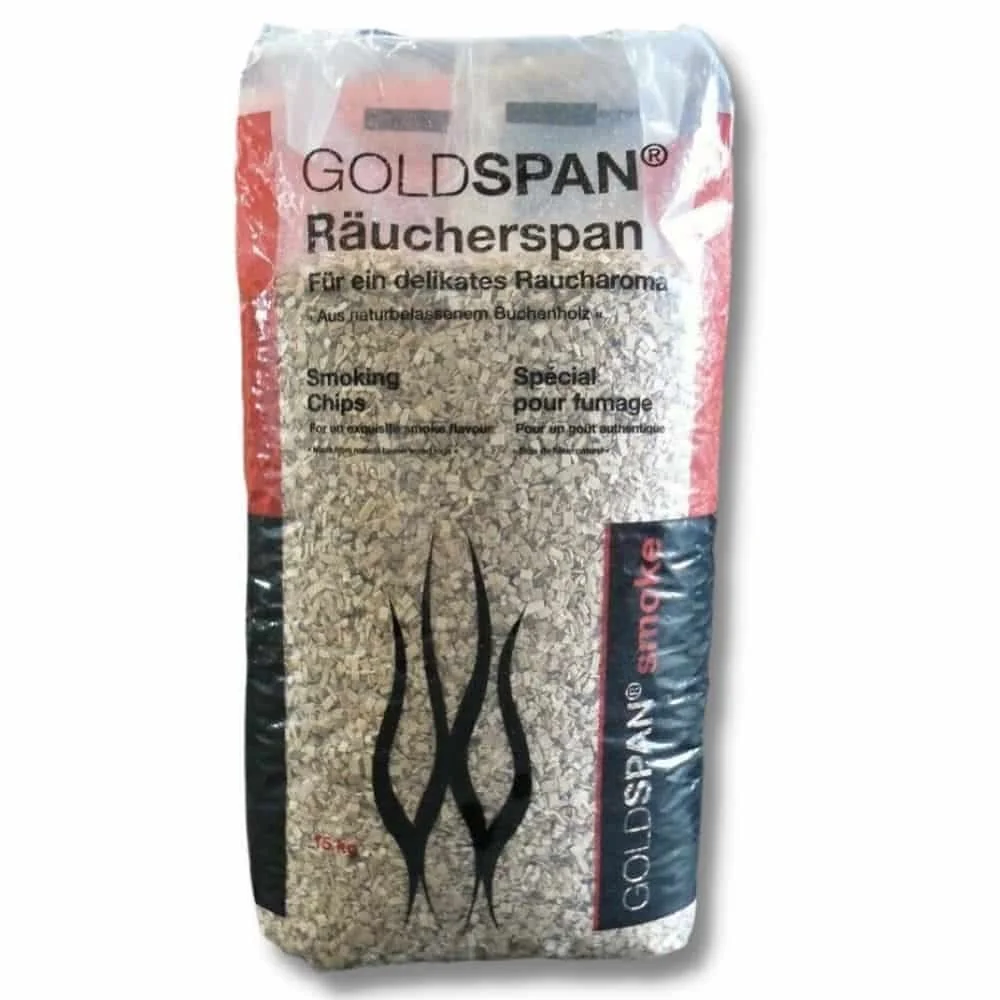
Fill a crate or sturdy container with a layer of the dry material. Place the roots inside individually without letting them touch. Cover each layer completely. The top layer should be at least 5 cm thick.
Where and how is the best way to store beets?
The ideal location is a dark, frost-free cellar with high humidity (approx. 90%). The temperature should be between 1 and 4 degrees Celsius. A well-ventilated root cellar or a dedicated vegetable drawer is ideal.
Use wooden crates, ventilated plastic boxes, or special vegetable racks. Avoid metal containers, as they encourage condensation. Do not place the crates directly on the cold floor; instead, set them on an insulating base such as wooden slats.
“Storing vegetables in sand is an ancient principle. The sand draws moisture from the surrounding air and releases it evenly to the roots. This creates a perfect microclimate that slows evaporation and preserves freshness.”
Storing beets without a cellar
When storing beets in cool sheds or garages, provide additional insulation for the containers. Wrap the crate in fleece fabric or bubble wrap. A thick tarp protects against drafts.
Check the stored beets every two weeks. Remove soft or moldy roots immediately. Carefully turn the roots in the crate to prevent pressure marks. This helps stop any rotting processes at an early stage.
How can I prepare beets for the next season?
Keep the healthiest and most characteristic roots from your favourite variety. Replant them the following spring to produce your own seeds. You can find suitable varieties such as
or in our range.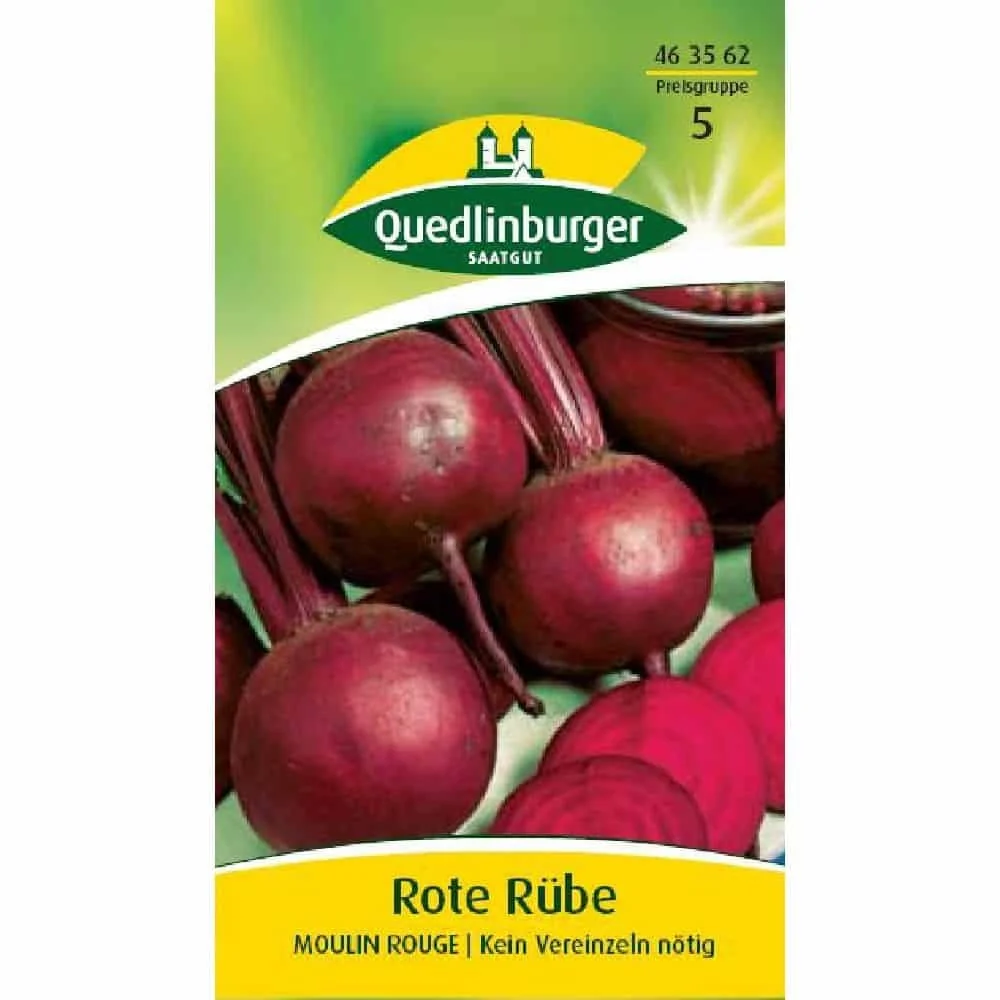
Prepare the bed in autumn after harvesting. Work in a shallow layer of compost. Covering the soil with garden fleece protects it from being washed away and helps prevent weeds. This gives you ideal conditions for the following year.
Harvesting and storing beets correctly makes them a delicious winter staple. These methods will provide you with your own healthy root vegetables for months.
Frequently asked questions
- When is the best time to harvest beets?
- Harvest beets from September onwards, once the roots have reached a diameter of 4-8 cm. Harvesting too early produces a smaller yield, while harvesting too late results in woody roots. All roots must be removed from the ground before the first severe night frost.
- Can you still harvest beets after the first frost?
- The roots can withstand a light frost in the ground, provided you harvest them immediately afterward and the foliage has already wilted. Severe, prolonged frost will cause them to freeze. If frost is forecast, cover the bed with garden fleece or a thick layer of straw to protect the crop.
- How do I store beets without a cellar?
- Use a frost-free, cool garage, shed or dark hallway. Place the roots in crates filled with damp sand or sawdust. Alternatively, wrap individual roots in newspaper. Check regularly for rot and use soft roots first.
- Should you wash beets before storing them?
- No. Never wash beets before storing them. The soil clinging to the skin protects the roots and extends their shelf life. Simply brush off any coarse dirt carefully. Wash and clean the roots immediately before preparing them.
- How long do harvested beets last?
- When stored optimally at 1-4°C and high humidity, beets will keep for 4-6 months. Wrapped in sand or sawdust, they stay fresh longer than in plastic bags. Small roots wilt more quickly, so use them first. Check your storage area every two weeks.
You might also be interested in
- Growing beets: How to grow them successfully in your vegetable garden
- How to harvest and store apples for long-lasting freshness
- Asparagus & rhubarb: Want to extend the harvest season? Here's how!
- How to care for tulip bulbs: Digging up & storing them
- Overwintering tomatoes: How to preserve your harvest until next year
- Preserving your harvest: How to fill your pantry