
In brief: An efficient heating system requires regular maintenance. You can carry out simple tasks such as bleeding radiators and checking the water pressure yourself to improve performance and reduce costs. However, you should always hire a qualified heating contractor for complex adjustments and the annual inspection, especially for gas systems.
A working heating system is at the heart of a comfortable home, especially during the colder months. Yet many systems operate inefficiently and drive energy costs unnecessarily high. With targeted maintenance and a few simple steps, you can improve efficiency, save money and extend the life of your heating system. Understand the technology behind your heating supply and take optimisation into your own hands.
Why is regular heating system maintenance so important?
Your heating system is a complex setup that operates continuously for months at a time. Like a car, it needs regular care to function at its best. If you neglect maintenance, you risk not only higher costs but also sudden breakdowns when you need heat most.
A professional inspection safeguards the three most important aspects of your heating system: efficiency, safety and longevity. A qualified technician cleans the burner and heat exchanger, checks all safety-related components and measures the flue gas values. Soot deposits just one millimetre thick can already increase energy consumption by up to five percent. Regular maintenance ensures that your system operates at optimum efficiency.
Safety is particularly important with gas heating systems. The expert checks for even the smallest leaks and ensures that combustion takes place cleanly. This protects against the risk of carbon monoxide. At the same time, they can identify worn parts early and replace them before an expensive fault shuts down the entire system. This is an investment in the long-term reliability of your system.
Around 80 percent of heating systems in Germany are not set up optimally. [...] Depending on the condition of the building and the system, the savings potential is ten to 15 percent.
What can you do yourself to maintain your heating system?
Between annual professional services, there are several tasks you can easily handle yourself. These simple measures have a major impact on efficiency and comfort in your home. You only need a few tools and a basic understanding of how the system works.
Bleeding radiators: stop the gurgling
A radiator that gurgles and stays cold at the top is a clear sign of air in the system. Air prevents hot water from flowing through the entire radiator. Heat output decreases, the room does not warm up properly and the heating pump uses unnecessarily much energy. Bleeding a radiator takes only a few minutes.
First switch off your heating system's circulation pump and wait about an hour so that the air can collect at the highest points in the radiators. Hold a cloth and a small container under the bleed valve, which is usually on the side opposite the thermostat. Using a special tool such as the
radiator bleed key, slowly open the valve until air escapes with a hissing sound. As soon as a steady stream of water comes out, close the valve again. Repeat this process for all radiators in the house, starting on the lowest floor.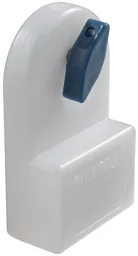
Important note
Bleeding several radiators often causes the water pressure in the system to drop. Check the pressure on your heating system's pressure gauge and top up the water if necessary. Pressure that is too low can affect the operation of the entire system.
Check and top up the water pressure
The correct water pressure is essential for distributing heat. Check the pressure gauge on your heating system. The needle should be in the green zone, which is usually between 1,5 and 2,0 Bar. If the pressure falls below this level, the water may no longer reach the radiators on the upper floors. This is a normal occurrence after bleeding the radiators.
Topping up the water is possible with many systems, but it requires care. Be sure to consult your boiler's operating instructions. You will need a filling hose connected to a tap and the heating system's filling point. Slowly open both valves and watch the pressure gauge. Once the required pressure is reached, close the valve on the heating system first, followed by the tap.
Clean radiators for better heat output
Dust is a surprisingly effective insulator. A thick layer of dust on and between your radiator's fins obstructs convection, meaning the transfer of warm air into the room. The heating system has to run for longer to reach the desired temperature. Thorough cleaning before the start of the heating season noticeably improves efficiency.
First remove loose dirt with a brush attachment on your vacuum cleaner. Special tools are ideal for hard-to-reach gaps. A long, flexible brush such as the
cleaning brush with Bowden cable is ideal for reaching deep between the radiator fins and loosening stubborn dust. This ensures that heat can radiate freely into the room.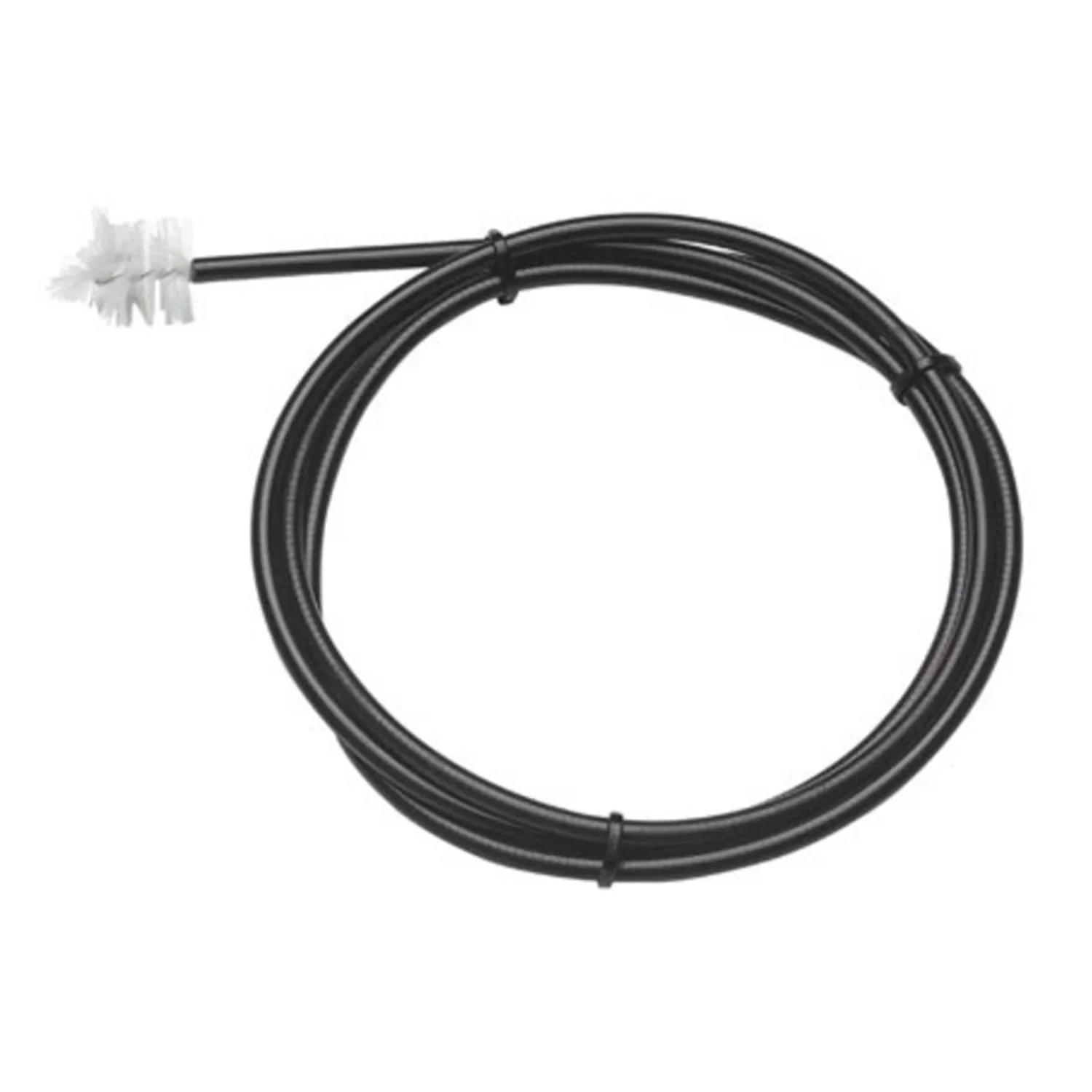
How can you optimise your heating system for maximum efficiency?
In addition to regular maintenance, there are other ways to reduce your home's energy consumption. These measures aim to use the heat generated as efficiently as possible and minimise heat loss. Some require a professional, while others can be carried out yourself.
Set the heating curve correctly
The heating curve, also known as the heating characteristic, is a key setting on modern heating systems. It controls how high the heating water flow temperature needs to be depending on the outside temperature. If the curve is set too high, the heating system produces unnecessarily hot water, wasting energy. If it is set too low, the rooms may no longer get warm enough in very cold weather. Finding the optimal setting is a process that takes several days, but the adjustment can pay off through significant savings.
Pro tip
Use programmable thermostats to adjust the room temperature to your daily routine. Lowering the temperature by just one degree Celsius can reduce heating costs by around six per cent. Lower the temperature deliberately at night or when you are away.
Hydronic balancing: distributing heat evenly
In many homes, radiators close to the boiler become very hot, while those further away barely warm up. Hydronic balancing solves this problem. A professional ensures that exactly the amount of water each radiator needs to heat the room flows through it. This is achieved by presetting the thermostatic radiator valves. The result is more even heating, less flow noise and a significant improvement in pump efficiency.
Insulate pipes and minimise heat loss
One of the simplest and most effective measures is insulating heating pipes. In unheated basements, lofts or service ducts, bare pipes release much of their heat into the surrounding area before it even reaches the radiators. This energy is lost. With suitable insulation sleeves from a DIY store, you can quickly and easily cover the pipes.
Make sure the insulation fits continuously without any gaps. This small investment often pays for itself in the very first winter. In our range, you will find the right heating pipe insulation to get started on this project straight away.
What modern heating systems are available and what are their benefits?
If your old heating system is getting on in years, it is often worth considering an upgrade. Today's heating systems are much more efficient and environmentally friendly. The options range from optimised fossil-fuel systems to fully renewable energy solutions.
Gas condensing technology is the current standard for gas heating systems. It also uses the heat from the flue gas, which escapes unused through the chimney in older boilers, achieving efficiencies of over 98%. A heat pump extracts heat from the outside air, ground or groundwater and raises it to a usable temperature. It is particularly efficient in well-insulated homes with underfloor heating. Pellet heating systems burn compressed wood pellets and are carbon-neutral, as they release only as much carbon dioxide as the tree previously stored. In addition, a solar thermal system on the roof can support hot water production and, in some cases, space heating.
Additional advice
The switch to renewable heating systems is supported by government funding. Find out about the current programmes offered by BAFA (Federal Office of Economics and Export Control) and KfW Bank. The grants can significantly reduce the investment costs.
Choosing the right system depends on your building, budget and environmental goals. Comprehensive advice from an energy consultant or heating specialist is essential. You can find a wide range of components and accessories in our Plumbing + Irrigation category.
When should you call a professional?
Despite all the options for DIY maintenance, there are clear limits. Work on gas lines, internal controls or the burner is strictly off-limits and must be carried out exclusively by certified professionals. Your safety and insurance cover are at stake.
Working on gas systems is life-threatening for unqualified individuals and prohibited by law. Tampering can lead to gas leaks, fires or explosions. Always leave these tasks to a registered installation company.
Call a professional if you hear unusual noises such as loud humming or banging, if the system displays an error code that cannot be reset, or if water leaks directly from the boiler. You should also schedule an annual inspection as a fixed appointment. For the smallest leaks in the heating circuit, for example at a threaded connection, a product such as
Kühler Dichter can provide a temporary solution, but it is no substitute for a professional repair of the underlying cause.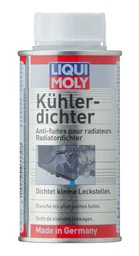
A well-maintained heating system is an investment that pays off in several ways: lower costs, greater reliability and the peace of mind that comes with improved safety. With the right maintenance and by knowing when to call a professional, you can ensure an efficient, long-lasting heat supply for your home. You can find the right accessories and useful power tools for your projects at Westfalia.
Frequently asked questions
- How often should I bleed my radiators?
- Bleed your radiators as needed, typically at the beginning of the heating season. If you hear gurgling or splashing sounds, or the top of the radiator stays cold, it is time to bleed it. In a well-maintained system, this is often only necessary once a year. If you need to do it more frequently, this may indicate an underlying problem.
- How much does professional heating system maintenance cost?
- The cost of a standard service by a qualified heating professional is usually between 150 and 250 euros. The price varies depending on the type of system, region and scope of the work. A maintenance contract can often reduce the cost slightly and ensures that you do not forget your annual service appointment.
- My heating is not getting properly warm, even though I have bled the radiators. What should I do?
- First, check the system water pressure and the thermostatic radiator valve. If both are in order, the valve may be stuck. If that does not help, there may be a problem with hydraulic balancing or the heating controls. A professional should investigate the cause.
- Is insulating heating pipes really effective?
- Yes, absolutely. A great deal of heat is lost through uninsulated pipes, especially in unheated areas such as basements or attics. Insulation is one of the most affordable and effective ways to save energy immediately. The investment often pays for itself within one or two heating seasons.
- Can I top up my heating system's water pressure myself?
- In principle, yes, provided you follow the manufacturer's instructions. Modern systems often require specially treated water and a backflow preventer to prevent drinking water contamination. If you are unsure, it is better to leave this task to a professional during the annual service.
You may also be interested in
- How does a heating system work? Home heating basics explained simply
- Heating system maintenance: costs, benefits and money-saving tips for your home
- Understanding your heating bill: How to save money effectively
- Heating system maintenance: Tips to prevent heat loss and cracks
- Reduce CO2 emissions from heating: Tips for greater efficiency
- Home heating systems: Comparing costs and efficiency