
In brief: Hedgehogs suffer from heat, drought and a lack of food in summer. You can help them with shallow bowls of water in shady spots and supplementary hedgehog food. Make your garden wildlife-friendly with places to hide and native plants. Avoid chemical pesticides, and check the area before mowing or turning compost.
Helping Hedgehogs in Summer: Garden Wildlife Tips
A healthy hedgehog is active at night and well nourished. Summer can change that. Heat and drought make life difficult for these insect-eaters, and their natural food becomes scarce. You can turn your garden into an oasis for these helpful animals.
With a few simple steps, you can provide hedgehogs with water, shelter and food. Avoid chemicals and let some areas of your garden grow wild. This helps hedgehogs and many other garden animals too.
Why do hedgehogs need extra help in summer?
Hedgehogs eat insects, worms and slugs. During a long dry spell, the ground becomes hard and earthworms retreat deep into the soil. The number of beetles and larvae falls, so hedgehogs have to search longer and use more energy.
They also need water. Natural puddles dry up, and dehydration becomes a serious danger. Young hedgehogs born in late summer have an especially difficult time because they need to build up fat reserves for winter.
Important note
Never feed hedgehogs milk. Hedgehogs are lactose intolerant, and milk can cause life-threatening diarrhea. Always provide fresh water. Special hedgehog food or wet cat food are good alternatives.
Modern gardens often offer too little shelter. Neatly trimmed lawns and bare flower beds are a desert for hedgehogs. They need places to hide during the day and undisturbed corners for sleeping and raising their young.
How can you provide hedgehogs with water in summer?
Place several shallow bowls around the garden. Ceramic or terracotta bowls are ideal because they keep the water slightly cooler. Make sure the bowl is stable so it cannot tip over.
Put the water bowl in a shady, quiet spot. A place near a hedge or under a bush is ideal. Change the water daily and clean the bowl regularly without chemical cleaners.
Pro tip
Place a flat stone in the water bowl. It gives insects a safe way to climb out and helps prevent them from drowning. For hedgehogs, the stone also serves as a step, making it easier for young hedgehogs to reach the water.
Deep containers such as buckets or rain barrels are deadly traps. Hedgehogs can fall in and drown, so always cover these containers securely. Before emptying kiddie pools or similar items, check that no animal is inside.
Choosing the right location for a water station
Hedgehogs are shy and avoid open, brightly lit areas. Don’t place the bowl in the middle of the lawn. Look for a spot along the edge of your garden. Cover on two sides helps hedgehogs feel safe.
It’s important to place the bowl near a potential hiding place. A pile of leaves, a bush or a hedgehog house nearby encourages hedgehogs to drink because they won’t feel exposed.
“In midsummer, water is often scarcer than food. A reliable water source can be vital to a hedgehog’s survival. It should be as natural as possible and checked daily.”
What should you feed hedgehogs during hot weather?
Supplementary feeding is controversial, but it can help during a prolonged drought. It should supplement natural foraging, not replace it. Put food out in the evening, when hedgehogs become active.
Choose protein-rich food. Special hedgehog food from specialist retailers is ideal. Alternatively, use high-quality wet cat food with a high meat content. Mix it with rolled oats or wheat bran.
Hard-boiled egg and plain scrambled egg are also good options. Offer only small portions, and remove leftovers the next morning so you don’t attract rats. Place the food beside the water bowl.
Additional advice
Encourage natural hedgehog food to thrive in your garden. A colorful wildflower meadow with native species attracts insects.
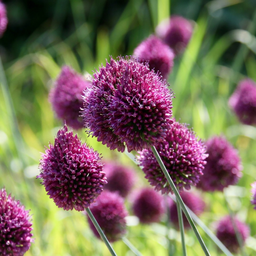
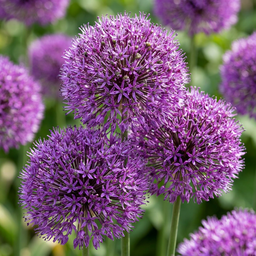
offers a simple solution. Purple drumstick allium and purple allium are excellent sources of food for bees and other insects.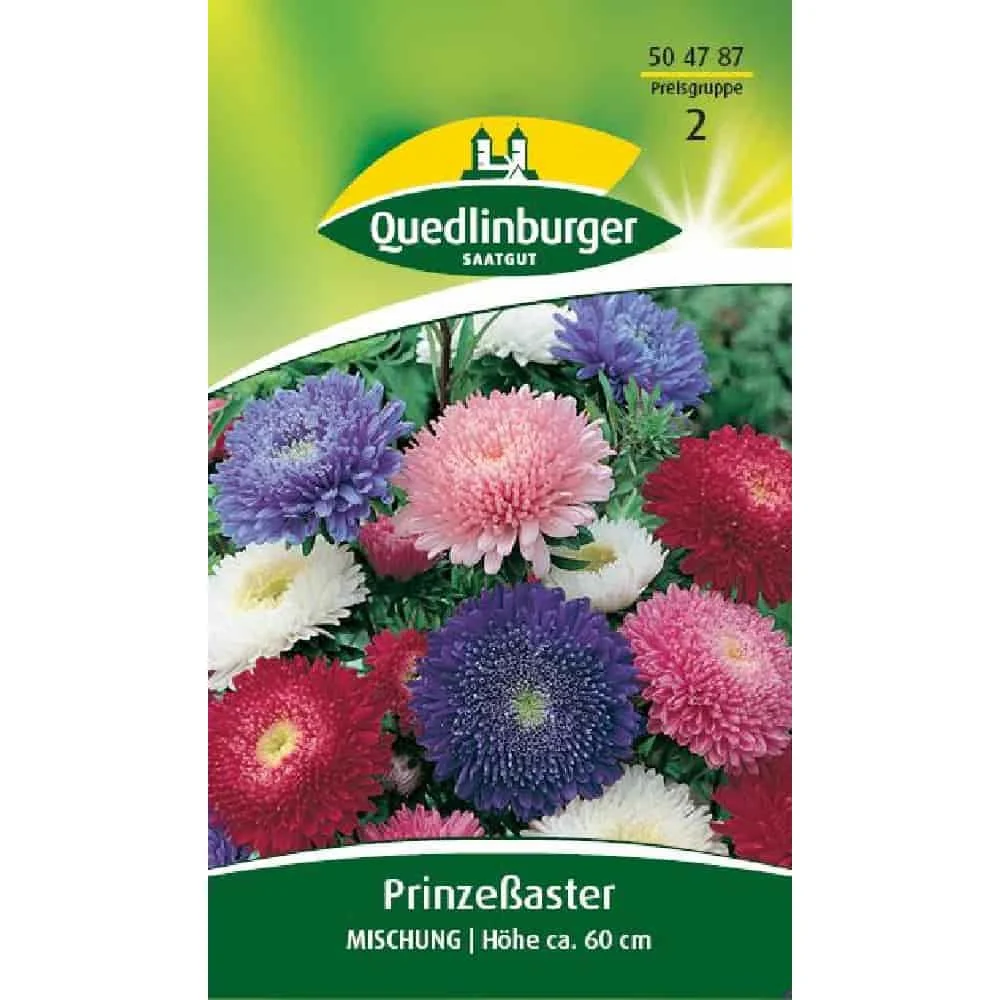
Food you must avoid
Milk and dairy products are strictly off-limits. Bread, seasoned leftovers and sweets can also harm hedgehogs. Their digestive system is adapted to protein-rich insect food, and other foods can lead to serious health problems.
Never feed hedgehogs directly from the can. Put the food on a clean plate or in a shallow bowl. Can edges are sharp and can injure hedgehogs. Avoid plastic bowls that can easily tip over.
How can you create a hedgehog-friendly summer garden?
A wildlife-friendly garden is one of the best ways to help hedgehogs. It provides food, water and shelter in one place. Mow less lawn and leave a few wild corners.
Simply leave piles of leaves and brushwood where they are. They make ideal daytime hiding places and nesting spots. A pile of hedge or tree clippings is all it takes. Place it in a quiet, lightly shaded spot.
„A garden for hedgehogs is not an untidy garden, but a living garden. A rich variety of structures is key. Hedges, wildflower areas and deadwood are the foundations of a safe hedgehog refuge.“
Plant native shrubs and perennials. They attract more insects than exotic ornamental plants. Natural garden design starts with choosing the right plants. Avoid chemical pesticides and insecticides. They poison the food chain.
Eliminate hazards in the summer garden
Check the area before mowing with a lawn mower or string trimmer. When threatened, hedgehogs curl up rather than run away. Young hedgehogs in particular are well camouflaged. Do not mow at dusk or at night.
Cover basement window wells, pits and swimming pools securely, or add ramps. Hedgehogs can fall in and may not be able to get out again. Pull fruit and vegetable netting taut so it does not become a trap.
Take care when turning the compost. Hedgehogs often use compost heaps as nests. Before turning it, carefully probe the pile with a garden fork to warn any occupants. It is better to leave the compost undisturbed during summer.
How can you tell if a hedgehog needs help?
A healthy hedgehog is nocturnal. If you find one out during the day, lying still and looking lethargic, this is a warning sign. A hedgehog in need of help may barely curl up or appear disoriented.
A visible indentation behind the head, known as the “hunger line”, is a sure sign that a hedgehog is underweight. A well-fed hedgehog has a pear-shaped body. Keep an eye out for young hedgehogs wandering alone in late summer.
A hedgehog with obvious injuries, a severe parasite infestation or persistent diarrhoea needs professional help. Handle it with gardening gloves. Place it in a high-sided cardboard box with air holes and a towel underneath.
Contact a hedgehog rescue centre or a vet experienced in wildlife immediately. Do not try to nurse the hedgehog back to health yourself. This is a job for experts with the right training and authorisation.
First aid where you found the hedgehog
Offer the weakened hedgehog water immediately. If it does not drink on its own, use a pipette or a syringe without a needle. Let the water drip into the side of its mouth. Do not force it.
Warm a chilled hedgehog slowly. Place a hot-water bottle wrapped in a towel under one half of the box. This lets the hedgehog crawl away if it gets too warm. Do not force-feed a weakened hedgehog.
Keep the hedgehog somewhere quiet and dark. Avoid noise and stress. Take it to a qualified wildlife rescue centre or vet. Make a note of the exact location where you found it. A rehabilitated hedgehog must later be returned to precisely the same place.
Long-term help: Your garden as a hedgehog habitat
Helping hedgehogs in summer is important. Better still, create a garden that offers shelter all year round. Plan for the long term and create routes into neighbouring gardens.
Hedgehogs travel several kilometres each night. They need connected habitats. A small 10x10 cm hole in the garden fence is enough. It creates a green corridor that many animals can use.
Plant a hedge made from native species such as hornbeam, hawthorn or hazel. It provides food, shelter and a protected route. Combine it with a species-rich perennial border.
A garden pond with a shallow bank provides drinking water for wildlife. Make the edge gently sloping or add a gravel ramp. This lets hedgehogs and other animals drink safely without drowning. Do not stock the pond with fish that eat amphibians.
Hedgehogs are fascinating visitors. With little effort, you can turn your garden into a safe haven and support nature right on your doorstep. These spiky garden visitors will reward you with a healthy ecosystem.
Frequently Asked Questions
- What do hedgehogs eat in summer?
- Hedgehogs are insectivores. Their natural summer diet includes beetles, larvae, caterpillars, slugs and earthworms. They find less food during dry spells. You can supplement their diet with specialist hedgehog food, wet cat food or plain scrambled egg. Milk is harmful and causes diarrhoea.
- How can I provide water for hedgehogs in summer?
- Place several shallow, stable bowls of fresh water around the garden. Choose quiet, shaded spots near hedges or shrubs. Clean the bowls daily. A flat stone in the bowl helps insects climb out and prevents them from drowning. Deep containers are dangerous.
- Can hedgehogs drink milk in summer?
- No. Hedgehogs cannot digest milk sugar (lactose). Milk causes severe diarrhoea, which can lead to death from dehydration. Always provide fresh water only. The myth of the saucer of milk is life-threatening for hedgehogs.
- How can I create hiding places for hedgehogs?
- Leave piles of leaves and brushwood in a corner of the garden. Hedgehogs find shelter under shrubs and hedges, or in a wildlife-friendly area with wildflowers. Wooden hedgehog houses or piles of stones with gaps make ideal daytime hiding places. Avoid mowing too closely.
- When do hedgehogs need help from people in summer?
- A hedgehog needs immediate help if it is lying around during the day, appears lethargic, is emaciated (with an indentation behind the head) or barely curls up. Contact a hedgehog rescue centre or a vet. Healthy adult hedgehogs are nocturnal and look well nourished.
You may also be interested in
- Hedgehogs in the garden: how to protect and help them in fall and winter
- Caring for your garden in summer heat: how to water and mow correctly
- Squirrels in winter: how to help them survive in your garden
- Hidden helpers: beneficial animals in your garden
- Bumblebees in the garden: how to support and protect these busy pollinators
- Feeding birds in your garden: what to do all year round