
In brief: A garden hibiscus often does not leaf out until May. Check the branches with the scratch test: green tissue means the plant is alive. Cut dry, brown shoots back to healthy wood. If all the branches remain brown, inspect the root ball for frost damage and waterlogging. Water moderately and only fertilise once new growth is visible.
The garden hibiscus (Hibiscus syriacus) is one of the shrubs that requires patience in spring. While forsythias, roses and many perennials are already showing leaves, its branches often still look bare. That alone does not mean the plant has died.
The question “Why is my hibiscus not leafing out?” can be answered with a few simple checks. Green tissue, flexible branches and a healthy root area are the key signs. Take targeted action instead of watering the shrub every day or removing it prematurely.
Why does hibiscus leaf out so late?
The garden hibiscus is deciduous. In autumn, it loses its leaves and moves its resources back into the roots. In spring, it waits to produce new growth until the soil and air are warm enough.
In mild regions, the first leaves often appear in April or May. If the shrub is on a windy side of the house, in partial shade or in a cold hollow, leafing out may be delayed until the end of May. In higher elevations or areas particularly prone to frost, it can take even longer.
So do not compare your hibiscus only with plants growing nearby. A sunny shrub beside a warm wall will leaf out earlier than one growing in an exposed lawn. Age also matters: young, newly planted shrubs are more sensitive to cold nights and dry soil.
Distinguishing garden hibiscus from indoor hibiscus
This article focuses on the hardy garden hibiscus Hibiscus syriacus. The tropical indoor or container hibiscus Hibiscus rosa-sinensis needs considerably more warmth and responds to low light, cold draughts or a change of location by dropping its leaves.
Garden hibiscus branches remain bare in winter, but the plant keeps its buds on the wood. Flowers develop on the current year's growth. This means the shrub can still flower abundantly in summer despite getting off to a late start.
Garden hibiscus leafs out late and flowers on the current year's wood.
How can you tell if your hibiscus is still alive?
Begin with a quick inspection before pruning or fertilising. Check several branches, as frost can damage individual shoot tips while the lower sections remain healthy.
The scratch test reveals live wood
Carefully scratch the bark of a thin branch with your fingernail. Beneath the outer bark, a live shoot will have greenish, slightly moist tissue. If the area dries out immediately and everything underneath remains brown, that section has died.
Test the tip first, then work your way gradually towards the base. For thicker branches, use a clean, sharp knife or pair of pruning shears. Check at least three shoots on different sides of the shrub.
Recognising other signs of life
- Flexible branches: A live shoot bends easily. Dead wood breaks dry and brittle.
- Firm buds: Small, closed buds may still develop. Black, sunken buds are more likely to indicate frost damage.
- Healthy trunk base: The bark at the base of the trunk is firmly attached and shows no deep cracks or ring-shaped damage.
- Unremarkable soil: A musty smell, constantly wet soil or visible rot point to a root problem.
A green shoot at the base is a good sign. This means the rootstock is still alive, even if the upper branches have died. Remove only the dead parts and give the plant time to produce new shoots from the base.
Pro tip
When carrying out the scratch test, mark the healthy areas with a small piece of garden tape. This will help you see exactly where the live wood begins when pruning later, so you do not accidentally cut back too far.
What can prevent a hibiscus from leafing out?
When a hibiscus fails to put out new growth, frost, water stress or damaged roots are usually to blame. Several causes often occur together. For example, a frost-damaged shrub will suffer further if its root ball remains dry in spring.
Frost and late frost
Young garden hibiscus plants are sensitive to severe winter frost. Plants planted in fall are particularly at risk because they have not yet developed an extensive root system. Even a mild winter can end badly if early new growth is hit by a late frost.
Frost often damages the outer shoot tips first. The bark turns dark, buds shrivel and the branch later appears lifeless. If the deeper parts remain green, the hibiscus may produce new growth from dormant buds or the root area.
Drought in winter and spring
Leafless woody plants need less water, but they still need some water. Evergreen neighboring plants, wind and sunny winter days dry out the soil. Frozen ground also prevents the roots from absorbing water.
Newly planted hibiscus plants have only a small root zone. If it dries out, the buds remain closed or the shrub leafs out very late. Check the soil below the surface rather than relying on the moisture in the top few centimeters.
Waterlogging and root rot
A permanently wet site prevents new growth just as much as drought does. In compacted clay soil, the roots lack oxygen. Water collects around the base of the trunk, fine roots die and the plant can barely absorb nutrients.
Typical signs include soft roots, a foul smell, yellowish-brown bark on the lower trunk and soil that remains wet even after several dry days. A downspout that drains directly onto the bed often causes unnoticed waterlogging.
Too little light and cold soil
Garden hibiscus blooms best in a warm, sunny location. In deep shade, the soil warms up slowly and the shrub produces fewer strong shoots. A cold location delays new growth without necessarily meaning that the plant is diseased.
A thick, wet layer of mulch directly around the trunk also keeps the soil cold for a long time. Spread mulch only over the root zone and leave a few centimeters clear around the trunk.
Incorrect pruning and over-fertilizing
Hard pruning in early spring is generally possible for garden hibiscus because it blooms on new wood. However, do not cut back all the branches blindly until you have checked the condition of the plant. Otherwise, healthy buds that are slow to break could be lost.
Adding more fertilizer will not solve the problem. Highly concentrated nitrogen in particular can damage the roots and later cause soft shoots that are sensitive to frost. Fertilize only once the plant is visibly growing.
Pests and diseases
Aphids, spider mites and other pests usually appear only after young leaves emerge. They therefore rarely explain a complete lack of new growth. Nevertheless, check the buds and shoot tips for sticky residue, webs or deformed areas.
Black shoots, sunken areas of bark and a rotten base of the trunk are more likely signs of frost damage or fungal disease. Cut back affected wood with clean tools and do not put it in the compost.
Important note
Do not water a leafless hibiscus every day or fertilize it without first identifying the cause. Check the soil moisture and roots first. Waterlogging or concentrated fertilizer can worsen an already damaged root system.
What can you do now to help your hibiscus start growing?
Proceed step by step. You are more likely to save the plant if you narrow down the cause and then leave the shrub undisturbed for a few weeks.
- Consider the location and timing: If it is only April or early May, late growth may still be normal. Note the date and compare the plant with hibiscus growing in similar locations.
- Check several branches: Carry out the scratch test at the tips, in the middle and near the base. A single green section is enough to show that the plant is still alive.
- Check the soil: Push a finger or narrow planting trowel about ten centimetres into the soil. If the soil is dry, water it slowly and thoroughly. If it is wet and heavy, wait before watering again.
- Remove dead wood: Cut dry branches back to just above a green section or healthy bud. Use clean, sharp shears from the garden tools range.
- Protect the root area: A loose layer of mulch made from bark humus or leaves helps keep moisture more even. Keep the trunk clear and avoid a thick, permanently wet covering.
- Be patient: Check the plant again after two to three weeks. In colder regions, new growth may not appear until early June.
When watering, depth matters more than frequency. A short daily drink barely reaches the lower roots. Thorough watering at longer intervals encourages a deeper root system and prevents the surface from staying permanently wet.
For new plantings or very dry beds, you can find suitable solutions in the garden irrigation range. Use a watering ring or a slow-watering system so that the water does not run away from the root ball.
Additional tip
Take a photo of the hibiscus today and another one in two weeks. Comparing them directly can reveal small changes in the buds that are easy to miss in everyday life. This helps you avoid pruning the plant unnecessarily out of impatience.
What is the right way to care for hibiscus after it starts to leaf out?
As soon as new leaves appear, the real recovery begins. The shrub now needs consistent conditions, but no intensive treatment. New shoots are sensitive to sudden dryness, waterlogging and late frosty nights.
A sunny, sheltered location
Choose a warm spot with several hours of sunshine for your garden hibiscus. A house wall or a sheltered side of the property provides additional protection from the cold. The shrub will also grow in light partial shade, but it usually produces fewer flowers and starts growing more slowly.
The soil should be rich in humus, loose and well drained. Avoid compacting the planting site by walking on it frequently. If the soil is heavy, improve its structure with mature compost and coarse organic material rather than creating a deep hole that stays permanently wet.
Watering correctly
Newly planted hibiscus plants need regular checks during their first and often their second summer. Water as soon as the top layer of soil has dried out, and thoroughly moisten the entire root area. Established shrubs tolerate short periods of drought better, but flower less profusely during prolonged dry spells.
Water in the morning or early evening, directing the water onto the soil. Wet leaves cool down more slowly on cold nights and can encourage fungal problems when growth is dense. A loose layer of mulch reduces evaporation, but it does not replace checking the soil.
Fertilise moderately
If the hibiscus has strong leaves and new shoots, one application of mature compost or a slow-release fertiliser for flowering shrubs in spring is sufficient. Follow the dosage instructions on the packaging. More fertiliser does not automatically mean more flowers.
Do not apply highly nitrogenous fertiliser in late summer. The shoots need to mature before winter. A suitable choice for fertilising in the garden supports the plant's nutrient supply when used carefully and sparingly.
Prune correctly
The best time for regular pruning is late winter or early spring, before new growth gets fully underway. Remove dead, inward-growing and crossing branches. You can moderately shorten shoots from the previous year that have grown too long.
When rejuvenating an established shrub, do not remove all the strong branches in a single year. Spread the work over several years. Clean your secateurs after cutting diseased branches, and do not treat large pruning cuts with thick wound sealants.
Hibiscus syriacus thrives in full sun and in well-drained, evenly moist soil.
When Is Replacing a Hibiscus Better Than Trying to Save It?
Replacing the plant is only advisable once the diagnosis is clear. If every checked stem is brown right down to the base, no fresh buds are visible and the roots smell rotten, the shrub has little chance of recovering. In a cold region, however, wait until the end of May or the beginning of June before removing it.
Healthy, light-coloured or cream-coloured roots, on the other hand, indicate that the plant can be saved. Cut back dead stems, loosen the soil carefully and improve drainage. If the root ball is severely damaged, move the hibiscus to a new, well-drained location.
How to Plant a New Garden Hibiscus Correctly
Dig a planting hole about twice as wide as the root ball. Plant the shrub at the same depth as it was in the pot. Firm the soil down only lightly, water thoroughly and keep the base of the stem free from mulch.
If you want to replace a dead shrub, these garden hibiscus products may be suitable:
- Garden hibiscus (Hibiscus syriacus) as a winter-hardy flowering shrub:
- Garden hibiscus (Hibiscus syriacus) for a sunny new location:
- Garden hibiscus (Hibiscus syriacus) to complement a flowering hedge:
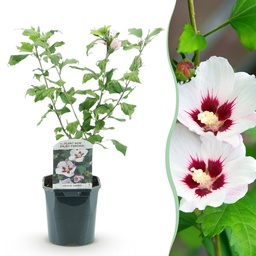
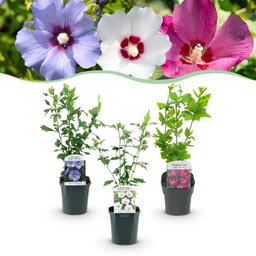
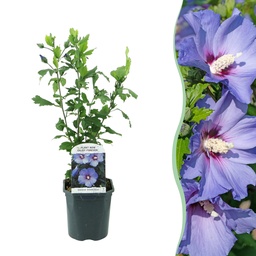
For planters, mulch and other useful supplies, take a look at the Garden + Plant Accessories section. You can also find a suitable selection for the new location in Garden + Outdoor.
Late growth is often perfectly normal for garden hibiscus. First check the wood, then the soil moisture and finally the root area. With a clean cut, consistent watering and a warm location, a living shrub usually gets the time it needs to produce new growth.
Frequently Asked Questions
- Does garden hibiscus leaf out late every year?
- Yes. Garden hibiscus often does not leaf out until May, and even later in colder areas. Nevertheless, check the branches using the scratch test. Green, slightly moist tissue indicates that the plant is alive. If all shoots are dry and brown and the buds remain dormant, look for frost, drought or root damage.
- How can I tell if my hibiscus has been damaged by frost?
- Carefully scratch the bark of a young branch with your fingernail. Living wood beneath the bark is greenish and slightly moist, while dead wood is brown and dry. Test several shoots down to the base. Only when all the scratched areas remain brown is there a strong indication that the shrub has died.
- Should I prune a hibiscus that is not producing new growth?
- At first, cut back only clearly dead tips as far as the green wood. Hard pruning before new growth appears makes it harder to assess the plant and may remove dormant buds. In cold areas, wait until the end of May or early June. By then, it is easier to see which shoots are still capable of producing new growth.
- How often should I water a leafless hibiscus?
- A leafless garden hibiscus does not automatically need more water. Check the soil at a depth of 10 centimetres. If it is dry, water slowly and thoroughly; if it is wet, wait. Waterlogging damages the roots and can make the lack of new growth worse.
- When does a hibiscus need fertiliser?
- Only fertilise once new buds or leaves begin to appear. Compost or a slow-release fertiliser for flowering shrubs is sufficient in spring. Heavy applications of nitrogen and late fertilising encourage soft growth, delay ripening and unnecessarily increase frost sensitivity in the following winter.
You might also be interested in
- How to get rid of aphids on hibiscus using home remedies
- Hydrangeas not blooming: Common causes and solutions
- Wisteria not blooming: Causes and solutions
- African violet not blooming? Tips for beautiful flowers
- Tomatoes not flowering? Causes and solutions for a plentiful harvest
- My lawn is not growing: The 7 most common mistakes and their solutions