
In brief: Consistent care helps wood last longer. Start with proper preparation: clean the surface thoroughly and sand weathered wood. Then apply a suitable protective treatment—decking oil for decks and wood stain for fences. Regular inspections and reapplication every one to two years help prevent serious damage. This keeps your wood looking beautiful and staying strong for years to come.
How to Care for Wood and Keep It Beautiful Longer
Wood adds warmth and a natural feel to garden decks, fences, and furniture. But exposure to the elements takes its toll. With proper preparation and regular care, you can preserve the durability and beauty of your wood. This guide covers cleaning, repairs, and protection.
How do I prepare wood properly before treating it?
A clean, properly prepared surface is the foundation of successful wood care. If you treat dirty or damp wood, the new finish may not adhere properly. Start by cleaning the surface thoroughly.
Brush away loose dirt, leaves, and soil. For stubborn grime, moss, or weathering, use a wood cleaner made for the job. These products gently loosen organic buildup. Then rinse the wood thoroughly with clean water.
Expert tip
Always test cleaners and wood care products on a hidden spot first. This lets you check that the product works as expected without discoloring the wood.
After cleaning, let the wood dry completely. Depending on the weather and type of wood, this can take several days. Only dry wood will absorb oils and stains properly. Moisture trapped in the wood can lead to rot.
The right tools for restoring wood
You’ll need the right tools to prepare the surface. A basic set is handy for small repairs. For old, weathered finishes, sanding is an essential step.
Use a belt sander or random orbital sander for large areas. Sand corners and edges by hand or with a detail sander. Start with coarse-grit sandpaper to remove old paint and finish, then switch to a finer grit for a smooth surface.
“Remove all sanding dust when you’re done. Use a vacuum and wipe the surface with a slightly damp cloth. Even a small amount of dust can keep the new finish from adhering properly.”
After sanding, remove all the dust. A vacuum with a brush attachment works well. Finish by wiping the surface with a tack cloth to pick up any remaining dust.
What wood repairs should I make before treating it?
Repair any damage before applying a protective finish. Inspect the wood carefully for cracks, splinters, loose knots, and rot. Fill small cracks and holes with wood filler.
Choose a water-resistant filler for outdoor use. Press it into the gap with a putty knife. Once it has hardened, sand the area flush with the surrounding surface. For larger areas of damage, such as rotten sections, cut out and replace the affected wood.
Important note
Check the condition of load-bearing wood, such as deck boards and fence posts. Deep rot in load-bearing beams is a safety risk. Have a professional assess the damage in these cases.
Tighten or replace loose screws and nails. Use rust-resistant fasteners, such as stainless steel screws, outdoors to prevent unsightly rust stains on the wood. They’re essential for garden projects.
Special case: repairing a wooden deck
Deck boards get a lot of wear. Check the substructure regularly for moisture damage, and replace rotten support joists right away. If your deck boards have faded or turned gray, thorough sanding can often restore their original color.
Small cracks caused by the wood shrinking are normal and don’t need to be filled. They don’t affect the wood’s strength. Still, make sure water can’t collect in the cracks. Regular cleaning helps.
How do I protect wood from the weather long term?
Once the wood is prepared, it’s time to protect it. Choosing the right product is key to helping it last. Wood treatments generally fall into two categories: oils and film-forming finishes.
Wood oils such as
penetrate deep into the wood fibers. They protect the wood from within while allowing it to breathe. Oils bring out the natural grain and provide good moisture protection, but they need to be reapplied more often than stains.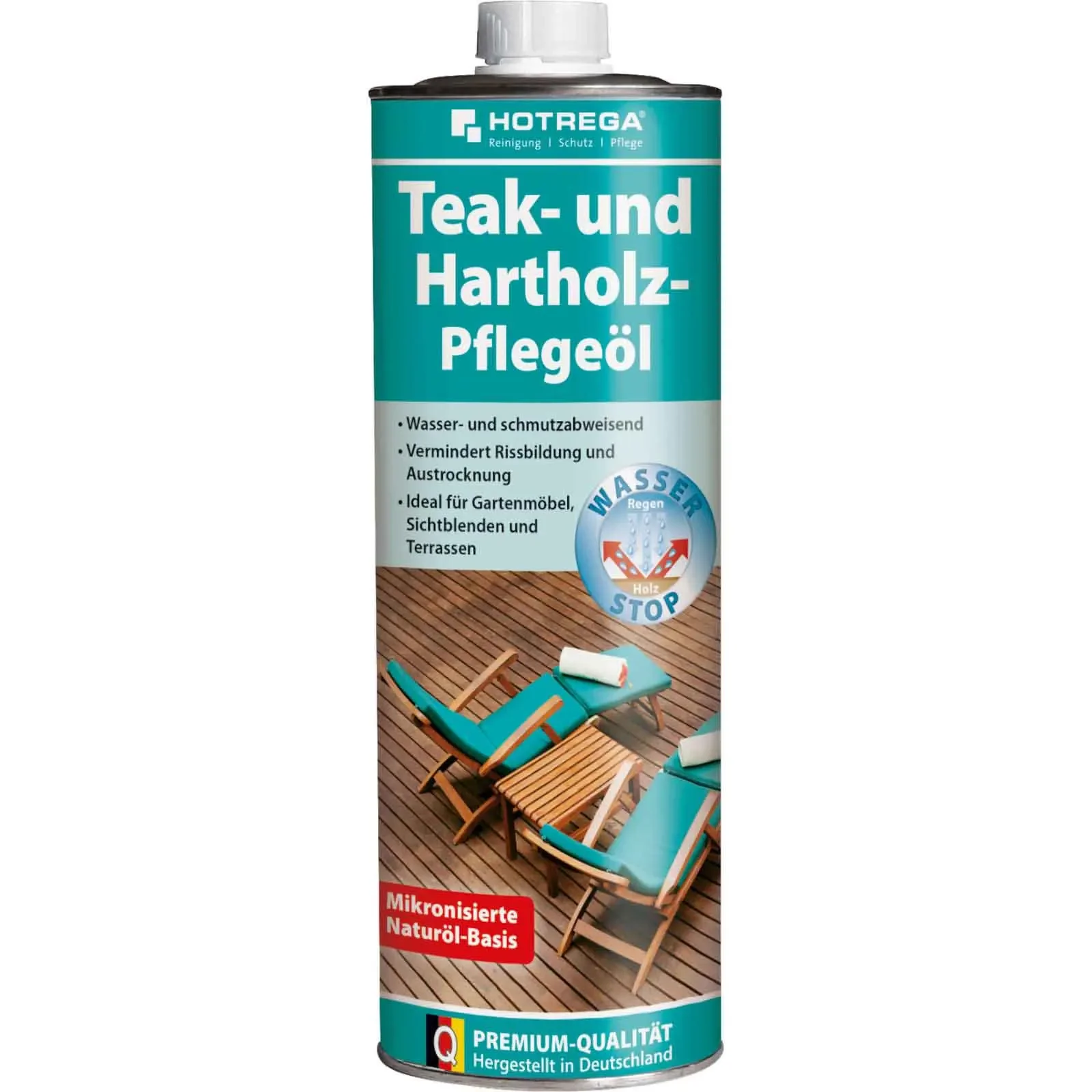
Heavy-duty wood stains form a flexible layer over the wood. They protect against UV rays, helping slow down graying. Stains come in many colors and hide uneven areas better than oils, but they can peel over time.
“For high-traffic areas like decks, I recommend a dedicated decking oil. It contains more pigments and binders than a basic wood care oil, creating a tougher finish that stands up better to foot traffic and standing water.”
Hardwax oils offer benefits of both types of finish. They soak into the wood and create a water-repellent surface. They’re ideal for garden furniture and play equipment. For children’s toys, choose a specially formulated, non-toxic product.
How to apply wood treatments
Apply oils and stains evenly in thin coats. Use a brush, roller, or spray attachment, and always work in the direction of the grain. This helps prevent streaks and uneven absorption.
Pay special attention to the end grain on boards and beams, where moisture can get in most easily. Apply a generous coat to these areas. Let the product soak in and dry according to the manufacturer’s instructions. A second coat provides significantly better protection.
Additional advice
Plan your wood care for dry, mild weather. Temperatures between 10 and 25 degrees Celsius are ideal. Direct sunlight on freshly treated wood can cause unsightly blisters. Work in the shade or later in the afternoon.
How do I care for wood after staining?
Applying a protective coating is only the first step. Regular maintenance can extend the time between major refinishing projects. The easiest way to care for wood is to clean it regularly.
Sweep your wood deck or furniture every week. Remove leaves and dirt right away because they trap moisture and can damage the surface. When watering the garden, make sure the wood does not stay wet for long periods.
Give the wood a thorough cleaning once a year with a mild wood cleaner. Check the protective coating at the same time. The water drop test is a useful way to check it: if water beads on the surface, the protection is still working. If the wood absorbs the water, it is time to reapply the coating.
Annual checklist
- Clean: Thoroughly clean the wood with a suitable cleaner.
- Check adhesion: Is the old coating peeling? If so, remove it.
- Look for damage: Are there any new cracks, splinters or discoloration?
- Test the protection: Try the water drop test.
- Reapply: Apply a fresh coat of the care product if needed.
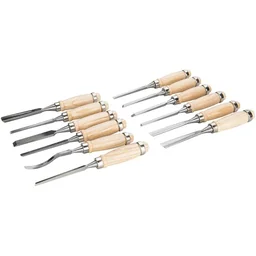
For spot repairs, keep some of your care product on hand. That way, you can treat weathered areas right away before the damage spreads. For tool maintenance, we also offer useful sets such as the
or .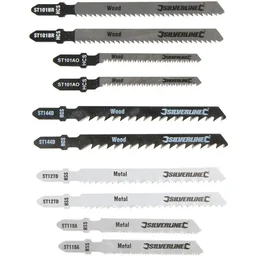
Which wood is best for outdoor use?
Some types of wood stand up to the weather better than others. Your choice of wood has a big impact on how much maintenance it needs. Softwoods such as pine and spruce are affordable, but need more protection.
To protect softwoods from moisture and fungal decay, you need to apply stain or oil regularly. Hardwood such as larch or Douglas fir is naturally more durable. Its natural resins and oils provide some protection.
Tropical hardwoods such as Bangkirai and teak are extremely durable. They can last for years without treatment, but will turn gray over time. To keep their golden-brown color, oil these woods regularly. Every type of wood benefits from basic cleaning and maintenance.
Whatever type of wood you choose, proper preparation, the right protective coating and regular maintenance are key to making it last. Put in the time, and your wood will reward you with lasting beauty and enjoyment.
Frequently asked questions
- How often should I treat outdoor wood?
- It depends on the product and how exposed the wood is to the elements. Thin-layer stains often need to be reapplied after 1-2 years. Hard oils and thick-bodied stains typically last 2-3 years. Check the surface regularly: if water no longer beads on it, it is time to reapply the treatment. Strong sun exposure can shorten the protection period.
- Can I repair rotten wood?
- Yes, if the rot is only superficial. Cut away all the rotten wood with a knife, then fill the cavity with a special wood repair epoxy resin. Once it has hardened, sand the area smooth. If a load-bearing beam is affected or the rot is deep, consult a professional because the wood's structural integrity may be at risk.
- Should I use oil or stain on my wood deck?
- Oil penetrates deep into the wood, enhances the grain and lets the wood breathe. It protects against moisture from within, but offers less UV protection. Stain forms a thin film on the surface, adds color and protects against UV rays, and often lasts longer. Special deck oils are a good choice for heavily used deck surfaces.
- Do I need to sand old wood before painting it?
- Yes, sanding is essential in most cases. Remove all loose or peeling coatings. Sanding opens up the wood surface so the new protective treatment can penetrate properly. It also creates a clean, even base. If an old coating is intact and firmly attached, thorough scuff sanding may be enough.
- What is the best way to clean a wood deck?
- Start by sweeping away loose dirt. For light soiling, warm water and a stiff brush are often enough. Use a specialized wood cleaner to remove algae, moss and gray discoloration. Rinse the cleaner off thoroughly and let the wood dry completely before applying a new treatment.
You may also be interested in
- How to apply wood stain: Protect and care for outdoor wood
- How to paint wood: A step-by-step guide to a smooth finish
- Wood house maintenance: Protect your home for years to come
- WPC decking: Benefits and care tips for your deck
- How to paint a garden shed for lasting protection
- How to build a wooden privacy screen: Instructions and ideas