
In brief: Successful home butchering requires the right tools for every step. In our test, professional knives, saws and accessories stand out. Sharp blades for clean cuts, durable materials for good hygiene and ergonomic handles for safe work are key. Our comparison helps you find the right products for your needs.
Butchering your own animals at home is a traditional step towards greater self-sufficiency. It gives you full transparency about the meat’s origin and quality. However, success depends largely on having the right tools. Our 2026 test and comparison assesses the essential products for clean, safe and efficient butchering on your farm.
Contents
What basic equipment do I need for home butchering?
Before you start, lay out all the tools you’ll need. An incomplete set can lead to interruptions and hygiene problems. The essentials are sharp cutting tools for different tasks and containers for storing meat hygienically.
Plan for the finishing work, too. This includes removing bristles or feathers and cutting the meat into portions. An organized workflow is crucial for meat quality.
Tip: Keep a clean cloth and a sharpening stone close at hand. You can sharpen your knives quickly during work as needed and always use optimally sharp blades.
Knives tested: boning and skinning knives
Knives are the centerpiece of butchering. They need to be extremely sharp, durable and comfortable to use. We compared different types.
Boning knives for precise work
A good boning knife separates meat from bones and sinew with precision. Blade length is key. Shorter blades around 13 cm, such as the
, offer more control for detailed work.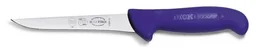
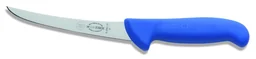
Longer or flexible blades are better suited to larger animals. The
with its flexible 15 cm blade follows contours more closely and makes it easier to remove cuts of meat. For tougher, heavier cuts, the with its rigid blade is a good alternative.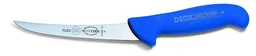
Skinning knives for clean hides
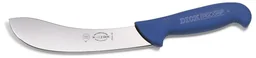
A skinning knife has a specialized, often slightly curved blade. It glides between the hide and the layer of meat without damaging the hide or leaving meat behind on it. A classic option is the skinning knife with an 18 cm blade (
).
Important: Always use separate knives for skinning and boning. This helps prevent cross-contamination and keeps the blades sharp longer, since each knife is designed for a specific task.
Bone saws and game shears compared
Knives aren’t suitable for cutting bone. That’s where specialized saws and shears come in.
The bone saw for large animals
A sturdy bone saw such as the
with a 50 cm blade cleanly cuts through vertebrae and ribs. Look for an ergonomic handle, as this task takes considerable force. The blade should be made of high-quality stainless steel.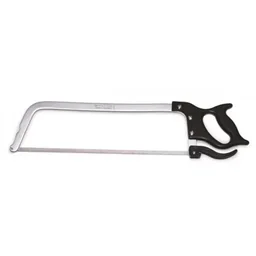
Game shears for poultry and game
For smaller animals such as poultry, or for cutting up game, a sturdy pair of game shears is handy. The offset version (
) provides more leverage for joints and thinner bones. It’s a useful addition to a large bone saw.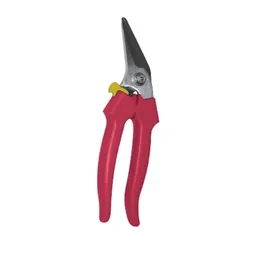
Accessories and Hygiene: Meat Containers and Scalding Pitch
Good hygiene is essential when it comes to home butchering. The right accessories help protect your health and preserve meat quality.
Hygienic Meat Storage with Meat Containers
The
, a Euro meat container measuring 60x40x20 cm, is a must-have. Made from food-safe material, it is easy to clean and stack. This helps keep the meat clean and protected from contamination at every stage of the process.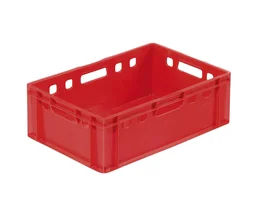
Scalding Pitch for Removing Bristles
When slaughtering pigs, scalding pitch (
) is a traditional aid. Mix it with hot water and apply it to the animal's side after slaughter. The pitch binds the bristles, making them easy to remove. It is an effective way to clean the skin thoroughly.
Note: Check the legal requirements for home slaughter in your region before you begin. They often cover the location, stunning methods and veterinary inspections. The right equipment is just one part of responsible slaughter.
Buying Guide: How to Choose the Right Equipment
When buying butchering tools, consider several factors. The most expensive product is not necessarily the best choice for your needs.
Material and workmanship: High-quality stainless steel stays sharp longer and resists corrosion. Look for sturdy, non-slip handles that provide a secure grip, even with wet hands.
Intended use and animal type: The size and type of animal determine which tools you need. A smaller set may be enough for occasional butchering of small animals. If you regularly butcher cattle or pigs, it is worth investing in professional, hard-wearing tools.
Also consider the general equipment on your farm. Your butchering tools should suit your overall setup.
Staying Safe When Butchering at Home
Safety comes first. Work with steady, focused movements. Wear a sturdy apron and a cut-resistant glove on your non-dominant hand.
Always point blades away from your body. Keep your work surface clean, tidy and well lit. Fatigue can lead to accidents, so take regular breaks during larger projects.
Best Products Compared
Here are the highest-rated home butchering products in our range, compared at a glance:
| Model | Customer rating | Availability |
|---|---|---|
| Euro meat container E2 60x40x20 red 🏆 Test winner | ★ 4,7 (3) | In stock |
| Skinning knife, 18 cm | – | Currently unavailable |
| Bone saw 50 cm | – | Currently unavailable |
| Boning knife, 13 cm | – | Currently unavailable |
| Boning knife, 15 cm - flexible blade | – | Currently unavailable |
Frequently Asked Questions
- What basic equipment do I need for home butchering?
- You need a sharp boning knife to separate meat and tendons, a sturdy bone saw for larger bones, a skinning knife to remove the hide, a hygienic meat container for storage and, if needed, scalding pitch to remove bristles from pigs. You can round out your basic kit with poultry or game shears.
- How important is knife sharpness when butchering at home?
- It is essential. Only very sharp knives make precise, clean cuts. Blunt blades need more force, are more likely to slip and increase the risk of accidents. They can also crush the meat, affecting its quality and shelf life. Sharpen your tools thoroughly before each use.
- How can I maintain good hygiene when butchering?
- Hygiene is a top priority. Work on clean surfaces that are easy to disinfect. Use only food-safe accessories, such as the Euro meat container. Clean all tools with hot water immediately after use and rinse them thoroughly. Keep work areas separate for each stage of butchering.
- Can I use regular kitchen knives for butchering?
- We strongly advise against it. Kitchen knives are designed for different tasks. Specialist home butchering knives have the blade shape, length and strength needed for powerful, precise cuts through tendons and meat. They also offer a better grip and greater safety, which is crucial for this demanding work.
- What is the biggest mistake people make when butchering an animal at home for the first time?
- The most common mistakes are poor preparation and using unsuitable tools. Plan the process carefully, keep the meat consistently chilled and provide a calm, low-stress environment for the animal. Invest in a few high-quality specialist tools: they can make the difference between a good result and a disappointing one.
You may also be interested in
- Hunting Tools Review & Comparison 2026: The Best Tools for Hunters
- Work Knives Review & Comparison 2026: The Best Models Reviewed
- Sheep Shears Review & Comparison 2026
- Agricultural Equipment Review & Comparison 2026
- Electric Fence Energizers Review & Comparison 2026
- Compact Farm Loaders Review & Comparison 2026: The Best Models Reviewed