
In brief: Effective home security combines mechanical barriers with electronic solutions. The test shows that high-quality lock cylinders and additional locking systems form the basis of good protection. For comprehensive security, combine these with surveillance technology and visible deterrents. The right choice depends largely on your building and individual risk.
Home Security Test & Comparison 2026: Best Systems Reviewed
Do you want to protect your home effectively against burglary? Our latest test and comparison for 2026 shows which mechanical and electronic solutions really deliver on their promises. We examined various types of security products and provide you with clear buying advice.
Contents
- What types of home security are available?
- How do we test the security systems?
- The most important buying criteria at a glance
- Test results for the best home security products
- How do I install home security correctly?
- Combine mechanical and electronic security
- FAQ: Frequently asked questions about home security
What types of home security are available?
Home security can generally be divided into two main categories: mechanical and electronic security. Both have their place and complement each other perfectly.
Mechanical security
These are physical barriers. They include all types of locks, bolts, fittings and reinforcements for doors and windows. Their purpose is to make an intruder spend as much time and effort as possible. Security doors complying with DIN EN 1627 are the standard here. Special window handles and mushroom-headed locking bolts also increase resistance.
Electronic security
These systems actively detect or prevent a break-in. They include alarm systems with motion detectors and window and door contacts. Security cameras, smart lighting with presence simulation and video door intercoms also fall into this category. Their main advantages are their deterrent effect and the option of remote monitoring.
Tip: Use a combination of both approaches. A mechanically secured door delays the intruder, while an alarm system drives them away and alerts you.
How do we test the security systems?
Our comparison is based on practical criteria and recognised standards. We assess not only the manufacturer’s specifications, but also how easy the products are to use in everyday life.
For mechanical security products such as locks, resistance time against drilling, snapping or pulling is crucial. We consider the materials used, build quality and available certifications. For electronic systems, we test sensor reliability, siren volume, app usability and battery life.
We pay particular attention to simple and secure installation. After all, protection that has been installed incorrectly offers very little security.
The most important buying criteria at a glance
Before choosing a product, you should consider these points.
- Weak-point analysis: First check which access points, such as doors, windows and basement light wells, are particularly vulnerable.
- Standards and certifications: Look for test marks such as “burglary-resistant” according to DIN EN 1627-1630 or VdS certifications for alarm systems.
- Compatibility: Will the new lock fit your existing door? Can the electronic components communicate with one another?
- Maintenance and reliability: Mechanical parts should be rust-resistant and durable. Electronic systems require a stable power supply and regular updates.
- Deterrent effect: Visible elements such as flashing lights, external sirens or dummy cameras can deter burglars before they attempt to break in.
Important: Cheap products without a recognised standard or identifiable manufacturer often provide only a false sense of security. It is better to invest in a few high-quality components for the most critical points.
Test Results of the Best Home Security Products
Our hands-on test reveals clear differences between the available solutions. Here you will find a selection of tested products from the Westfalia range.
High-Quality Door Lock Cylinders Tested
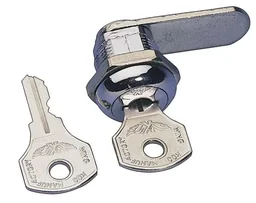
The lock cylinder is the heart of every door security system. A weak cylinder can make even the most stable door insecure. One tested product is the . This cylinder-and-lever-lock combination impressed us with its solid workmanship and robust housing. Thanks to the clear instructions, installation is also manageable for DIY enthusiasts.
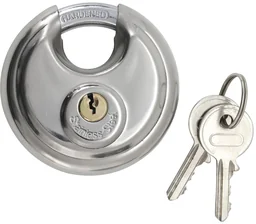
When a permanent lock is not possible, a portable lock can be a practical solution. One example is the , a robust round padlock. In our test, it was easy to use and provided solid basic protection for sheds, bike boxes or as additional security for garden gates.
Electronic Deterrence and Monitoring
A full alarm system is not always necessary. Sometimes, the illusion that someone is home is enough. The (TV SIMULATOR) mimics the flickering glow of a television. Our test showed that this simple and affordable method can genuinely act as a deterrent in the dark, as burglars avoid occupied homes. It is a useful addition, but does not replace physical security.

For a comprehensive security strategy, you will find additional components in the home security section of our shop.
Direct Comparison of the Tested Solutions
To make your decision easier, we have compared the key features of the tested products in a table. Please note that the best solution always depends on your individual needs.
The highest-rated home security products from our range compared directly:
| Model | Customer rating | Availability |
|---|---|---|
| Cylinder lever lock, 18 x 20 mm 🏆 Test winner | ★ 4,6 (8) | In stock |
| Round padlock, 70 mm | – | In stock |
| 4-piece lock cylinder set with 12 security keys | ★ 4,7 (25) | Currently unavailable |
| High-performance profile security lock cylinder set | ★ 4,6 (7) | Currently unavailable |
| 4-piece lock set *Free* | – | Currently unavailable |
Note: Product availability may vary. Always check the current stock status in the shop. Unavailable products such as lock cylinder sets can often be replaced with similar items that are in stock.
How Do I Install Home Security Correctly?
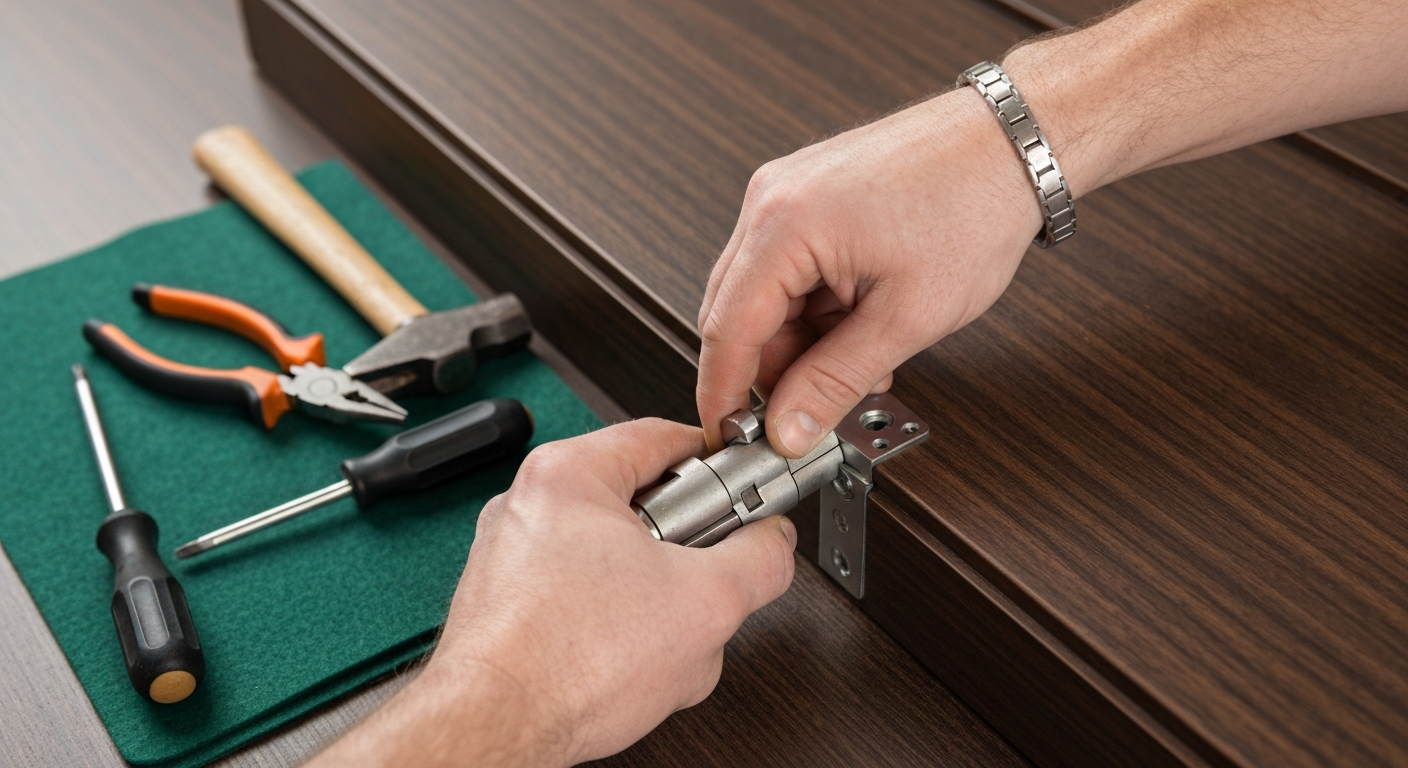
The best technology is of no use if it is installed incorrectly. With mechanical security systems, the correct installation position and firm fastening are crucial.
For the door leaf and frame, always use the long screws supplied or specifically recommended. Anchor into the masonry, not just the door frame. With lock cylinders, the cylinder must be flush with the door leaf to minimise potential points of attack.
For electronic systems, follow the installation plan precisely. Position motion detectors so that they cannot be triggered by pets or passing curtains, while still covering the entire critical area. The outdoor siren should be clearly visible to potential intruders but easily accessible to you in an emergency.
Combine Mechanical and Electronic Security
The most effective protection comes from layers. Experts refer to this as a “multi-layer security concept”. Start by physically securing the outer shell of your home.
- Level 1: Basic protection. Secure all ground-floor and easily accessible entry points. These include the front door, patio door, ground-floor windows and basement windows.
- Level 2: Enhanced protection. Add extra security elements at particularly vulnerable points, such as window handle locks, crossbars or glass-break sensors.
- Level 3: Detection and deterrence. Install an alarm system or at least a convincing dummy. Timers for lights and a TV simulator also belong at this level.
- Level 4: Monitoring and response. This is the highest level and includes smart cameras with motion alerts that send notifications to your smartphone, or a professional hazard alarm system.
Well-planned technology provides the right tools for this. Start with what you can implement immediately and expand your system step by step.
Conclusion: Security Is a Process
There is no single perfect product for everyone. Effective home security always combines high-quality mechanical components with intelligently deployed electronics. Our test shows that investing in tested lock cylinders and sturdy locking systems pays off. Electronic aids such as alarm systems or simulators provide an additional deterrent and give you more control.
Analyse your personal situation, start with the weak points and build your security concept systematically. With the tested products and our buying guide, you will find the right solutions for your home.
Frequently Asked Questions
- What is the best security for an apartment door?
- For apartment doors, we recommend a high-quality security lock cylinder as the basic protection. Combine it with an additional horizontal deadbolt or a door security fitting. Also check the stability of the strike plates and screws. Window security bars are a simple but effective addition.
- Does a burglar alarm really help prevent break-ins?
- Yes, burglar alarms primarily act as a deterrent. The loud alarm usually drives burglars away and alerts neighbours. The visible installation of external sirens and warning signs is crucial. Always combine a burglar alarm with mechanical security measures, as these are what actually delay entry.
- Are smart locks safer than mechanical locks?
- Smart locks offer convenience and additional features such as access logs. However, their mechanical security must meet the standard of high-quality cylinders. Look for certifications such as DIN EN 1303. The digital component brings its own risks, so encrypted transmission is essential.
- How much does good home security for a detached house cost?
- The investment varies considerably depending on the technology chosen. Basic protection with tested locks for doors and windows forms the foundation. Optional additions include burglar alarms, cameras or light simulators. Prioritise the weakest points first, such as the front door and ground-floor windows.
- Can I rent home security equipment?
- Yes, many providers of burglar alarms and security cameras offer rental models. This reduces the initial investment and often includes maintenance and updates. Mechanical security measures such as locks or window locks are generally purchased as a one-off. Find out about the various options in the security technology section.