
In brief: The test shows that transparent hot glue sticks in standard dimensions (11 x 200 mm) are suitable for most DIY projects. Material compatibility is crucial: standard sticks are sufficient for wood, fabric or paper. Heat-sensitive or difficult-to-bond materials require special high-temperature or low-melt variants. The right hot glue gun is just as important as the quality of the glue sticks.
Hot glue is part of the basic equipment in every workshop and craft room. Glue sticks bond materials quickly and easily, without long drying times. Our 2026 test and comparison shows you which hot glue sticks are genuinely suitable for your projects. We assess ease of use, durability and material compatibility – without considering prices.
There is a wide choice on the market. You will find standard products such as the Hot Glue Sticks 10-Pack, 200 g, Transparent (
) for regular craft projects. For smaller projects or occasional use, smaller packs such as the Hot Glue Sticks 6 Pieces 11 x 200 mm Transparent (). If you value professional quality, choose specialist glue sticks such as the Hot Glue Sticks, Transparent, 6 Pieces Professional Glue Sticks ().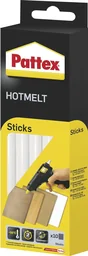
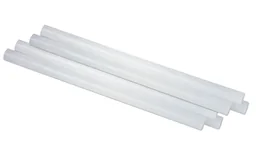
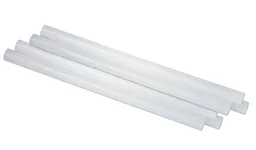
Table of contents
Our test criteria in detail
We tested the hot glue sticks under real-world conditions. We focused on practical aspects that are important to you as a user.
Bond strength on different materials
A good hot glue bonds different materials securely. We tested bond strength on wood, plastic, metal, glass, fabric and paper. The key question is whether the bond holds up under light stress.
Melting behaviour and working time
How quickly does the glue melt in the gun? How long does it remain liquid enough after application to allow repositioning? This period is known as open time. It is particularly important for precise work.
Tip: Work in a warm room. Cold ambient temperatures significantly shorten the open time and make precise gluing more difficult.
Coverage and cleanliness
How many glue dots or lines can be made with one stick? Does the melted glue leave annoying strings? A glue with good coverage and a clean application saves material and rework.
Hot glue in direct comparison
The following table provides an overview of the key features of the tested products. Please note that the best choice depends heavily on your specific project.
The most-reviewed hot glue sticks in our range compared directly:
| Model | Customer rating | Availability |
|---|---|---|
| Hot Glue Sticks – 50 Pieces, 11 mm X 200 mm Glue Sticks | – | Currently unavailable |
| Hot Glue Sticks 10-Pack, 200 g, Transparent | – | Currently unavailable |
| Hot Glue Sticks 6 Pieces 11 x 200 mm Transparent | – | Currently unavailable |
| Hot Glue Sticks, Transparent, 6 Pieces Professional Glue Sticks | – | Currently unavailable |
What types of hot glue are available?
Not all hot glue is the same. The differences lie in its composition, melting temperature and special properties.
Standard hot glue sticks (transparent)
These all-rounders are suitable for most DIY and craft projects. They melt at medium temperatures and reliably bond common materials such as wood, paper, cardboard or lightweight fabrics.
High-temperature hot glue (often coloured)
These glues require higher melting temperatures and provide particularly strong adhesion. They are ideal for permanent bonds, applications subject to stress or difficult-to-bond materials. They can often be identified by their yellow or other colouring.
Low-melt hot glue
These specialist glues melt at low temperatures. They are perfect for heat-sensitive materials such as polystyrene, thin plastic films or craft materials. They prevent melting damage to delicate surfaces.
Warning: Never use high-temperature glue in a gun designed for low-melt sticks, or vice versa. The heating elements are not compatible, which can lead to malfunctions or safety risks.
Typical applications for hot glue
There are many possible applications. In your tool box, hot glue solves problems in many situations.
- Model making and crafting: Securing small parts made from wood, plastic or foam.
- Household repairs: Gluing broken handles, loose decorations or toys.
- Textile work: Applying fabric embellishments or securing ribbons.
- Temporary fastening: Holding cables, wires or objects in place during renovations.
For permanent, load-bearing connections in the field of fastening technology, however, you should often use other bonding methods or mechanical fasteners.
Buying Guide: How to Choose the Right Adhesive
Choosing the right hot glue depends on three main factors: your project, the materials you want to bond and your hot glue gun.
Match the Hot Glue Gun
The diameter (usually 11 mm or 7 mm) and length of the sticks must match your gun. Check the manufacturer's specifications. Universal 11 mm sticks fit most standard DIY glue guns.
Check Material Compatibility
Consider which materials you mainly want to bond. For general crafts, clear standard glue sticks are the first choice. For special materials such as metal, glass or heat-sensitive plastic, you may need a specialist adhesive.
Note: Always test the adhesive first on an inconspicuous area or a leftover piece. This ensures that it will not damage the material and provides sufficient adhesion.
Pack Size and Storage
Buy an amount that you expect to use within a reasonable period. Over time, hot glue sticks absorb moisture from the air, which can impair their adhesive properties. Store unopened packs in a dry, sealed place.
Proper Handling and Safety
Hot glue is easy to use, but handling high temperatures requires care.
- Allow the gun to heat up fully before applying the first dot of glue.
- Never touch the nozzle or freshly applied glue.
- Work on a heat-resistant surface.
- Always place the gun on its supplied stand, never on its side.
- Unplug the gun before cleaning a blocked nozzle.
If you are unsure, read the operating instructions for your hot glue gun carefully.
When You Should Use Alternatives
Hot glue is not ideal for every task. In the following cases, you should choose other adhesives or fastening methods:
- Permanent outdoor applications: Hot glue is not weather-resistant. Use a specialist outdoor adhesive or construction adhesive.
- High shear or tensile loads: Two-part adhesives (2K adhesives) or mechanical fasteners are better for load-bearing connections.
- Flexible connections: If the joint needs to remain flexible (e.g. with rubber), specialist elastomer adhesives are suitable.
- Food contact: Use only approved, non-toxic adhesives for this purpose.
Our test shows that clear hot glue sticks are an indispensable aid for quick, non-load-bearing connections around the home, for hobbies and in the workshop. Pay attention to quality and compatibility with your materials and glue gun. This will help you achieve reliable results with your bonding projects.
Frequently Asked Questions
- What is the difference between clear and coloured hot glue sticks?
- Clear sticks are universal adhesives for most materials and remain transparent after cooling. Coloured sticks (often yellow) are usually high-temperature adhesives with stronger bonding performance for demanding connections. Special colours can also be used to match the appearance of the project.
- Can I use hot glue sticks from different brands in one glue gun?
- Yes, provided the diameter and length are identical (usually 11 or 7 mm). Make sure they have the same melting temperatures; otherwise, the amount of glue may not be dispensed properly or the gun may become blocked. Do not mix clear and coloured sticks during the same job.
- How long does hot glue take to cure?
- The surface cures within 30-90 seconds, while the adhesive reaches full strength after around 24 hours. Cool ambient temperatures delay the process. You should hold the parts in place and avoid putting them under load while the glue sets.
- Which materials are unsuitable for hot glue?
- Avoid hot glue for heavily loaded metal or glass connections, heat-sensitive polystyrene and outdoor areas exposed to water. It also bonds poorly to soft plastics such as PE or PP. Use specialist adhesives for these materials.
- How do I remove dried hot glue?
- Carefully warm the glue with a hairdryer or heat gun until it softens. You can then peel it off. Alternatively, freeze it with cold spray and then tap it off. Remove any residue with isopropanol or a specialist adhesive remover.
You May Also Be Interested In
- Wood Glue Test & Comparison 2026: The Best Wood Adhesives
- Power Tools Test & Comparison 2026: The Best Tools Reviewed
- Heaters Test & Comparison 2026: The Best Models Reviewed
- Band Saws Test & Comparison 2026: The Best Models in Practical Testing
- Rechargeable Batteries Test & Comparison 2026: The Best Models in Practical Testing
- Hot Glue: Fast Bonding for Great Results