
In brief: A heating system converts fuel such as natural gas, oil, or wood into heat. That heat warms water, which flows through pipes to radiators or radiant floor heating and carries warmth throughout your home. The water releases its heat into each room, while a thermostat automatically maintains your chosen temperature.
How Does a Home Heating System Work?
You turn up the thermostat, and a little while later, the room feels warmer. But what happens between turning the dial and feeling the heat? Heating systems work according to a few basic principles. Here’s how the technology that keeps your home warm works.
The Basic Principle: Generating, Moving, and Distributing Heat
Every heating system follows three steps. First, it generates heat. Then it carries that heat where it’s needed. Finally, it releases the heat into the room. These steps apply to every system, whether it runs on natural gas, oil, or wood pellets.
Most home heating systems use hot water to carry heat. The water absorbs energy in the boiler and releases it into the rooms.
The Heat Generator: The Heart of the System
In the boiler, a burner combusts natural gas, oil, or solid biomass. The energy released heats the water in the boiler to temperatures between 50 and 80 degrees Celsius. Modern condensing technology also recovers energy from water vapor in the exhaust, improving efficiency.
The pump is the system’s engine. It moves heated water through the pipes to radiators or other heating units. A variable-speed pump can save electricity.
Expert tip
Don’t switch your heating pump off completely in summer. Let it run in frost-protection mode to prevent the bearings from seizing and the pump from being damaged when it starts up again.
How Does Heat Reach the Room?
Hot water flows through pipes to radiators or through the pipes in a radiant floor heating system. Pipes are often hidden in walls or ceilings. In unheated areas such as the basement, you should insulate your heating pipes to minimize heat loss.
Inside a radiator, water flows through many parallel channels. The large metal surface efficiently transfers heat to the room air. With radiant floor heating, heat spreads across the entire floor.
The Controls: Thermostats and Temperature Regulation
You set your desired temperature on the thermostatic valve. A sensor inside the thermostat compares the room temperature with your setting. If the room is too cold, the valve opens further, allowing more hot water to flow into the radiator.
Once the room reaches the desired temperature, the valve closes. Modern home heating systems offer smart ways to control the temperature. PROGRAMMABLE_THERMOSTAT_PLACEHOLDER You can set schedules and temperatures or control the system with an app.
A heating system’s efficiency depends on the right settings. Hydronic balancing is often a cost-effective way to save energy.
What Types of Heating Systems Are Available?
Along with conventional gas or oil condensing systems, alternative technologies are becoming increasingly popular. Heat pumps extract heat from the air, ground, or groundwater and raise it to a higher temperature. They use electricity to operate.
Solar thermal systems can help heat water and your home. Collectors on the roof capture solar heat, and a water and antifreeze mixture carries it to a storage tank. Find suitable components in the plumbing and irrigation section.
Important note
Only licensed professionals should work on a heating system or gas connection. DIY installations can put your safety at risk and void your warranty or insurance coverage.
The Thermal Storage Tank: Heat for Later
A thermal storage tank is especially useful with wood heating systems or solar thermal technology. This well-insulated water tank stores heat for hours, allowing the boiler to run at its optimal output even when your home needs little heat.
This reduces the load on the boiler, improves comfort, and saves fuel. The tank size should match the heating system’s output and your household’s usage patterns.
What Does Regular Maintenance Involve?
Have a professional inspect your heating system once a year. They’ll check the combustion, clean key components, and adjust the system for optimal performance. Regular maintenance helps the system run efficiently, extends its service life, and can prevent costly repairs.
You can take care of a few simple tasks yourself. Keep dust and objects away from the boiler. Check the system pressure on the pressure gauge regularly. If it’s below the value specified by the manufacturer, you’ll need to add water.
Additional advice
Use the warmer months to clean your radiators. Dust between the fins reduces heat output. Vacuum them thoroughly or clean them with a blower from our power tool range.
Smart Home Heating Controls
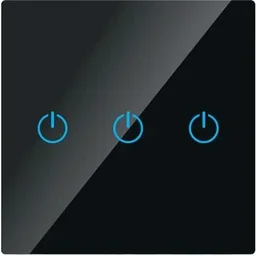
Smart thermostats and control systems can make your home more comfortable and help save energy. They adjust the temperature room by room and according to the time of day.

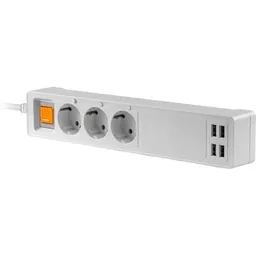
Smart plugs are even easier to use. With a
The biggest energy savings don’t always come from new technology. Using your existing system wisely can make a real difference. Lowering the room temperature by one degree saves around six percent on heating costs.
Save energy with an optimized home heating system
Heating is the biggest energy user in your home, so optimizing your system can pay off. Install reflective foil behind radiators to direct heat into the room instead of letting it escape through the wall.
Avoid placing furniture or long curtains in front of radiators. They block heat from circulating. Turn down the temperature in rooms you rarely use, especially at night and when you’re away.
With this knowledge, you now understand the basics of how your heating system works. You can recognize how its components work together and discuss ways to improve efficiency with professionals. Proper care and operation keep your home comfortable while helping control costs.
Frequently asked questions
- What is the difference between a boiler and a radiator?
- The boiler is the heart of the system. It burns fuel to heat the water that circulates through the system. The radiator is the heat exchanger in each room. It absorbs heat from the hot water and releases it into the room through radiation and convection.
- Why does my heating system sometimes gurgle?
- Gurgling often means there’s air in the system. Air bubbles in radiators or pipes disrupt the steady flow of water. You can bleed your radiators with a radiator key. If the problem continues, a professional can bleed and inspect the entire system.
- How does a radiator thermostat valve work?
- The thermostat head contains an element that expands or contracts as the temperature changes. If the room is too cold, the element contracts and opens the valve, allowing more hot water to flow through. Once the room is warm enough, it expands and closes the valve.
- Do I need to insulate my heating pipes?
- Yes. Insulating heating pipes in unheated areas, such as the basement, is important. It significantly reduces heat loss as water travels through the pipes. This saves energy and helps the water reach the radiators at a higher temperature. Good insulation also protects the pipes from freezing.
- What does hydraulic balancing mean for a heating system?
- During hydraulic balancing, a heating professional adjusts the system so each radiator gets the amount of water it needs to deliver the right amount of heat. This helps keep every room evenly warm, reduces noise and noticeably lowers energy use.
You may also be interested in
- Understanding heat pumps: How modern heating technology works
- Replacing your heating system: When is it worth making the switch?
- Find the right heating system for your home
- Understanding one-pipe heating systems: How they work, pros and cons
- Switch your heating to summer mode and save energy
- Build your own heating system: A step-by-step guide for your home and garden