
In brief: You can bend metal with simple hand tools or specialist tools such as bending springs. Choose a method suited to the material: soft metals such as copper pipes can be cold-formed, while harder steels often require heat. For precise bends, use a pipe bender. Fill hollow sections with sand before bending to prevent kinks.
How to Bend Metal and Pipes: A DIY Guide
Planning a custom shelving unit, a homemade garden bench or a new irrigation line? Bending metal opens up plenty of possibilities. With the right technique and tools, you can shape pipes and sheet metal precisely. This guide shows you how.
We cover methods for different material thicknesses and projects. From simple hand tools to specialist machines, you’ll find the right approach here. Always take the material’s properties into account.
Which tools do you need to bend metal?
Your choice of tool determines how much precision and effort a job requires. For simple bends in thin pipes and wire, pliers are often enough. A pipe wrench with a long handle gives you more leverage.
For smooth curves without kinks, bending springs are ideal. They support the pipe wall from the inside or outside. Products such as the 16 mm outer bending spring
work well with common copper plumbing pipes.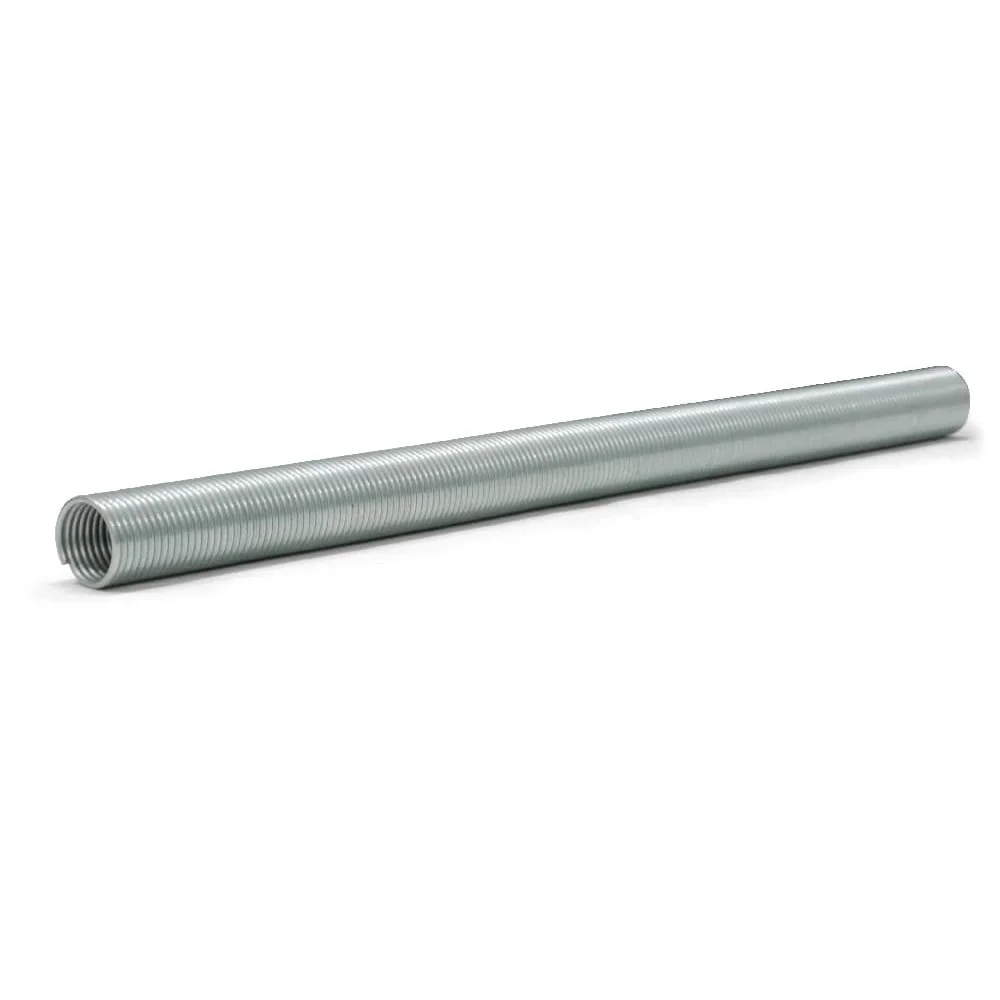
Pro tip
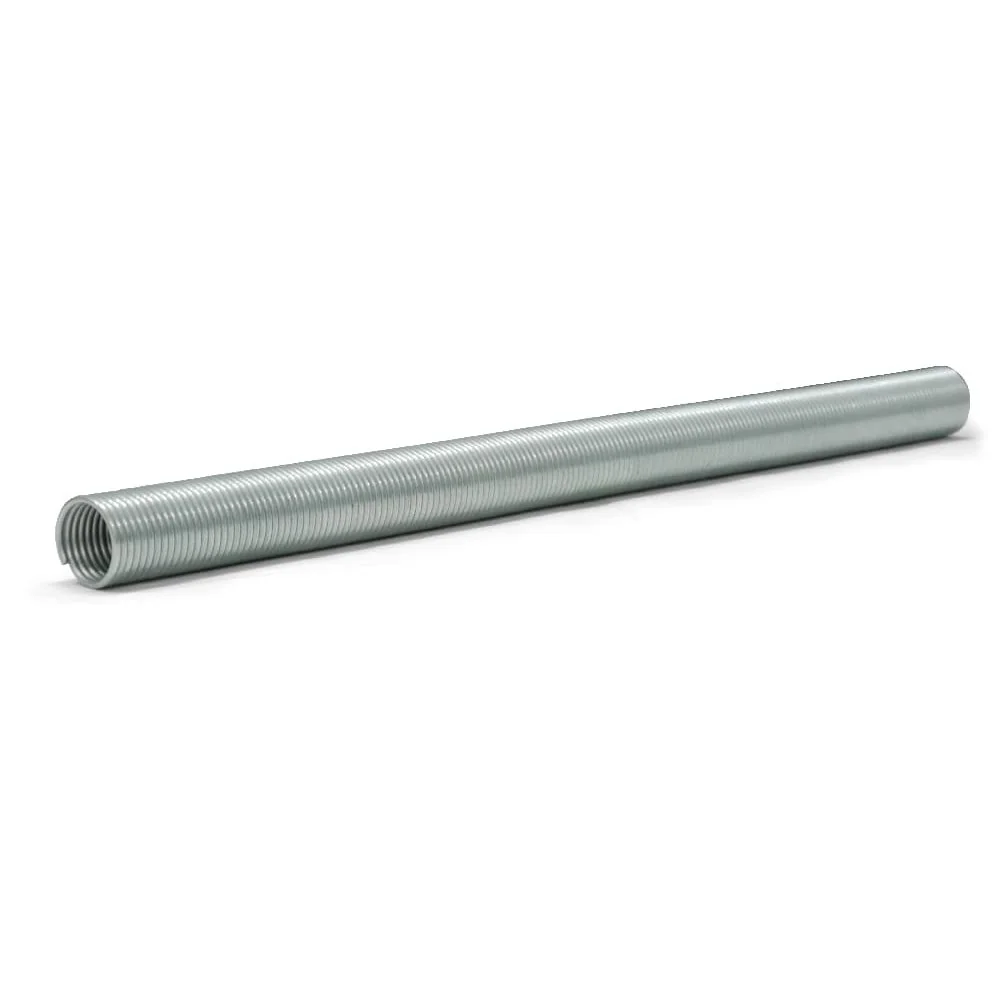
Measure your pipe’s exact outside diameter. Bending springs are sized with millimeter precision. A spring that’s too loose will slip, while one that’s too tight can get stuck. For pipes up to 26 mm, the
.
If you’re working with larger quantities or need greater precision, a pipe bender is a worthwhile investment. Manual models use a lever and formers to create repeatable bends with a set radius.
Sheet metal requires different tools. A sheet metal brake makes sharp, straight bends. A wooden dolly and an anvil help with freehand shaping. Protect your hands with sturdy work gloves.
Essential tools for beginners
Start with this basic equipment:
- Bending springs: For copper, aluminum or mild steel pipes. Available in internal and external styles.
- Pipe wrench or vise: For securing workpieces and making light bends.
- Rubber mallet and wooden dolly: For gently shaping sheet metal without damaging it.
- Angle finder or bevel gauge: For measuring and transferring angles accurately.
- Safety gear: Safety glasses and gloves are essential.
How do you bend pipes accurately without kinks?
The most common problem is a crushed pipe wall. This happens when bending pressure isn’t distributed evenly. The simplest way to prevent it is to fill the pipe.
Fill the pipe completely with dry, fine sand. Seal both ends with wooden or rubber plugs. The sand acts as a supporting core and keeps the pipe from collapsing. This method works especially well for manual bending.
“Filling a pipe with sand is the oldest and most reliable way to create smooth curves. The sand must be dry and packed firmly. The more firmly it’s packed, the better the support.”
Mark the bend point clearly with an Edding marker. Carefully heat harder materials with a heat gun or gas burner. Caution: Don’t overheat the material, or it may warp.
Fit the bending spring. If you’re using an external spring, slide it over the marked area. Bend the pipe slowly and evenly around a rounded former, such as a large barrel or solid cylinder. Check the angle against your template from time to time.
Important note
Never bend with jerky movements. This can cause material fatigue and cracks. Work slowly and steadily. If you encounter resistance, check whether the material is too cold or the sand is packed too loosely.
After bending, carefully remove the spring. Tap the pipe to loosen the sand. Clean the inside thoroughly, especially if you’re working with water or gas pipes.
Step by step: Bending a copper pipe for a home heating system
Follow these steps for a typical DIY project:
- Check the material: Use only soft-annealed copper pipes. Hard pipes may crack.
- Fill the pipe: Add sand and seal the ends with adhesive tape.
- Set the bend radius: Allow for a radius of at least 3 times the pipe diameter.
- Fit the bending spring: Use a suitable external spring, such as the , and slide it over the marked area.
- Bend: Position the pipe around a rounded former at the desired point and apply even pressure.
- Check: Check the angle with a bevel gauge and adjust it if needed.
- Finish: Remove the spring, empty out the sand and clean the pipe.
Bending Sheet Metal for Sturdy Structures and Decorative Projects
Sheet metal is versatile. You can use it to make box sections, planters, or sturdy garden bed edging. The right technique depends on the thickness of the sheet metal.
For thin sheet metal up to 1 mm thick, a sturdy table edge will do. Position the bend line directly over the edge. Secure the sheet metal with a wooden batten and clamps. Pull the overhanging sheet metal upward by hand or with a wooden block.
For precise, repeatable bends, use a simple sheet metal brake. It consists of a solid base and a movable bending bar. This lets you create perfect 90-degree angles for housings or boxes.
Extra tip
Mark the bend line first. For thick sheet metal, score it lightly to create a clear guide. Allow for the bend: the material stretches on the outside, while the inside dimensions become smaller.
Want to shape sheet metal into a cylinder? You’ll need a different technique. Wrap the sheet metal around a pipe or round form. Carefully tap it into the desired shape with a rubber mallet. Work from the edges toward the center.
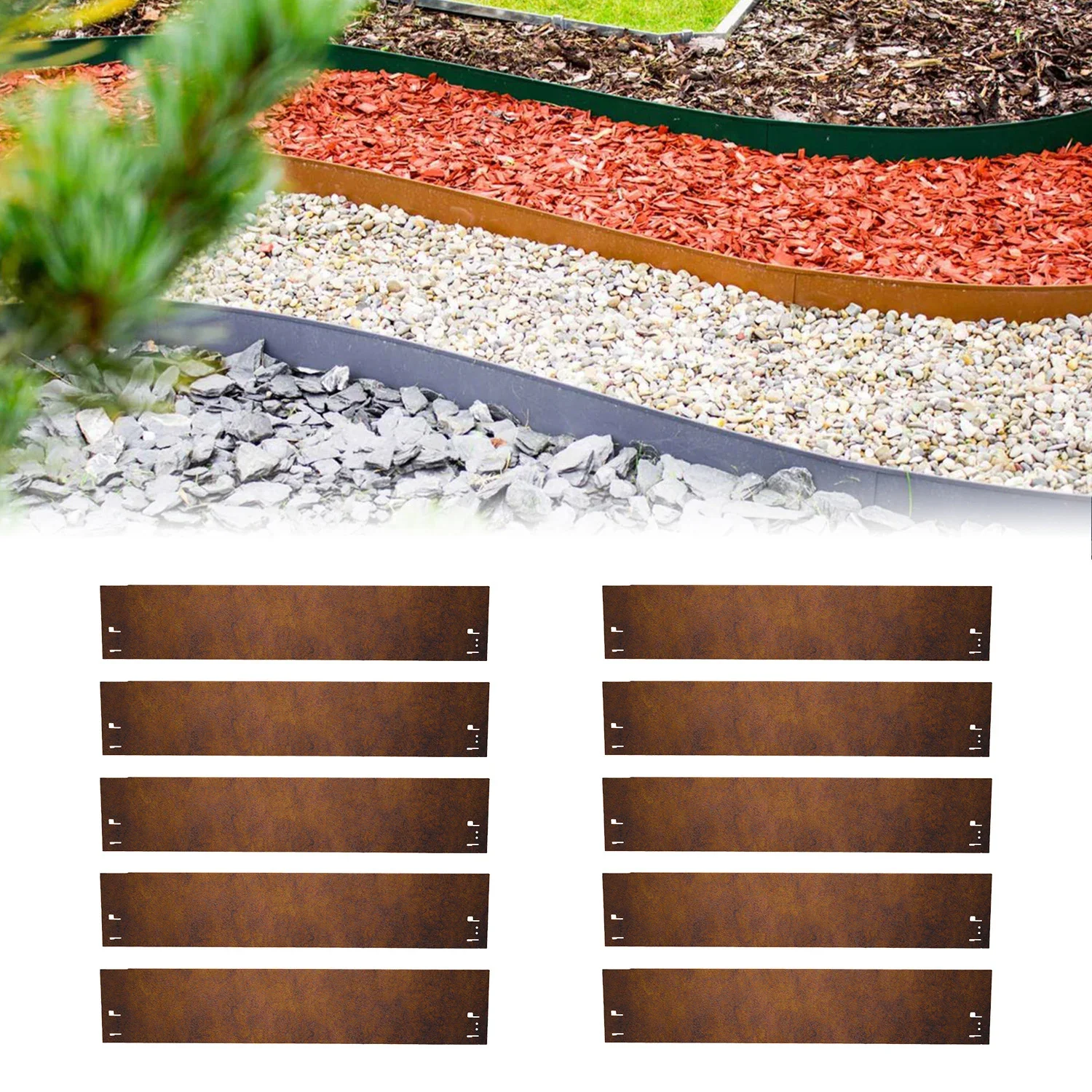
For demanding garden projects such as raised beds or privacy screens, galvanized steel is a good choice.
Sheet Metal Thicknesses and How to Work with Them
- Up to 0,8 mm (thin sheet metal): Easy to bend by hand with simple tools. Ideal for decorative projects and lightweight structures.
- 0,8 mm to 2,0 mm: Requires more force and often calls for lever tools or a sheet metal brake. Commonly used for housings and sturdy containers.
- From 2,0 mm (thick sheet metal): Requires mechanical assistance such as presses or roll benders. Suitable for frames and load-bearing parts.
When Is It Worth Buying a Pipe Bender?
A pipe bender saves time and delivers professional results when you need to make multiple identical bends. It lets you work faster and more accurately than bending by hand. The investment can pay off after around ten identical bends or with regular DIY projects.
Manual pipe benders come in different sizes. They work on a simple principle: the pipe rests between three points. Two are fixed, while the third moves and presses the pipe into the desired shape. The position of the points determines the bend radius.
“A good manual pipe bender has dies that fit different pipe diameters. This keeps the pipe from slipping. Look for sturdy welds and a precise degree scale for setting the angles.”
Electric or hydraulic machines are designed for industrial use. For serious DIYers, a manual model is more than adequate. Find suitable models and accessories in our industrial supplies section.
A pipe bender delivers consistent results. Every bend has the same radius and angle, which matters for projects such as railings, shelving systems, or bike stands.
Understanding Materials: Which Metal Is Suitable for Bending?
Not all metals behave the same way. Bendability depends on hardness, toughness, and wall thickness. Choose a material that suits your project.
Copper is a classic choice for pipes. It is soft, corrosion-resistant, and easy to work with. Use annealed copper pipes for plumbing and heating. After bending, they can be soldered or press-fit without any problems.
Aluminum is lightweight and easy to bend. However, it tends to spring back slightly after bending. For this reason, bend it slightly beyond the target angle. Find aluminum pipes and profiles in the aluminum composite pipes category.
Steel is hard and takes more force to bend. You can cold-bend mild steel if the profiles have thin walls. For sharp bends or large radii, heat the bending area. Keep springback in mind.
Stainless steel is very tough. It requires special tools with high leverage and often heat. It is the most challenging material for DIYers. Start with metals that are easier to work with.
Always check the material specifications before buying. Terms such as “cold-formable” or “annealed” are good indicators. Ask a specialty retailer if you’re unsure.
Choosing the Right Material at a Glance
- For beginners and plumbing: Annealed copper pipes.
- For lightweight structures: Aluminum profiles or pipes.
- For sturdy garden projects: Hot-dip galvanized steel (such as ) or Corten steel.
- For decorative elements: Thin brass or copper sheet metal.
With this knowledge, you’re ready to tackle your next metalworking project. Whether you’re building a custom garden light, a shelving frame, or a new distribution pipe, the right bending technique makes all the difference. Start with a small test piece to get a feel for the material and tool.
Find a wide selection of everything you need, from pipes and pressure pipes to tools such as , in our range. Plan carefully, work precisely, and always protect yourself properly.
Frequently Asked Questions
- How can I prevent kinks when bending pipes?
- Fill the pipe completely with fine, dry sand before bending and seal both ends securely. The sand acts as a support and distributes the pressure evenly, keeping the pipe wall stable and preventing it from collapsing. This method is particularly suitable for manual bending without a machine.
- Can I work with any metal using a bending spring?
- Bending springs are primarily suitable for soft, thin-walled metals such as copper or aluminum. You can find suitable springs for pipes up to 26 mm in diameter, such as PRODUCT_23154. With harder metals such as steel, the material may spring back or the spring may become stuck inside the pipe. Always check material compatibility.
- What is the difference between internal and external bending springs?
- An external bending spring is pushed over the pipe, while an internal spring is inserted into the pipe. External springs such as PRODUCT_36663 protect the pipe surface from crushing and are easier to use. Internal springs provide more support against kinks but are more difficult to remove. The right choice depends on the pipe diameter and available space.
- Do I need a special machine for sheet metal?
- For simple, sharp bends in thin sheet metal, a sturdy table edge, a wooden block, and a rubber mallet are sufficient. For precise curves or repeatable bends, a manual sheet metal brake is worthwhile. For thick sheet metal or demanding shapes such as cylinders, you need professional machines such as slip rolls or presses.
- How do I calculate the bend radius for a pipe?
- The minimum bend radius depends on the pipe diameter and material. As a rule of thumb, the inside radius should be at least three times the pipe diameter. For a 16 mm copper pipe, for example, you should allow for a radius of at least 48 mm. Radii that are too tight weaken the structure. Consult the manufacturer's specifications for your material.
You might also be interested in
- Installing Heating Pipes: DIY Guide to Efficient Heating
- Learn to Solder: An Introduction to Soldering for DIY Projects
- Learn to Weld: Basics and Tips for DIYers
- Liquid Metal for the Home: Repairs and DIY Projects
- Build an Industrial Shelving Unit Yourself: Step-by-Step Guide
- Using a Press Brake: A Practical Guide for Beginners