
In brief: To care for lavender in winter, choose hardy varieties such as English lavender (Lavandula angustifolia). Avoid cutting it back heavily in fall. Protect the base from frost, especially when there is no snow cover, with brushwood or fleece. Potted lavender needs a sheltered spot and an insulated pot. Save the main pruning for spring.
Lavender brings summer, sunshine and Provence to mind. To enjoy abundant blooms in your garden year after year, give these Mediterranean plants the right care during the cold season. The good news is that many lavender varieties are surprisingly hardy. You just need to prepare them properly for frost and snow.
This guide explains how to care for lavender in winter, when to prune it and how winter care differs for plants in garden beds and pots.
Contents
Is all lavender winter-hardy? Choosing the right variety for your garden
Before adding winter protection, make sure you know which type of lavender is growing in your garden. Cold hardiness varies significantly between varieties, so choosing the right plant is the first step to successful overwintering.
The hardy classic: English lavender (Lavandula angustifolia)
English lavender is a great choice for home gardens. Native to the mountainous regions of the Mediterranean, it is adapted to harsher conditions. Varieties such as 'Hidcote', 'Munstead' and 'Dwarf Blue' are particularly frost-tolerant and can withstand temperatures down to -15 °C when grown in a suitable location.
Less frost-tolerant: Spanish lavender and other varieties
Spanish lavender (Lavandula stoechas), with its distinctive butterfly-shaped flowers, is beautiful but much more sensitive to cold. It tolerates only light frost, so in colder regions it should be grown in a pot and overwintered in a cool, bright place, such as an unheated conservatory. The same goes for spike lavender (Lavandula latifolia) and woolly lavender (Lavandula lanata), which also need extra protection.
English lavender, Lavandula angustifolia, is known for its exceptional winter hardiness. Unlike French or Spanish varieties, it can survive colder winters in our regions, provided it is planted in a sunny spot with well-drained soil.
How do I prepare lavender in a garden bed for winter?
Established, winter-hardy lavender needs little help to get through the cold season. The key is to protect it from two main hazards: frost without snow cover and winter wetness.
When to apply winter protection
Start preparing in late fall, usually in November. Wait until the first light overnight frosts, but act before a prolonged spell of freezing weather begins. The plant should already be dormant.
Why fall pruning is a mistake
Heavy fall pruning is one of the most common lavender care mistakes. Resist the urge to cut the plant back neatly. The old, faded stems and foliage form a natural protective layer around the plant's center. They catch snow, which provides extra insulation, and shield the sensitive base from icy winds and strong winter sun.
If you like, you can snip off only the uppermost dried flower stems. Wait until spring for the main pruning.
Effective protection from cold and wetness
Winter's greatest threat to lavender is not cold alone, but the combination of frost and moisture. Well-drained, sandy or gravelly soil is therefore essential.
These measures can help protect the base of the plant:
- Brushwood: Loosely cover the root area with fir or spruce branches. They provide insulation while allowing air to circulate, helping prevent rot.
- Leaves: A thin layer of dry fall leaves around the plant also offers good protection. Hold them in place with a few branches so the wind cannot blow them away.
- Fleece: In particularly exposed locations or during severe frost without snow cover, loosely wrap the plants in garden fleece. Avoid plastic sheeting, which can trap moisture underneath.
Additional advice
Lavender prefers chalky, alkaline soil. Adding a little lawn and garden lime in spring can encourage growth and flowering, especially if your garden soil is rather acidic. A soil test will show its exact pH.
How do I overwinter lavender in pots?
Lavender in a container or pot is more exposed to frost than plants in a garden bed. The root ball can freeze from all sides, which may kill the plant. Good winter protection is essential.
Finding the ideal location
Move the pots to a sheltered spot. A south- or west-facing wall is ideal: it protects the plant from icy easterly winds and radiates warmth. A covered balcony or patio is also suitable.
Wrapping the pot and plant correctly
Protecting the pot is crucial. Set it on an insulating base, such as a polystyrene board, a thick wooden disk or pot feet. This keeps cold from reaching the root ball from below. Then wrap the pot in several layers of jute, fleece or bubble wrap. Cover the soil with a layer of leaves or brushwood, too.
Pro tip
If you are overwintering several container plants, group them close together. This helps shield them from cold and wind. Fill the gaps with extra leaves or straw for added insulation.
The art of watering in winter
Potted lavender still needs an occasional drink in winter because the root ball must not dry out completely. Water sparingly, and only on frost-free days. Check with your finger whether the soil is dry several centimeters deep. Aim to keep it slightly moist while avoiding waterlogging. Empty any frozen water from the saucer right away.
The crucial pruning: When and how should I prune lavender after winter?
Spring pruning is the most important care task for healthy, bushy lavender with abundant blooms. It prevents the plant from becoming bare at the base and encourages vigorous new growth.
Wait for the right time in spring
The ideal time to prune is after the hardest frosts have passed but before the lavender starts growing vigorously. Depending on your region, this is usually between late March and mid-April. Forsythia in bloom is a good indicator. Look closely: you may already see small, new silvery leaves at the base of the plant. When you do, it’s time to pick up your pruning shears.
The right pruning technique for bushy growth
For pruning, you’ll need sharp, clean garden tools. A good pair of pruning shears, such as the
“Wunderschere” makes clean cuts and keeps the shoots from getting crushed.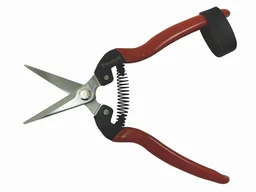
Follow the one-third, two-thirds rule:
- Summer pruning (optional): Right after flowering in summer, cut the plant back by about one third, mainly removing spent stems and the tips of the leafy shoots. This often encourages a second, lighter bloom.
- Spring pruning (essential): In spring, cut the plant back by about two thirds. This is the most important pruning for rejuvenating the plant.
Important note
Never cut into the old, bare wood. Lavender produces few, if any, new shoots from woody growth. Always leave a small amount of the previous year’s leafy shoots. This is where new growth will emerge.
The right spring pruning is the secret to long-lasting, bushy lavender. Prune boldly, but never cut into the old wood. This encourages new growth from the base and keeps the plant from becoming bare.
What care does lavender need in spring to start the new season?
After making it through winter and getting the right pruning, lavender needs very little attention to thrive. Now you’re laying the groundwork for a fragrant summer throughout your Garden + Outdoor area.
Fertilize carefully: less is more
Lavender thrives with little fertilizer and grows naturally in poor soil. Too many nutrients, especially nitrogen, do more harm than good. The plant may produce plenty of leaves but few flowers. A small amount of mature compost or a handful of organic fertilizer for Herbs + Spices in spring is enough. Avoid mineral fertilizers.
Watering after winter
As temperatures rise and the growing season begins, the plant needs more water. Water newly planted lavender regularly until it is well established. Older, established plants are highly drought tolerant and need extra water only during prolonged dry spells. As always, avoid waterlogged soil.
Check and improve the location
Use spring to check the planting site. Does your lavender get at least six hours of direct sunlight a day? Is the soil still loose and well drained? If the soil has become compacted over winter, loosen it carefully with a small rake. This is also a good time to transplant young lavender if its current location isn’t ideal.
With the right winter preparation and confident spring pruning, you’ll create the best conditions for healthy, vigorous lavender plants. Your reward is weeks of intense blooms that will delight you and attract bees, bumblebees, and butterflies to your garden.
Frequently Asked Questions
- Why is my lavender becoming woody and bare?
- Lavender becomes woody at the base when it isn’t pruned regularly and correctly. Hard pruning in spring, while avoiding the old wood, encourages new shoots to grow from the base. This keeps the plant bushy and compact and prevents it from becoming bare in the center.
- Can lavender be pruned in fall?
- Hard pruning in fall isn’t recommended. The foliage provides natural winter protection. You can lightly trim the plant to remove spent flower heads. Always do the main pruning, which rejuvenates and shapes the plant, in spring after the hardest frosts have passed.
- What is the best location for lavender in winter?
- Lavender planted in the ground does best in a sunny, warm spot sheltered from the wind year-round, with very well-drained soil. Potted lavender is best overwintered against a sheltered exterior wall, where it’s protected from icy winds and excess winter moisture. Set the pot on pot feet or a Styrofoam board.
- Does lavender need water in winter?
- Yes, but very little. Potted lavender in particular shouldn’t be allowed to dry out completely. Water moderately on frost-free days, just enough to keep the root ball from drying out completely. Waterlogged soil is the greatest danger in winter and can quickly lead to root rot.
- Which lavender variety is the hardiest?
- English lavender, Lavandula angustifolia, is the most robust and winter-hardy species. Varieties such as 'Hidcote Blue' and 'Munstead' have proven particularly reliable and can make it through even colder winters in our climate without problems, provided the location is suitable. Other species, such as French lavender, are much more sensitive.
You may also be interested in
- How to plant and care for lavender: The complete guide
- Pruning lavender in summer for more blooms and growth
- Lavender on the balcony: How to plant and care for pollinator-friendly plants
- How to plant and care for lilac
- Effective winter plant protection: Garden tips
- Planting perennials: A guide to a blooming garden bed