
In brief: Poinsettias thrive in a bright, draught-free spot at 18 to 22 degrees Celsius. Only water these houseplants once the top layer of soil has dried out, and avoid waterlogging at all costs. For a long flowering period, briefly immerse the root ball in lukewarm water and do not fertilize during the flowering phase.
The poinsettia (Euphorbia pulcherrima) is as much a part of the holiday season as evergreen branches and candlelight. Its vibrant bracts bring lively color to the dark season. To prevent this sensitive tropical plant from losing its beauty before the holidays, it needs the right care. With proven care techniques and modern styling ideas, you can turn this classic plant into a long-lasting highlight of your festive decorations.
Table of contents
- The ideal location: What should you consider when buying and placing a poinsettia?
- Watering and moisture: How can you prevent root rot?
- Nutrients and strengthening: Does a poinsettia need fertilizer?
- Creative DIY decor: How can you style poinsettias in a modern way?
- After the holidays: How can you keep the plant healthy throughout the year?
The ideal location: What should you consider when buying and placing a poinsettia?
The poinsettia originally comes from the tropical deciduous forests of Central America. In its native habitat, it grows into a perennial shrub. This origin determines its light and temperature requirements in our homes. If you want to keep healthy houseplants for many weeks, proper care begins when you buy the plant at a garden center or specialist retailer.
Never buy specimens that are displayed in a draughty entrance area or outdoors. Cold damages the leaf tissue irreversibly. The leaves often fall only days later in a warm room, without the cause being immediately obvious. Always transport the plant home well wrapped in paper. A brief cold shock at temperatures below 12 degrees Celsius is enough to weaken the tissue permanently.
Choose a bright, warm spot in your home without direct, scorching midday sun. An east- or west-facing window provides ideal light conditions. Keep the plant away from radiators with dry rising air and protect it from draughts when airing the room each day. Draughts are the most common cause of sudden leaf drop.
Poinsettias are extremely sensitive to cold around their roots. Just a few minutes on a cold stone floor or in a draught during transport can damage the root system so severely that the plant sheds all its leaves.
Important note
Avoid placing poinsettias next to fruit bowls containing apples or bananas. Ripening fruit releases ethylene gas. This ripening gas accelerates the plant's aging process, causing the colorful bracts to wilt and fall prematurely.
Place the pot on an insulating mat if your windowsill is made of cold marble or stone. A simple cork or felt coaster protects the root ball from cooling from below. Consistent room temperatures between 18 and 22 degrees Celsius create the ideal environment.
Watering and moisture: How can you prevent root rot?
Proper watering determines whether a poinsettia thrives or dies. The soil tolerates neither prolonged dryness nor standing water. The fine feeder roots rot within a few days when there is not enough oxygen in wet soil. Once the roots have rotted, the plant can no longer absorb water and wilts despite the soil being moist.
Check the soil with your finger before every watering. Push your finger about two centimeters into the soil. If the soil feels dry and crumbly, the plant needs water. If you can still feel coolness and moisture, wait one or two days. The immersion method often produces better results than traditional top watering.
- Use a water bath: Remove the nursery pot from the decorative planter and immerse it in a container of room-temperature, standing water.
- Watch for air bubbles: Keep the pot underwater until no more air bubbles rise to the surface. This usually takes one to two minutes.
- Drain thoroughly: Allow all excess water to drain completely through the drainage holes before returning the plant to its place.
- Check the decorative planter: Empty the decorative planter 15 minutes after placing the plant inside if any residual water has collected there.
Expert tip
Only use low-lime rainwater or filtered tap water at room temperature for watering. Cold water straight from the tap causes a temperature shock to the roots, which can give the plant yellow leaf edges.
Maintain suitable humidity in the room. Dry heated air encourages infestations of spider mites and fungus gnats. However, never spray water directly onto the colorful bracts, as this causes unsightly lime deposits and fungal diseases. Instead, place bowls of water on the radiators to gently humidify the room air.
Nutrients and Strengthening: Does the Poinsettia Need Fertiliser?
Freshly purchased poinsettias are planted in pre-fertilised potting soil. During the main flowering period in November and December, the plants do not need any additional nutrients. Too many salts in the substrate can damage the sensitive roots during this phase. Start feeding again in spring as soon as new shoots begin to form.
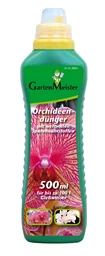
When revitalising your houseplants in spring, a mild liquid fertiliser such as orchid fertiliser is an excellent choice. Its gentle formula provides essential trace elements without overwhelming the delicate roots. From April to August, add the heavily diluted fertiliser to the watering water approximately every two weeks.
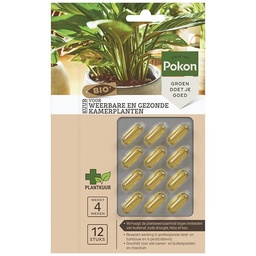
Biological plant capsules provide long-term vitality without relying on harsh chemicals. Bio Cure capsules support soil life and strengthen the plant's natural defence system against pests. Healthy plants are much better able to withstand fungal infections and care mistakes.
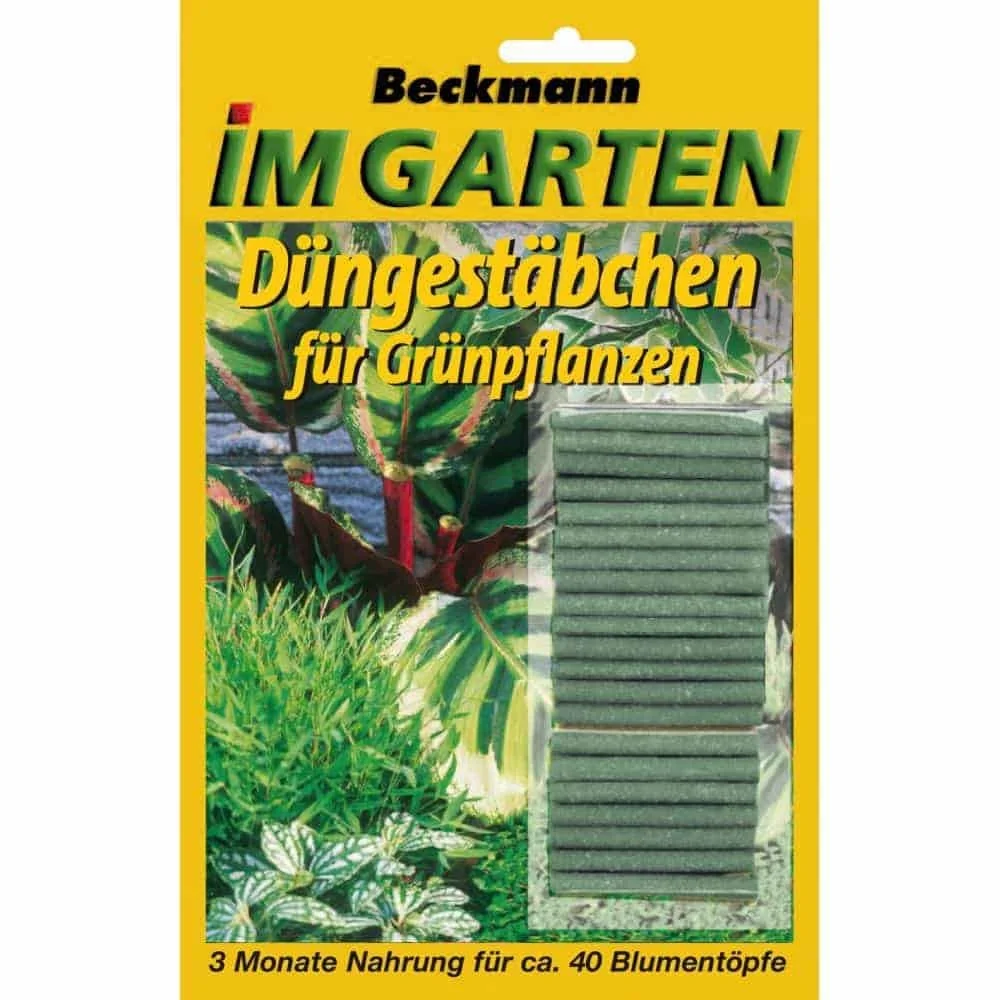
During the growing season in late spring, switch to practical fertiliser sticks. They supply the substrate with nitrogen, phosphorus and potassium evenly over several weeks. This encourages strong green leaves, which provide the foundation for magnificent bracts in autumn.
Creative DIY Decoration: How Can You Style Poinsettias in a Modern Way?
Poinsettias do not have to remain in traditional terracotta pots. Their vividly coloured bracts offer enormous potential for modern Christmas floristry and imaginative DIY decoration. Whether used as cut flowers, arranged in moss balls or displayed as eye-catching hanging decorations, you can create impressive festive arrangements with just a few simple steps.
The combination of vibrant flowers and glowing elements is particularly appealing. Place your arrangements next to stylish light sources such as string light decorations to highlight the velvety leaves atmospherically in the evening. Matching decorative lights on side tables or windowsills also accentuate the vivid colours of poinsettias.

If you want to echo floral elements throughout the room, delicate LED lights with poinsettia motifs complement the overall look. They illuminate dark corners where real plants would not survive due to a lack of light. Combine them with natural materials such as pine cones, larch branches and dried orange slices.
Using Poinsettias as Long-Lasting Cut Flowers
Contrary to popular belief, the bracts are ideal for flower vases. When prepared correctly, they stay fresh for up to 14 days. To do this, cut strong stems at an angle with a sharp knife. It is important to seal the cut immediately to stop the milky sap from escaping.
Additional Advice
Immediately after cutting, dip the end of the stem in water at approximately 60 degrees for about five seconds. Alternatively, briefly hold the cut edge over a candle flame. This causes the proteins in the milky sap to coagulate, keeps the vascular pathways open and allows the flower to continue drawing up water without obstruction.
Arrange the cut poinsettias with pine branches, eucalyptus and holly berries in simple glass vases. Place the arrangement on a festively laid table. Smaller test tubes containing individual mini poinsettias make unique place-card holders for guests.
Kokedama: Japanese Moss Balls for the Ceiling
One unusual trend is the so-called kokedama style. Carefully remove the poinsettia from the loose soil and wrap the root ball in damp forest moss. Wind sturdy floral wire or jute cord firmly around the moss covering until a solid ball forms.
Attach the moss balls to sturdy cords in the window frame or use elegant hooks from the hanging decorations range. To care for them, take the moss ball down once a week and immerse it in room-temperature water for ten minutes. Allow it to drain well before hanging it up again.
Enhancing Table Arrangements with Natural Materials
For a rustic festive table, place mini poinsettias in hollowed-out birch logs or vintage tin cans. Add small shiny baubles or wintry decorative objects to create an appealing contrast between matte natural textures and festive sparkle. Delicate bowls from the metal decorations & accessories range also provide an elegant base for arrangements featuring moss, bark and poinsettias.
After the Holidays: How Do You Keep the Plant Going All Year?
Most people throw away their poinsettias after the holidays as soon as the colourful bracts fade. That is a shame, because these plants are long-lived and can easily be cultivated for many years. With the right pruning and a carefully managed period of darkness, your poinsettia will bloom again next winter.
Euphorbia pulcherrima is a classic short-day plant. It only initiates its flower buds and colours its bracts when the daily amount of light drops below twelve hours. Stray light from streetlamps or living-room lamps completely prevents this change.
Follow this annual plan for successful reblooming:
- Prune in spring (March/April): When the bracts fall off, cut all shoots back by about half. Wear gloves, as the milky sap can irritate the skin. Reduce watering drastically for several weeks.
- Repot (May): As soon as the plant starts producing new shoots, place it in fresh, well-draining potting compost. A pot with a functioning drainage hole is essential. From now on, water regularly again and fertilise lightly.
- Summer outdoors (June to August): Once the risk of frost has passed, your poinsettia will appreciate a sheltered, partially shaded spot on the balcony or patio. Gradually acclimatise it to sunlight to prevent leaf scorch.
- Bring it back indoors (September): Bring the plant indoors in good time before the first cool nights. Temperatures should not fall below 15 degrees at night.
- The blackout treatment (from the end of September): To encourage flowering, the poinsettia needs complete darkness for about eight weeks, for at least 12 to 14 hours a day. From 18:00, place a lightproof cardboard box over the plant and remove it again at 08:00 in the morning. Even the glow from a weak floor lamp disrupts its hormone balance and prevents the bracts from turning red.
With this simple method, your plant will reward you with fresh, brightly coloured bracts in time for the first Sunday of Advent. This allows you to enjoy your houseplants for many years as the seasons change.
Frequently Asked Questions
- Why is my poinsettia losing its leaves?
- Leaf drop is usually caused by cold, draughts or waterlogging. If the plant is exposed to low temperatures without protection during transport or its roots are left standing in water, it may respond later by shedding green leaves. Check the moisture level in the pot and move it to a sheltered location.
- How often do poinsettias need watering?
- Water poinsettias moderately every two to five days, depending on the room temperature and pot size. Use the finger test: the top layer of soil should feel noticeably dry. Pour away any excess water from the cachepot or saucer completely after no more than 15 minutes.
- Are poinsettias poisonous to pets?
- Yes, poinsettias belong to the spurge family and contain poisonous milky sap. Chewing on the leaves or stems can cause irritation to the mucous membranes, vomiting, diarrhoea and cramps in cats, dogs and small pets. Keep the plants out of reach of curious animals.
- Can cut poinsettia stems be placed in a vase?
- Yes, cut bracts can last for up to two weeks in a vase. After cutting, hold the cut end in 60-degree hot water for about five seconds or briefly hold it over a flame. This stops the milky sap from escaping and keeps the vessels open to fresh water.
- How can I make my poinsettia bloom again next year?
- As a short-day plant, a poinsettia needs strict darkness for at least eight weeks from the end of September. Provide no more than ten hours of daylight per day. Cover the plant with a lightproof cardboard box for the remaining 14 hours each day so that new colourful bracts can develop.
You might also be interested in
- Poinsettia Care: How to Keep It Looking Beautiful for Longer
- How to Decorate Poinsettias Beautifully
- How to Make a Poinsettia Bloom: Tips for Next Season
- DIY: Make Paper Stars – Easy Decorating Ideas for Your Home
- Are Poinsettias Poisonous? Facts About the Risks to People & Pets
- DIY Wax-Coated Paper Stars: Make Shiny Christmas Decorations Yourself