
In brief: You can significantly extend your batteries’ lifespan by neither fully discharging them nor keeping them at 100% all the time. Store batteries at room temperature and charge them to around 50–70% soon after use. Avoid heat and cold, as both can damage the chemistry inside. A gentle charger is a worthwhile investment.
How to charge batteries correctly for longer-lasting devices
A powerful battery makes gardening and DIY easier. Whether you are using a power tool or hedge trimmer, the freedom of cordless work comes at a price. Batteries are the heart of these devices. With the right care and charging routine, they last significantly longer. You save money and hassle.
Most modern devices use lithium-ion batteries. They are lightweight and powerful, but their chemistry is sensitive. Incorrect charging, heat or cold can damage the cells. Capacity declines more quickly. This guide shows you how to care for your tool batteries correctly.
We focus on practical tips for everyday use. You will learn the most important dos and don’ts, from optimal storage to choosing the right time to charge.
How do lithium-ion batteries actually work?
Understanding the basics is helpful. In a lithium-ion battery, lithium ions move between two electrodes. During discharge, they travel from the negative to the positive electrode. During charging, the charger pushes them back. This process cannot be repeated indefinitely.
Each cycle causes microscopic wear in the cells. Maximum capacity gradually decreases. The aim of battery care is to slow this ageing process and protect the chemistry inside.
Pro tip
Ignore the memory-effect myth. Modern lithium-ion batteries do not suffer from a memory effect. You do not need to run them completely flat before recharging. In fact, deep discharges cause damage.
The biggest enemies of a battery are extreme temperatures. Heat accelerates chemical ageing. Cold temporarily reduces performance and can cause damage when charging heavily. Always store and charge your batteries at room temperature.
The role of the charger
Not all chargers are equally good. A simple power supply only charges with a constant current. Smart chargers communicate with the battery. They adjust the charging current and end the process at the right time. They can also detect faulty cells.
Whenever possible, use the manufacturer’s original charger. It is designed for the specific batteries in your devices. Good chargers feature a maintenance-charging mode. This keeps the battery at an optimal storage level without overcharging it.
When should I charge my battery?
Choosing the right time is crucial. Do not charge the battery immediately after demanding use. The cells will be warm, and charging in high temperatures puts additional stress on the battery. Let it cool to room temperature first.
Also, do not wait until the device switches off completely. Modern batteries have deep-discharge protection electronics. They switch the device off before the battery reaches a critical discharge level. Use this safety reserve and charge the battery when performance noticeably drops.
Important note
Never leave a fully discharged battery unused for a long time. Residual discharge can cause the voltage to fall below a critical level. The protection circuit then continues drawing power. This can result in deep discharge, after which the battery is often irreparably damaged.
For storage lasting weeks or months, a medium charge level is ideal. Between 50% and 70% puts the least strain on the cells. A fully charged battery ages faster on the shelf, while an almost empty battery risks deep discharge.
The lifespan of a lithium-ion battery is determined less by charging cycles than by time and storage temperature. A battery stored at 25°C loses around 20% of its capacity each year even when unused. At 40°C, the figure is already 35%.
The problem with fully charging
Many users get into the habit of charging the battery to 100% immediately after work. This provides peace of mind. For the battery chemistry, however, constant pressure at the upper voltage limit is stressful. The cells degrade faster.
For everyday use, the battery does not always need to be completely full. 80% or 90% is entirely sufficient for most tasks. Some modern chargers and devices even offer a “Storage Mode” or an 80% charging option. Use it if available.
How do I charge a battery correctly?
The charging process itself deserves attention. Make sure the surroundings are clean and safe. The charging contacts on the battery and charger must be free of dirt, grass and metal filings. If necessary, clean them with a dry cloth.
Insert the battery firmly into the charger. Make sure the polarity is correct. Modern plug-in systems prevent reverse polarity. The charger usually indicates charging progress with LEDs. A red light means charging; a green light means ready or fully charged.
Where possible, leave the charging process undisturbed. Interruptions are not critical, but they are unnecessary. Remove the fully charged battery from the charger promptly. Even though modern devices switch off automatically, keeping the battery connected permanently is not ideal.
Additional advice
Store your chargers and spare batteries neatly. A tool case with a compartment or a shelf in the workshop protects them from knocks and dirt. Label older batteries with the purchase date to keep track of them.
Fast charging: blessing or curse?
Many new chargers offer fast-charging functions. They fill the battery in 30 to 60 minutes instead of several hours. This is convenient, but it comes at a price. The high charging current generates more heat and puts greater strain on the cells.
Use fast charging only when you need the battery again quickly. For regular charging, the standard, slower mode is gentler. It extends the lifespan of your expensive tool batteries.
How should I store batteries?
Storage is just as important as charging. The ideal place is cool, dry and around 15 to 20 degrees Celsius. A drawer in a heated workshop or a shelf in the garage, protected from frost in winter, are good options.
Avoid direct sunlight. Hot cars, windowsills and places near radiators are harmful to battery life. Cold cellars below 0°C are also damaging. Chemical processes almost come to a standstill and performance drops sharply.
Do not place batteries loose in a box with metal parts. The risk of a short circuit is high. Keep them in their original packaging or in a separate box. Some manufacturers offer special storage bags.
The best practice for storing batteries is: ‘Store it cool, use it warm.’ Keep the battery at a moderate temperature, but bring it to room temperature before use. A cold battery not only delivers less power; charging it in freezing conditions can also cause permanent damage.
Storing batteries over winter
Garden tools such as cordless lawnmowers and leaf blowers are usually stored during winter. Charge the batteries to around 60% before putting them away. Check the charge level every two to three months and top up as needed to prevent deep discharge.
Remove the batteries from the devices if they will not be used for an extended period. This prevents leakage currents and relieves the load on the device electronics. Note the storage date on a sticky label.
Practical Products for Your Cordless Tools
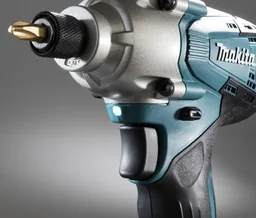
The right equipment makes battery care easier. A powerful cordless impact wrench with a reliable battery is the foundation. A compatible charger and spare batteries keep your work moving without interruption.
A powerful kit offers advantages for demanding DIY projects. You can use the same batteries in different tools. This saves money and makes storage easier. Pay attention to quality and compatibility.
: The JP12B2 LI-152C tool battery is a typical example of a compact 12V system. It is suitable for light to medium-duty tasks around the home and garden.

Maintenance and Cleaning
Look after the tool as well as the battery. Clean ventilation slots help keep the motor and battery cool. Regularly check mechanical parts such as socket attachments and tool bits for wear.
Grease or dirt on the battery contacts increases contact resistance. This leads to heat buildup and energy loss. Carefully clean the contacts with a cotton swab dampened with rubbing alcohol. Wait until everything is dry before reinserting the battery.
Conclusion: Extend Battery Life with Simple Routines
You won’t extend your battery’s life with one dramatic measure. It comes down to small, consistent habits. Charge batteries gently, store them in a cool, dry place, and avoid temperature extremes.
Invest in high-quality batteries and compatible chargers. The higher upfront cost pays off through a longer service life. A well-maintained battery is more reliable, safer, and more powerful.
Start today. Check where your batteries are stored. Plan your charging times more carefully. Your garden tools and power tools will thank you with years of powerful performance.
Frequently Asked Questions
- Should I recharge my tool battery immediately after every use?
- No, this isn’t necessary and may even be harmful. Charge the battery soon after use, but wait if it’s still warm. A charge level of around 50-70% is ideal for storage. Avoid charging the battery to 100% every time after brief use.
- Is it harmful to leave the battery on the charger after it is fully charged?
- Modern chargers stop charging once the battery is full. Still, it’s not ideal to leave the battery connected permanently, as ambient heat or minimal self-discharge may cause it to keep topping up. Remove the battery from the charger once it is fully charged.
- What is the best way to store batteries over winter?
- Store batteries at room temperature (approx. 15-20°C) in a dry place. The ideal charge level is 50-70%. Check the charge level every three months and recharge as needed. Avoid cold basements or hot attics.
- Why is my old battery suddenly delivering less power?
- This is a sign of natural aging. Each charging cycle slightly reduces the battery’s capacity. Extreme temperatures, deep discharge, or charging too quickly can speed up the process. Check the charging contacts for dirt and store the battery more carefully in the future.
- Can I charge different batteries with the same charger?
- Only if the charger is specifically designed for the battery technology (e.g. Li-Ion) and voltage (e.g. 18V). Always use the original charger or a compatible model from the manufacturer. The wrong charger can destroy the battery.
You may also be interested in
- Battery Chargers: How to Extend the Life of Your Tools
- How to Charge a Battery Correctly: 5 Mistakes That Shorten Its Life
- How to Charge a 10.8V Battery Correctly: Extend Your Tool's Service Life
- How to Charge an 18V Li-Ion Battery Correctly: A Guide to Maximum Longevity
- Cordless Drill Battery: How to Extend Its Service Life
- Battery Charger Test & Comparison 2026