
In brief: The right work shoes protect your feet from injury and keep you steady on the job. S1, S1P and S3 safety ratings indicate features such as toe protection and puncture resistance. Depending on the task, look for a deeply treaded, oil-resistant sole. For wet gardening jobs, choose waterproof shoes; for construction work, make sure they have toe protection. The right fit and materials help keep you comfortable through long workdays.
How to Choose Work Shoes for Construction and Gardening
Your feet carry you through every workday. Whether you’re in the garden, on a construction site or tackling a DIY project, they’re constantly on the move. The wrong footwear can quickly lead to blisters, pain or more serious injuries. The right work shoes aren’t a luxury—they’re an essential part of your health and safety gear.
Work shoes protect your feet from falling objects, sharp stones and slippery surfaces. They help you stay steady on uneven ground and can reduce strain on your back. This buying guide explains what to look for.
What types of work shoes are available?
Not every shoe is right for every job. This overview will help you get started.
Sturdy outdoor shoes
For light gardening tasks such as mowing the lawn, weeding or watering flower beds, sturdy outdoor shoes are often enough. Their grippy soles help keep you steady, and many styles are water-repellent. However, they don’t provide reliable protection from heavy falling objects.
Safety shoes (DIN EN ISO 20345)
These shoes are designed for demanding work. They must meet strict standards and include a steel or composite toe cap tested to withstand an impact of 200 Joule. They’re required on commercial construction sites and a smart choice for heavy-duty DIY projects.
Work boots
Work boots often extend above the ankle to provide extra support. They’re a good choice for very uneven ground, working in the woods or digging in deep soil. Many styles are waterproof and offer comprehensive protection.
Pro tip
Shop for work shoes in the afternoon. Feet swell slightly during the day, so trying them on later can help you avoid shoes that feel comfortable in the morning but become too tight after a few hours of work.
How do I understand safety ratings?
The letters and numbers on a shoe indicate its protective features. Here’s an overview of the main ratings.
S1: Basic protection. S1 shoes have a steel toe cap, an energy-absorbing heel, antistatic properties and a fuel-resistant sole. They’re suitable for dry work environments.
S1P: Includes all S1 features, plus puncture protection in the midsole. This helps protect against sharp objects such as nails or broken glass penetrating the shoe from underneath.
S3: Designed for outdoor work. S3 shoes offer S1P protection, plus a waterproof membrane and a deeply treaded, abrasion-resistant outsole. They’re a good choice for gardening and construction work in all weather.
“One common mistake is assuming that a thick shoe is automatically a safe shoe. What matters is the tested safety features, especially the toe cap. A hiking boot won’t protect you from a falling hammer.”
What should I look for in fit and comfort?
Safety shoes won’t do you much good if you have to take them off after an hour. Comfort isn’t separate from safety; it’s essential to wearing your shoes throughout the workday.
Finding the right size: Measure both feet while standing. One foot is often slightly longer than the other, so use the larger one as your guide. Leave about a thumb’s width of space in front of your big toe, and make sure your heel doesn’t slip.
The material: Full-grain leather is durable and breathable, and it molds to your feet over time. High-quality synthetic materials are often lighter and dry faster. A breathable lining such as Gore-Tex or a moisture-wicking textile lining can help keep your feet from getting sweaty.
Cushioning: Look for a cushioned midsole that absorbs shock. An ergonomically shaped insole with arch support helps support the lengthwise and crosswise arches of your feet. This can reduce strain on your joints and back when you stand on hard surfaces for long periods.
Important note
Work shoes should fit well from the start. Don’t count on them to “break in.” Shoes that are too tight or too loose can cause blisters, pressure points and an unsteady stride. Take your time when trying them on.
The sole: your connection to the ground
The outsole is your direct connection to the ground. Its design affects grip, durability and protection.
A deep tread provides traction on muddy garden soil, loose gravel and wet wood. Look for the “SRC” pictogram (Slip Resistance). It identifies shoes tested for slip resistance on ceramic surfaces and steel moistened with cleaning solution.
If you work around fuel or oil, choose a sole that resists oil and gasoline (marked “O” or “FO”). Polyurethane (PU) soles are lightweight and flexible, but can wear faster on sharp-edged rubble. Rubber soles, such as those made from nitrile rubber, are highly wear-resistant and offer excellent grip.
Also consider insulation. If you often work outdoors in winter, a cold-insulating sole can make your shoes much more comfortable. The right garden equipment accessories, such as nonslip mats, can also improve safety.
Which work shoes are right for each task?
The best style depends largely on the job. Use this guide to help you choose.
For a typical ornamental garden
If you mow the lawn, trim hedges and weed garden beds, a lightweight, waterproof S3 safety shoe is a good all-around choice. You could also choose a high-quality ankle-high outdoor shoe with a steel toe cap. Look for waterproofing and a surface that’s easy to clean after contact with soil and grass.
For a vegetable garden and heavy digging
Digging with a spade puts considerable strain on your feet. A sturdy work boot with puncture protection (S1P or S3) is a good choice. The taller design supports your ankle as you push the spade into hard ground. A tough, deep-treaded sole helps keep you from slipping.
For construction and renovation work
Construction sites and patio renovations involve heavy materials. S1P or S3 safety shoes are a good choice for these jobs. Puncture protection helps guard against loose nails and screws, and an oil-resistant sole can be useful. Some models also offer midfoot protection for work with an angle grinder or other grinding tools.
“For everyday work around the home, I recommend an S3 shoe. The extra cost is small compared with the added protection. Its waterproof design and treaded sole make it a versatile choice for almost any gardening or DIY job, rain or shine.”
How to care for and maintain work shoes
Well-maintained shoes last longer and provide more reliable protection. A simple care routine can extend their life by years.
Brush off dirt or wipe it away with a damp cloth after each use. Let stubborn clay dry before knocking it off. Use a care cream or spray made for leather shoes to keep the leather supple and help it resist water.
Never dry wet shoes on or right next to a heater. Heat can make the leather brittle and damage the adhesive. Instead, leave them in a well-ventilated, moderately warm place. Cedar shoe trees can also absorb moisture and help shoes keep their shape.
Check the soles and linings regularly for wear. If the tread is badly worn, the shoes can lose their grip. Cracks in the upper or damaged seams can compromise protection. Storing your garden tools in a dry place is also part of good maintenance.
Additional tip
If you work often, consider getting two pairs of work shoes. Alternating between them gives each pair time to dry completely and recover between uses. This can help prevent material fatigue and is more hygienic. Replace the insoles regularly, too.
The Right Accessories for Greater Safety
Work shoes are the foundation of your protection, but the right accessories help keep you safe from head to toe. Suitable workwear protects the rest of your body.
Rugged work pants made from durable materials such as canvas, or with reinforced knees, are a smart choice. A weatherproof work jacket will keep you dry while gardening in the fall. Remember to wear gloves, too, to protect your hands from dirt, splinters, and blisters.
Some tasks call for additional protective gear. When using a chainsaw or shredder, wear chainsaw-protection pants and a helmet with a face shield and hearing protection. When milling or grinding, wear a dust mask to protect your respiratory system.
A well-organized workspace with non-slip ladders and sturdy work platforms helps reduce the risk of falls. Store heavy materials safely and move them with suitable equipment, such as wheelbarrows from our Garden + Outdoor range. A handy tool such as the
can also help you work neatly and with control.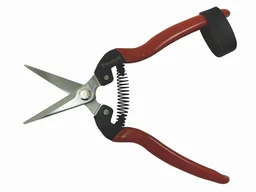
Your Safety Comes First
Investing in high-quality work shoes is an investment in your health and well-being. They help you tackle garden and home projects safely and comfortably, without getting tired too soon.
Choose footwear suited to the task, look for tested safety standards, and take your time when trying it on. Well-maintained, undamaged work shoes are a reliable choice for every DIY project. Start your next project on solid footing.
Frequently Asked Questions
- What do S1, S1P, and S3 mean for safety shoes?
- These are European safety standards. S1 provides basic protection with a steel toe cap, an energy-absorbing heel, and antistatic properties. S1P adds penetration protection in the sole. S3 shoes have all the features of S1P, plus a waterproof membrane and a treaded outsole for slip-resistant traction outdoors.
- Can I wear safety shoes for everyday gardening?
- Yes. Safety shoes are a great choice for demanding gardening work. They protect your feet from falling tools, sharp stones, and branches. For lighter tasks such as mowing the lawn or weeding, sturdy outdoor or hiking shoes are often enough. For digging, tree work, or patio projects, safety shoes with a steel toe cap are recommended.
- How do I find the right size work shoes?
- Measure your feet in the afternoon, when they may be slightly swollen. Wear the socks you plan to wear at work, and leave about a thumb's width of room in front of your toes. Walk around in the shoes for a few steps. They should feel comfortable right away and shouldn't need breaking in. Many manufacturers offer wide-width options.
- Do I need to wear safety shoes on a private construction site?
- Private homeowners aren't legally required to wear them. However, wearing safety shoes is strongly recommended to help prevent injuries. Heavy objects, falling materials, and loose nails can all cause serious injuries at home.
- How do I care for my safety shoes so they last?
- Brush off dirt or wipe it away with a damp cloth after each job. Let wet shoes dry slowly at room temperature, never on a heater. Use leather care cream to keep leather supple. Check the soles regularly for wear and inspect the safety features for damage.