
In brief: You can get your bathtub sparkling clean without harsh chemicals. Household remedies such as citric acid, vinegar and baking soda effectively remove hard water stains and dirt. These methods are kinder to the environment and surfaces, and they save money. Regular care helps prevent stubborn buildup in the first place.
How to Clean a Bathtub with Home Remedies
A clean bathtub is essential for a hygienic bathroom. Instead of buying expensive specialty cleaners with harsh chemicals, try time-tested household remedies. They’re gentle on surfaces, better for the environment and easy on your budget.
Here’s how to remove hard water stains, soap scum and stubborn dirt with lemon, vinegar and more. These methods work on enamel and acrylic bathtubs, as well as shower pans.
Why are household remedies often better than chemical cleaners?
Commercial bathroom cleaners promise quick results, but they often contain strong acids or alkalis. These can damage surfaces and pollute indoor air and wastewater.
Household remedies such as citric acid and baking soda work effectively and are biodegradable. You may already have them at home. They also give you control over the concentration and how long they’re left to work.
Expert tip
Test any new household remedy on a small, inconspicuous area of your bathtub first, such as near the overflow. This lets you check that it’s suitable for the material before treating the whole surface.
How do I remove hard water stains from a bathtub?
Hard water stains are a common problem, especially in areas with hard water. These white or gray marks are left behind when water evaporates, and they can cling firmly to the surface.
Citric acid: A gentle hard water stain remover
Citric acid powder is a great choice for removing hard water stains. It works like expensive descalers but is natural and inexpensive. Mix two to three tablespoons of citric acid powder with a little warm water to make a paste.
Apply the paste to the hard water stains and leave it for 30 to 60 minutes. The acid dissolves the mineral deposits. Then wipe the area with a soft sponge and rinse thoroughly with water.
“Citric acid is a weak organic acid complex that converts calcium carbonate – in other words, mineral deposits – into water-soluble calcium citrate. This process is effective and gentle on materials when the contact time is observed.”
Cleaning vinegar: A stronger alternative
Cleaning vinegar (at least 25% acid) can tackle very stubborn hard water stains. Soak a cloth or paper towel in vinegar and place it on the affected area. For vertical surfaces, press a soaked cloth firmly against the area.
Leave the vinegar to work for at least one hour, or preferably overnight. The strong smell soon clears when you air out the room. Important: Rinse the treated areas very thoroughly the next day. Over time, acetic acid can also damage metal parts such as the drain.
Important note
Never mix vinegar or citric acid with chlorine-based cleaners or products containing “active chlorine” or “hypochlorous acid”. This combination releases toxic chlorine gas, which severely irritates the airways.
How do I remove soap scum and dirt?
The cloudy, milky streaks in a bathtub are a mix of mineral deposits, soap and skin oils. They’re often greasy and cling firmly to the surface. You’ll need a cleaner that dissolves grime and provides gentle abrasion.
Baking soda: An all-purpose cleaner
Baking soda (sodium bicarbonate) is a mild abrasive. It gently loosens grease and removes light stains. Sprinkle a generous amount of baking soda directly onto the damp bathtub surface.
Use a damp, soft sponge or microfiber cloth to rub it in using circular motions. For stubborn stains, make a thicker paste with baking soda and a little water. Rinse thoroughly after scrubbing.
Find practical helpers for everyday care in our bathroom range.
Dish soap for greasy residue
A few drops of dish soap in warm water will help dissolve greasy soap residue. Put a little dish soap on a sponge and work it into a lather on the tub surface. Leave the foam to work briefly, then scrub and rinse.
This method is especially gentle on delicate acrylic surfaces and is ideal for regular cleaning.
How do I clean a bathtub sustainably and protect its surface?
Sustainable cleaning means getting the job done while caring for the surface and the environment. The right household remedy depends largely on your bathtub’s material.
Cleaning an enamel bathtub
Classic enamel is hard-wearing, but rough treatment can dull the surface or cause tiny cracks. Avoid steel wool and harsh abrasive cleaners.
A paste made with citric acid or vinegar and baking soda combines the power to dissolve mineral deposits with gentle abrasion. Always rinse thoroughly after cleaning.
Additional advice
Use soft sponges, microfiber cloths or bathroom brushes with natural bristles on any surface. They remove dirt effectively without scratching, which can attract even more dirt over time.
Cleaning an acrylic bathtub
Acrylic is softer and scratches more easily than enamel, so avoid harsh abrasive cleaners. Use liquid household remedies instead. For routine cleaning, warm water and a little mild dish soap work well.
For hard water stains, use a highly diluted citric acid solution (1 tablespoon of powder per 500 ml of water). Apply it and leave it for no more than 10-15 minutes, then rinse immediately and thoroughly. Dry the acrylic bathtub with a soft cloth after cleaning to prevent water marks.
Keep your bathtub tidy with a practical bathtub caddy or storage system, such as our
. It keeps cleaning products close at hand and stops bottles and containers from sitting in the tub and leaving residue.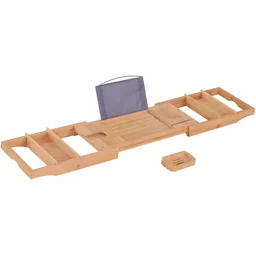
“Regular, gentle care is essential for acrylic bathtubs. Once scratched, dirt and bacteria collect in the microscopic grooves and are difficult to remove. Prevention with soft tools is the best approach here.”
How can I keep my bathtub clean for longer?
The easiest bathtub to clean is one that needs little cleaning. A few simple habits after bathing can make a big difference between deep cleans.
Rinse the tub with clean, cold water after use to remove soap and foam residue. Use a squeegee to clear water from the walls. This leaves less water to evaporate and fewer mineral deposits behind.
Wipe damp surfaces dry with a microfiber cloth. It takes a minute but saves you a lot of scrubbing later. Remember to descale the showerhead regularly, too, or it could rinse mineral deposits into your clean bathtub.
In our extensive Garden + Outdoor section, you’ll also find eco-friendly cleaning products for patios and garden furniture that follow similar principles.
How do I remove stubborn stains or discoloration?
Sometimes, routine cleaning isn’t enough. Rust from iron-rich water, blood stains, and heavy buildup may need a more targeted treatment.
Lemon juice and salt for rust stains
Fresh lemon juice can help remove small rust spots. Cut a lemon in half, sprinkle coarse salt on the cut side, and rub it over the rust stain. The acid and abrasive salt work together to loosen the discoloration. Rinse thoroughly afterward.
Hydrogen peroxide for organic stains
Hydrogen peroxide (3%, available at pharmacies) is a mild bleaching agent. It can help with yellowish discoloration caused by organic residue. Apply it to the stain, let it sit for 30 minutes, then rinse it off. It’s colorless and odorless.
Pro tip for deep cleaning
Plan a thorough bathtub cleaning before a day off. For especially stubborn stains, let treatments such as vinegar compresses sit overnight. This gives the solution plenty of time to work while you’re not using the bathroom.
Conclusion: Clean your bathtub without harsh chemicals
You can get a sparkling clean bathtub with simple household ingredients from your kitchen. Citric acid and vinegar tackle limescale, while baking soda and dish soap remove dirt and grease.
The key is to clean regularly and use the right method for your bathtub’s material. Protect your tub and the environment by avoiding harsh specialty cleaners. Start with a simple baking soda paste and use a stronger method if needed.
For a well-maintained bathroom, browse our category for bathtub toys and practical storage solutions. You’ll find everything you need for a functional, clean bathroom.
Frequently Asked Questions
- What household product works best for removing limescale from a bathtub?
- Citric acid and strong vinegar are among the most effective household products for removing limescale. They dissolve deposits without scrubbing. A paste made from citric acid powder and water can also help remove stubborn buildup. If you have an acrylic bathtub, test it on a small area first.
- Can I use baking soda to clean my bathtub?
- Yes. Baking soda is a gentle abrasive that works well on bathtubs. Its fine texture helps loosen dirt without scratching enamel or acrylic. Mix it with a little water to make a paste, then use it to scrub away soap scum and light discoloration. Rinse thoroughly with clean water.
- How do I clean an acrylic bathtub without damaging it?
- Avoid abrasive powders and strong acids on acrylic bathtubs. Use mild liquid soap, dish soap, or a cleaner made for acrylic. A soft microfiber sponge removes dirt without scratching. For limescale, use diluted citric acid and rinse it off promptly. Dry the surface with a cloth after cleaning.
- How often should I deep-clean my bathtub?
- We recommend deep-cleaning your bathtub with household products every two to four weeks, depending on how often you use it and how hard your water is. After each bath, dry the tub with a squeegee or cloth to reduce limescale and soap scum. Regular care helps prevent the need for intensive cleaning.
- What should I avoid when cleaning my bathtub?
- Avoid steel wool and harsh scouring products, which can permanently scratch the surface. Never mix household cleaners, such as vinegar and chlorine bleach, because they can produce toxic gases. Rinse off acids such as vinegar or lemon juice thoroughly to help prevent damage.
You may also be interested in
- How to clean a bathroom: Top tips for a sparkling clean
- How to clean a sink with household products
- How to clean a toilet: Eco-friendly tips using household products
- How to clean a toilet brush: Tips for a hygienic bathroom
- How to descale a kettle: Household products and tips
- Effective household cleaners: Clean naturally