
In brief: The most effective way to clean your grill grate is to burn off residue at high heat immediately after grilling. Then simply brush away the ash. For a deeper clean, soak the grate and use suitable brushes and household products such as baking soda, coffee grounds or an onion, depending on the material (stainless steel, cast iron or enamel).
A great barbecue with family and friends is one of the best things about summer. The sizzling food and the aroma of herbs and marinades make for pure enjoyment. But once the fun is over, there is work to do: a greasy grill grate covered in burnt-on residue. It’s easy to put off cleaning, but with the right methods and tools, you can get the job done quickly and effectively. A clean grate isn’t just about appearances; it’s essential for hygiene and the flavor of your food.
Why should you clean your grill grate regularly?
A clean grill grate is the foundation of every successful BBQ + smoking experience. Regular cleaning matters for several reasons, and they go far beyond appearances.
Better flavor
Old grease and marinade residue burn the next time you fire up the grill, producing bitter, acrid smoke. That smoke settles on your fresh food and affects its flavor. A juicy steak can suddenly taste like last week’s fish. A clean grate helps ensure that only the flavors you want end up on your plate.
Hygiene and health
Old food residue can harbor bacteria and mold, especially if the grill sits unused outdoors for a long time. These can transfer to your food the next time you grill. Burning old fats can also produce harmful substances such as acrylamide. Regular care of your grill and barbecue accessories is an important way to protect your health.
Longer-lasting materials
Harsh marinade residue, salt and acids can damage your grate over time. Cast iron in particular can rust if it isn’t cared for properly, while the surfaces of stainless steel and enamel-coated grates can also suffer. Regular cleaning protects your investment and helps you enjoy your grill for years to come.
Heat is the best cleaner. Anything that doesn’t burn away can be brushed off once the residue has burned off.
How do you clean a grill grate right after grilling?
The most effective cleaning is done right away. Use your grill’s residual heat for a process called pyrolysis. This burns food residue at very high temperatures until it turns to ash.
After removing the food, close the grill lid and turn the burners to the highest setting. For a charcoal grill, add more charcoal to reach maximum heat. Let the grill heat up with the lid closed for 10-15 minutes. Temperatures above 300 °C are ideal. You’ll see smoke rising as the grease and residue burn away.
Once the smoke starts to subside, open the lid. Most of the residue should have turned into white or gray ash. Brush it off the hot grate with a high-quality grill brush, ideally one with stainless steel bristles. That’s it. This method is quick, chemical-free and highly effective.
Important note
Always take care when using the pyrolysis method. The extremely high temperatures create a fire hazard. Keep a safe distance from flammable materials and have a suitable fire extinguisher ready for emergencies, such as the
grease fire extinguisher.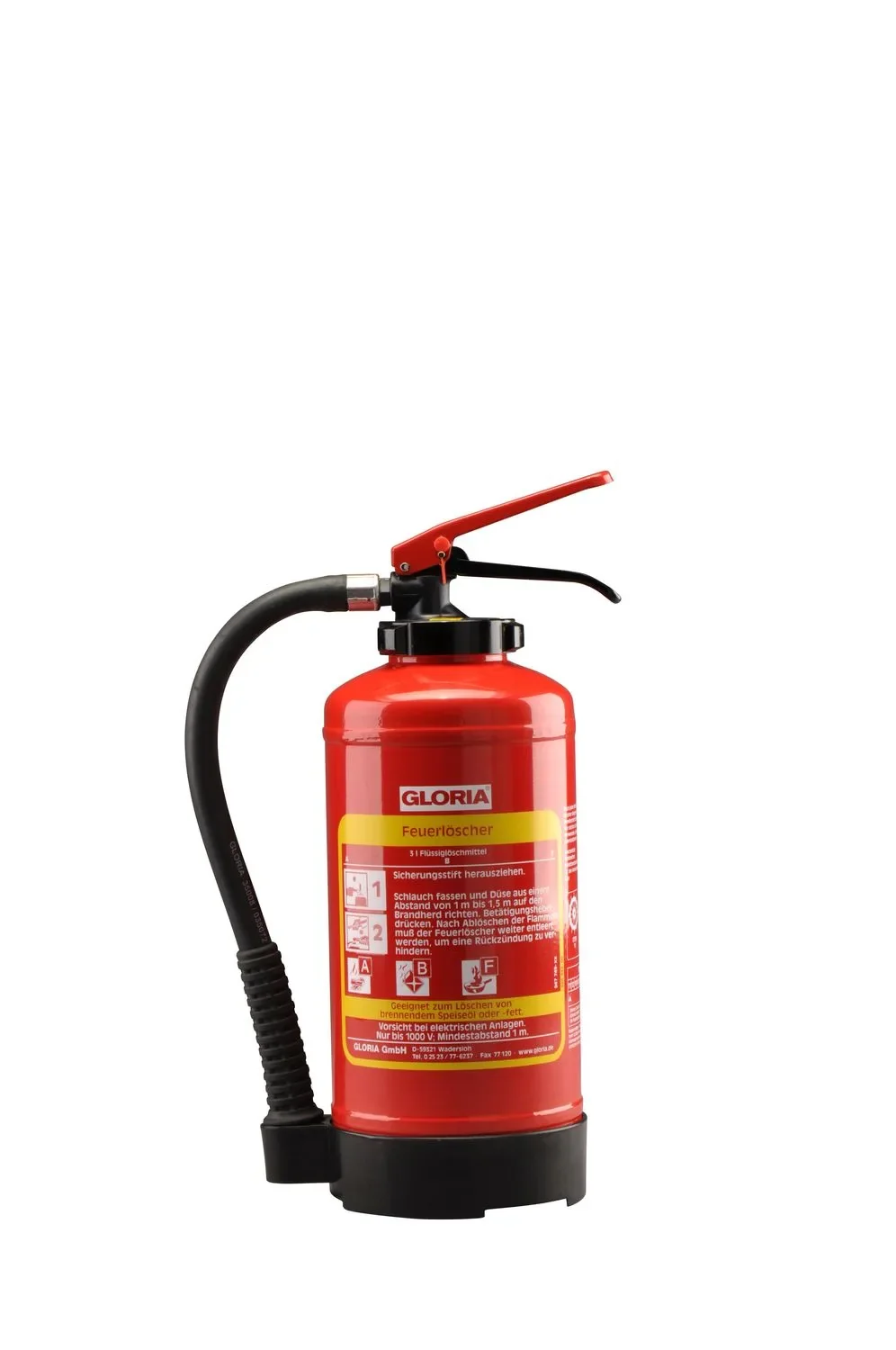
The best methods for a thorough deep clean
Burning off residue isn’t always enough, or you may not have cleaned the grate after your last barbecue. In that case, it’s time for a deep clean. The best method depends largely on the material of your grill grate.
Stainless steel grate: The easy-care all-rounder
Stainless steel grates are durable and relatively resistant to damage. For a deep clean, soak the grate in hot water with a little dish soap. You can use a large tub, sink or even a clean wheelbarrow. After soaking for about an hour, most residue should come off easily with a stainless steel brush or steel scouring pad. For stubborn burnt-on residue, try a paste made from baking soda and water.
Cast iron grate: Proper care for perfect sear marks
Cast iron needs special care to preserve its valuable seasoning—a natural nonstick layer. Never use harsh dish soap or steel wool, as these can strip the seasoning. Briefly soak the grate in clean, hot water. Then scrub it with a brass brush (softer than stainless steel) or a chain-mail scrubber. Dry the grate immediately and completely, ideally by heating it briefly on the grill. Then rub it with a thin layer of high-heat cooking oil, such as canola oil, to protect it from rust and maintain the seasoning.
Cast iron is like a good friendship: it needs regular care, should never go in the dishwasher and gets better over time. Always apply a light coat of oil after cleaning—that’s the secret to good seasoning.
Enamel-coated grate: Gentle cleaning to protect the coating
The enamel coating protects the steel or cast iron underneath from rust, but it can scratch easily. Never use stiff wire brushes or abrasive sponges. Soak the grate in warm, soapy water, then clean it with a soft sponge or nylon brush. Special grill cleaners made for enamel surfaces are also a good choice.
What household products can you use to clean a grill?
You don’t always need an expensive specialty cleaner. Many effective cleaning helpers for your outdoor kitchen are already at home. These household products are environmentally friendly and inexpensive.
The power of coffee grounds
Save the coffee grounds from breakfast. Put the damp grounds on a sponge and use it to scrub the cool grill grate. The fine particles act as a gentle abrasive, removing grease and baked-on residue without scratching the material. Simply rinse with clean water afterward.
Pro tip
For an especially thorough clean with coffee grounds, mix them with a little baking soda and water to make a paste. Apply it to the grate, leave it for 30 minutes, then scrub away the dirt.
Baking soda and vinegar: A powerful combination
A paste made from baking soda and water is a classic cleaning solution. Apply it to the grate and let it sit. For an extra boost, spray on a little vinegar. The reaction makes the mixture foam and helps loosen even stubborn baked-on residue. Let it work, then scrub with a brush and rinse thoroughly.
Onion and lemon: Natural acidity cuts through grease
Halve a large onion or lemon, skewer it on a grill fork and rub it over the still-warm grate. Its natural acid helps dissolve grease while disinfecting the surface. This trick is ideal for a quick clean while you’re grilling.
Newspaper: The soak-and-wrap trick
For an easy overnight clean, place the cooled grill grate on several layers of newspaper. Thoroughly dampen the paper with water so it sticks to the grate. Wrap the grate completely and leave it overnight. The moisture softens the baked-on residue, making it easy to brush off the next day.
How can you prevent heavy buildup?
The easiest grill grate to clean is one that doesn't get heavily soiled in the first place. A few simple tips can help prevent food from sticking and make cleanup much easier. They'll also help keep your Garden + Outdoor equipment in top condition for years to come.
Lightly oil the grate before adding food. Use a high-heat oil, such as canola or sunflower oil, and apply it with a brush or an oil-soaked paper towel. The oil creates a barrier between the grate and the food. You should also preheat the grill thoroughly. When the grate is hot, the surface of the meat sears right away, which helps prevent sticking.
Additional Advice
If your old grill grate can't be saved despite your best cleaning efforts—for example, because of heavy rust or a damaged coating—it's time to replace it. You might also consider buying a new Grill + Fire Pit, many of which come with easy-to-clean grates. One example is the
2-in-1 fire pit with grill grate.
Regular grill grate care helps ensure hygienic, delicious grilling and extends the life of your grill. Choose the right cleaning method for your grate material, and make a quick cleanup after each grilling session part of your routine. That way, your grate will be ready to shine when grilling season rolls around again.
Frequently Asked Questions
- How often should you deep-clean a grill grate?
- After each grilling session, burn off any residue and brush the grate clean. Depending on how often you use your grill, deep-cleaning the grate—by soaking it and scrubbing it thoroughly—is recommended every 4-5 grilling sessions to remove stubborn grease and bacteria.
- Can I clean my grill grate in the dishwasher?
- No, it's not recommended. Cast iron grates can lose their protective seasoning and rust. Harsh detergents and high temperatures can also damage enamel-coated and stainless steel grates. Hand-washing is always gentler and more effective.
- Can you use a pressure washer on a grill grate?
- Avoid using a pressure washer. The powerful water jet can damage the surface, especially on enamel-coated grates. On cast iron, it can strip away the seasoning and leave the material prone to rust. A wire brush and soaking are safer alternatives.
- My cast iron grate has started to rust. What can I do?
- Remove all the rust with a steel brush or steel wool. Then wash the grate with water and mild soap, dry it thoroughly right away (for example, in the warm grill), and re-season it with a high-heat oil such as canola or flaxseed oil.
- Does aluminum foil help clean a grill grate?
- Yes, crumpled aluminum foil can work as an improvised brush to remove coarse, baked-on residue. You can also wrap the grate in aluminum foil after grilling and close the lid. The steam softens the residue, making it easier to brush off later.
You May Also Be Interested In
- How to Clean a Grill: Care and Cleaning Tips
- How to Remove Rust Stains: Effective Tips for Home and Garden
- How to Clean a Range Hood: Effective Hygiene Tips
- Charcoal Grill Tips: Lighting, Grilling and Care
- How to Clean a Grill with Ice Cubes: Here's How the Trick Works
- How to Light a Grill Properly: Safe and Effective Tips