
In brief: Clean your toilet brush by first rinsing it in the toilet flush. Then let it soak in a mixture of toilet cleaner and hot water directly in the toilet bowl. Alternatively, household remedies such as vinegar and baking soda can help. Rinse the brush thoroughly afterward and let it dry completely.
The toilet brush is an indispensable helper in the bathroom. It removes marks, keeps the bowl clean and is part of every toilet’s basic equipment. But while it cleans the ceramic bowl, it also collects bacteria and germs. A quick rinse under the flush is not enough to keep it hygienic. A neglected toilet brush can quickly become a source of unpleasant odors and compromise hygiene throughout the room. With the right methods and products, you can turn this necessary nuisance into a clean, ready-to-use tool.
Why is it so important to clean your toilet brush regularly?
The damp, dirty environment of a toilet brush is an ideal breeding ground for microorganisms. Each time you use it, it comes into direct contact with feces and therefore with intestinal bacteria such as E. coli and salmonella. If you don’t remove them thoroughly, they can multiply in the bristles and in the water that collects in the holder.
This buildup of germs causes more than unpleasant odors throughout the bathroom. Every time you use the brush again, you spread old bacteria around the toilet bowl and potentially throughout the room in tiny droplets. A clean brush also works more effectively and looks better cared for, adding to the overall impression of a clean bathroom. Regular care is therefore an essential part of basic household hygiene.
How often should you clean your toilet brush?
How often you need to clean your toilet brush depends on how frequently you use it. As a rule of thumb, give it a quick rinse after every use. Simply hold the brush in the swirling water from the toilet flush to remove larger debris right away.
Give it a thorough clean and disinfect it at least once a week, ideally as part of your weekly bathroom cleaning routine. In households with several people, or when someone has an acute gastrointestinal illness, more frequent and thorough cleaning is advisable to help stop the spread of germs.
Bathrooms are hotspots for germs, but often not where you’d expect. Surfaces such as light switches and door handles can be more contaminated than the toilet seat. The toilet brush, however, deliberately collects some of the most problematic bacteria, so it needs special care.
How to clean a toilet brush: A step-by-step guide
With the right approach, cleaning a toilet brush is quick and straightforward. All you need are household gloves, your preferred cleaning product and a few minutes.
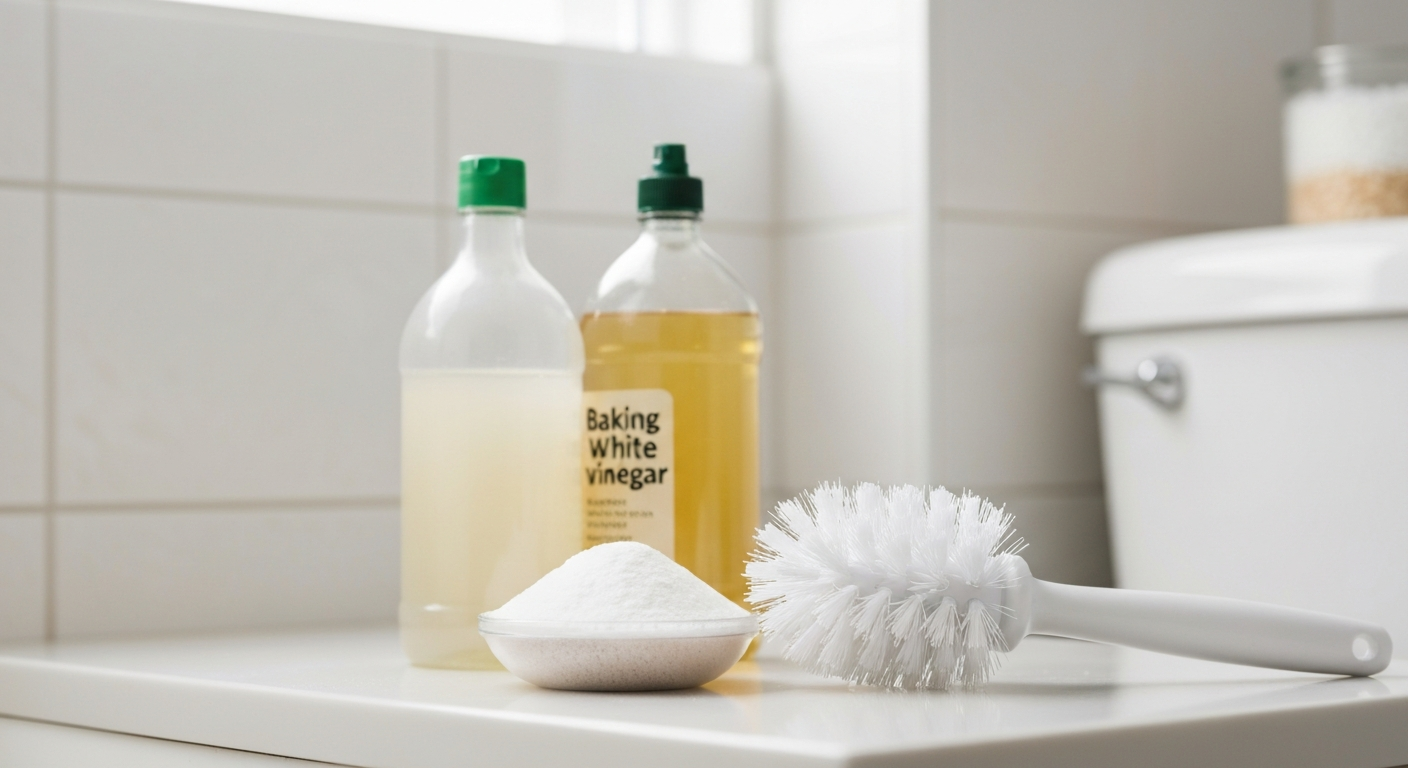
Step 1: Get ready and rinse the brush
Put on household gloves to protect your hands from germs and harsh cleaning products. Make sure the bathroom is well ventilated by opening a window or switching on the fan. Remove larger debris, such as toilet paper, by shaking the brush vigorously in the toilet bowl, then flushing. Hold the brush directly in the swirling water.
Step 2: Prepare the cleaning solution
The easiest option is to clean the brush directly in the toilet. This saves you from carrying an unhygienic brush through your home. Here are several effective methods.
Method 1: Toilet cleaner and hot water
Apply a generous amount of liquid toilet cleaner directly to the toilet brush bristles. Hang the brush in the toilet bowl so the brush head is completely submerged. Then carefully pour a bucket of hot (not boiling) water into the bowl until the brush head is covered. The cleaner and heat work together to loosen dirt and disinfect the brush.
Important note
Never mix cleaning products, especially chlorine-based cleaners (bleach) with acidic cleaners (such as vinegar or some toilet cleaners). This can release dangerous chlorine gas, which severely irritates the respiratory tract and is harmful to your health.
Method 2: Household remedies such as vinegar and baking soda
For a more environmentally friendly option, try these tried-and-tested household remedies. Sprinkle 2-3 tablespoons of baking soda directly onto the wet toilet brush bristles. Then slowly pour about 250 ml of household vinegar over them. The mixture will start to foam straight away. This chemical reaction breaks down organic dirt and neutralizes odors. Leave the brush to soak in the solution in the bowl.
Method 3: Denture cleaner or dishwasher tablets
Products that work well on dentures or heavily soiled dishes can also work wonders on a toilet brush. Dissolve one or two denture-cleaning tablets or half a dishwasher tablet in hot water in the toilet bowl. The enzymes and active oxygen they contain help break down stubborn dirt and bacteria.
Step 3: Let the brush soak and dry
Depending on the method you choose, leave the brush in the cleaning solution for at least 30 minutes, or preferably for several hours. After soaking, rinse the brush thoroughly with clean water by flushing the toilet again. Now comes the most important step: drying. A wet brush is an invitation for germs to grow.
Pro tip
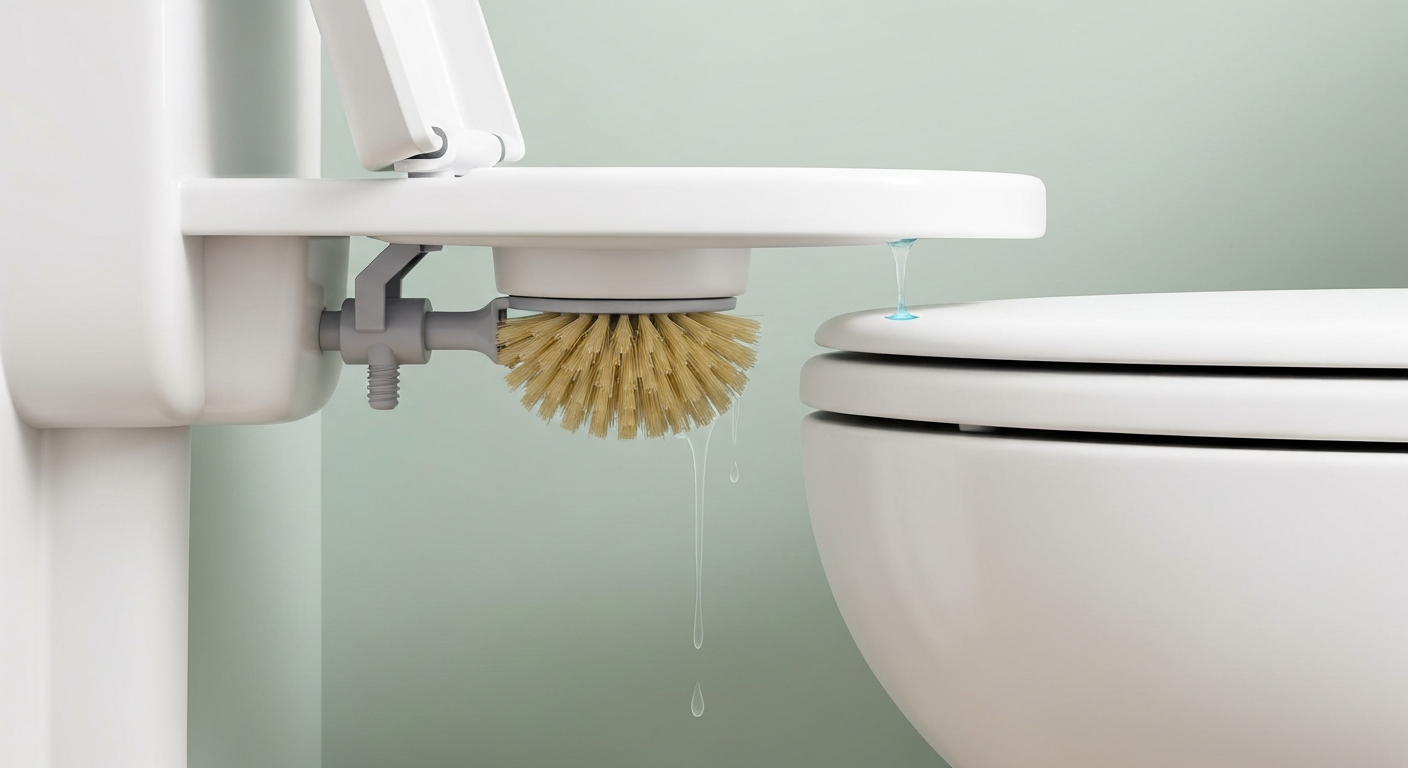
Clamp the toilet brush handle between the toilet bowl and the seat. This lets the brush head hang freely over the bowl so it can air-dry completely. Any remaining water drips straight into the toilet. Put the brush back in its holder only once it is completely dry.
How do you clean a toilet brush holder properly?
Even the cleanest brush won’t help much if its holder is a breeding ground for germs. An unpleasant mix of drips and dirt often collects at the bottom. So clean the holder every time you give the brush a thorough clean.
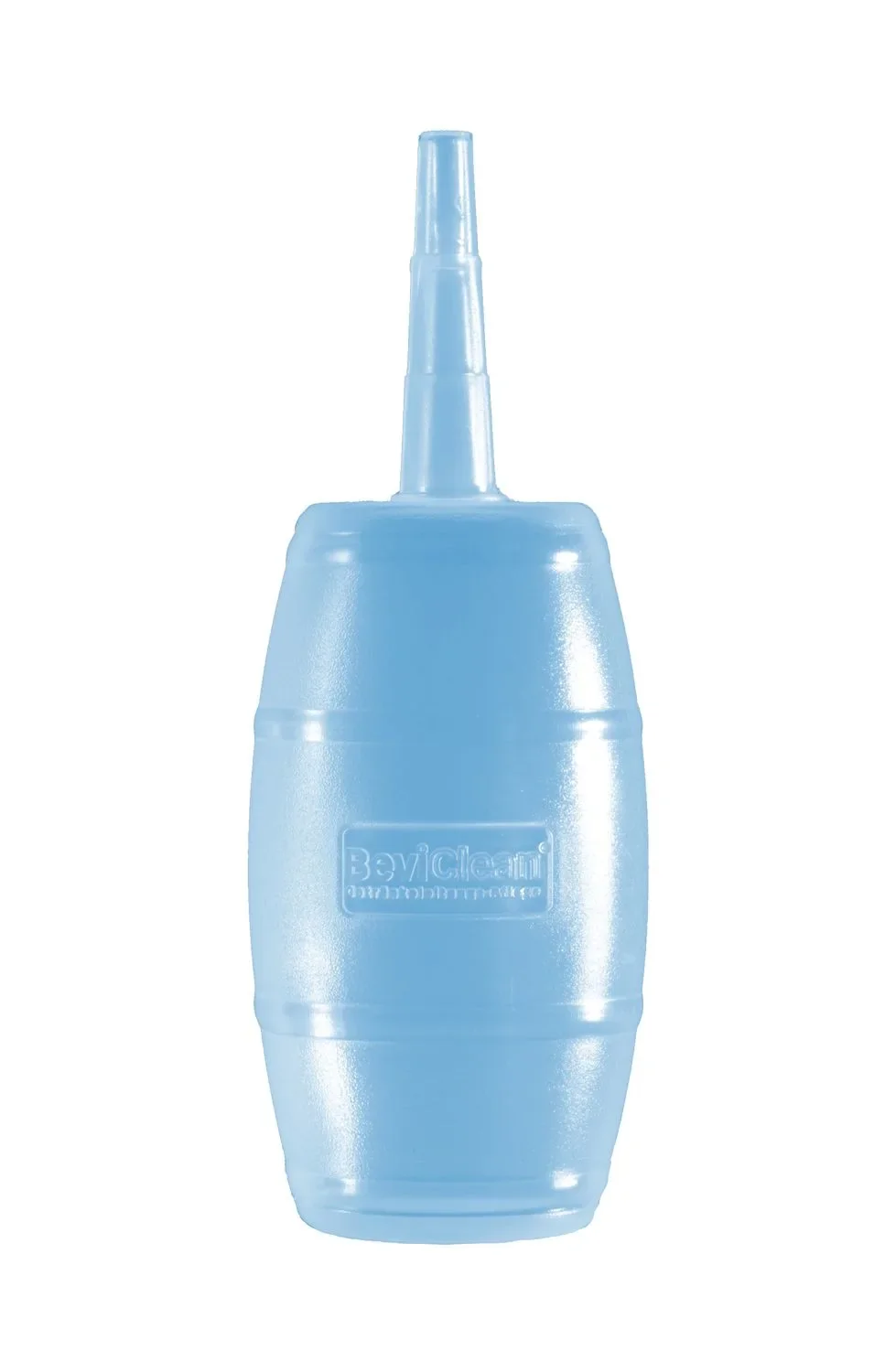
Pour the old water into the toilet. Fill the holder with hot water and a splash of all-purpose cleaner or vinegar. Leave the solution to work for a few minutes, then scrub the inside with an old dish brush or sponge. For tight corners or grooves, a small tool such as the Tap Cleaning Tool, Beer Tap Bellows - Cleaning & Preventing Fruit Flies can help loosen stubborn dirt. Rinse the holder thoroughly and dry it completely before putting the clean, dry brush back inside.
A clean, organized home starts with the tools we use every day. Dirty cleaning tools can’t do their job and spread more problems than they solve.
When is it time to replace your toilet brush?
Even the best care cannot prevent wear and tear forever. A toilet brush is a consumable item. You should replace it after six to twelve months at the latest. Look out for the following signs that indicate it needs to be replaced immediately:
- Deformed bristles: If the bristles are flattened, bent, or have fallen out, they lose their cleaning effectiveness.
- Severe discoloration: Stubborn discoloration that cannot be removed even with thorough cleaning is unhygienic.
- Persistent odor: If the brush still smells unpleasant after disinfection, bacteria have become deeply embedded in the material.
Additional advice
If you do not want to clean the brush in the toilet bowl, use a separate bucket. Fill it with your cleaning solution and leave the brush to soak. Then dispose of the dirty water in the toilet and clean the bucket thoroughly.
More hygiene throughout the bathroom
A clean toilet brush is an important part of a hygienic bathroom. The principles of thorough cleaning can be applied to the entire Plumbing + Irrigation area. A separate basin is ideal for larger cleaning jobs or cleaning heavily soiled items. A sturdy stainless steel utility sink
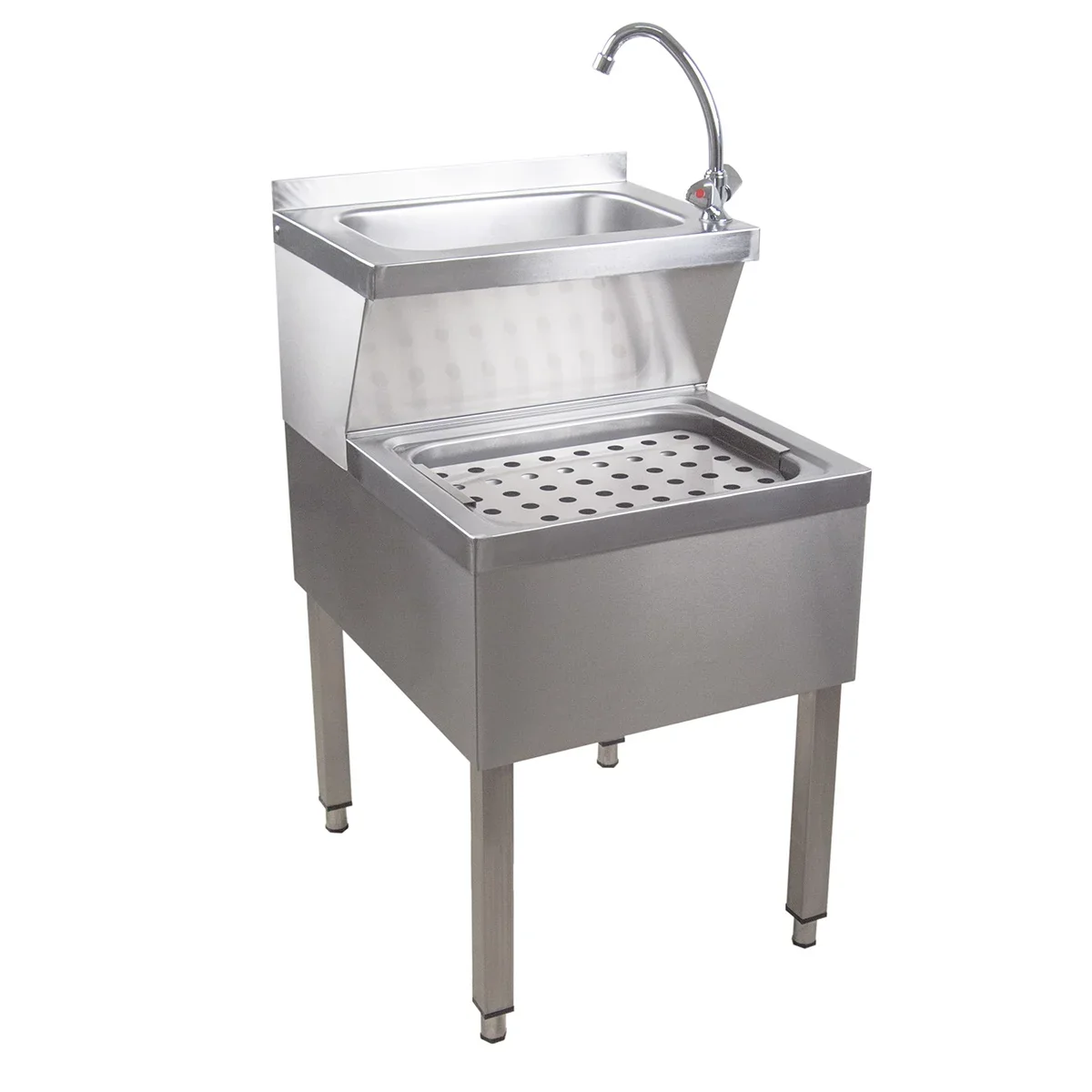
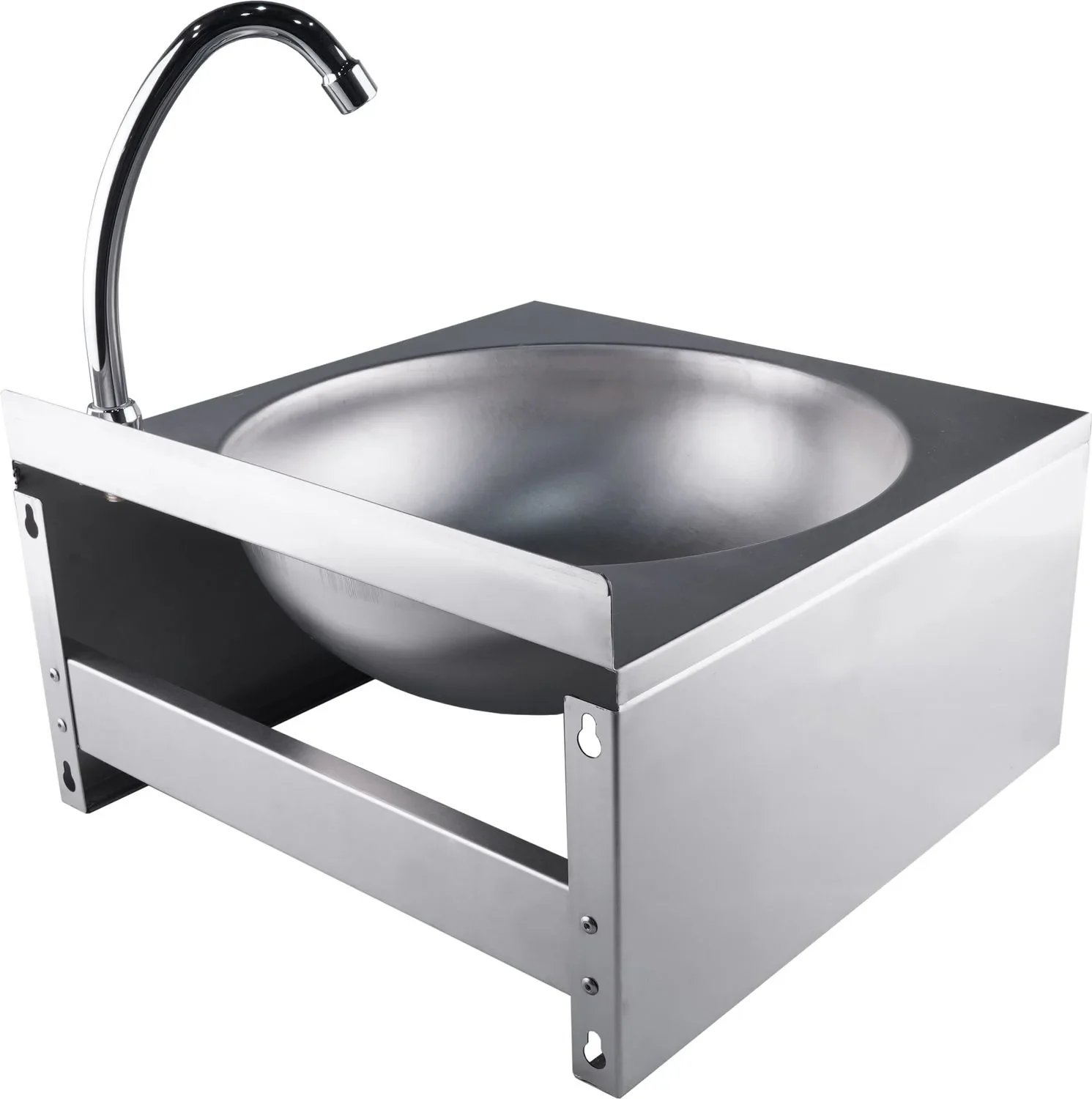
By giving your cleaning equipment the same attention as the surfaces you clean, you create a consistently clean and healthy environment. A clean toilet brush is more than just cosmetic—it actively contributes to your health and well-being at home.
Frequently asked questions
- How often should I clean my toilet brush?
- Give it a quick clean after every use by rinsing the brush in the toilet's flush water. Thorough disinfection is recommended weekly or every two weeks. If someone in your household is ill, clean the toilet brush more often and thoroughly to minimize the spread of germs.
- Can I clean my toilet brush in the dishwasher?
- This is strongly discouraged. It is unhygienic because bacteria from the brush could transfer to your dishes. In addition, most dishwashers do not reach the temperature needed to kill all germs safely. Cleaning the brush in the toilet bowl is the safer and more effective method.
- What is the best household remedy for cleaning a toilet brush?
- A combination of vinegar and baking soda (or baking powder) is highly effective. The chemical reaction loosens dirt and has a disinfecting effect. First sprinkle baking soda over the brush, then add vinegar. The fizzing mixture cleans the bristles thoroughly and in an environmentally friendly way. Denture-cleaning tablets are also an effective alternative.
- Why is it so important to dry the toilet brush?
- Bacteria and mold multiply particularly well in damp conditions. If you place the brush in its holder while it is still wet, you create an ideal environment for germs to grow. A completely dry brush stays hygienic longer and helps prevent unpleasant bathroom odors.
- When should I replace my toilet brush?
- Replace your toilet brush every six months, or after one year at the latest. Visible signs that it needs replacing include badly discolored, bent, or worn bristles, as well as an odor that does not go away even after thorough cleaning. Replacing it regularly is an important part of bathroom hygiene.
You might also be interested in
- Cleaning the bathroom: Top tips for a sparkling bathroom
- Cleaning the toilet: Eco-friendly household remedies
- A spotless bathroom: How to clean bathroom cabinets and mirrors
- Cleaning the washing machine: Keep it hygienic and odor-free
- Cleaning a beer hose: Keep your beer hygienically fresh!
- Blocked drain? Effective tips for cleaning pipes