
In brief: After each use, brush soil and plant debris off your garden sieve and rinse it with water. Dry it completely to help prevent rust on metal models, then store it in a dry, sheltered place. Regular care keeps it working well and helps it last longer.
A garden sieve is an unsung hero in the garden. It separates fine, loose soil from stones, roots, and clumps, and helps you make your own seed-starting mix or sift compost. But like many reliable garden tools, it’s often left in a corner when the work is done. Neglect can shorten its service life. With the right care, your garden sieve can be a reliable partner for many seasons.
Proper garden sieve care starts with choosing the right tool. A sturdy, versatile sieve makes the work easier and is simpler to clean afterward.
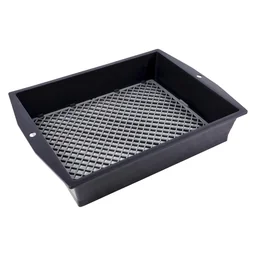
A great example of a well-designed product is the : XL adjustable 2-in-1 garden sieve. Its large working surface lets you sift larger amounts of soil or compost quickly. Interchangeable inserts let you choose the right mesh size for the job, whether you’re sifting fine seed-starting mix or coarse mulch. This modular design makes it a versatile tool for all kinds of garden work.
A clean tool is a safe and effective tool. At the end of every gardening day, I spend five minutes cleaning my equipment. That’s not time wasted; it’s an investment in the tool’s longevity and my own efficiency.
Why is regular garden sieve cleaning so important?
You might think, “It’s only a sieve; it’ll get dirty again anyway.” Over time, that attitude can cost you time and money, and may even affect the health of your plants. Consistent garden tool care has practical benefits.
Help prevent the spread of plant diseases
Old soil residue can harbor fungal spores, bacteria, and pest eggs. If you use an uncleaned sieve for another task, such as preparing seed-starting mix for delicate seedlings, you could transfer these problems to your new plants. Cleaning the sieve helps break that cycle.
Keep it working efficiently
Dried soil, clay, and small stones can clog the mesh. Sifting capacity drops, and the results become uneven. You may have to apply more force and shake the sieve more often to get the same result. A clean mesh lets material pass through freely, making the work quicker and easier.
Extend your garden sieve’s service life
Damp soil left on metal is a common cause of rust. Rust can eat away at the mesh and weaken the frame. On plastic sieves, dirt left on the surface can contribute to brittleness when combined with UV exposure. Regular cleaning and drying help protect your sieve and extend its service life.
Important note
Never use a pressure washer to clean your garden sieve. The powerful water jet can deform the mesh, loosen it from the frame, or tear fine mesh. Use gentle pressure from a garden hose and a brush instead.
Step-by-step guide: How to clean a garden sieve
Thorough cleaning is easier than you might think. Clean the sieve right after use, before the dirt dries and hardens. All you need is water, a brush, and a few minutes.
Step 1: Remove loose dirt
After use, tap the sieve firmly against an edge to dislodge loose soil and stones. Wearing gloves, push stubborn clumps out of the mesh by hand or use a stiff hand brush. Try to remove as much loose material as possible while it’s dry.
Step 2: Rinse and scrub
A standard garden hose is all you need. Spray both sides of the sieve thoroughly. Use a sturdy, stiff-bristled brush or an old dish brush to remove clinging clay and organic residue from the mesh. Work systematically from one corner to the other.
For stubborn, dried-on dirt, soak the sieve in a bucket or tub of water for about 15-30 minutes. The dirt will be much easier to remove afterward. A drop of mild dish soap can help loosen sticky plant sap.
Step 3: Dry it completely to help prevent rust
This step is often overlooked, but it’s essential for metal sieves. Never put the sieve away wet. Stand or hang it in a sunny, well-ventilated place until it’s completely dry. Wipe the frame and mesh with an old cloth to speed things up.
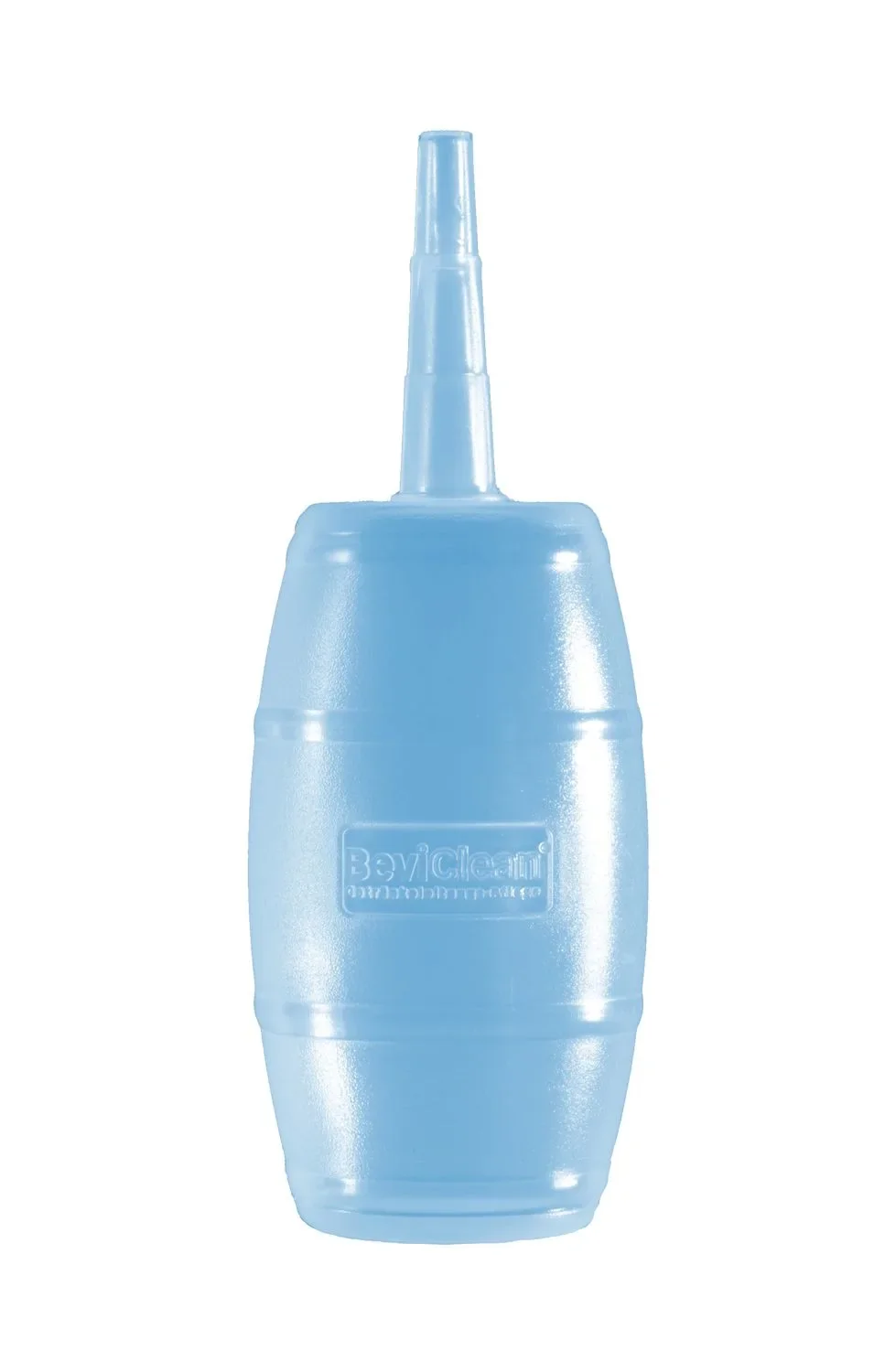
For an extra-thorough dry, use a small air blower, such as the : tap and beer tap cleaning air blower, to blow water droplets out of hard-to-reach corners and overlaps in the mesh. This helps remove moisture that could lead to corrosion.
Pro tip
Fill a bucket with sand and mix in a little oil. After removing the loose dirt from your metal sieve, push it into the sand several times and move it back and forth. The sand gently scrubs away fine dirt and light surface rust, while the oil leaves a protective coating.
How do you care for your garden sieve to make it last longer?
Cleaning is the first step, but proper care goes further. The best way to extend your sieve’s lifespan depends on what it’s made of.
How to care for metal sieves
For metal sieves and sieves with metal mesh, rust is the biggest enemy. After a thorough cleaning and complete drying, apply a thin protective layer of oil. All you need is a cloth lightly moistened with linseed oil, camellia oil or plain machine oil. Wipe it over the mesh and frame. The oil repels moisture and protects the surface.
Check your sieve regularly for early signs of rust. You can remove small rust spots quickly with a wire brush, then apply oil carefully to the area. Other options, such as the : 2-in-1 adjustable large garden sieve, also need proper care.
How to care for plastic sieves
Plastic sieves, such as the : RESPANA garden sieve, black, won’t rust and are easier to care for. Their main weakness is UV exposure. Don’t leave a plastic sieve outdoors. UV rays break down the plasticisers in the material, making it brittle and prone to cracking. After cleaning and drying, store it in a tool shed or garage.
How can you tell when your garden sieve needs replacing?
Even a well-maintained tool will eventually reach the end of its lifespan. Knowing when it’s time to replace it can help you avoid a repair that isn’t worthwhile and keep your work safe. Look out for these signs:
- Rust holes: Surface rust is usually cosmetic, but holes in the mesh mean it’s time to replace the sieve. The sieve loses stability, and the results are no longer reliable.
- Deformed mesh: If the mesh is badly bent or dented, you may not be able to straighten it. Uneven mesh openings can affect how well the sieve works.
- Brittle plastic: If you find cracks in the frame or mesh of a plastic sieve, it’s time for a new one. It could break under pressure and cause an injury.
- Loose mesh: If the mesh keeps coming loose from the frame, the connection is worn out. A lasting repair may not be possible.
Quality tools are an investment that can last for years, not just one season. Choose good materials and give your tools a little care to work more efficiently, sustainably and cost-effectively over time.
Proper storage: How to store your garden sieve safely over winter
Proper storage is an important part of garden tool care. Choose a clean, dry place. Hang your garden sieve on a hook in your garage or shed. This keeps it out of the way, prevents damage and protects it from ground moisture.
Don’t leave it on the floor, where it could become a tripping hazard or have heavy objects placed on it by accident. Before putting your garden + outdoor equipment away for winter, check it over and give the sieve one last coat of oil to protect it through the cold season.
Extra tip
At the end of the gardening season, take inventory and maintain all your garden + plant accessories. Sharpen spades, clean rakes and sort your pots. Collect the sifted material in a garden waste bag and save it to improve your soil next spring.
A garden sieve is more than wire mesh in a frame. It’s a precision tool that helps you create the best conditions for your plants. Take the time to clean and care for it, and this simple but useful tool can serve you reliably for many years.
Frequently Asked Questions
- How often should I clean my garden sieve?
- Clean your garden sieve after every use. A quick brush-off keeps soil and plant sap from drying on. If you use it regularly, give it a more thorough wash once a week or once a month, depending on how dirty it gets and what it’s made of.
- Can I clean my garden sieve with a pressure washer?
- We don’t recommend it. High water pressure can bend or damage the fine mesh, especially on less expensive models, or even push it out of the frame. A brush and a regular garden hose are safer and gentler options.
- How do I remove rust from a metal sieve?
- Use a wire brush or steel wool to remove light surface rust. For more stubborn rust, sand the affected areas. Once the rust is gone, dry the sieve thoroughly and apply a protective oil to help prevent rust from returning.
- What oil should I use on a metal garden sieve?
- Several oils work well. Boiled linseed oil forms a protective coating. Camellia oil, a traditional Japanese tool-care oil, and plain resin-free machine oil are also good choices. Apply a very thin layer with a cloth.
- My plastic sieve has become brittle. What can I do?
- Once UV exposure has made plastic brittle and caused cracks, there’s little you can do to reverse the damage. Prevention is key: store your sieve in a shed or garage instead of direct sunlight to help it last longer.
You may also be interested in
- Garden Sieve Throughout the Year: When Your XL Sieve Is Essential
- XL Garden Sieve 2-in-1: A Guide to Perfect Compost & Garden Soil
- Caring for Garden Tools: How to Make Your Tools Last Longer
- Cleaning & Caring for Privacy Netting: How to Make It Last Longer
- Caring for and Cleaning a Garden Sack: How to Make It Last
- Poor Soil? 7 Garden Sieve Tips for Healthy Plants