
In brief: Clean your dishwasher by washing away grease and food residue with hot vinegar water, then remove limescale with citric acid or a specialist cleaner. Regularly run an empty hot cycle and clean the filter and seals to prevent odours and keep your appliance working well. For stubborn buildup, use dishwasher cleaning tablets or replace worn parts such as the drain hose.
Why your dishwasher needs regular care
Your dishwasher works out of sight, washing dishes with hot water and powerful detergent. Even so, grease, food residue and limescale can build up inside and reduce its cleaning performance.
You might notice white marks on glasses or a musty smell when you open the door. These are clear signs that your dishwasher needs attention. Limescale can clog the spray-arm nozzles, while grease coats the inside of the machine.
A dirty dishwasher can use more energy. Limescale acts as an insulating layer, making the heating elements work harder, while restricted pipes make the pump work harder. Regular cleaning can save electricity and water, and help your appliance last longer.
Before you start: How to prepare your dishwasher
Make sure the dishwasher is empty, then remove the dish racks to reach every corner. Check the filter at the bottom of the machine, where larger food scraps collect.
Rinse the filter under running water. If needed, use an old toothbrush to remove stuck-on food. A clean filter helps your dishwasher work properly and prevents drain blockages.
Pull out the lower dish rack. You will often find the rinse-aid dispenser and salt reservoir behind it. Wipe these areas dry too, as limescale and detergent residue can build up there.
How to remove grease and odours with home remedies
Grease is one of the main causes of dishwasher buildup. It can settle on the walls, hoses and pump rotor. White vinegar is a simple home remedy: fill a cup with vinegar and place it upright in the upper rack.
Acetic acid dissolves grease and disinfects at the same time. Use the right amount to avoid damaging materials. A small splash in the wash cycle is enough.
Run the hottest, most intensive wash cycle available. The vinegar evaporates and condenses on the interior surfaces, helping dissolve grease and neutralise odours. After the cycle, wipe away any residue with a damp cloth.
Citric acid powder is another option. Add two tablespoons to the detergent compartment, then run a hot cycle with no dishes. The acid helps remove limescale and grease, and leaves a fresh scent.
Important note
Never mix vinegar with baking powder or baking soda directly in the dishwasher. The resulting foam may look effective, but the reaction neutralises the cleaning power of both ingredients. Use them in separate cleaning cycles.
How to descale your dishwasher: Step-by-step guide
Limescale forms a hard, white coating. It can interfere with heat transfer and narrow water channels. Use an acidic product to descale your dishwasher, such as vinegar essence or citric acid.
Pour 200 ml of vinegar essence into a heat-resistant bowl and place it in the upper rack. Start a short programme at 60 degrees. Pause the programme halfway through and leave it for about 30 minutes.
This contact time gives the acid a chance to dissolve the limescale. After the pause, let the programme finish. Open the door to let steam and odours escape. Once the dishwasher has cooled, wipe the loosened limescale from the walls.
If the spray arms are heavily scaled, remove them and soak them in a bowl of diluted citric acid solution. Rinse them after a few hours to clear the nozzles.
Which dishwasher cleaning products make the job easier?
Home remedies have their limits. Specialist products are better for a thorough clean that is gentle on materials. They contain carefully balanced blends of acids and surfactants.
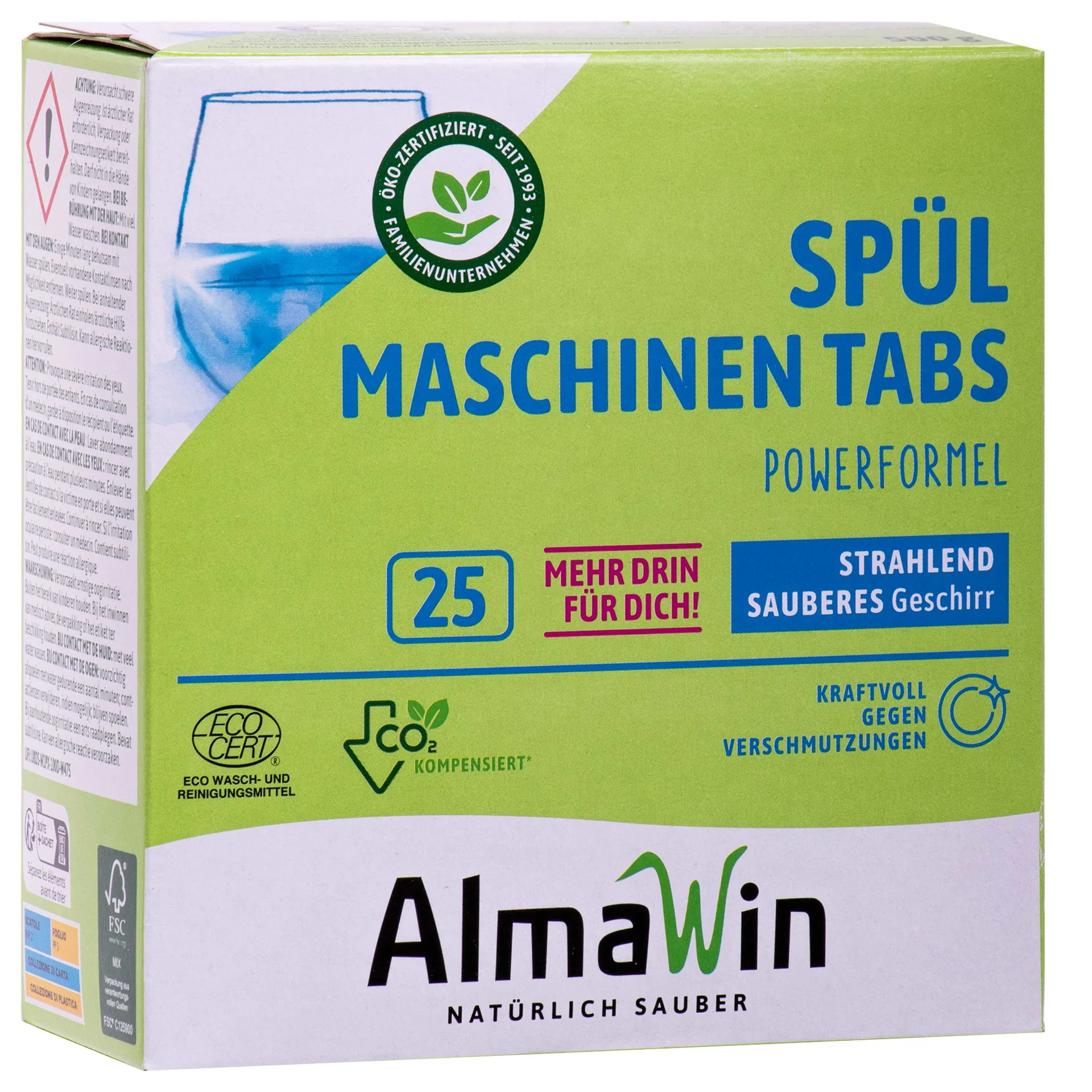
These tablets are made for deep cleaning. They dissolve grease and limescale at the same time. Place one inside the dishwasher, not in the detergent compartment, then run the hottest programme without a pre-wash. Your appliance will come out hygienically clean.
A clear drain hose is essential for draining wastewater properly. Blockages in the hose are a common cause of odours and backflow.
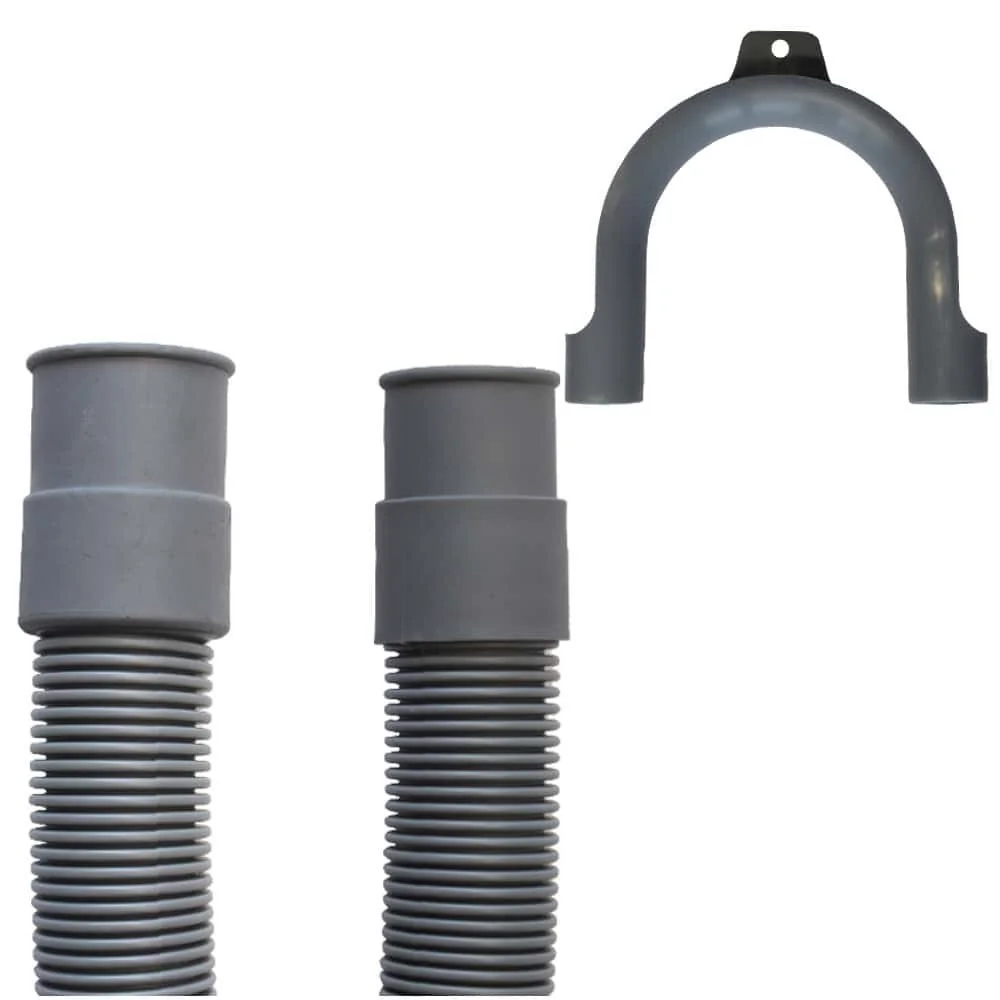
An undamaged hose helps dirty water drain quickly. Check regularly that it is installed without kinks. Replacing it after several years can help prevent leaks.
Pro tip
Regularly wipe the door seals with a cloth dampened with vinegar water. Moisture and food residue can collect there and encourage mould growth. Dry the rubber seals thoroughly after cleaning.
Common dishwasher problem areas and how to clean them
Some areas are harder to reach than others. The edge of the door is a common trouble spot where crumbs and liquids collect. Clean it with a damp cotton swab or soft brush.
Limescale or foreign objects such as cherry pits can block the spray-arm nozzles. Carefully clear the holes with a toothpick, then turn the arms by hand to check that they move freely.
The area around the door latch is often overlooked, but residue can build up there too. Wipe it away with a damp microfibre cloth. Let cutlery baskets dry between wash cycles.
A clean dishwasher is essential for hygienically clean dishes. Regularly maintaining simple parts such as the filter and spray arms has the greatest effect on cleaning results.
Specialist brushes are useful for cleaning hard-to-reach spots. Our Garden + Outdoor range often includes sturdy accessories that are handy around the home, too. For everyday household care, take a look at our maintenance supplies.
How to keep your dishwasher clean for longer
Scrape large food scraps off dishes before loading the dishwasher. This reduces the strain on the filter. Add dishwasher salt regularly, even if you use all-in-one tablets. Dishwasher salt regenerates the water softener and helps prevent limescale from building up on the heating element.
Leave the dishwasher door slightly open after the cycle ends. This lets moisture escape and helps prevent mould and musty smells. A dry interior is your best defence against bacteria.
Run an empty hot cycle every four to six weeks, using either a home remedy or a dishwasher cleaner. Regular cleaning helps keep your dishwasher in good working order. You can also find practical products for a clean home in our Sanitary + Irrigation category.
Extra tip
Check your dishwasher drain hose every few months for kinks or cracks. A blocked or incorrectly positioned hose can cause water to back up and create unpleasant smells. Make sure it is installed at the correct height so water can drain properly.
When home remedies aren’t enough
Problems can persist even with regular maintenance. A lingering bad smell may point to a blockage in the drainage system. In these cases, home remedies may not be enough.
You may need to check the drain hose or inspect the pump for foreign objects. Special tools can help clean small valves and taps, including those used in dishwasher systems.
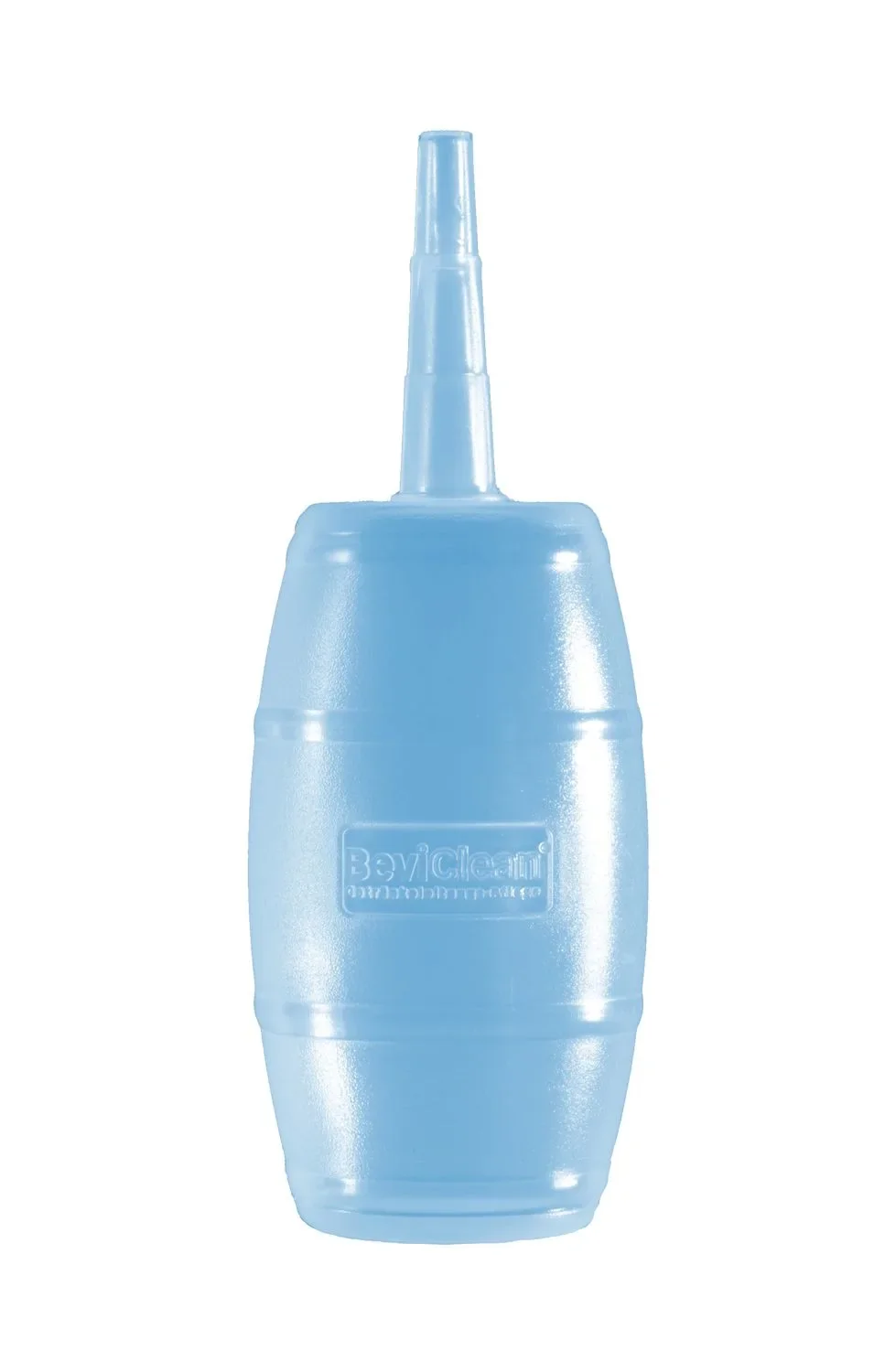
This air pump creates pressure to clear blockages in narrow pipes. The same principle can help clear a blocked dishwasher drain. You can also find products for household cleaning and maintenance in our garden tools and power tools sections.
If your dishwasher still won’t dry or clean properly after these steps, it may have a fault. Limescale buildup on the heating element can cause it to overheat, especially if the dishwasher hasn’t been descaled regularly. Preventive maintenance is usually cheaper than repairs.
What to do after cleaning your dishwasher
After a thorough clean or descaling, run a short cycle without detergent to rinse away any remaining acid. Then refill the dishwasher salt and rinse aid compartments.
Wipe the door and front with a mild all-purpose cleaner to leave the appliance shining. Put the clean racks and filters back in place. Your dishwasher is ready for its next load of sparkling clean dishes.
Set up a regular cleaning routine. Write the date of the last clean on the dishwasher door with a water-soluble pen to help you keep track. A well-maintained dishwasher can serve you reliably for many years.
A few minutes of regular maintenance can save you time, money and hassle. Enjoy sparkling clean dishes and the peace of mind that comes with a hygienically clean kitchen. Why not start your first cleaning cycle today?
Frequently Asked Questions
- How often should I clean and descale my dishwasher?
- Clean the filter and seals every two weeks. Give your dishwasher a thorough clean and descale it with vinegar or lemon every one to two months. If your water is very hard or you use the dishwasher frequently, clean it once a month.
- Can I put baking powder and vinegar in the dishwasher at the same time?
- No, it’s not recommended. The chemical reaction neutralizes the cleaning effects of both home remedies. Use baking powder or baking soda on its own to neutralize odors, then use vinegar or citric acid in a later cycle to descale.
- Why does my dishwasher still smell bad after cleaning?
- A musty smell is often caused by grease and food residue in the filter or drainage system. Check the drain hose for blockages and clean the fine filter thoroughly. If the dishwasher stays damp and dirty for a long time, mould can also form on the seals.
- Can home remedies such as vinegar damage my dishwasher?
- Undiluted household vinegar can damage seals and metal parts over time. Dilute it well with water or use a gentler specialist cleaner, such as citric acid powder. For regular maintenance, dishwasher cleaning tablets are a safer choice.
- Which parts of the dishwasher should I clean besides the filter?
- Clean the spray arms and nozzles regularly to remove limescale. Wipe the door seal with a damp cloth and remove food residue from the door folds. Clean the rinse aid compartment and salt reservoir occasionally, too.
You might also be interested in
- How to clean your dishwasher: Home remedies and tips
- How to clean your washing machine and keep it odor-free
- How to clean and descale your coffee maker: The complete guide
- Protect your dishwasher: How 13-in-1 tablets fight limescale and odors
- Get more from your dishwasher: Cleaning more than dishes
- How to descale a shower head and get it sparkling clean