
In brief: Vinegar essence dissolves limescale, neutralizes many odors and, when diluted, can be used in bathrooms, kitchens and on some household surfaces. For more sustainable cleaning, mix it with water according to the task, test the solution in an inconspicuous spot and avoid natural stone, sensitive metals and any combination with chlorine-based cleaners.
Short answer: Vinegar essence dissolves limescale, neutralizes many odors and, when diluted, can be used in bathrooms, kitchens and on some household surfaces. For more sustainable cleaning, mix it with water according to the task, test the solution in an inconspicuous spot and avoid natural stone, sensitive metals and any combination with chlorine-based cleaners.
Vinegar essence is a concentrated household solution for tackling limescale. When diluted correctly, it can clean faucets, showerheads, tile and some kitchen appliances. However, it is not a substitute for every specialty cleaner or for checking whether a surface is compatible with acid.
What is vinegar essence, and how does it work around the home?
Vinegar essence is concentrated acetic acid diluted with water. Commercial products often contain 25 percent acid, while table vinegar is usually much less concentrated. Check the label before mixing, since the concentration determines how much you need to dilute it.
Acetic acid reacts with limescale. It loosens mineral deposits, making white marks and hard buildup easier to wipe away. However, it has a limited effect on grease and is not a substitute for disinfectant.
Vinegar, vinegar essence or vinegar cleaner?
Table vinegar is already diluted and works for light limescale. Vinegar essence contains more acid per bottle, so you need less product and packaging for the same cleaning task. Vinegar cleaner is usually a ready-to-use mixture with added surfactants.
A ready-made vinegar cleaner is convenient if you do not want to measure ingredients yourself. A concentrate is a better fit if you need different strengths and use a reusable spray bottle. Neither should be used on materials that are sensitive to acid.
What dilution should you use?
For most household tasks, a solution with about five percent acetic acid is enough. To make it from 25-percent vinegar essence, mix one part vinegar essence with four parts water.
- Light limescale: one part vinegar essence to ten parts water.
- Regular cleaning: one part vinegar essence to four parts water.
- Stubborn buildup: use a stronger mixture only briefly and after checking that the material is compatible.
Expert tip
Label every bottle you mix yourself with its contents, concentration and mixing date. Apply the solution with a cloth or sponge instead of spraying a fine mist. This limits airborne droplets and helps you control the dilution.
How can you use vinegar essence around the home?
Vinegar essence is especially useful for mineral deposits and residue that causes odors. Dissolve the limescale, wipe away the loosened residue and rinse with clean water. A shorter contact time means less risk to sensitive surfaces.
Cleaning the bathroom and removing limescale
Diluted vinegar essence can clean acid-resistant faucets, showerheads, glass shower doors and ceramic tile. Soak a cloth, place it over the limescale and let the solution work for a few minutes. Then wipe thoroughly and dry the surface to prevent a new film of water from forming.
You can soak a removable showerhead in a bowl. Check the seals, coatings and manufacturer's instructions first. Do not leave chrome-plated parts in acid for hours, as the finish may become dull.
Caring for kitchen surfaces and household appliances
Kettles, faucets and sinks show limescale especially clearly. Vinegar essence dissolves these deposits but will not remove baked-on grease. For greasy surfaces, use a suitable all-purpose or kitchen cleaner, then treat the limescale separately.
For coffee makers, superautomatic espresso machines and steam cleaners, follow the manufacturer's instructions. Some appliances require a special descaler because acetic acid can damage seals, pumps or other components. Never pour undiluted vinegar essence into an appliance.
Odors and hard-to-reach areas
Vinegar essence can reduce odors in washable areas that are safe for acid. Wipe away the source first, since acid cannot permanently cover up a dirty surface. Ventilate the area while cleaning and let the vinegar smell dissipate completely.
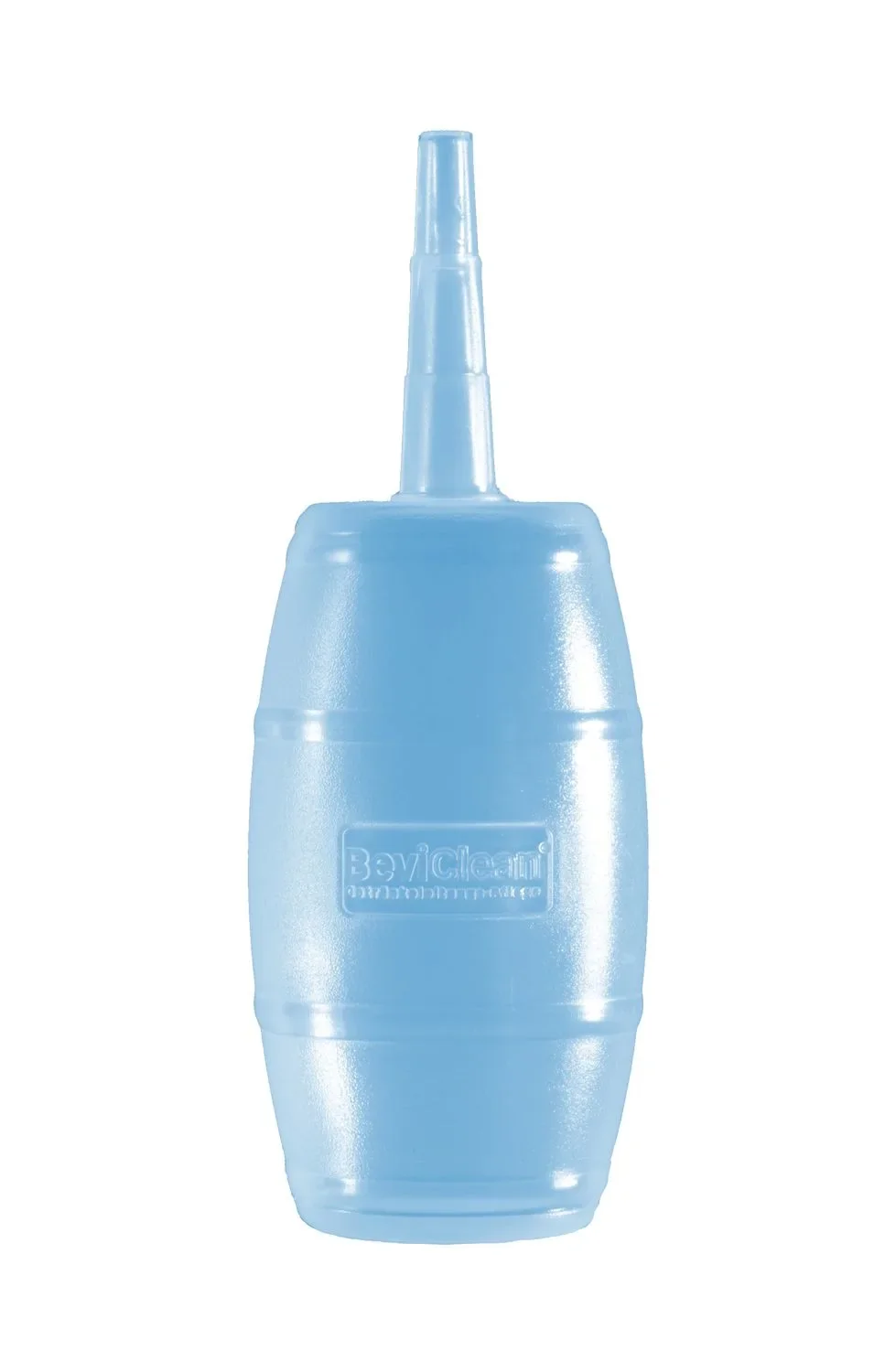
Faucet outlets, drip trays and narrow lines also need to be cleaned mechanically. For a beer or beverage tap, , use a bellows cleaning system to remove residue and help prevent vinegar flies. Rinse all parts thoroughly with water afterward.
“Using less cleaning product and choosing the right dilution can reduce the impact on the environment and your home.”
How do you descale kettles, faucets and drains at home?
When descaling, the order matters: check the material, measure the solution, let it work briefly, wipe it off and rinse thoroughly. Use small quantities. A stronger acid solution will not necessarily clean better, but it does increase the risk of damage.
A safe step-by-step method
- Check the surface: Look for natural stone, aluminum, damaged coatings and sensitive seals.
- Mix the solution: For normal mineral buildup, mix 25-percent vinegar essence with water in a ratio of one to four.
- Apply: Put the solution on a cloth or directly on the acid-resistant surface. Avoid creating unnecessary spray mist.
- Let it work briefly: Keep an eye on the surface and do not let the solution dry.
- Rinse: Wipe several times with clean water, then dry the surface.
Descaling a kettle
Fill the kettle with a diluted solution until the heating surface is covered. Do not heat the mixture unless the operating instructions expressly permit it. Let it work briefly, empty the kettle and rinse it several times with fresh water.
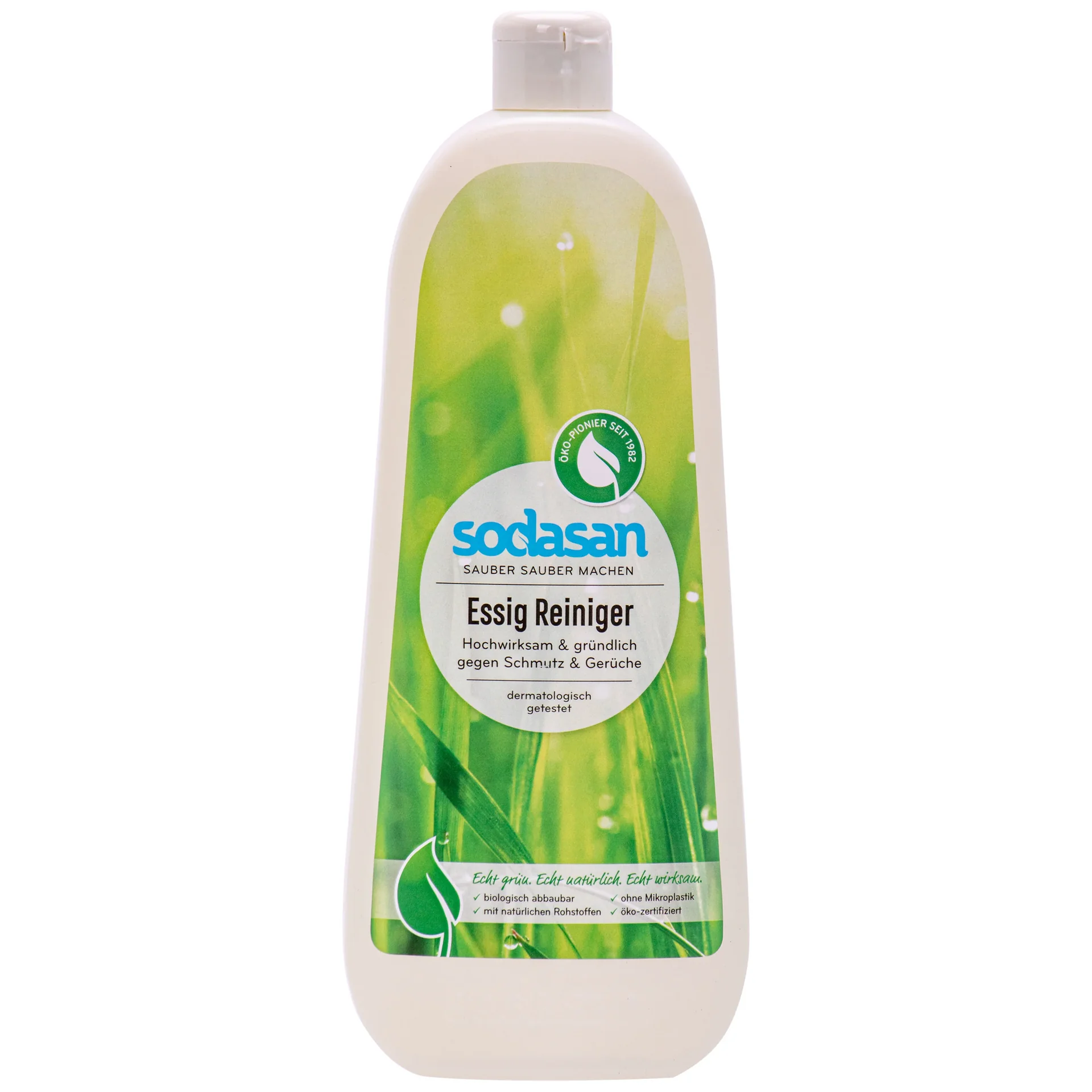
If visible mineral deposits remain, repeat the process with a weaker solution. If the kettle still smells of vinegar, boil clean water twice and discard it. A ready-to-use alternative is , the SODASAN vinegar cleaner with a 1 Liter capacity.
Descaling faucets and shower heads
Wrap a cloth soaked in diluted vinegar essence around the affected area. This keeps the liquid where it needs to work and prevents it from reaching wall joints or sensitive nearby surfaces. After a few minutes, wipe away the mineral deposits with a soft cloth.
For pipes, connections and accessible water components, you will find other suitable solutions in the Sanitation + Irrigation category. If you rent your home or have a permanently installed system, check the manufacturer's specifications first.
Cleaning drains
Vinegar essence removes mineral buildup around the drain, but it will not clear deep blockages. Remove hair and debris by hand, clean the trap and flush with plenty of water. Acid solutions will not fix damaged or leaking pipes.
If you are looking for components for a home drain pipe system, visit the Home Drain Pipe System category. Never use chemical drain cleaners together with vinegar essence.
Important note
Never mix vinegar essence with chlorine-based cleaners, bleach or drain cleaners. Acid and chlorine products can release toxic chlorine gas; other combinations may react strongly and splash. Rinse the surface thoroughly with water before using another cleaning product.
How can you make your own cleaning products?
For many mineral-buildup tasks, all you need to make your own cleaning products is vinegar essence, water, a measuring container and a labeled bottle. Always mix in the correct order, and never pour the solution into an unlabeled drink bottle. Keep the mixture out of reach of children and pets.
All-purpose solution for acid-resistant surfaces
To make 500 milliliters of ready-to-use solution, mix 100 milliliters of 25-percent vinegar essence with 400 milliliters of water. This mixture is suitable for ceramic tiles, acid-resistant faucets and mineral buildup around drains. Apply it with a cloth and rinse with water after letting it work briefly.
A mild version for light deposits contains 50 milliliters of vinegar essence and 450 milliliters of water. It is gentler on materials and is often enough for regular cleaning. For heavy mineral buildup, leaving the solution on a cloth for longer works better than continually increasing the concentration.
Soaking solution for removable parts
For shower screens, aerators or other small removable parts, mix 200 milliliters of vinegar essence with 800 milliliters of water. Soak the parts only until the mineral deposits dissolve. Remove seals beforehand if the instructions require it.
Rinse each part thoroughly after soaking, and refit it only when no acid residue remains. Check threads and seals for cracks. Replace damaged parts instead of trying to save them by soaking them for longer.
What should you leave out of homemade cleaning solutions?
- Chlorine or bleach: The mixture can produce dangerous gases.
- Baking soda or washing soda: These neutralize the acid, reducing its ability to dissolve mineral deposits.
- Essential oils: They do not reliably improve cleaning and can irritate the skin or respiratory tract.
- Large amounts of dish soap: Too much surfactant leaves a film and takes longer to rinse away.
For your homemade mixtures, , the vinegar base with a 1 Liter capacity, is a suitable starting point. Always follow the concentration and safety instructions for the product you are using.

Which surfaces should you keep vinegar essence away from?
Acid dissolves mineral deposits, but many materials that contain them are themselves made from sensitive minerals. That is why you should not use vinegar essence on every surface with white deposits. Always test it on an inconspicuous area first and wait for the surface to dry.
Natural stone, grout and mineral building materials
Marble, limestone, travertine, terrazzo and other calcareous natural stones can become dull, rough or stained when exposed to acetic acid. Cement-based grout, concrete, shell limestone and certain stone sealants can also be sensitive to acid. Use a pH-neutral cleaner approved by the manufacturer.
Metal, wood and seals
Aluminum can discolor or tarnish. Copper, brass, uncoated metals and damaged chrome surfaces can also be damaged. Unsealed wood, oiled surfaces, painted finishes and rubber seals often do not tolerate prolonged contact with acid.
Wipe up splashes immediately, especially on washers, refrigerators and kitchen cabinets. For appliances with sensitive seals, use only an approved care product. Otherwise, acid can get into gaps where it may continue to work for a long time.
Gardens, plants and outdoor surfaces
Do not use vinegar essence as a weed killer or pour it onto soil, flower beds or compost. The acid can damage plants, soil organisms and nearby materials. The same rules apply to natural stone slabs, concrete and outdoor joints as to surfaces inside the home.
“Acid can dissolve mineral deposits, but it can also damage natural stone and other sensitive materials.”
How sustainable is cleaning with vinegar?
Sustainable cleaning does not mean using vinegar on every surface. You can reduce your environmental impact by using the right concentration, choosing durable, reusable tools, and selecting the right cleaner. Concentrated vinegar can replace several specialty products when you use it only where acid is suitable and safe.
Use less product and packaging
A concentrate requires less liquid than a ready-to-use cleaner for the same number of uses. Even so, mix only as much as you expect to use soon. This saves packaging, avoids unnecessary storage, and prevents a mislabeled solution from being left around the home.
- Use a sturdy, reusable bottle made from suitable material.
- Measure with a measuring cup or syringe instead of estimating.
- Wash and reuse microfiber and cotton cloths several times.
- Remove limescale mechanically with a brush or cloth first.
- Use a suitable product for grease, protein, and heavy soil.
Clean outdoor areas properly
On patios, balconies, and garden furniture, water and a brush are often enough. Remove algae and other green growth mechanically, and collect dirty water so it does not run into flower beds. For suitable equipment and care products for your property and patio, visit the Garden + Outdoor category.
For heavy-duty cleaning tasks and supplies, you will find more household and business solutions in Business Supplies. A good brush reduces the need for chemical products by loosening deposits directly.
Which tools make cleaning easier?
For hard-to-reach drip trays and narrow cleaning areas, , a cleaning brush with a 1300-millimeter Bowden cable is a useful tool. It lets you reach places a cloth cannot. Rinse the brush after use and let it dry completely.
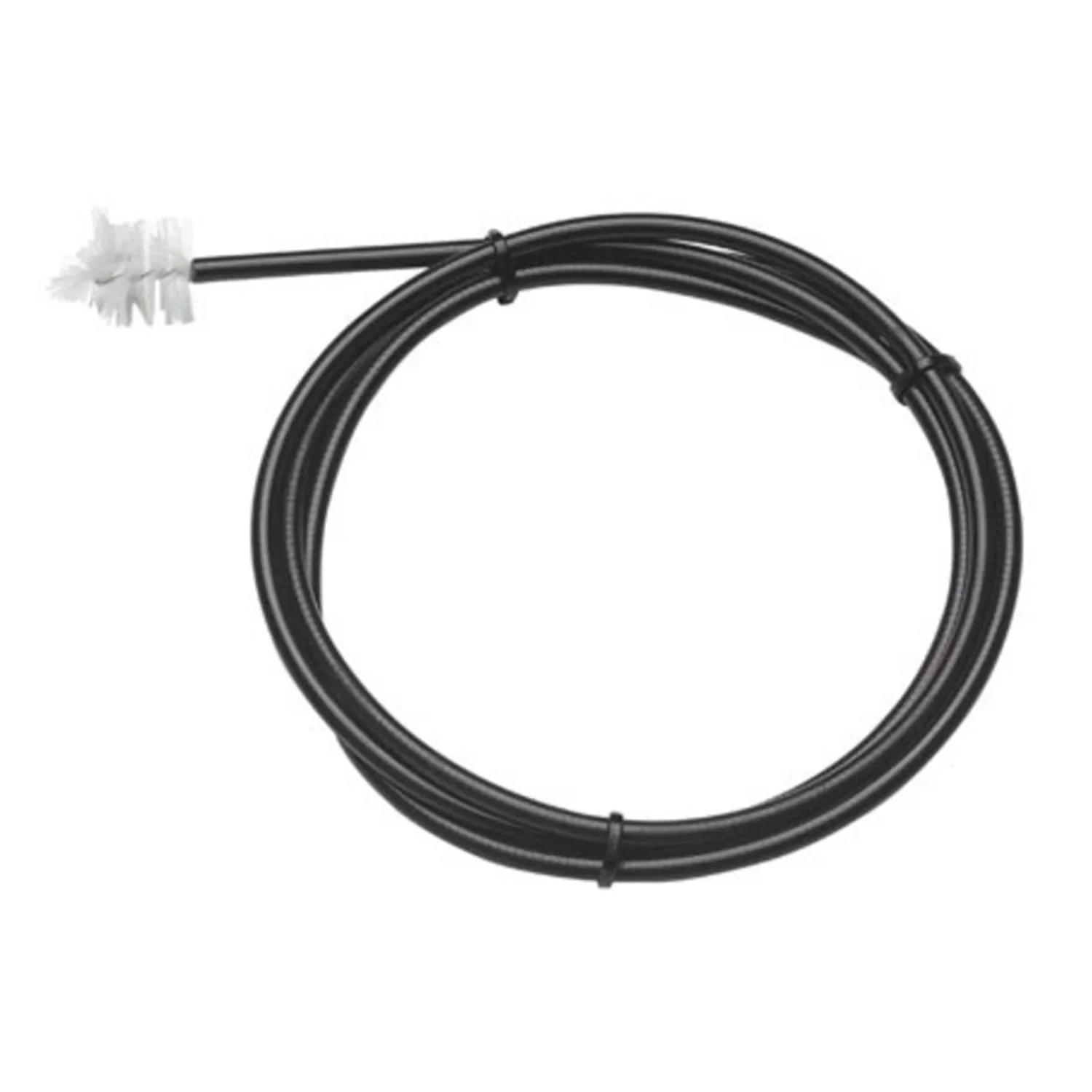
For beer taps and beverage lines, use . For regular limescale removal on suitable surfaces, choose as a ready-to-use cleaning vinegar or as a base for your own solutions.
Additional advice
Plan your cleaning based on the cause: limescale needs acid, grease needs a suitable surfactant, and hair needs to be removed mechanically. Matching the product to the type of dirt helps you clean faster, use less product, and protect the surface.
Concentrated vinegar is a versatile household limescale remover with a short list of ingredients. Dilute it correctly, use a cloth and brush, rinse thoroughly, and keep it away from natural stone, sensitive metals, plants, and chlorine-based cleaners. This lets you use it effectively while keeping material risks manageable.
Frequently Asked Questions
- How do I dilute concentrated vinegar for cleaning?
- For standard 25% vinegar concentrate, mix one part concentrate with four parts water to make an approximately 5% cleaning solution. A weaker mixture is enough for light limescale deposits. Check the concentration on the label, wear gloves, and test the solution on an inconspicuous area first.
- Can I clean every surface with concentrated vinegar?
- No. Acid can damage natural stone, marble, limestone, terrazzo, sensitive grout, aluminum, untreated wood, and some rubber seals. Use concentrated vinegar only on suitable, acid-resistant surfaces, leave it on for a short time, and rinse thoroughly with water. Check the manufacturer's instructions if possible.
- Does vinegar remove limescale from a kettle?
- Yes, a diluted solution can dissolve limescale in a kettle. Fill the appliance only enough to cover the heating element, do not heat the solution unnecessarily, and rinse several times afterward. Follow the manufacturer's instructions, especially for appliances with aluminum parts or special coatings.
- Can I mix concentrated vinegar with other cleaning products?
- Never mix concentrated vinegar with chlorine cleaners, bleach, or chemical drain cleaners. Dangerous fumes or vigorous reactions may occur. Combining it with baking soda also neutralizes the acid and removes the main cleaning benefit of both products. Use one product at a time, and rinse the surface with clean water beforehand.
- How sustainable is cleaning with concentrated vinegar?
- Concentrated vinegar can be a more sustainable choice because a concentrated base reduces packaging and transportation and can replace many specialty cleaners. It is sustainable only when used at the right concentration, stored for a reasonable time, and disposed of correctly. Avoid using too much, adding unnecessary fragrances, or using it in the garden, where acid can damage plants and soil.
You may also be interested in
- Vinegar Cleaner: Natural Power for Home & Garden
- Vinegar for Weeds: How Effective Is It and What Are the Alternatives?
- Repelling Mice with Vinegar: Does This Home Remedy Work?
- Effective Home Cleaning Remedies: Clean Naturally
- Spring Cleaning in the Garden: Clean Paths & Patios with Vinegar
- Buy Permaclean Acetum: Your Guide to Cleaning Vinegar