
In brief: Clean frosted glass without streaks using lukewarm water and mild dish soap or a vinegar solution. Dry the glass immediately after washing with a microfiber cloth to prevent smears. For stubborn bathroom limescale, a paste made with lemon juice and baking soda can help. Avoid abrasive cleaners, which can scratch the matte surface.
Why does frosted glass need to be cleaned differently from clear glass?
Frosted glass has a matte, slightly rough surface. This texture scatters light and creates its characteristic obscured effect. That same property makes it more challenging to clean.
Water, limescale, and cleaning product residue do not dry evenly. They collect in microscopic depressions and show up as unattractive streaks. Traditional window cleaning techniques rarely produce the desired results.
Abrasive cleaners or sponges can permanently scratch the delicate surface. This affects how light is scattered and can make the glass look patchy. The right cleaning method protects the surface and helps you get a streak-free finish.
Which cleaning products are suitable for frosted glass?
You do not need expensive specialty products. The best solutions are often already in your home. The key is to choose a formula that is mild but effective.
Proven home remedies
Vinegar solution is a classic. Mix one part white vinegar with four parts lukewarm water. The acid effectively dissolves limescale, especially in the bathroom on shower doors or faucets.
Dish soap and lukewarm water make an effective grease-cutting solution. A few drops are enough for one liter of water. This mixture reliably removes fingerprints, water spots, and light dirt.
Lemon juice works much like vinegar but leaves a fresh scent. For stubborn limescale, mix it with baking soda to make a cleaning paste.
Commercial cleaners
Choose pH-neutral glass cleaners. They are gentle on the surface and leave less residue. Specialty bathroom and kitchen cleaners are designed to tackle limescale.
For frosted glass, it is essential to leave as few streaks as possible. Microfiber cloths are hard to beat because they absorb moisture without leaving fibers that become visible as the glass dries.
Products such as the
are designed for metal surfaces, but they often dry streak-free on glass, too. Always test these products on a small, inconspicuous area first.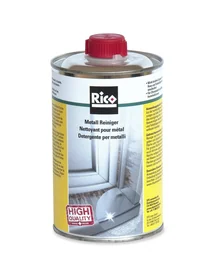
Important note
Avoid cream cleansers, coarse scouring pads, and steel wool. They can irreparably scratch the matte surface of frosted glass. Harsh chemical cleaners such as drain cleaner or chlorine-based products can also damage the surface.
How do you clean frosted glass in the bathroom without streaks?
The bathroom is the biggest challenge. High humidity, limescale in the water, and soap residue can build up stubbornly on shower doors, windows, and mirrors.
Start by removing any loose dirt. Rinse the surface with clean, lukewarm water. This will loosen some of the residue clinging to the glass.
Spray your cleaning solution evenly over the glass. Let the vinegar solution or cleaner sit for around three to five minutes. This gives it time to loosen limescale and soap residue.
Pro tip
Always clean your bathroom from top to bottom. Start at the ceiling or the upper edges of the windows and work your way down to the sink and floor. That way, drips and dirt fall onto surfaces you have already cleaned, so you can wipe them again afterward.
Wipe off the solution with a soft sponge or cloth. Use even, overlapping strokes. Use an old toothbrush on corners and edges to reach tight joints and gaps.
The crucial step comes right after that. Rinse the entire surface thoroughly with clean water, removing every trace of the cleaning solution. Any residue left behind can dry and create streaks.
Now dry the glass right away and completely. An absorbent microfiber cloth is the best choice. Wipe with light pressure until the surface is completely dry and clear.
How do you clean frosted glass windows without streaks?
Windows are a focal point in every room. Frosted glass windows in the kitchen, bathroom, or front door need a special technique to look truly clean.
Choose a cloudy day or work in the shade. Direct sunlight makes cleaning products dry too quickly, making streaks almost inevitable.
First remove loose dirt from the frame and glass. A soft broom or feather duster from our Garden + Outdoor range is ideal.
Water quality is crucial. In areas with very hard water, I recommend using demineralized water for the final rinse. It significantly reduces limescale streaks.
Apply your cleaning solution with a soft sponge or cloth. Work systematically from one upper corner to the other.
After washing, use a squeegee. Pull it over the glass from top to bottom with even pressure. Wipe the rubber blade after every stroke to prevent dirt from transferring back onto the glass.
Use a microfiber cloth to dab up any remaining water droplets in the corners and on the frame. Check the result in angled light, where any streaks will be easy to spot.
How do you care for frosted glass over the long term?
Regular, gentle care is better than infrequent, aggressive cleaning. It extends the lifespan and preserves the beauty of your frosted glass.
Wipe away splashes in the bathroom right after showering or washing your hands with a squeegee or cloth. This helps prevent limescale marks from forming. A
can help keep even tight spaces around fixtures dry.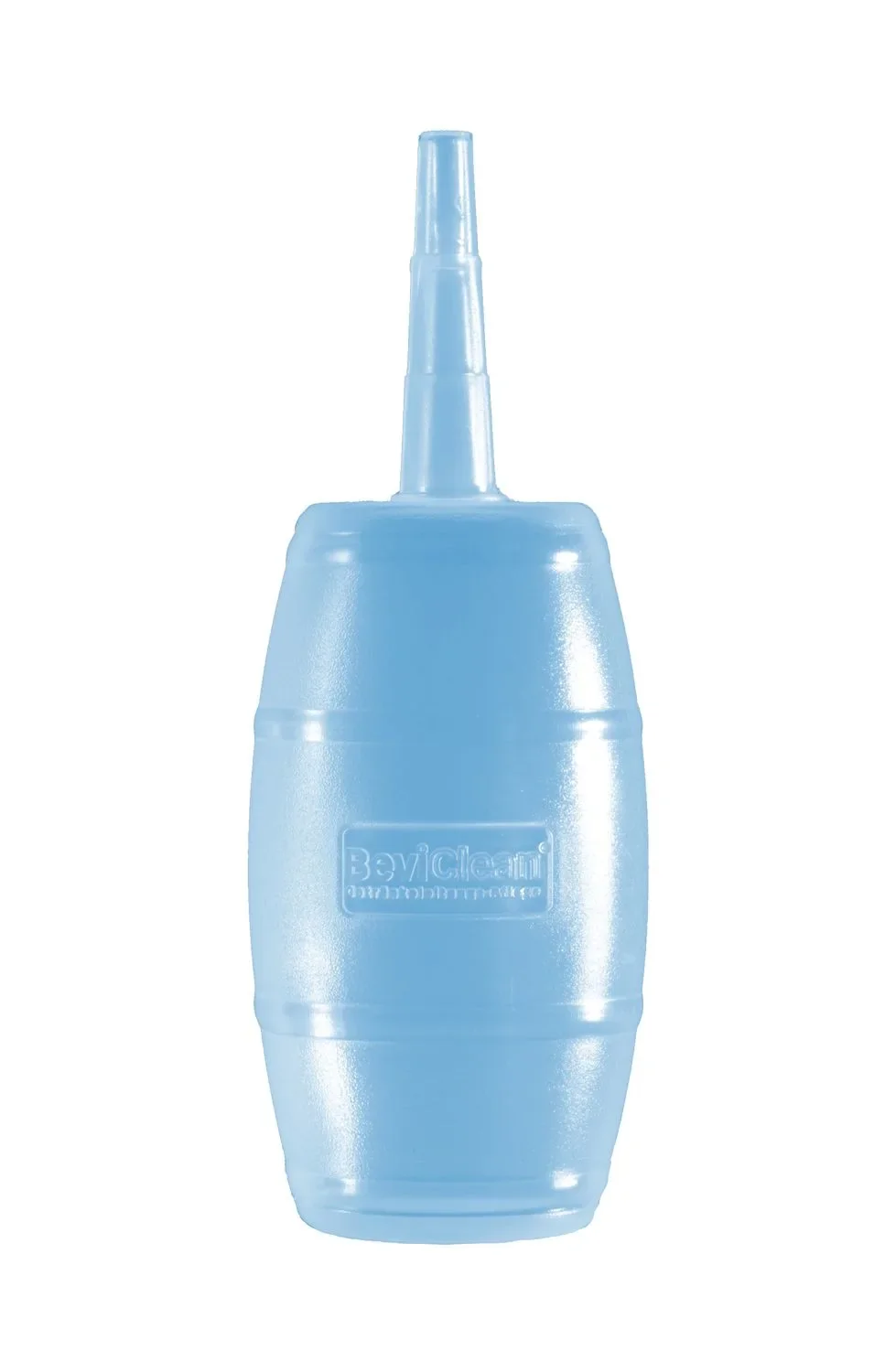
Dust frosted glass windows and doors weekly with a dry microfiber cloth. This prevents dust from mixing with moisture to form a film that is difficult to remove.
Additional tip
For frosted glass sliding doors in a garden room or sunroom, regular use of a specialty plastic and glass care product can be worthwhile. It creates an invisible protective film that makes it harder for water and dirt to stick.
Avoid direct contact with acidic foods or harsh chemicals. Residue from hairspray and deodorant can also damage the surface over time.
For your plumbing, a descaling system for your entire household water supply can be a worthwhile investment. Less limescale in the water means less cleaning and fewer stubborn deposits.
Which tools are essential for cleaning frosted glass?
The right tools make cleaning more efficient and help protect the glass. Investing in quality tools pays off in the long run.
Microfiber cloths are essential. They absorb liquid, are lint-free and protect the surface. Keep several cloths handy: one for the cleaning solution, one for clean rinse water and one for final polishing.
A squeegee efficiently removes water from large, flat surfaces. Make sure the rubber blade is sharp and in good condition. A worn blade leaves streaks behind.
Soft sponges or brushes with natural bristles are suitable for the initial cleaning. Use an old toothbrush or a grout brush for joints and profiles.
A sturdy ladder or telescoping pole gives you safe access to high windows or skylights. Safety always comes first. In our workplace supplies section, you’ll find practical tools for working at any height.
A spray tool, such as a simple spray bottle, helps distribute the cleaning solution evenly. This makes it easier to use the right amount and avoid excess solution that would need to be wiped away.
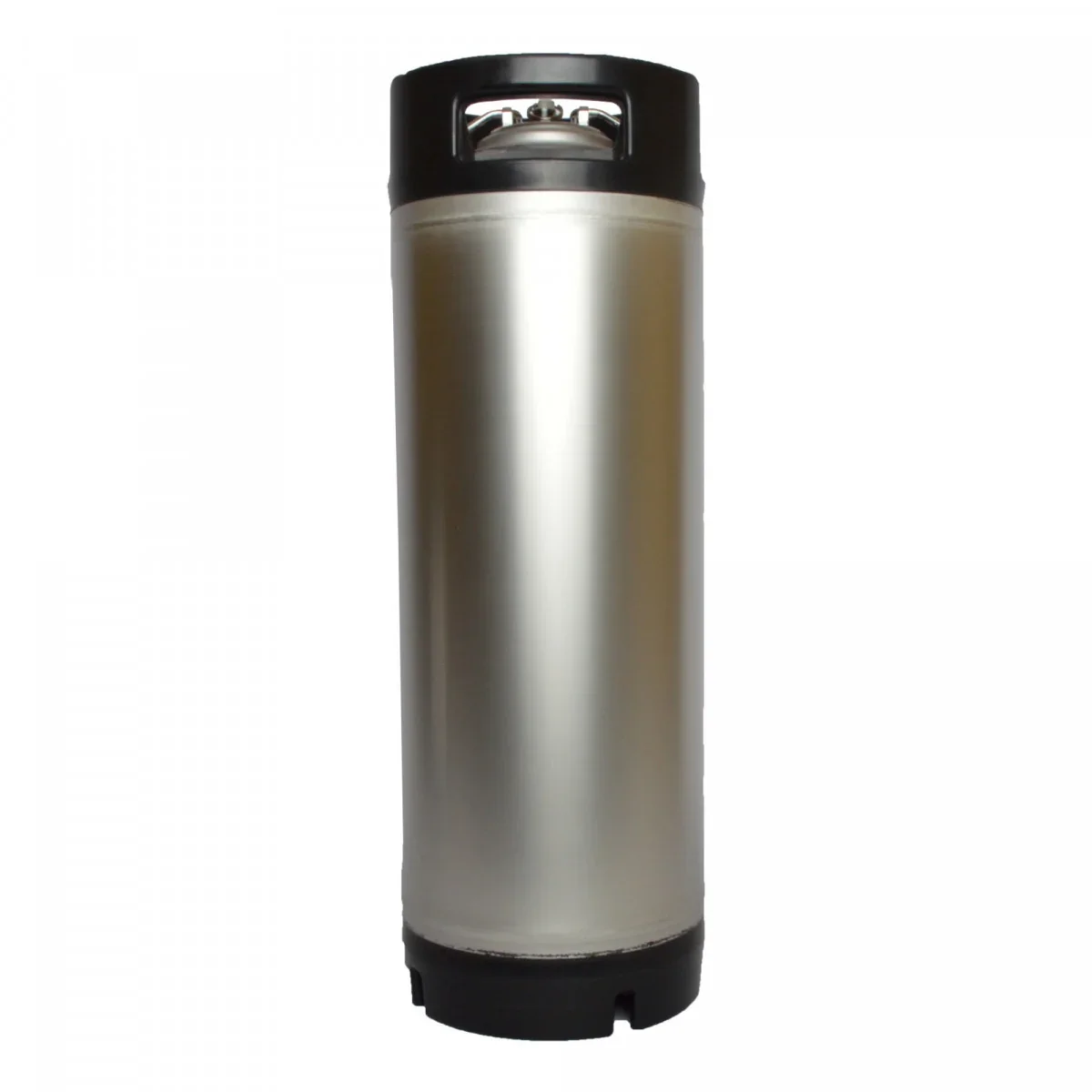
For demanding cleaning projects, such as caring for a
Which mistakes should you avoid at all costs?
Small cleaning mistakes can permanently affect the appearance of frosted glass. A careful approach helps protect your investment.
The most common mistake is letting the cleaning solution dry. Don’t let vinegar solution or glass cleaner dry in the sun. The ingredients can combine with minerals in the water and leave a baked-on white film.
Using too much cleaning product can backfire. Thick foam takes extra effort to wipe away and can leave residue behind. Less is often more, so use cleaning products sparingly.
Wiping in circles only spreads dirt around and leaves visible swirls. Instead, use straight, overlapping strokes, either horizontally or vertically.
Dirty cloths and sponges transfer old dirt onto the clean surface. Change cloths frequently and rinse sponges thoroughly several times as you work.
Don’t overlook the frames and seals. Dirt from these areas can wash back onto the clean glass the next time it rains or gets splashed. Clean the glass and frame together.
With these methods, the right tools and a little practice, you can turn cloudy, streaky frosted glass into a clean, streak-free surface that lets in plenty of light. Cleaning becomes a quick, effective routine instead of a tiresome chore.
Frequently asked questions
- Can I use abrasive cleaner or a rough sponge on frosted glass?
- No. The matte surface of frosted glass is susceptible to scratches. Abrasive cleaner, steel wool and rough sponges can permanently damage its light-diffusing structure. Use only soft cloths, microfiber cloths or the soft side of a sponge.
- Which household remedy removes stubborn hard water stains from a frosted glass shower door?
- A paste made from lemon juice and baking soda can help remove hard water stains. Apply the paste, let it sit for 15-20 minutes and wipe it off with a damp cloth. Then rinse with clean water and dry the surface to prevent streaks.
- Why does frosted glass get streaky so quickly after cleaning?
- Minerals in the water and cleaning product residue can leave streaks as they dry slowly on the textured surface. The key is to dry the glass immediately and thoroughly after cleaning with a highly absorbent, lint-free microfiber cloth.
- How do I clean hard-to-reach frosted glass windows from the outside?
- Use a telescoping pole with a window cleaning attachment. Spray the glass with a mixture of water and a little rubbing alcohol to help it dry faster. Use the squeegee on the pole in one top-to-bottom motion to minimize streaks.
- Is vinegar safe to use on all types of frosted glass?
- Vinegar can help remove hard water stains, but always test it on an inconspicuous area first. On some coated or very old frosted glass, the acid may damage the surface. For regular care, pH-neutral glass cleaner or mild soapy water is often the safer choice.
You may also be interested in
- How to clean a shower door: Get streak-free glass
- How to clean windows without streaks: Tips and tricks
- How to clean screw-top jars: Easily remove odors and residue
- How to remove and prevent glass corrosion
- How to clean a glass cooktop: Tips for a brilliant shine
- Streak-free windows with Westfalia Clean: The guide