
In brief: Design your garden with native flowering plants, bare patches of soil, dead wood, leaves and small water features. An ecological niche provides wild bees with food, nesting materials and shelter. Stagger flowering periods from March to October, avoid pesticides and mow sections at different times. This allows biodiversity to grow over the long term.
Direct answer: Design your garden with native flowering plants, bare patches of soil, dead wood, leaves and small water features. An ecological niche provides wild bees with food, nesting materials and shelter. Stagger flowering periods from March to October, avoid pesticides and mow sections at different times. This allows biodiversity to grow over the long term.
Why are ecological niches so valuable in the garden?
A bee-friendly garden is more than a bed filled with colourful flowers. Wild bees, hoverflies, beetles and butterflies need suitable food, safe hiding places and areas for reproduction. Small, carefully designed sections provide these essentials and create ecological niches.
An ecological niche describes the conditions an animal species needs to live. These include food plants, nesting sites, building materials, protection from the weather and shelter for overwintering. If one of these basics is missing, a garden can remain unusable for many insects despite having plenty of flowers.
What makes up an ecological niche?
For a wild bee, the flower alone is not enough. Each species uses its own combination of plants, soil and structures.
- Food: Pollen and nectar from suitable flowers provide energy and feed the brood.
- Nesting site: Some species dig tunnels in sandy soil, while others use pithy stems or existing cavities.
- Nesting material: Clay, plant fibres, resin and small pieces of leaves are used by different species to build their brood cells.
- Protection: Hedges, dead wood, stones and leaves provide cover from rain, wind and low temperatures.
- Peace and quiet: Undisturbed sections allow larvae to develop and insects to overwinter.
Honey bees live in managed colonies and fly long distances to rich sources of forage. Wild bees usually live alone and often have short flight ranges. A wildlife garden is especially helpful when flowers and nesting sites are close together.
Start with a survey of what is already there. Mark sunny, dry, damp and shady areas, check existing shrubs and trees, and note any gaps in flowering. You can then find suitable solutions for each garden area in the garden and outdoor range.
“Biological diversity includes the diversity of species, genetic diversity within species and the diversity of ecosystems.”
Biodiversity is created through this diversity at several levels. A mix of perennials, shrubs, grasses, bare patches of soil and small damp habitats creates more opportunities than a uniformly planted lawn. Each structure serves a different purpose.
How do you plan a bee-friendly wildlife garden?
Start with the garden you already have, rather than a blank wish list. An old fruit tree, a sunny gap in a wall or a strip beneath a hedge may already provide a valuable ecological niche. Preserve these structures and add only what is still missing.
Check the site and soil
Many wildflowers prefer sunny areas with well-drained, relatively low-nutrient soil. In nutrient-rich beds, grasses and vigorous perennials quickly outgrow smaller flowering plants. Shady, damp areas suit other species and should not be artificially drained.
- Observe the site for a full day and note the hours of sunlight.
- Check whether rainwater drains away or remains for longer periods.
- Remove some of the nutrient-rich topsoil from a planned wildflower area.
- Leave existing hedges, walls, logs and piles of leaves in place wherever possible.
How do you provide flowers from spring to autumn?
Wild bees need a continuous supply of food. In March and April, willows, crocuses, lungwort, dead-nettles and fruit trees provide important early flowers. From May to August, herbs, perennials and wildflowers follow, while ivy, asters and stonecrop close the final gaps in the food supply in autumn.
- Spring: Willow, crocus, fumewort, dead-nettle and fruit blossom.
- Summer: Meadow sage, viper’s bugloss, knapweed, thyme, wild marjoram and catmint.
- Late summer: Wild carrot, yarrow, coneflower and various thistles.
- Autumn: Asters, stonecrop, ivy and late-flowering herbs.
Why should you plant flowers in groups?
Individual flowers are quickly lost among lawns and ornamental plants. Plant several specimens of one species together and combine these groups with other plants that flower at different times. This makes the food supply easier for insects to spot and helps them save flight energy.
Use site-appropriate material for sowing and planting. In the garden and plant accessories section, you can prepare beds, planters and sowing areas appropriately.
Pro tip
Divide a large lawn into several islands. Mow one section short, let a second area grow longer and develop a third section into a wildflower meadow. Rotate the areas each year so insects can always find food and shelter.
Also plan for different vertical levels. A low herb border, medium-height perennials, a shrub and a tree provide flowers at different heights and alter the microclimate. This tiered structure makes the garden suitable for more species.
Which Plants Provide Food for Wild Bees?
Choose flowers with open centres, easily accessible stamens and plenty of pollen or nectar. Double-flowered cultivars may look decorative, but they often provide insects with little food. A bee-friendly planting combines native wildflowers with robust garden plants suited to the location.
Early Blooms from March
In spring, every flowering area helps feed the first generations. Mason bees, mining bees and bumblebee queens need energy to build their nests. Willows are particularly valuable because they flower early and provide large amounts of pollen.
- Plant bulbs such as crocuses, squills and grape hyacinths along sunny lawn edges.
- Let dandelions and dead-nettles flower in designated areas.
- Keep willows and fruit trees wherever space allows.
- Avoid using bark mulch in small sandy areas intended as nesting sites.
Summer Flowers for Many Species
From June to August, wild bees need a wide variety of flowers. Plants in the mint family, such as thyme, sage and catmint, provide food for short-tongued species, while knapweed, viper's bugloss and thistles also offer food for larger bees. Do not plant everything at once; instead, spread the flowering periods throughout the season.
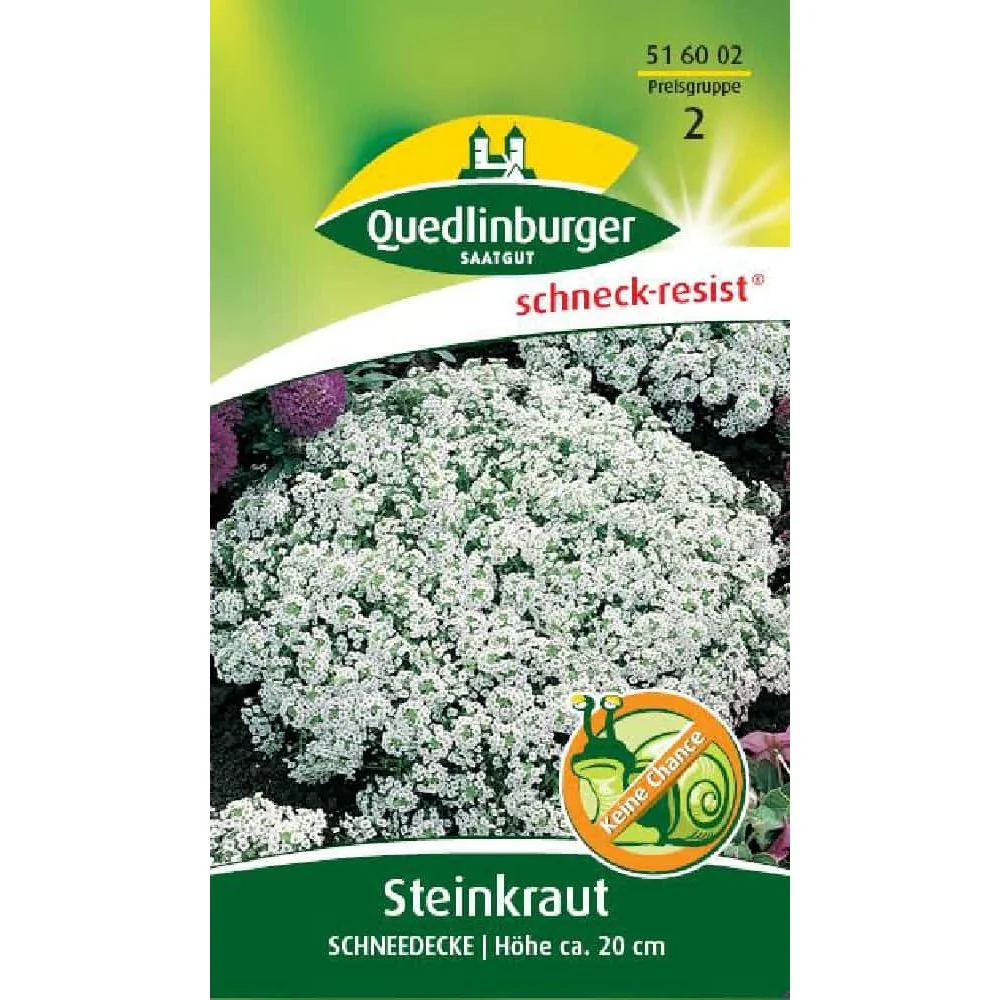
For sunny, dry gaps, is a good choice. This fragrant alyssum stays low, suits rock gardens and can fill bare spots in borders with greenery. Use it alongside native wild perennials rather than as the only food source.
adds long-lasting flowers and aromatic foliage to summer perennial borders. Catmint prefers a sunny, well-drained location. Cut back faded stems after the first flowering period to encourage a second flush of blooms.

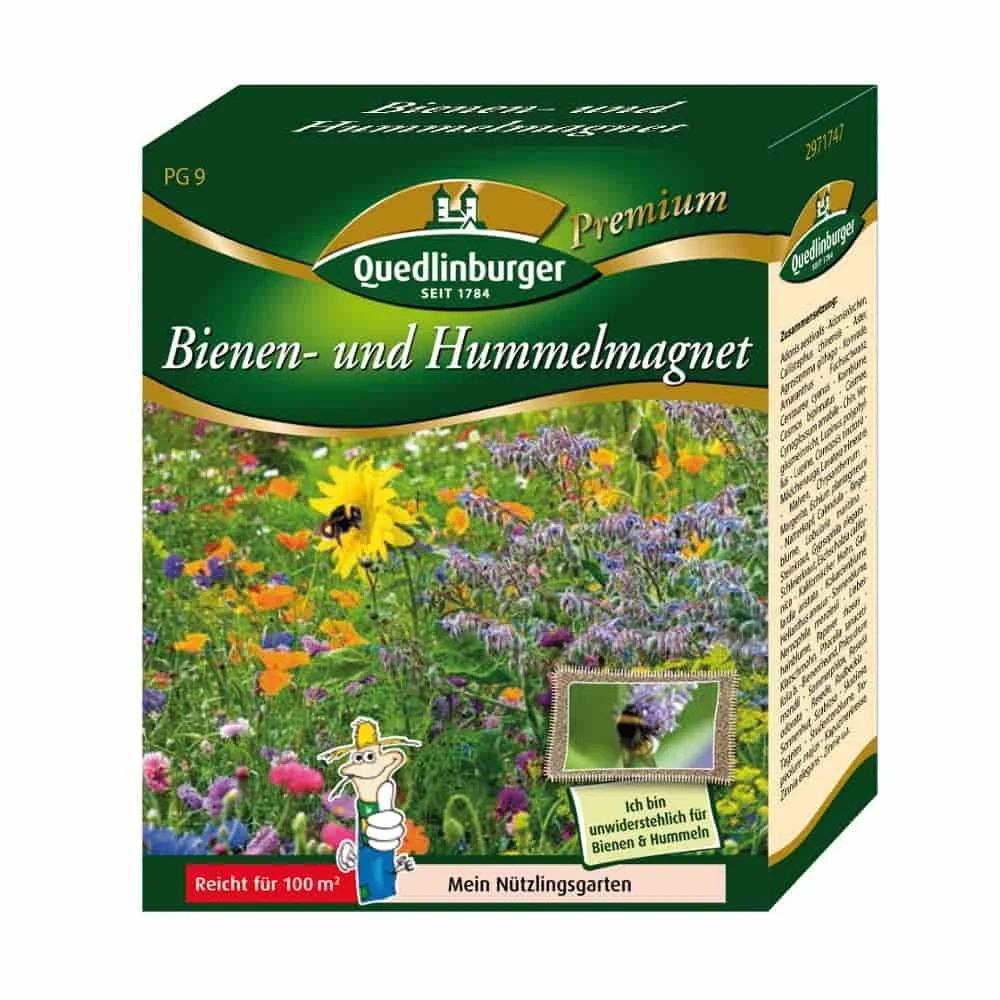
A wildflower meadow can be created with as an additional flowering area. Divide the area into manageable sections and check before sowing that the mix is suitable for your soil and region. Wildflowers usually thrive better in poor soil than in heavily fertilized ground.
How Can You Ensure Food in Autumn?
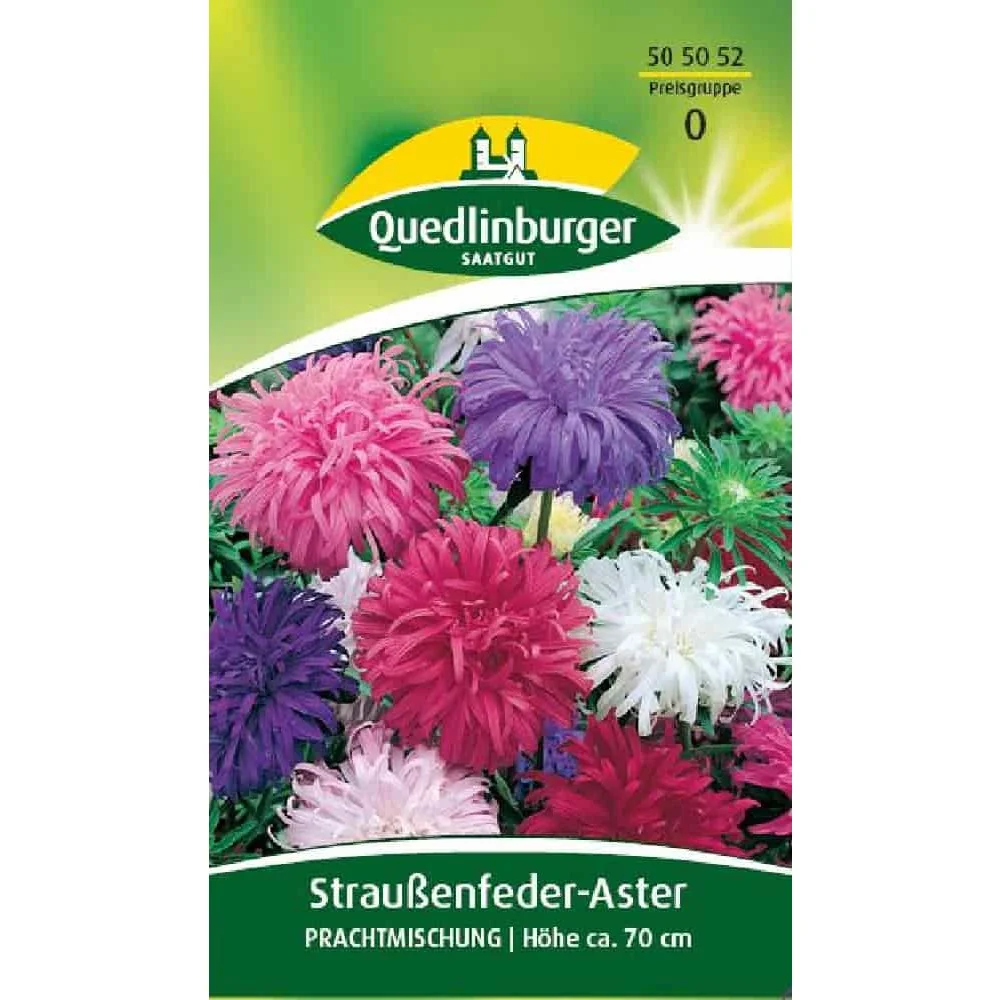
When many summer perennials have finished flowering, asters, sedum and ivy fill important gaps in the food supply. is ideal for late-summer and fall blooms. Leave faded seed heads standing over winter, as they provide food for birds and shelter for overwintering insects.
- Choose single flowers with a visible centre.
- Check each plant's flowering period and fill gaps between seasons.
- Select species suited to full sun, partial shade, dry soil or damp areas.
- Buy seeds and plants from traceable sources and avoid treated products.
Important note
Do not spray insecticides on flowering plants. Biological products can also harm bees and other beneficial insects. Remove individual pests by hand, rinse aphids off with water or treat only the affected plant outside its flowering period.
Also avoid creating a one-sided bee garden. A dense bed containing just one plant species may flower spectacularly, but it provides little food over many weeks and offers hardly any structure. Combine different flower shapes, heights and flowering periods to encourage greater biodiversity.
How do you create nesting sites and places of refuge?
A garden only becomes a wildlife garden when suitable habitats are available alongside food. A large proportion of wild bees nest in the ground. Other species use plant stems, deadwood, gaps in walls or old beetle burrows.
Creating patches of bare soil
Set aside a sunny area of at least one square metre and remove the lawn, mulch and dense vegetation there. Mix sand and fine gravel into heavy soil so that rainwater can drain away. Lightly firm the surface and then leave it undisturbed.
- Choose a warm spot with as little wind as possible.
- Keep the area free from leaves and compost, and avoid regular watering.
- Stop digging once wild bees have colonized the site.
- Mark the area so that you do not accidentally destroy it when mowing.
- Add suitable flowering plants and loose sandy areas nearby.
How do deadwood, stems and stones help?
Standing dry stems provide nesting sites for stem-nesting species. Cut back pithy-stemmed plants such as blackberry, mullein or elderberry only in late spring, and leave some stems standing over winter. Do not bundle hollow stems too tightly so moisture can dry out.
Untreated hardwood blocks with smooth holes drilled across the grain are suitable for nesting aids. Remove splinters and hang the blocks in a sunny, dry place protected from rain. Deadwood on the ground, a small pile of stones and a loose hedge expand the range of habitats available to beetles, spiders, birds and other garden inhabitants.
Providing water without creating insect traps
A shallow bowl is enough for a drinking station. Place pebbles, pieces of wood or cork inside so insects can land safely and climb out again. Change the water regularly and clean the bowl if algae or mosquito larvae appear.
“In nature, nothing exists alone.”
This interconnection is also evident in the garden. A flower feeds the bee, the bee pollinates plants, dead stems later serve as nesting sites and leaves protect soil organisms. With the right garden equipment, you can preserve these structures without imposing artificial order on the garden.
Do not tidy every corner at the same time. Leave leaves beneath hedges, stack thin branches along a dry edge and remove dead plants only after winter. This apparent disorder is practical insect protection.
How do you maintain a wildlife-friendly garden over time?
A wildlife-friendly garden needs maintenance, but it follows a different rhythm from an ornamental lawn. You mow less often and observe more closely. Let flowering times, seed maturity and wildlife life cycles guide your maintenance.
Leave unmown patches instead of keeping the whole lawn short
Mow paths and seating areas regularly. Let borders and selected patches grow longer so clover, daisies and wild herbs can flower. A cutting height of around six to eight centimetres offers ground-dwelling wildlife more protection than a closely mown lawn.
- Mow a wildflower meadow after its main flowering period and leave the cuttings on the ground for a few days.
- Remove the dry cuttings afterwards to keep nutrients from building up in the soil.
- Mow from the inside out so wildlife can escape to unmown areas at the edges.
- Leave part of the area uncut each time, rotating the unmown sections.
How should you water and fertilize?
Newly seeded areas need consistent moisture while the seeds germinate. Once the plants are established, water deeply but less often. Wildflowers in suitable locations usually thrive on natural rainfall once established.
Do not fertilize low-nutrient soil used for wildflowers. Extra nitrogen encourages grasses and a few vigorous plants that crowd out smaller species. For vegetable beds and other heavy-feeding crops, find suitable organic fertilizer and apply it selectively as needed.
Prevent pest problems without pesticides
Healthy plants growing in the right location need less attention. Attract beneficial insects with flowers, hedges, leaf litter and deadwood. Check young plants regularly and tackle problems early by removing pests by hand, spraying them off with water or cutting off individual affected shoots.
Accept some signs of feeding. Holes in leaves often mean caterpillars, beetles or sawfly larvae are making use of your garden. Targeted intervention is worthwhile only if a plant is being weakened over an extended period.
Observe your garden and make improvements each year
Keep a simple bloom calendar. Note when the first willow flowers appear, which perennials fill gaps in summer and whether food is still available in fall. Photograph bare patches of soil and nesting aids, but do not open tubes that are occupied.
Add just one or two features each year. Another group of early-blooming plants, a new deadwood pile or an unmown edge is often enough. For light maintenance, use suitable garden tools such as a hand rake, pruning shears and a sickle.
More advice
Look for gaps in your garden before you go shopping. If spring flowers are missing, do not add another summer-blooming perennial. If wild bees need nesting sites, create bare soil or leave dry stems standing. This helps you focus on the habitat your garden still needs.
A bee-friendly garden takes shape over time. Plan food, nesting sites and shelter together, stagger bloom times and keep maintenance to a minimum. This supports biodiversity, creates a varied wildlife garden and provides lasting, practical help for insects.
Frequently Asked Questions
- Which plants are especially good for bees?
- Choose single-flowered plants rich in pollen and nectar, with staggered bloom times. Crocuses, willow and dead-nettle bloom early in the year; thyme, catmint and wild marjoram attract bees in summer; asters, sedum and ivy provide food in fall. Choose plants suited to your location and combine perennials, shrubs and wildflowers.
- How can I create a wildlife habitat in my garden?
- A wildlife habitat provides food, nesting sites and shelter in the same area. Create a sunny patch of flowers, leave dry stems standing, provide a patch of bare soil and keep a shallow water source available. Avoid pesticides and leave the area undisturbed as much as possible.
- Do wild bees need an insect hotel?
- An insect hotel helps only certain wild bee species. Many species nest in the ground and need sandy, open areas. Cavity-nesting bees benefit from cleanly drilled hardwood blocks or stems with soft pith. Place nesting aids in a sunny, dry spot sheltered from rain. Most of all, provide a steady supply of flowers nearby.
- How do I maintain a bee-friendly wildflower meadow?
- Mow a wildflower meadow once or twice a year, timing it around flowering and seed maturity. Remove the cuttings to keep the soil low in nutrients. Mow different sections at different times and leave strips along the edges. Avoid herbicides, insecticides and high-nitrogen fertilizers.
- Can I use pesticides in a bee-friendly garden?
- Avoid chemical pesticides in a wildlife garden. Check plants first, then remove individual pests by hand or spray them off with water. Attract ladybugs, lacewings and birds by providing a variety of habitats. If an infestation is severe, choose a targeted treatment that is safe for bees, and never treat plants while they are in bloom.
You may also be interested in
- Attract bees to your garden: How to create a pollinator paradise
- Wild bees in the garden: Create and protect their habitat
- Flowering areas in the garden: Create a paradise for insects
- Promote biodiversity in your garden: How to create an ecosystem
- Bee-friendly plants for your balcony: Support biodiversity in a small space
- Create a wildlife-friendly garden: Support natural beauty and biodiversity