
In brief: A patio planting island is a sunken bed created by removing patio pavers. It creates a green focal point, adds structure to your space and provides a habitat for wildlife. Choose perennials, ornamental grasses or small shrubs suited to the location. Good drainage helps prevent waterlogging.
Why a planting island transforms your patio
A patio made entirely of stone or wood can often feel sterile. A sunken planting island breaks up the monotony and creates a vibrant focal point.
A patio bed combines architecture and nature. It draws the eye and gives the space structure. At the same time, it provides insects and birds with a small habitat right next to your patio.
There are many ways to design one. Choose the shape, size and plants to create an island that fits your style.
How do you create a planting island in your patio?
Start by planning the layout. Mark the desired shape on your patio with sand or string. Check that there are no cables or pipes underneath.
Carefully remove the patio pavers in the marked area. Dig out the soil to a depth of around 40-50 cm to create a good foundation for your planting island.
Pro tip
Use the removed pavers as decorative edging for the bed. Place them around the island with the same spacing as on the patio. This creates a seamless transition and helps keep the soil in place.
The ground is often compacted. Loosen it thoroughly with a digging fork. This helps plants establish roots and improves drainage.
Good drainage is essential
Waterlogging is the biggest threat to your planting island. Fill about one third of the hole with gravel or expanded clay.
This drainage layer should be 15-20 cm deep. Cover it with water-permeable landscape fabric from the Tarpaulins + Nets range. It keeps the soil separate from the drainage layer while allowing water to pass through.
Important note
Don't forget the drainage. Without it, water can collect in an enclosed patio bed like it does in a bathtub, causing plant roots to rot.
Fill the bed with high-quality planting soil. Compost formulated for perennials or Mediterranean plants is ideal because it drains well and is rich in nutrients.
Which plants should you choose for your patio bed?
Your plant choices depend on the location. If your patio is sunny, choose heat-tolerant varieties. Lavender, sage and thyme thrive in these conditions.
Hostas, ferns and coral bells are good choices for partially shaded spots. Their foliage also adds structure to your planting island.
For an attractive island year-round, combine evergreen plants with strong shapes and flowering perennials. A compact boxwood or dwarf pine adds interest even in winter.
Choose plants of different heights at maturity. Place taller specimens in the center or at the back, with low-growing varieties around the edge. This gives the island a natural look.
Consider bloom times. Combine spring bulbs with summer perennials and plants with fall color. This keeps your bed interesting throughout the seasons.
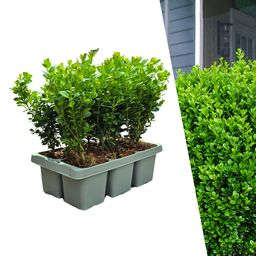
For a quick, polished look, choose established plants. A 6-pack of evergreen shrubs such as gives you an instant green foundation.
Low-maintenance and hardy: The best choices
Hardy perennials are a great choice. They handle the conditions in a sunken bed and come back year after year.
- Stonecrop (Sedum): Extremely drought-tolerant, with late-season flowers for insects.
- Bergenia: Evergreen leaves, early flowers and tolerance for shade.
- Sea thrift (Armeria): Forms cushion-like clumps and blooms over a long period.
- Blue fescue (Festuca glauca): Adds blue-gray color and structure.
How do you design the bed edging and transition?
The edge between the bed and patio should be neat. Use sturdy metal or stone landscape edging. It holds back the soil and defines the shape.
A slight slope away from the bed helps keep soil from washing onto the patio. Keep this in mind when adding soil.
Additional tip
Cover bare soil between plants with mineral mulch such as gravel or stone chips. It suppresses weeds, retains moisture and complements the patio.
Choose a mulch color that complements your patio pavers. Light gray stone chips pair well with concrete pavers, while reddish gravel works with brick paving.
How do you care for your green island throughout the year?
Watering is crucial during the first few weeks after planting. Water thoroughly to encourage deep roots. Once plants are established, rainfall is often enough for hardy varieties.
Spring is a good time for maintenance. Cut back dead plant parts, then give your perennials a boost.
A special slow-release fertilizer such as feeds plants for months. Carefully work it into the top layer of soil.
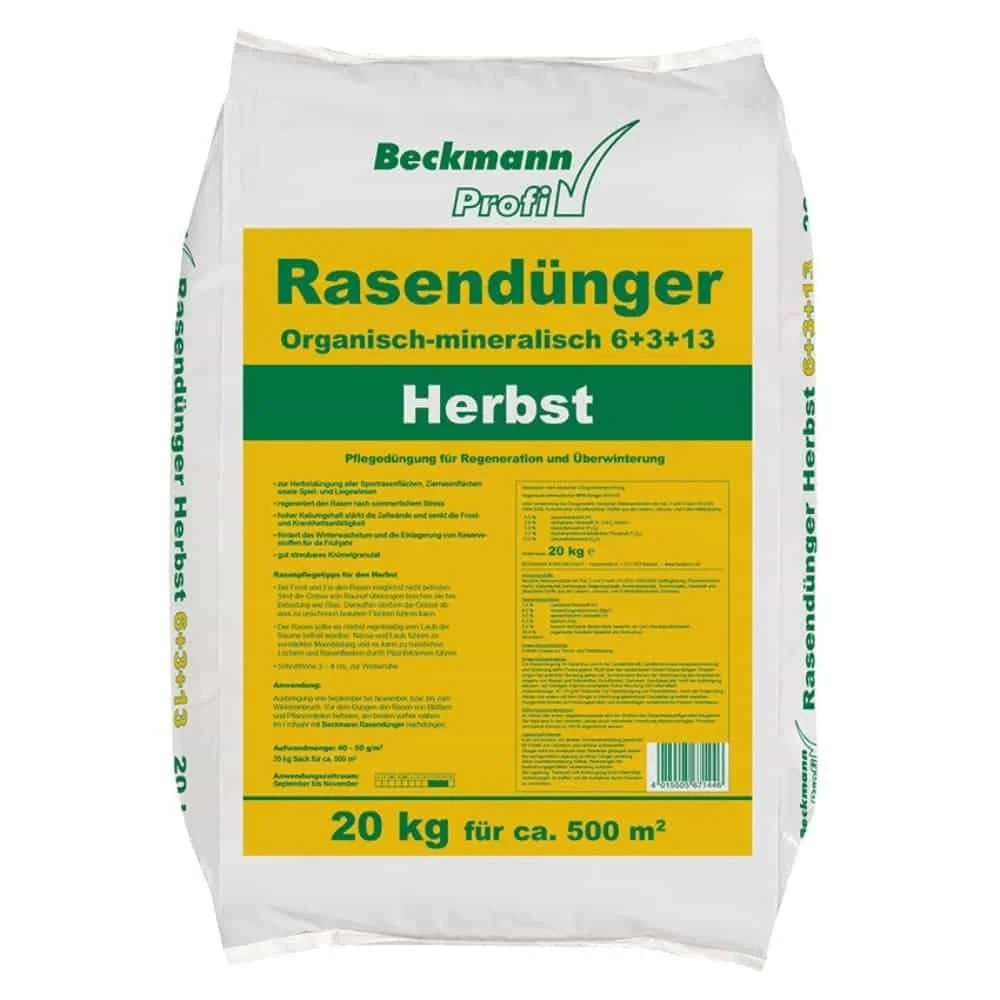
Use fertilizer sparingly. Overfertilized plants grow lush and become more susceptible to disease. An annual application of compost or organic slow-release fertilizer is a better choice.
In fall, leave most perennials uncut. Their dried stems provide winter shelter for insects and look enchanting in frost. Remove the leaves in spring.
Protection from the weather for your patio and plants
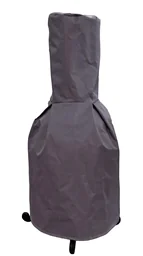
Your patio and new planting island are exposed to the elements year-round. For delicate furniture or a patio heater, a protective cover such as is worth considering.
Young or sensitive plants in the island may benefit from winter protection made of brushwood. It protects them from hard freezes and winter sun.
A planting island as the centrepiece of your patio design
Your new garden island will become a real focal point. Place a bench or chair nearby so you can enjoy the flowers and buzzing insects up close.
You can pair the island with other features. A small water feature in the center or solar-powered lights among the grasses create eye-catching accents in the evening.
You’ve created more than a flower bed—you’ve created a living space. This green feature transforms the feel of your entire patio, making it softer, more natural, and more inviting.
Start planning. Browse our Garden + Outdoor range for the right plants, soil, and tools. Your personal green oasis is waiting.
Frequently asked questions
- Which plants are best for a patio planting island?
- Choose hardy, sun-loving plants such as lavender, catmint, hens and chicks, or low-growing grasses such as blue fescue. Barrenwort and coral bells are good choices for partial shade. Since the plants go directly in the ground, make sure they can withstand winter in your area.
- How big should a planting island be on a patio?
- The size depends on your patio. A good starting point is an area of 80x80 cm to 120x120 cm. It should be large enough to make an impact without taking up too much usable patio space. The shape can be square, rectangular, or organic.
- Does a planting bed on a patio need special drainage?
- Yes, good drainage is essential. After removing the pavers, fill the excavated hole with a 15-20 cm layer of gravel or expanded clay. Place a layer of landscape fabric on top to separate the soil from the drainage material. This helps prevent waterlogging and root rot.
- Can I create a planting island on a paved patio?
- Yes, the process is the same. Remove the pavers where you want to place the planting island. The soil underneath is often compacted, so loosen it thoroughly and amend it with sand or planting soil before adding the drainage layer and plants.
- How do I care for plants in a patio planting bed?
- Water regularly for the first few weeks after planting. After that, rainfall is usually enough. Once a year, ideally in spring, apply a slow-release fertilizer for perennials. Remove spent flowers to encourage more blooms. In winter, protect sensitive plants with a layer of leaves.
You might also be interested in
- Plants for privacy: Green walls for balconies and patios
- Create an urban jungle: Add more greenery indoors
- Planting flower pots: Creative ideas for balconies and patios
- Patio design: Modern and Mediterranean garden ideas
- Create a sunken garden: Ideas for terraced garden retreats
- How can I create a green oasis in an urban backyard?