
In brief: Creating a pond edge means designing a harmonious transition between water and land. Start with stable bank protection, such as a pond liner and pond edging mats. Choose a style: natural with wetland zones, or formal with stone and wood. Planting in different zones – from deep water to wet areas – creates habitats and helps filter the water. A walk-in access point and practical features such as an overflow complete your garden pond edge.
How to Create and Design a Pond Edge
A pond can transform your garden. But a carefully designed edge creates the magical transition from land to water. It defines the pond’s character, provides a habitat and protects the pond liner. This guide shows you how to design your pond edge, from planning to planting.
How do I plan my pond edge?
Planning determines the final look and how much maintenance your pond will need. Start by choosing the location. A sunny spot encourages plant growth but can also promote algae. Observe how the sun moves across your garden.
Sketch out the shape and size. Natural, curved lines tend to look more harmonious than strict geometric shapes. Consider the depth zones: shallow-water areas are essential for planting and provide access for wildlife.
Think about practical access, too. Set aside a spot for pond equipment such as a pump or filter. A stable stepping stone or small platform will make maintenance easier later.
Pro tip
Lay a garden hose on the ground as a flexible guide for the outline. Walk around the planned edge and view it from different angles, including from inside the pond. This will help you find the ideal shape for your garden.
What materials do I need to protect my pond bank?
Start with a stable pond liner and add protective fleece on top. Several materials work well for finishing the edge, including options in our Garden + Outdoor range.
Coir or jute pond edging mats are a classic choice. They break down slowly, support roots and look natural. Hold them in place with gravel or substrate.
Natural stones such as boulders or rubble stone create durable edging. Use large stones as accents and fill the gaps with smaller pieces. Rounded gravel makes a gentle transition.
Wooden posts, logs or decking add warmth. Use only pressure-treated wood or a naturally durable hardwood such as oak or robinia. It must withstand constant moisture.
The pond edge is the calling card of a water feature. It should look beautiful and work well. A stable, slightly raised bank helps keep soil and fertilizer from washing into the pond when it rains.
How to build a stable pond edge
Dig the pond basin with at least one shallow wetland zone. Extend the liner generously beyond the edge, by about 50 cm. Lay it loosely and temporarily weigh down the edges.
Fill the pond slowly with water so the liner can settle into shape. Secure the finished edge only after that. Create a slight slope away from the pond so splashed water can drain away.
Important note
Avoid placing sharp-edged stones directly on the liner, as they can tear it. Always put protective fleece or a thick layer of sand underneath. Before filling the pond completely, check every fold for tension.
How do I design my pond edge to suit my garden?
Choose a style. A natural pond edge imitates a biotope, with soft transitions and native plants that look as though they have grown there naturally. Use a variety of stone and gravel sizes.
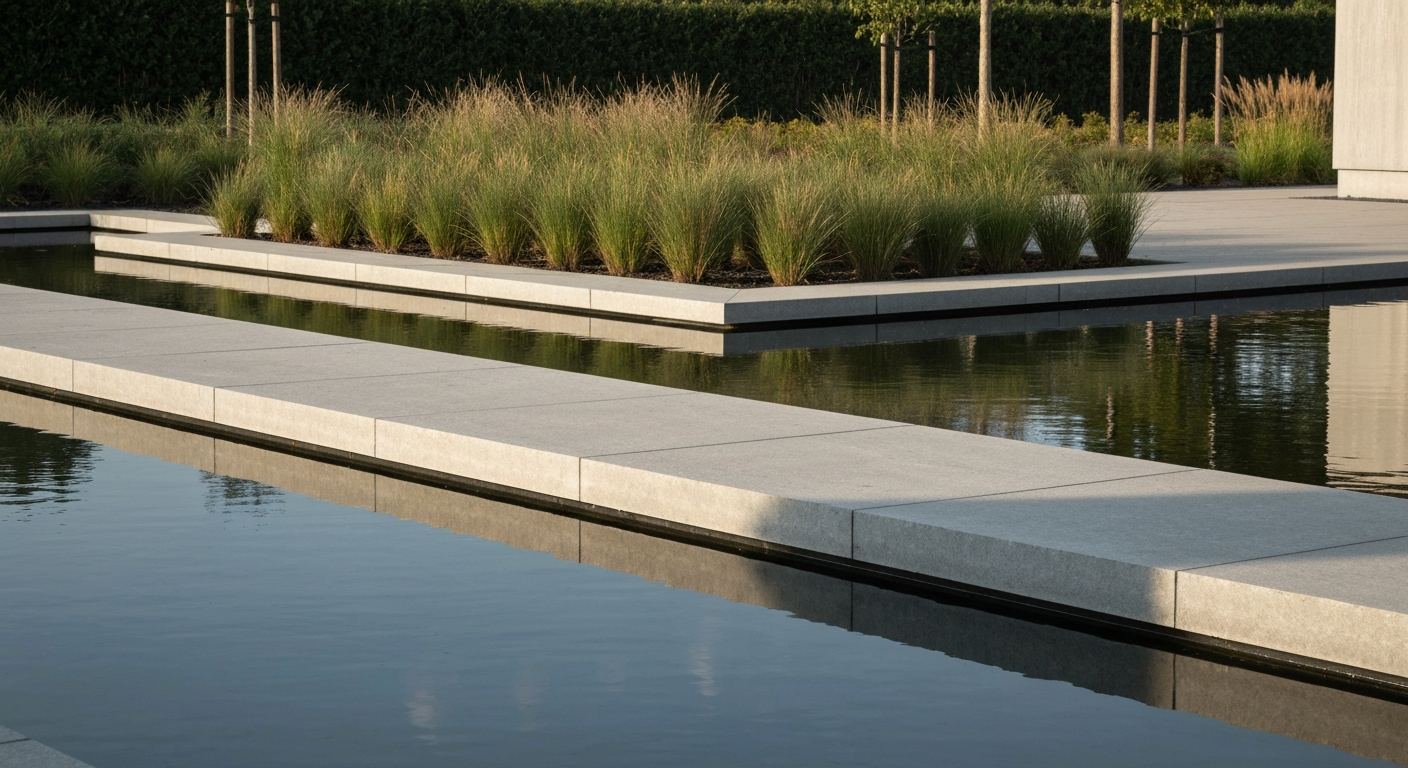
A formal pond edge focuses on clean lines. Walling stones, sawn timber edging or a straight strip of gravel create a sense of order. This style suits modern architecture.
A walk-in pond edge invites you to get closer to the water. Stepping stones, a small deck or a firm gravel path can lead to the water. Make sure the surfaces are slip-resistant.
Whatever style you choose, repeat materials used elsewhere in the garden. If your patio features granite, use similar stones around the pond. This creates a harmonious overall look.
How can I add practical features?
Plan an overflow for heavy rainfall. A slight slope towards a gravel-filled soakaway or a drainpipe is enough to prevent the pond from overflowing its banks.
Lighting adds atmosphere around the pond. Solar or low-voltage spotlights placed among the plants create a magical mood. Light the pond from below or from the side, not from above.
Additional advice
Leave space in one area for a small sand or gravel beach. It gives insects and birds a place to drink and land. For you, it can become a relaxing spot to observe life in and around the water. A gentle slope is ideal.
Which plants are suitable for each pond zone?
Planting is divided into zones. In the deep-water zone (from 50 cm), plant oxygenating plants such as hornwort or Canadian waterweed. They grow underwater and improve water quality.
The shallow-water zone (10-50 cm) is the centerpiece. Marsh plants such as pickerelweed, bur-reed, and mare's tail thrive here. Their roots are in the water, while their leaves and flowers emerge above the surface.
The wet zone is the actual pond edge. The soil is wet but not permanently flooded. Marsh marigold, purple loosestrife, papyrus, and water mint are ideal. They filter nutrients from the inflow.
The bank zone is drier. Here, plant hardy perennials that tolerate temporary waterlogging: daylilies, astilbes, hostas, and many grasses such as moor grass. You can find suitable planters and accessories in the Garden + Plant Accessories category.
Don't plant too many different species at once. Give the plants room to spread. Three to five well-combined species per zone often look more harmonious than a colorful jumble. The best gardens take patience.
Planting and caring for plants around the water
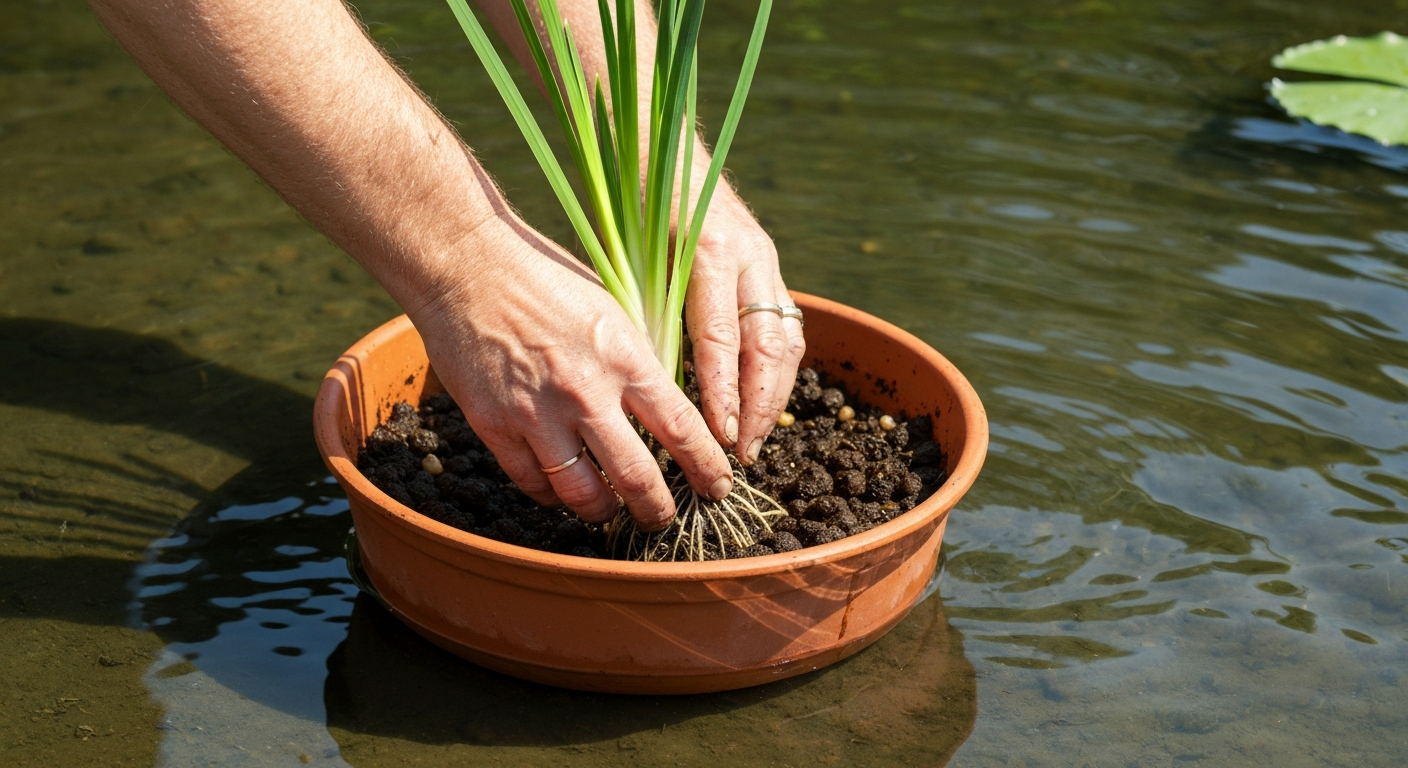
Place aquatic plants in special planting baskets. This keeps them in place and makes them easy to divide or move when needed. Fill the baskets with low-nutrient pond substrate.
For the wet and bank zones, loosen the soil thoroughly. Mix in sand if the soil is very heavy. Plant in small groups rather than scattering plants individually.
Care starts with the right product. Special products, such as our
, give your bank perennials exactly what they need without polluting the pond water. Products such as or .
Cut back dead plant parts only in spring. They provide shelter for insects through the winter. Divide clumps that have grown too large every few years to rejuvenate them.
How can I create a habitat and keep the water clear?
A well-designed pond edge is more than decoration. It acts as a filter. Plants in the wet zone remove nutrients from the water that would otherwise promote algae growth. A wide, planted border is the best way to prevent algae.
Create plenty of structural variety. Rock piles, dead wood, and different water depths provide niches for dragonflies, beetles, and newts. Leave one area with fast-growing plants such as reeds or bulrushes. They provide shelter for birds.
Avoid using chemicals. A natural biological balance regulates itself. Add snails and water fleas. They are your pond's health inspectors.
A functional pond edge also helps keep unwanted visitors away. A steep, smooth section of the edge or fine mesh beneath the water surface can help deter herons. You can find more information about garden protection under Tarps + Nets.
The first few weeks after creating the pond
The water will be cloudy during the first few weeks. This is normal. Bacteria are colonizing the new habitat, and the plants are becoming established. Be patient.
Check the water level regularly, especially in hot weather. If necessary, top it up with rainwater or water that has been left to stand. Cold, fresh tap water can shock living organisms.
Don't remove all the leaves in fall. Some can sink to the bottom and break down there. You can remove excess leaves with a pond net. A leaf-protection net stretched over the pond in fall is a worthwhile investment.
With these steps, you can create a pond edge that combines beauty and function. It will become the vibrant centerpiece of your garden. For all your other home and garden projects, explore categories such as Garden Tools and Plumbing + Irrigation.
Frequently asked questions
- How do I keep a pond edge from slipping?
- Use a sturdy pond liner and extend it well beyond the planned edge. Secure it with coconut or jute bank mats, then weigh them down with gravel or substrate. Larger stones or purpose-made pond edging stones provide extra support. A shallow runoff zone 20-30 cm deep makes planting easier and stabilises the transition.
- Which plants are best for a pond edge?
- Plant in zones. Marsh marigold, water mint and papyrus suit the damp transition zone. Pickerelweed, horsetail and flowering rush thrive in shallow water. In the drier bank area, plant hardy perennials such as daylilies, lady's mantle and grasses. Check each plant's individual water and sunlight requirements.
- Can I create a natural-looking pond edge without a liner?
- Yes, by building a natural clay pond. This requires cohesive, clay-rich soil. Shape the pond, compact the clay and seal it with a layer of clay minerals. This method is labour-intensive and requires specialist knowledge, but it creates a completely natural habitat. For most garden soils, a pond liner is the more reliable, long-lasting option.
- How wide should a planted pond edge be?
- For a visually appealing and ecologically valuable border, allow at least 50 cm. A width of 80 cm to 1.20 m is even better. This gives plants room to grow and lets you create different heights and textures. A wider planting strip also filters nutrients from surface water before they reach the pond, helping to prevent algae growth.
- How much does it cost to create a pond edge?
- Costs vary considerably. Expect to pay 15-40 euros per square metre for materials such as liner, fleece, bank mats and stones. High-quality plants cost 5-15 euros each. You can build a small pond edge (approx. 10 m²) yourself from 500 euros. Larger projects or professional help will cost significantly more. Remember to budget for tools and any topsoil you may need.
You might also be interested in
- Amphibians in the garden pond: Create and protect their habitat
- 5 creative ideas for your lawn edge: More than just a border
- The perfect English lawn edge: Form and function in garden design
- How to design a narrow garden strip: Ideas for small spaces
- Redesigning your garden: The perfect time for lawn edging
- Create a mini pond and rock garden: Step by step