
In brief: First cut an edible pumpkin into manageable pieces, remove the seeds and fibres, then cut it into wedges or cubes depending on the recipe. Store whole, undamaged pumpkins in a dry, dark and frost-free place. Cut pieces should be wrapped airtight and kept in the fridge; they usually last for three to four days.
Kitchen, autumn & storage
Whether you are preparing Hokkaido, butternut or nutmeg squash, the right technique helps you cut this autumn vegetable safely, quickly and with minimal waste.
Direct answer: Halve the pumpkin on a non-slip board, remove the seeds and fibres with a spoon, then cut the flesh into wedges or cubes. Hokkaido can be prepared with the skin on. Store whole pumpkins in a dry, dark and frost-free place, while cut pieces belong in the fridge.
Which pumpkin is suitable for cutting and cooking?
Use only edible pumpkins and squashes in the kitchen. Hokkaido, butternut, nutmeg squash and spaghetti squash all have edible flesh. Ornamental pumpkins, on the other hand, are for decoration. Their skin is often hard, the flesh does not taste pleasant and some varieties contain harmful bitter compounds.
Hokkaido is the easiest pumpkin to prepare. Its skin softens during cooking and can be eaten. Butternut has few seeds and creamy flesh, but its firm skin requires more effort to peel. Nutmeg squash has an intense flavour and is suitable for soups, oven dishes and purée. It is best to cut spaghetti squash after cooking, as the flesh then separates into strands.
How can you recognise a good pumpkin?
- Firm skin: It should not give way when you press it gently.
- Dry stem: A woody, non-mushy stem is a sign of ripeness.
- Undamaged surface: Small bruises shorten its storage life.
- Neutral smell: A sour or fermented smell indicates spoilage.
A ripe pumpkin often sounds hollow when tapped. This sound alone is not enough to judge it, however. The important signs are firm skin, a dry stem and no mould or soft spots.
Pro tip
Place a damp tea towel under the chopping board. This keeps the board stable while you cut through the skin with pressure and short, controlled movements.
How do you cut a pumpkin safely?
The greatest danger when cutting a pumpkin occurs when the round fruit rolls away or the knife gets stuck in the hard skin. Always work on a stable surface and never cut a pumpkin while holding it in your hand. Dry the skin and board thoroughly before making the first cut.
What tools do you need?
- a large, sharp chef's knife with a secure handle
- a sturdy chopping board with a non-slip underside
- a large tablespoon for removing seeds and fibres
- a vegetable peeler for butternut or other pumpkins with firm skin
- a damp cloth to secure the board
A sharp knife requires less force than a blunt one. Check the handle before cutting. If it is loose or damp, replace the tool.
Which order works best?
- Wash the pumpkin under running water and dry it completely.
- Place it crosswise on the board. If necessary, remove a very thin slice from the side to create a stable base.
- Position the knife blade and cut through the skin with calm, forward movements. Do not press down on the blade with your free hand.
- Turn the pumpkin once the knife has reached about halfway through, then continue the cut from the other side.
- Carefully open the halves, then remove the seeds and fibres.
- Cut the halves into wedges or cubes depending on the recipe.
If the knife gets stuck, do not pull it out sideways. Lay the pumpkin and knife flat on the board, hold the handle securely and slowly free the blade. A sudden twisting motion can cause the knife to slip and injure your hand.
Important note
Do not eat pumpkin if it tastes noticeably bitter. Bitterness may indicate cucurbitacins, which are not reliably destroyed by cooking. Spit out the piece and discard the entire pumpkin. Never eat an ornamental pumpkin unless the variety is clearly labelled as edible.
What should you do with very hard skin?
Do not try to force your way through a particularly firm pumpkin. First halve it in small sections, repositioning the blade each time. Alternatively, you can pre-cook the halved pumpkin with the cut side facing down for a few minutes. This softens the skin and makes it safer to work with.
How do you remove the seeds and skin?
Scrape the seeds and fibrous tissue out of the pumpkin half with a large spoon. Keep the spoon flat against the inside wall. This removes the fibres cleanly without taking away much flesh.
Hokkaido does not need to be peeled. Wash the skin thoroughly and remove only the stem end, damaged areas and particularly hard parts. Butternut is easiest to peel if you cut off the ends, divide the pumpkin into wide pieces and peel each piece with a vegetable peeler.
First cut nutmeg squash into wedges. Place a wedge flat on the board and cut away the skin with short movements from top to bottom. Leave the skin on spaghetti squash until after cooking. Halve it, remove the seeds and later loosen the soft flesh with a fork.
How do you use pumpkin seeds?
Separate the seeds from the fibres, rinse them and dry them thoroughly. Roast the seeds in the oven at around 160 to 180 degrees with a little oil, salt and seasoning. Turn them halfway through. They are ready when they smell golden brown and become crisp.
“Hokkaido pumpkin skin can be eaten; with other varieties, the firmness of the skin determines how they should be prepared.”
How can you prepare pumpkin in a variety of ways?
The size of the pieces affects cooking time and texture. Cut all the pieces for a dish to roughly the same size wherever possible. This helps them cook evenly and retain more flavour.
Which cutting style is right for each dish?
- Soups and stews: Two- to three-centimetre cubes cook evenly and are easy to blend.
- Roasted vegetables: Wedges two to three centimetres thick stay juicy inside and develop roasted flavours on the outside.
- Pan-fried dishes: One-centimetre cubes cook quickly and go well with onions, lentils or rice.
- Purée: You can steam or boil larger pieces. Once cooked, mash them with a potato masher or fork.
- Salad: Butternut squash can be finely diced and used raw if the flesh is young and firm.
Roast pumpkin wedges with oil, salt, pepper and herbs. For soup, briefly fry the cubes before adding stock. This intensifies the sweet roasted flavours and gives the dish more depth.
Which leftovers can you still use?
You can roast the seeds. The skin and fibrous parts belong in the organic waste bin or on the compost heap, provided they have not been mixed with fat, salt or other food scraps. Do not remove soft, mouldy areas only from the surface. If the pumpkin has spoiled, discard the entire piece.
Children can help with washing, weighing and sorting. A children's kitchen is suitable for safe role-play; real knives should be kept out of reach. Keep other age-appropriate toy ideas clearly separate from the work surface used for raw vegetables.
How do you preserve pumpkin?
Cut pumpkin quickly loses moisture and absorbs odors from the refrigerator. Wrap the cut surface in beeswax wrap or plastic wrap and place the piece in a clean container. Store it at no more than seven degrees and use it within three to four days.
Cooked pumpkin flesh cools faster when placed in shallow containers. Put it in the refrigerator once the steam has escaped, and no later than two hours afterward. Use clean spoons and take out only the portion you need.
Additional advice
Label frozen portions with their contents and date. Small bags containing 250 to 500 grams thaw more quickly and can be used directly for soup, sauce or puree.
How do you freeze pumpkin?
- Cut the flesh into evenly sized cubes or cook it until soft.
- Dry raw cubes thoroughly. Excess water forms ice crystals and worsens the texture.
- Blanch the cubes briefly if they are to be used later as a side dish. For soups and puree, you can also freeze pumpkin raw.
- Divide the vegetable into shallow, airtight bags or containers.
- Label each portion and freeze it as quickly as possible.
Frozen pumpkin keeps for approximately eight to twelve months. Once thawed, it becomes softer than fresh pumpkin. This is not a disadvantage in soups, sauces, bakes and puree. For crispy roasted wedges, it is better to use fresh pieces.
Can you preserve or pickle pumpkin?
Pickling pumpkin in vinegar, sugar and spices can extend its shelf life. Use a tried-and-tested recipe with sufficient acidity and hygienically clean jars. The acidity affects how long it keeps and must not be reduced arbitrarily.
Plain pumpkin puree and pumpkin pieces are low-acid foods. Simple water-bath canning does not provide reliable protection against dangerous germs. Use only tested methods and recipes suitable for pumpkin. For everyday use, freezing remains the simplest way to preserve pumpkin.
How should you store a whole pumpkin?
Store whole, undamaged winter squashes in a dry, dark and frost-free place. Ideally, the temperature should be around 10 to 15 degrees, with good air circulation and a stable surface. A dry cellar, pantry or cool storage room is better than a damp shed.
Place the pumpkin on wood, cardboard or a breathable cloth, not directly on concrete. Leave some space between the pumpkins. Turn them occasionally and check the skin at least once a week.
Hokkaido pumpkins often keep for several months under the right conditions. Butternut and nutmeg squash can also be stored for a long time if they are fully ripe and undamaged. Summer squash with thin skins, such as zucchini, should be kept in the refrigerator and used promptly.
“Cut pumpkins should be stored in the refrigerator and used within a few days.”
How do you keep food separate from autumn decorations?
For outdoor use, inflatable pumpkin decorations are ideal, such as



If you are planning an autumn or Halloween party, you can find suitable ideas in the We're celebrating a birthday section. Store inflatable figures in a dry place, separately from food supplies. This keeps dust, moisture and cables away from food.
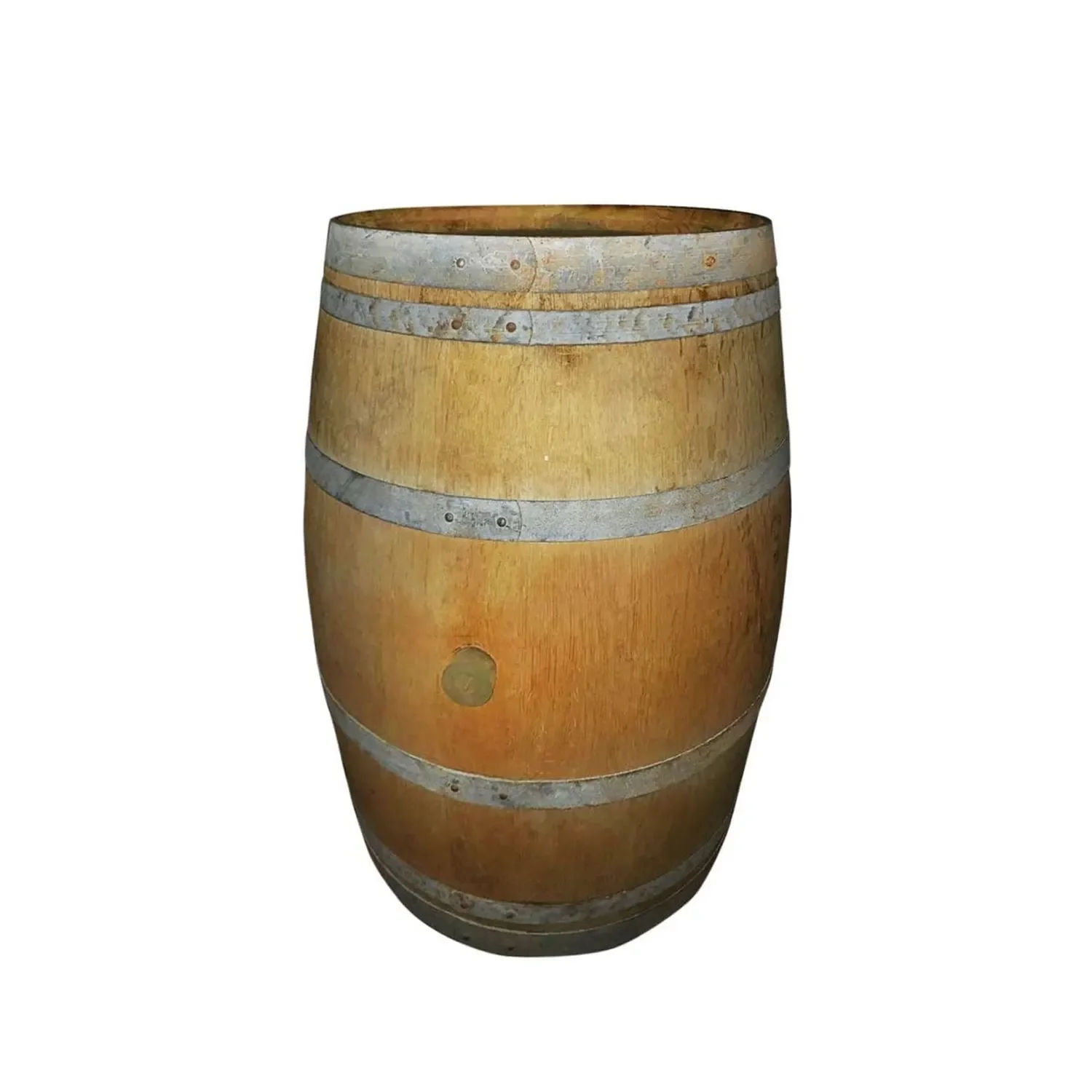
A handmade wine cabinet made from a barrique barrel for twelve bottles is a great drinks cabinet for an autumn meal:
Which mistakes shorten shelf life?
- You place cut pumpkin uncovered in the refrigerator.
- You store a damp pumpkin directly on cold concrete.
- You cut with a blunt knife and use too much force.
- You leave the seeds and fibers in the piece, even though moisture speeds up spoilage.
- You mistake an ornamental pumpkin for an edible pumpkin.
- You freeze large, wet pieces without dividing them into portions.
The best process is simple: check the pumpkin, halve it safely, remove the seeds, cut it into suitable pieces and use it straight away. Freeze anything you will not eat within the next few days in portions. Whole pumpkins stay edible for much longer when kept dry, dark and frost-free.
Frequently asked questions
- How do you safely cut a large Hokkaido pumpkin?
- Wash and dry the pumpkin, and do not push the knife all the way through it. First cut it in half across the flat side, stabilise each half, and then cut it into wedges. Remove the seeds with a spoon. If the skin is very hard, briefly pre-cooking the pumpkin can help.
- Do you need to peel a Hokkaido pumpkin?
- No. Hokkaido pumpkin skin softens during cooking, baking and roasting and is edible. Wash the skin thoroughly and remove only hard areas, the stem end and any damaged parts. With butternut squash, nutmeg squash or large pumpkins, it is usually better to peel them because the skin remains firmer.
- How long does cut pumpkin last in the refrigerator?
- A cut piece usually lasts three to four days in the refrigerator if you cover the cut surface cleanly and store the vegetable at no more than seven degrees. Processed pumpkin flesh lasts around two to three days. Check the smell, surface and colour before use; discard it if it is slimy or sour.
- Can you freeze raw pumpkin?
- Yes. Cut the flesh into cubes, blanch it briefly or freeze it raw for soups and purées. Dry the pieces first, pack them airtight in portions and label the bag. Frozen pumpkin stays flavourful for approximately eight to 12 months, but becomes softer after thawing.
- How do you store a whole pumpkin?
- Store a whole, undamaged pumpkin in a dry, dark and frost-free place at around 10 to 15 degrees. Do not place it directly on cold concrete, and turn it occasionally. Check the skin weekly. Soft spots, mould or leaking liquid indicate spoilage.
You might also be interested in
- Carving a Halloween pumpkin: tips for keeping it fresh for longer
- Pickling pumpkin: delicious recipes for preserving it
- Planting, caring for and harvesting pumpkins: the ultimate guide
- Harvesting and decorating pumpkins: tips for the autumn garden
- Pumpkin crafts: creative ideas for autumn and Halloween
- How should you store fruit and vegetables?