
In brief: You can descale your showerhead with household remedies or specialist cleaners. Vinegar or citric acid are ideal for gentle cleaning. For heavy deposits, remove the showerhead and soak it. Regular care significantly extends the life of your bathroom fittings and ensures a strong, even spray.
How to descale a showerhead: Make it shine again
A limescale-covered showerhead noticeably reduces your comfort. The water spray becomes weak and uneven. You use more water to achieve the same cleaning effect. Limescale deposits can also provide a breeding ground for bacteria.
The good news: cleaning a showerhead is easy. With just a few steps and the right products, you can restore its full performance. You extend the life of your bathroom fitting and save money in the long term.
This article guides you through the most effective methods for removing limescale from a shower. You will learn about household remedies and specialist products. We also explain how to safely treat different materials.
Why does a showerhead become covered in limescale?
Limescale in water consists of calcium and magnesium compounds. When water is heated or evaporates, these minerals are deposited. Deposits also build up over time in cold water.
The water hardness in your area determines how quickly this happens. In areas with very hard water, you need to maintain your bathroom fittings more frequently. The small openings in the showerhead nozzles become blocked particularly quickly.
A limescale-covered showerhead is not a sign of poor hygiene. It is a natural process. Regularly descaling bathroom fittings is part of appliance care, just like cleaning filters in garden irrigation.
Expert tip
After showering, briefly run cold water through the showerhead. This flushes out warm, limescale-rich water. This simple habit significantly slows down limescale build-up.
Which household remedies are suitable for descaling?
Many households already have effective helpers in the cupboard. You do not always need to use specialist chemicals. These remedies are inexpensive and often more environmentally friendly.
Vinegar or vinegar essence
Household vinegar (5% acidity) or diluted vinegar essence reliably dissolves limescale. Mix vinegar essence with water in a ratio of 1:3. For heavy deposits, you can also use undiluted household vinegar.
Vinegar has a strong smell. The odour disappears after thorough rinsing. Test compatibility on a small area first, especially with chrome-plated or old bathroom fittings.
Citric acid
Citric acid powder from a chemist's shop is a mild alternative. Dissolve one or two tablespoons in a litre of warm water. The solution smells fresh and is well tolerated by most materials.
It works somewhat more slowly than vinegar but is gentler. It is perfectly adequate for light to moderate limescale.
For regular, gentle care, citric acid is my first choice. It is kind to seals and leaves no lingering smell. For 'limescale patients', I use vinegar essence.
Step-by-step guide: Soaking the showerhead
For intensive cleaning, remove the showerhead. This method is suitable for heavy deposits or when the spray is already noticeably weaker.
1. Unscrew the showerhead from the hose or holder. If the connection is stuck, use pipe pliers with a protective cloth to prevent damage.
2. Place the showerhead in a container large enough to hold it. Pour over enough vinegar or citric acid descaling solution to cover it completely. Make sure all nozzles are submerged.
3. Leave the showerhead to soak. 30 minutes is sufficient for light limescale. For stubborn limescale, leave it for several hours or overnight.
Important note
Monitor the soaking process. Do not leave vinegar essence to work for longer than necessary in particular. It can damage rubber seals and certain plastics. As soon as the soaking time is over, rinse thoroughly with clean water.
4. Once the soaking time is over, remove the showerhead from the solution. Brush away any remaining residue with a soft toothbrush. Thoroughly rinse the inside and outside under running, clean water.
5. Screw the clean showerhead back on. Run water through it briefly to flush out any remaining residue. Check the seal for damage before tightening it fully.
How to descale a showerhead without unscrewing it
Not every showerhead can be easily removed. Often, surface cleaning is sufficient. This method is quick and ideal for regular care.
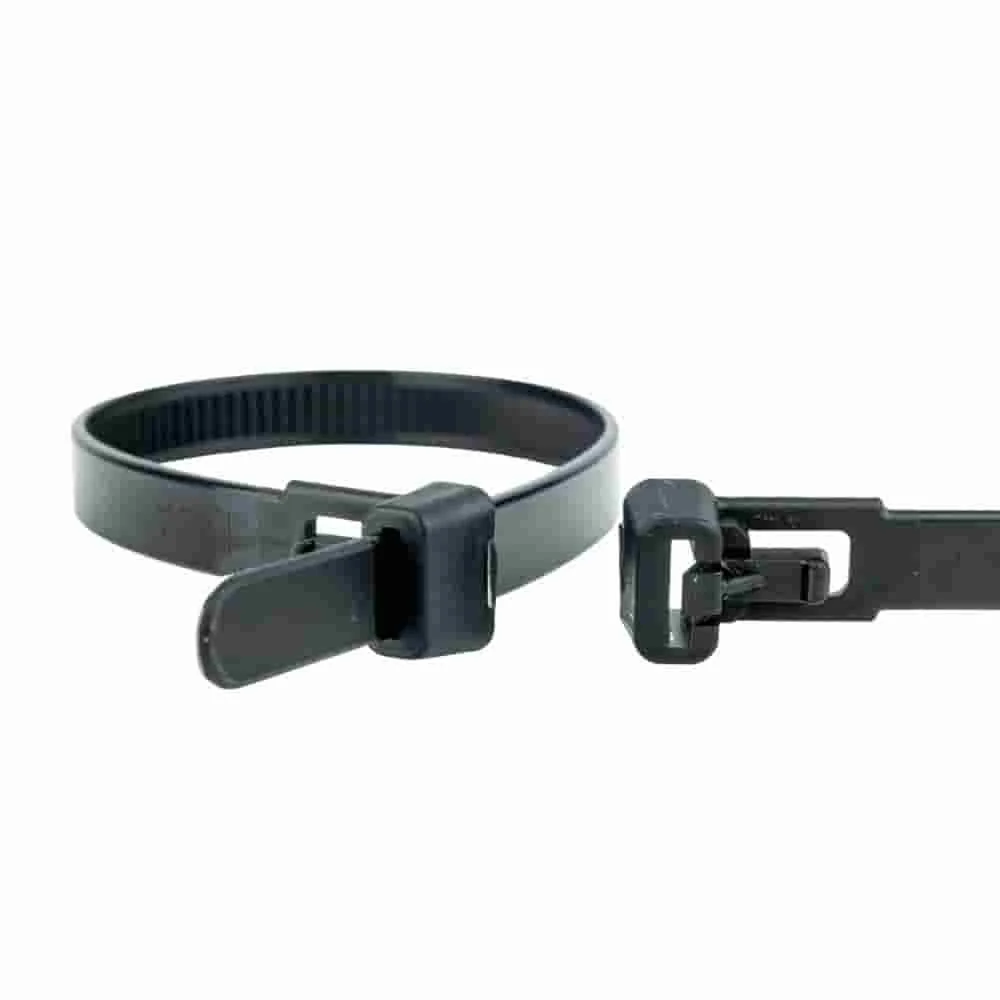
Fill a sturdy freezer bag with your descaling solution. Place the entire showerhead in the bag. Secure the bag to the shower arm with a cable tie or rubber band. Make sure the nozzles are completely covered by the solution.
Leave the solution to work for about one hour. Then remove the bag and rinse the showerhead thoroughly. You can also clean the nozzles with a soft brush.
Our reusable cable ties are perfect for this application. They are handy, hold securely and can later be removed without leaving any residue.
or are practical helpers.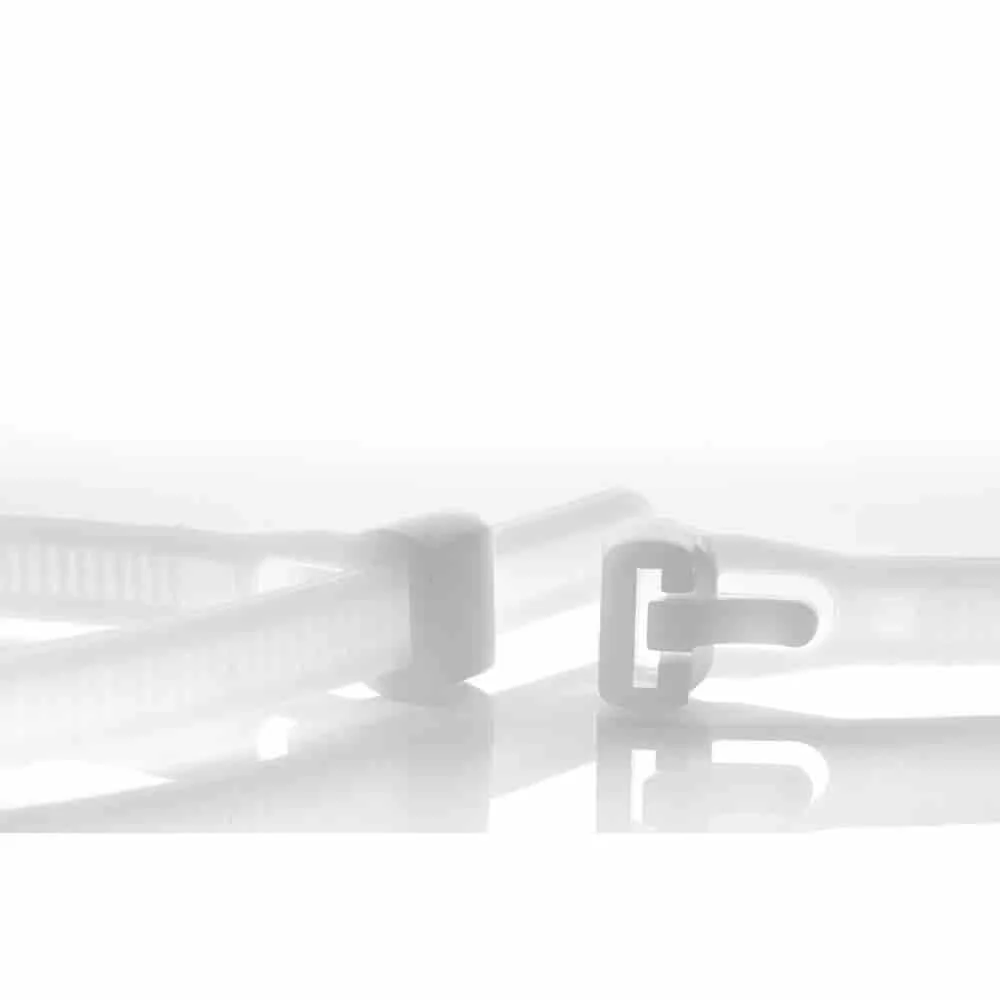
Specialist descalers for bathrooms
Specialist retailers stock cleaners specially formulated for bathroom fittings. They often contain acids and fragrances designed to be gentle on surfaces.
These products are more expensive than household remedies but offer advantages. They are usually formulated for the combination of materials found in bathrooms and showers. They protect seals and prevent chrome from tarnishing.
Spray the cleaner directly onto the dry showerhead. Leave it to work according to the manufacturer's instructions. Then wipe with a soft cloth and rinse thoroughly. Wear gloves while doing so.
Additional advice
Whatever product you use, always test it on an inconspicuous area first. Take particular care with coloured, coated or antique bathroom fittings. Compatibility can vary.
What to Do About Clogged Nozzles?
Sometimes the acid dissolves the limescale, but the nozzles remain partially blocked. This is where a little mechanical help comes in. Take a soft toothbrush.
Gently brush over the nozzle surface. For individual, stubborn blockages, use a toothpick or a plastic needle. Metal objects such as nails or pins can scratch the surface and make the problem worse in the long term.
Some high-quality showerheads, such as our
with filter beads, have replaceable or particularly well-maintained nozzles. Regular maintenance is worthwhile here for an optimal spray pattern.
The most common cause of a weak spray is neglected limescale buildup, not a faulty showerhead. I can restore 90 percent of supposedly 'broken' showerheads with thorough descaling. People are always amazed.
Consider the Material: What Can My Showerhead Handle?
Not every material tolerates every descaling agent equally well. Your approach depends on the material.
Plastic Showerheads
Plastic is robust and resistant to acids. You can use vinegar and citric acid without any problems. Nevertheless, observe the recommended contact time.
Chrome-Plated Metal Showerheads
Chrome is relatively durable. However, avoid strong acid concentrations and excessively long contact times. They can attack the chrome coating and dull its finish. Use mild solutions and rinse promptly.
Stainless Steel Showerheads
Stainless steel, like that used for our
Special Cases: Coated or Antique Fixtures
For special surfaces or valuable fixtures, consult the manufacturer or a professional. Often, cleaning with mild soapy water and a soft cloth is sufficient. Mechanical brushing should be the main focus.
Prevention Is Better Than Descaling
Simple measures can significantly reduce limescale buildup. This saves time and effort when cleaning.
A water softener for the entire household water supply is the most effective, but also the most expensive solution. For the shower, you could consider a showerhead with an integrated water softening filter.
As the pro tip mentioned: Rinse with cold water afterward. Dry the showerhead with a towel after use. This removes limescale-containing water droplets before they evaporate and leave deposits behind.
You know the principle from the garden: Clean tools last longer. The same applies to your garden tools and plumbing fixtures.
When Is It Time for a New Showerhead?
Despite all the care you give it, every showerhead has a limited lifespan. If the spray remains weak and clogged after thorough descaling, the internal channels may be irreparably clogged with limescale or damaged.
Replacing it may then make sense. A new showerhead such as
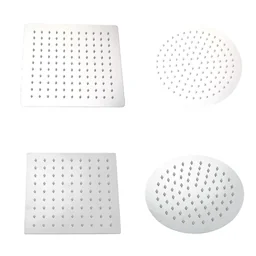
When buying a new showerhead, also think about comfort accessories. A
, a height-adjustable shower stool with a holder, increases safety and comfort for every user.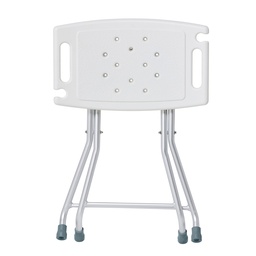
Conclusion: Regularity Is Key
Showerhead cleaning is no magic. You don't need expensive specialist products to remove limescale from your shower. Vinegar, citric acid and a little time are all you need in most cases.
Make descaling part of your household routine. The more regularly you remove deposits, the easier and quicker the job becomes. You protect your fixtures and enjoy a powerful, refreshing spray every day.
With the right tools and a little know-how, you can keep not only your shower but all water-using appliances in your home clean and working properly for longer. From the garden to the bathroom, regular care pays off.
Frequently Asked Questions
- How often should I descale my showerhead?
- Descale your showerhead every three to six months. How often you need to do this depends on the water hardness in your area. With very hard water, monthly treatment may be necessary. A weaker spray or visible limescale buildup are clear warning signs.
- Can I soak any showerhead in vinegar?
- No. Chrome-plated or coated surfaces often do not tolerate vinegar well. Plastic showerheads are usually not a problem. Check the manufacturer's instructions. If you are unsure, test it on an inconspicuous area or use a milder citric acid-based cleaner.
- What should I do if the nozzles are still clogged after descaling?
- Remove any remaining blockages mechanically. Use a soft toothbrush or a plastic needle to carefully clear the individual nozzles. Avoid metal objects, as they can scratch the surface. A quick rinse with clean water will remove loosened residue.
- Can descaler damage the seals in a showerhead?
- Aggressive acids can make rubber and plastic seals porous over time. Rinse the showerhead thoroughly with clean water after the treatment time. Use special descalers that are gentle on seals or reduce the treatment time when using home remedies such as concentrated vinegar.
- Is there a difference between vinegar and citric acid for descaling?
- Yes. Citric acid works a little more gently and has a more pleasant smell than vinegar. It is better suited to sensitive surfaces. Concentrated vinegar is often more effective on heavy limescale deposits, but it can be more damaging to materials such as natural stone or aluminum. Both are acids that dissolve limescale.
You might also be interested in
- Clean & descale a 3-in-1 spa showerhead for long-lasting enjoyment
- How to descale a kettle: home remedies and tips for a sparkling shine
- Make your own shower screen spray: sustainable & affordable
- Cleaning the bathroom: top tips for a sparkling bathroom
- Shower drain smells: causes & DIY solutions for your home
- Clean grout: make it sparkling clean again