
In brief: To drill into hollow brick, use a hammer drill and masonry bits. Hold the drill perpendicular to the wall and use light pressure to keep the porous material from breaking out. Choose specialty hollow-wall anchors that lock into place inside the brick. Drilling to the correct depth and thoroughly cleaning the hole are essential for a secure hold.
What makes hollow brick so special?
Hollow bricks are lightweight, insulating masonry units with evenly spaced cavities. These chambers reduce weight and improve insulation, but they make wall mounting more challenging.
The drill does not pass through solid material the whole way. Instead, it goes through thin webs and large hollow spaces. A standard expansion anchor cannot grip inside an open cavity, so you need to adapt your mounting method.
The load-bearing capacity of hollow brick depends not on the wall thickness, but on the stability of the internal webs. The wrong anchor simply pulls into the cavity when tightened.
How do I prepare for drilling?
Good preparation can make the difference between a successful job and a damaged wall. First, inspect the wall. Is this a load-bearing section? Do electrical wires or water pipes run through the area?
A wire and pipe detector adds an extra layer of safety. Mark the exact drilling point with a cross. If you need to drill several holes, make a simple wooden drilling template for more precise results.
Pro tip
Place a piece of clear painter's tape over the drilling point. It helps keep the drill bit from slipping on the smooth brick and reduces chipping around the hole. Remove the tape after drilling.
Choosing the right drill bit
For holes up to 10 mm in diameter, a good hammer drill with an SDS-Plus chuck is sufficient. Use sharp carbide-tipped masonry bits. Dull bits require more pressure and increase the risk of damage.
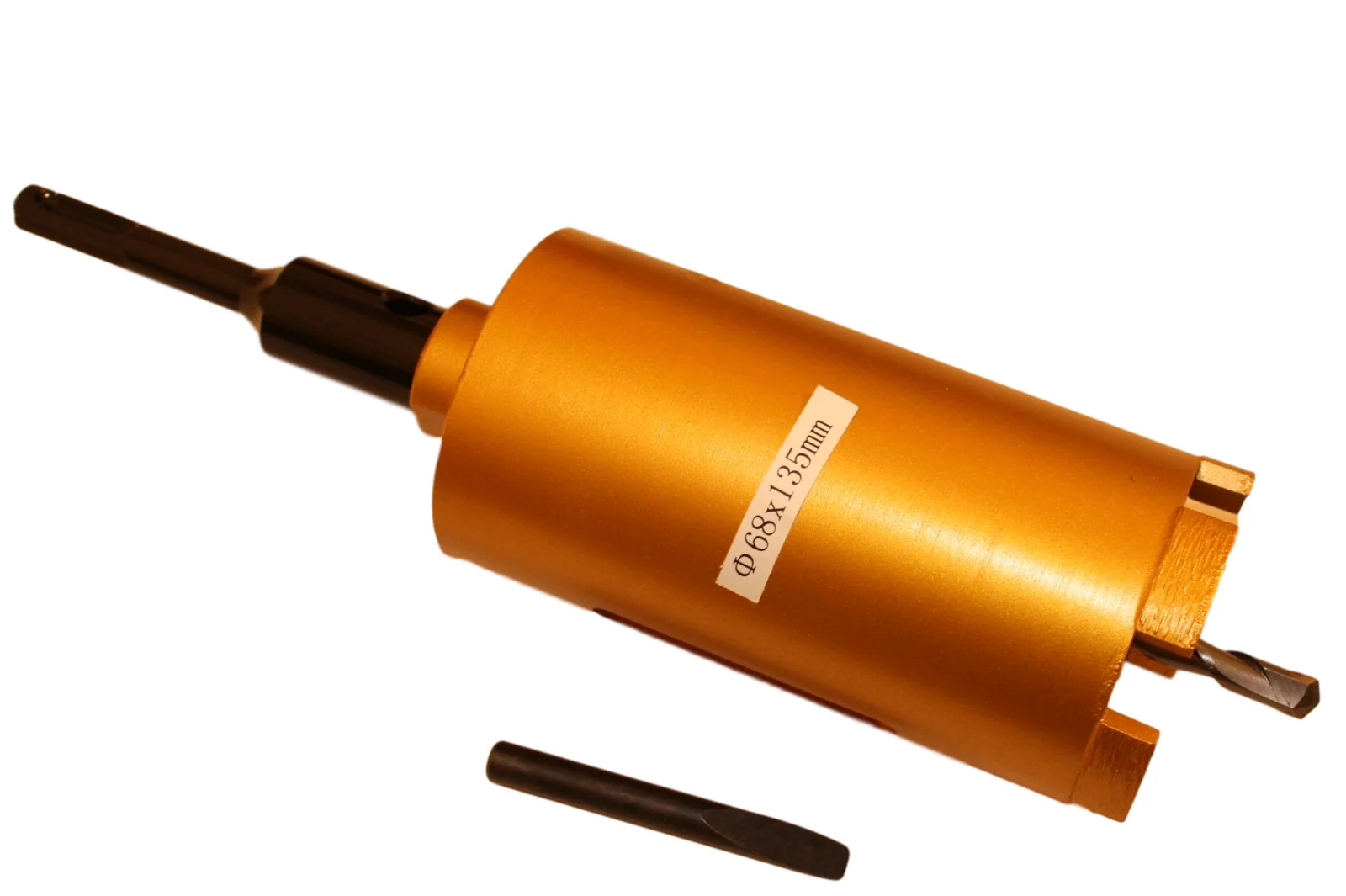
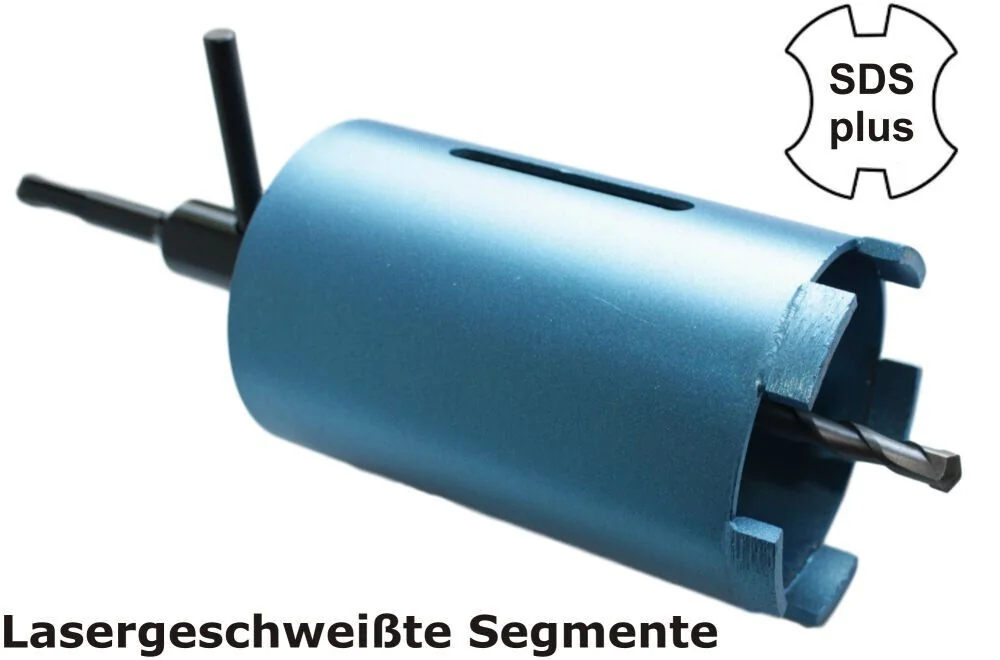
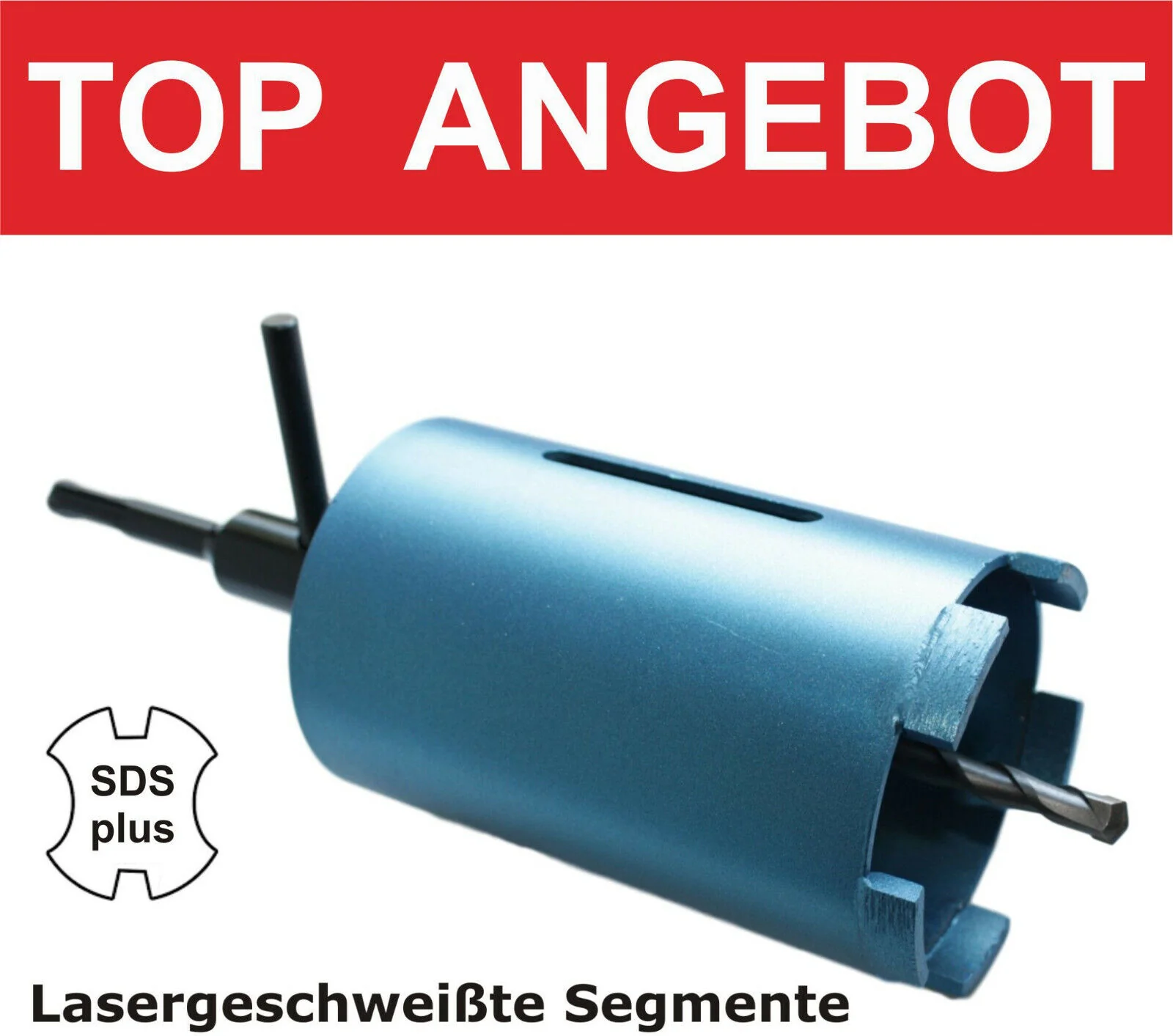
For larger holes, especially when installing electrical outlet boxes, diamond core bits are the best choice. They vibrate less and create clean edges with less chipping. Find the right equipment in our power tools selection.
How do I drill the hole?
Hold the tool perpendicular to the wall. Start at a low speed with the hammer function off to make a small pilot hole. Then switch on the hammer function.
Let the drill do the work, applying only light pressure. Too much force can jam the bit and cause the material to break out. For openings such as cable holes, drill from both sides toward the center.
Important
Wear safety glasses and use a vacuum with a construction dust filter for all drilling work. Fine brick dust is harmful to your health. Vacuum the hole as soon as you finish drilling.
Determining the correct drilling depth
The hole should be deep enough for the entire anchor, plus at least 10 mm of extra space. This gives drilling dust somewhere to collect and keeps the anchor from bottoming out. Use the drill's depth stop or mark the bit with tape.
For heavy loads, a deeper anchor may be advisable. Keep the total wall thickness in mind so you do not drill all the way through.
Which anchors work in hollow brick?
Skip universal and frame anchors. Choose a system made for hollow-wall mounting. These anchors expand inside the cavity, behind the brick's outer shell.
Modern injection mortar systems fill the cavity around the anchor and bond with the brick structure. They create a form-fitting anchor that distributes the load and performs better than conventional anchors in porous masonry.
Hollow-wall anchors and metal expansion anchors
Plastic hollow-wall anchors have long, flexible wings. As you drive in the screw, the wings expand inside the cavity and lock into place. They are suitable for light to medium loads.
Metal expansion anchors work in a similar way but are stronger. They consist of a metal sleeve that deforms as the locknut is tightened, pressing against the inside walls of the cavity.
Chemical anchors and injection systems
For the heaviest loads and permanent installations, such as those used in landscaping, chemical anchors are a good choice. Inject a two-component mortar into the cleaned hole.
Then insert a threaded rod. As the mortar cures, it bonds at a molecular level with the brick. The load is distributed over a large area inside the cavity.
One more tip
Always test your anchor with a load heavier than the one you plan to use. For example, pull down on an installed hook before hanging an expensive shelf or heavy lamp. This can help you spot weak points early.
Practical Applications in the Garden and Home
There are many places to install fasteners in the Garden + Outdoor area. You can install shelves in a garden shed, attach climbing supports to an exterior wall, or hang heavy baskets.
Sturdy fasteners are essential for securing tarps to shelters or carports. A
offers a simple, reliable solution with excellent holding power.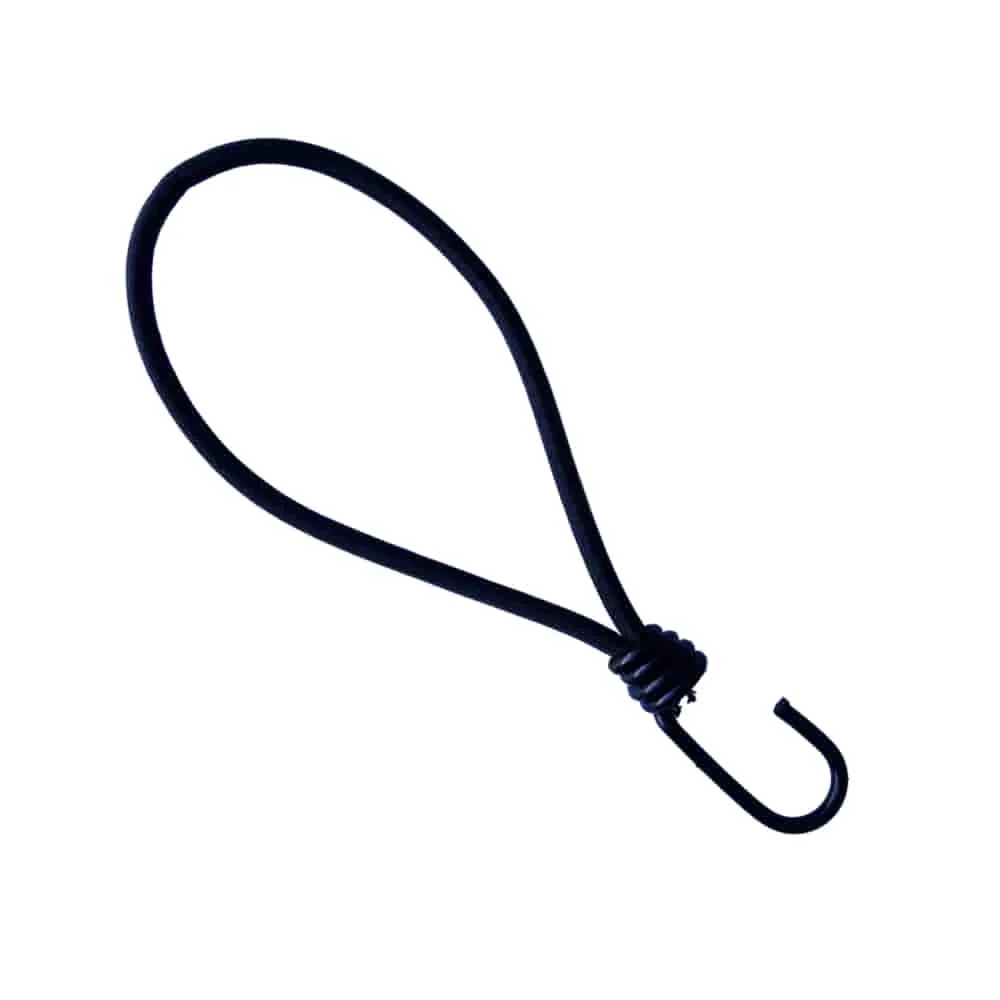
Secure fasteners are essential indoors, too, such as in basements or in DIY drywall walls with hollow bricks. A
for decorative storage needs a secure anchor.
Attaching Trellises and Climbing Supports
Wood or metal trellises are exposed to wind. Use threaded rods with chemical anchors to secure them. The rod passes through the entire brick. Secure it on the inside with a washer and nut.
This through-bolt method transfers tensile forces effectively. For smaller trellises, several individual fasteners with metal hollow-wall anchors are sufficient.
What Are the Most Common Mistakes?
The biggest mistake is underestimating the material. Hollow bricks may look solid, but they are not. A screw that is too short and only grips the outer shell can pull out under load.
Using the wrong tool can cause damage. A standard rotary drill without hammer action will not get far in brick. Applying too much pressure can break the thin webs.
Do not skip the final check. After tightening the screw, check whether the anchor turns with it or the fastener comes loose. If that happens, you will need to repair the hole and reinstall the fastener with a larger anchor.
What to Do About Oversized Holes
If the drilled hole is too large, using an even larger anchor will not help. Instead, fill the hole with fast-setting masonry mortar or plaster. Once it has cured, drill into the filled material again using the correct diameter.
This repair creates a stable, solid core for the new fastener. You can find suitable accessories for plumbing installations in the Plumbing + Irrigation category.
Tools and Materials at a Glance
You need some basic equipment for secure fastening. This includes a powerful hammer drill, a set of high-quality masonry drill bits in various diameters, and the right anchors.
Have a vacuum, safety glasses, a bellows for clearing dust from the holes, and a screwdriver ready. A pencil, level, and tape measure are essential for accurate marking.
Remember the screws. They must be long enough to pass through the anchor, mounting plate, and the object being attached. Stainless steel screws resist corrosion and are suitable for outdoor use.
With this knowledge and the right materials from our Shop, you can securely and permanently fasten items to hollow brick walls.
Frequently Asked Questions
- Can I use standard wall anchors in hollow brick?
- Standard expansion anchors are unsuitable for hollow brick because they cannot grip inside the cavity. Use specialty hollow-brick anchors or injection systems that wedge inside the brick or are filled with mortar. These systems distribute the load across a larger area inside the cavity.
- What is the best drill bit for hollow brick?
- An SDS-Plus hammer drill with carbide-tipped masonry bits is ideal. For large-diameter holes, such as those for electrical boxes, diamond core bits are suitable. They cut cleanly and help protect the material. Make sure the drill bit is sharp to prevent it from wandering.
- How can I prevent brick from breaking out when drilling?
- Drill at a low speed without applying heavy pressure. Use a drilling template or stick masking tape to the wall to guide the bit. When drilling through a wall, drill from both sides. A rotary hammer with impact control is gentler than standard hammer drilling.
- How much weight can a hollow brick wall hold?
- The load capacity depends on the type of anchor, brick thickness, and installation location. Light loads such as shelves are generally not a problem. For heavy objects such as wall cabinets, check the anchor manufacturer's specifications and inspect the wall. If in doubt, consult a professional.
- Do I need to prepare a hole in hollow brick in any special way?
- Yes. After drilling, thoroughly blow out dust and masonry debris using a pump or bellows. A clean hole is essential for maximum holding power. Check the depth against the anchor. The hole should be at least 10 mm deeper than the anchor length.