
In brief: Hedgehogs can be given high-quality, meat-rich cat or dog food, cooked meat and fresh water. Only feed them as a supplement, in small portions and in a clean, sheltered spot. Milk, bread, seasoned food, sweets, fruit and vegetables do not belong in the bowl. Sick or very underweight hedgehogs need help from a hedgehog rescue center.
Hedgehogs can be given high-quality, meat-rich cat or dog food, cooked meat and fresh water. Only feed them as a supplement, in small portions and in a clean, sheltered spot. Milk, bread, seasoned food, sweets, fruit and vegetables do not belong in the bowl. Sick or very underweight hedgehogs need help from a hedgehog rescue center.
Hedgehogs in the garden are useful garden visitors. They eat beetles, larvae, earthworms and other invertebrates. A wildlife-friendly garden with leaves, hedges and piles of branches often provides more suitable food than a full feeding bowl.
When dry weather, cold temperatures or a very late-born hoglet make finding food difficult, supplementary feeding can help. The right place for this can be found in the Garden + Outdoor section. Suitable hedgehog food, fresh water and daily hygiene are essential.
Why should you only supplement hedgehogs' natural food in the garden?
The European hedgehog is a wild animal. It finds its own food and adapts its needs to the season, weather and activity levels. A healthy hedgehog with a normal gait, glossy coat and good reactions generally does not need a daily feeding station.
Supplementary feeding can still be useful. Long dry periods reduce the supply of insects. After cold nights, young hedgehogs in autumn sometimes find too little food to build up enough weight for hibernation. An animal being released back into the wild after an injury or illness may also need temporary support.
When is supplementary feeding useful?
First, observe the hedgehog from a distance over several evenings. Do not automatically feed every visitor. A healthy animal disappears when it senses danger, moves confidently and searches for food independently. A clearly underweight hedgehog, a very small late-born hoglet or a weakened animal, however, needs a more careful assessment.
Only put food out in the evening and remove leftovers the next morning. This attracts fewer rats, mice and flies. Permanent feeding is no substitute for a wildlife-friendly habitat and can encourage disease at a heavily visited feeding spot.
Expert tip
Observe the hedgehog from a distance over several evenings before putting out food. A healthy animal with a glossy coat, normal gait and good reactions usually does not need daily supplementary feeding.
What can hedgehogs eat?
Suitable food contains plenty of animal protein and as few unnecessary additives as possible. High-quality wet cat or dog food is particularly suitable for a feeding station. Choose a variety with a high meat content and no sugar. Many ready-made mixes are sold as hedgehog food, but their ingredients and quality vary considerably.
What hedgehog food is suitable?
- Meat-rich wet food: Cat food is particularly suitable because of its high protein content. High-quality dog food is also possible if it contains plenty of meat and is not heavily seasoned.
- Cooked meat: You can fully cook and cool unseasoned poultry or beef in small pieces before offering it. Remove bones and sharp edges.
- Egg: Hard-boiled egg or unseasoned scrambled egg is occasionally suitable in a small amount. Do not add salt, pepper or fat.
- Dry food: Small amounts of high-quality dry cat food can supplement wet food. It is not a substitute for water or a balanced main portion.
- Water: Fresh tap water should always be available. A shallow, heavy bowl prevents tipping over and makes access easier.
If you buy ready-made hedgehog food, check the ingredients list. Dairy ingredients, sugar, salt and lots of fillers are reasons to avoid the product. Hedgehogs are best left to find insects themselves. Do not collect worms or slugs from areas treated with plant protection products or slug pellets.
How large should the portion be?
Start with a small portion of around one to two tablespoons. Observe whether the hedgehog eats all the food. Only add as much as the animal needs. A large bowl with food left out for several days quickly becomes dirty and attracts unwanted visitors.
The right amount depends on body size, season, state of health and the natural food supply. General feeding advice is not enough for a very underweight or sick animal. A hedgehog rescue center can assess its weight, condition and food requirements.
What must hedgehogs not eat?
Many foods from the human kitchen are unsuitable for hedgehogs. This also applies to products that may seem harmless at first glance. Hedgehogs cannot digest lactose sufficiently and often develop diarrhea after eating unsuitable food. Loss of fluids can quickly weaken a small wild animal.
- Milk and dairy products: Milk, cream, yogurt and cheese can cause digestive problems.
- Bread and baked goods: Bread, rolls, cake and pasta do not provide the right balance of nutrients.
- Seasoned or salty foods: Sausages, ham, seasoned meat, sauces and tinned foods put a strain on the animal's system.
- Sweets: Chocolate, cookies and other sweet foods do not belong at a feeding station.
- Fruit and vegetables: Apples, grapes, carrots and lettuce are not suitable as a main food for hedgehogs.
- Raw meat and raw eggs: Cook animal-based foods thoroughly to reduce avoidable risks from germs.
- Food with many additives: Products containing sugar, milk, lots of grain or strong flavorings are best left on the shelf.
- Poisoned prey: Slugs from treated areas and insects from places where pesticides have been used can harm hedgehogs.
Also avoid giving medication, vitamin supplements or worming treatments without professional advice. Even a well-intentioned remedy can worsen the symptoms or make later treatment more difficult.
Important note
Do not give a weakened hoglet milk or medication on your own. Cold, dehydration or injuries require expert help. Contact a hedgehog rescue center or veterinary practice before attempting treatment.
How do you set up a safe feeding station?
Choose a quiet, dry spot under a hedge, bush or small roof. The hedgehog should be able to reach the bowl without crossing a busy patio or open road. Do not place food and water directly beside brightly lit paths.
What should a feeding station include?
- Use shallow, stable ceramic or metal bowls. Lightweight plastic bowls can easily tip over in the wind or when touched.
- Place water and food separately. This keeps the water clean for longer and makes it easier to control the amount of food.
- A simple feeding house provides protection from rain. A side entrance and removable roof make cleaning easier.
- Avoid deep containers, nets, cords and sharp-edged covers. The hedgehog must not get caught or climb into a bowl.
- Do not place the feeding station directly beside a pond, cellar steps or an open water butt.
How do you keep the feeding area clean?
Remove leftover food every morning. Wash the bowls with hot water and a brush. Do not use heavily scented cleaners, as residue can interfere with the hedgehog's sense of smell. Allow the bowls to dry completely before putting them out again.
Change the water daily and clean the surrounding area regularly. Droppings, flies and spoiled leftovers indicate that you need to adjust the amount of food or the location. If several hedgehogs visit, several separate feeding stations can help prevent one animal from being permanently pushed away.
A feeding station does not automatically protect against cats, foxes or martens. Observe the area and move the station if other animals repeatedly drive the hedgehog away. Do not feed hedgehogs by hand. Keeping your distance protects both sides.
Additional advice
Place water and food separately. This keeps the water cleaner and lets you see immediately how much food the hedgehog has actually eaten.
When does a hedgehog need professional help?
Not every hedgehog seen in daylight is automatically an emergency. A hedgehog may briefly be out during the day because its nest has been disturbed, the weather is warm or it is looking for a new hiding place. Therefore, pay attention to its overall behaviour, not just the time of day.
Which warning signs matter?
- The hedgehog appears lethargic, staggers or cannot walk safely.
- It does not curl up when you approach cautiously or barely reacts.
- You can see an injury, blood, bald patches, flies or maggots.
- The animal is lying in the open, feels cold or cannot retreat.
- A young hedgehog is alone, very small, weak or crying continuously.
- The hedgehog has severe diarrhoea, noisy breathing or visible discharge around its eyes and nose.
In these cases, have a towel and sturdy cardboard box ready. Carefully pick up the animal using gloves or a towel and place it in the box, which should be lined with another towel. A lukewarm hot-water bottle wrapped in a towel and placed against one side of the box can help warm a chilled animal. Always leave a cooler area free.
Place the box somewhere quiet and dark, then call a hedgehog rescue centre, wildlife rescue service or veterinary practice. Do not put anything in the mouth of a lethargic animal. Do not bathe it, force-feed it or give it medication of your own accord until a professional advises you on the next steps.
“Hedgehogs are wild animals, not pets.”
How do you make your garden hedgehog-friendly?
The best help starts not with a food bowl, but with a safe habitat. Leave leaves under hedges and provide piles of branches or dead wood as hiding places. Native shrubs and varied planting encourage insects, beetles and other natural prey.
Which dangers should you remove?
- Create small gaps under fences and gates so hedgehogs can move between gardens. An opening of around 13 by 13 centimetres is often sufficient.
- Cover cellar shafts, building pits and deep containers. A rough ramp helps animals climb out of shallow water sources.
- Do not leave nets, cords or plastic sheeting loose on the ground. Hedgehogs can become tangled in them.
- Keep robotic lawnmowers switched off at night and check piles of leaves and branches before moving them. Take particular care when working with a brush cutter or trimmer.
- Avoid slug pellets and chemical pesticides. Insects that have been poisoned indirectly can also harm hedgehogs.
- Place several shallow water bowls around the garden, especially during long periods of dry weather.
Other garden wildlife also benefits from leaves, shrubs, water and fewer chemicals. A well-kept garden does not have to be sterile. Leave places where animals can retreat and only cut back dense areas after checking for wildlife.
Do not confuse gutter guards with hedgehog food
A product name can easily create the wrong expectation: , and are gutter guards. These products keep leaves out of gutters. They are not hedgehog food, a feeding house or a substitute for a shallow water bowl. Use gutter accessories exclusively on the gutter, and secure open shafts, ponds and water butts separately.
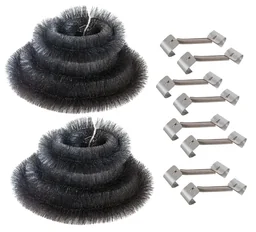
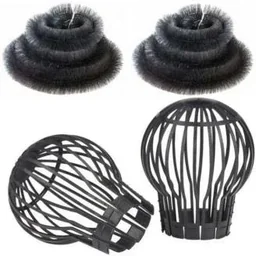
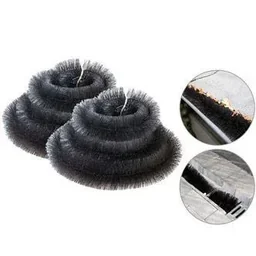
For practical garden equipment, you will find suitable options in categories such as Garden Equipment. For feeding hedgehogs, however, you mainly need a clean bowl, suitable food and water. The surroundings determine whether the hedgehog can reach the feeding station safely.
“A natural garden provides hedgehogs with food and shelter.”
Conclusion: Feed hedgehogs deliberately and only as a supplement. Meat-rich wet food, cooked meat and water are suitable for the bowl. Milk, bread, seasoned foods, sweets, fruit and vegetables should be left out. If a hedgehog is injured, lethargic or a young animal is helpless, contact a hedgehog rescue centre or veterinary practice.
Frequently Asked Questions
- What can I feed hedgehogs in my garden?
- Suitable options include meat-rich wet cat or dog food, unseasoned cooked meat, and fresh water. Offer a small portion in the evening in a quiet, clean spot. Milk, bread, fruit, vegetables, sweets, and seasoned leftovers should not go in the bowl.
- Can hedgehogs drink milk?
- No. Milk is not a suitable substitute for water and can cause severe diarrhoea because it contains lactose. Offer only fresh water in a shallow, stable bowl. Replace dirty water daily, and do not place the bowl right next to old food.
- Should I feed every hedgehog in my garden?
- No. A healthy, active hedgehog will usually find its own food in a wildlife-friendly garden. Supplementary feeding can help during a prolonged dry spell, for a very late-born hoglet, or for an animal that is visibly underweight. Observe it from a distance first. If it seems lethargic, is injured, or you are unsure what to do, contact a hedgehog rescue centre rather than setting up a permanent feeding station.
- How can I tell if a hedgehog needs help?
- A hedgehog may need help if it appears lethargic during the day, staggers, does not curl up, is injured, or has flies and maggots on it. However, a single daytime sighting is not enough to make a diagnosis. Carefully place the animal in a cardboard box and call a wildlife rescue organisation or veterinary practice.
- How do I keep a hedgehog feeding station clean?
- Use shallow, stable bowls and wash them daily with hot water. Remove leftover food in the morning, change the water, and avoid feeding directly on the ground. A covered spot protects the food from rain. If several hedgehogs visit, use separate bowls.
Ergänzung: Igel im Garten füttern: So helfen Sie den Gartentieren
Eine Futterstelle sollte sauber, trocken und für Katzen möglichst unzugänglich sein. Stellen Sie frisches Wasser in einer flachen Schale bereit und erneuern Sie es täglich. Futterreste entfernen Sie am nächsten Morgen; reinigen Sie Schalen regelmäßig mit heißem Wasser.
Füttern hilft vor allem kurzfristig, ersetzt aber keinen geeigneten Lebensraum. Lassen Sie Laub- und Reisighaufen als Verstecke liegen, verzichten Sie auf Gifte und sichern Sie Lichtschächte sowie Gartenteiche, damit Igel sich nicht verletzen oder darin gefangen werden.
You may also be interested in
- Hedgehogs in the garden: how to protect and help them in autumn and winter
- Garden fences: how to protect hedgehogs in your garden
- How to feed garden birds: what can they eat?
- How to create a wildlife-friendly garden
- How to feed blackbirds: tips for supporting garden birds
- What to feed ducks: what is good for them?