
In brief: For a healthy garden, choose a fertilizer suited to your plants and soil. Apply it during the growing season, from spring through late summer. Organic fertilizers work gradually and improve the soil, while mineral fertilizers provide nutrients quickly. Always follow the label directions to avoid overfertilizing.
A lush garden with healthy plants and a bountiful harvest is every gardener's dream. It all starts with the soil. As plants grow, they use up nutrients that are essential to their development. Fertilizing your garden replenishes those nutrients and helps your plants thrive. But which fertilizer should you choose, and how do you apply it correctly? This guide covers everything you need to know.
Why does your garden need fertilizer?
Think of garden soil as a nutrient bank account. Every plant that grows, blooms and produces fruit withdraws nutrients from that account. Rain also washes nutrients out of the topsoil. Without regular deposits, the account eventually runs low. Plants may grow poorly, become more vulnerable to diseases and pests, and produce smaller yields.
The three most important nutrients, known as macronutrients, are nitrogen (N), phosphorus (P) and potassium (K).
- Nitrogen (N) supports growth. It is essential for producing green leaves and strong stems.
- Phosphorus (P) promotes flowering, fruit development and strong root growth.
- Potassium (K) strengthens plant cell walls, improves stability and boosts resistance to frost, drought and disease.
Along with these primary nutrients, plants need trace elements such as magnesium, calcium and iron. Good garden fertilization replenishes the nutrients plants use and ensures all the necessary elements are available in sufficient amounts.
Soil is a living organism. Caring for and nourishing it not only leads to abundant harvests, but also supports biodiversity.
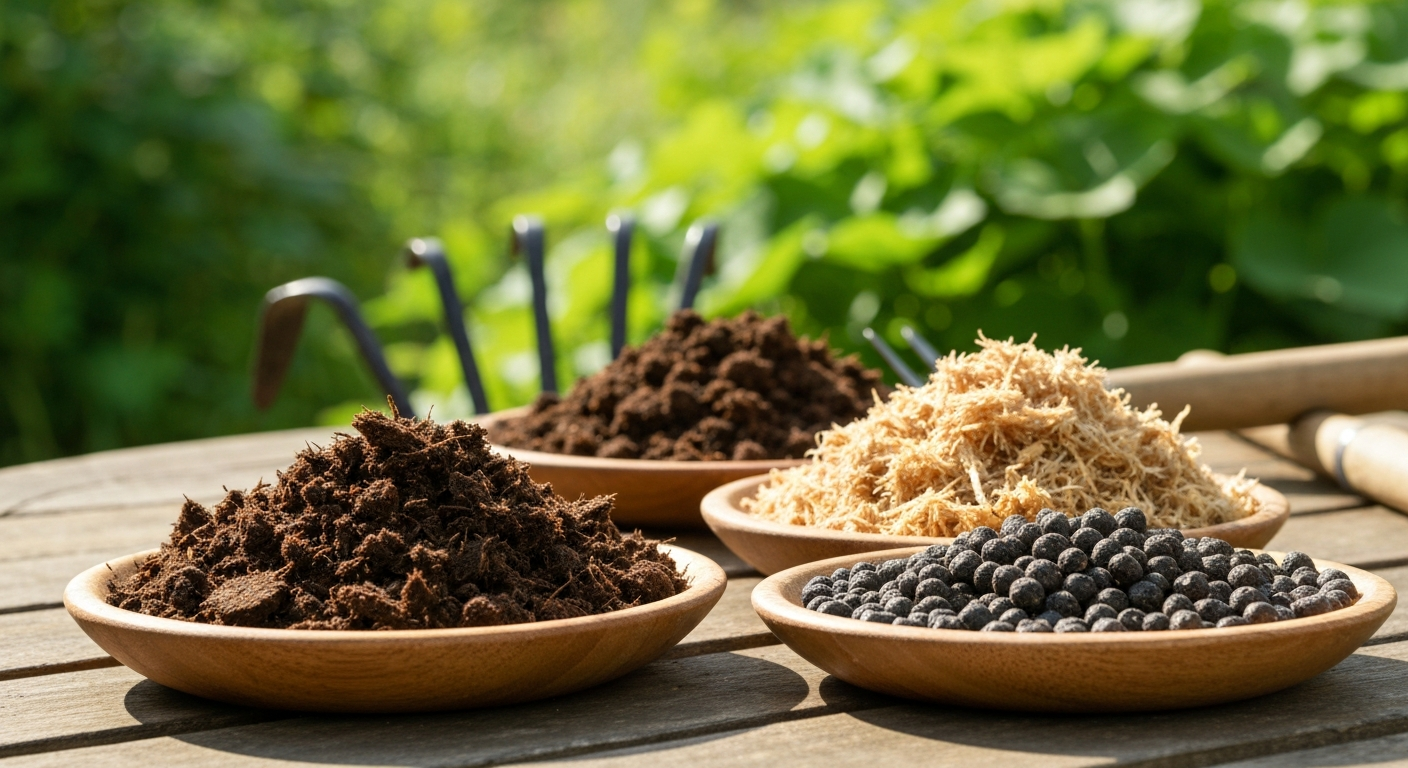
What types of fertilizer are available?
Garden centers and online stores offer a wide range of fertilizers. In general, they differ in their source and how they work. The right choice depends on your plants, your soil and your preferences.
Organic fertilizer: The power of nature
Organic fertilizers are made from plant or animal materials. Examples include compost, manure, horn shavings, bone meal and plant teas. Their main benefit is that they feed plants while improving soil structure over time. Soil microorganisms slowly break down the organic matter, releasing nutrients gradually. This reduces nutrient loss from leaching and lowers the risk of overfertilizing.
Regular use of organic fertilizer supports living soil filled with earthworms and microbes. The soil becomes looser, holds water more effectively and grows more fertile. A good example is the
organic lawn fertilizer, which feeds your lawn and supports healthy soil activity.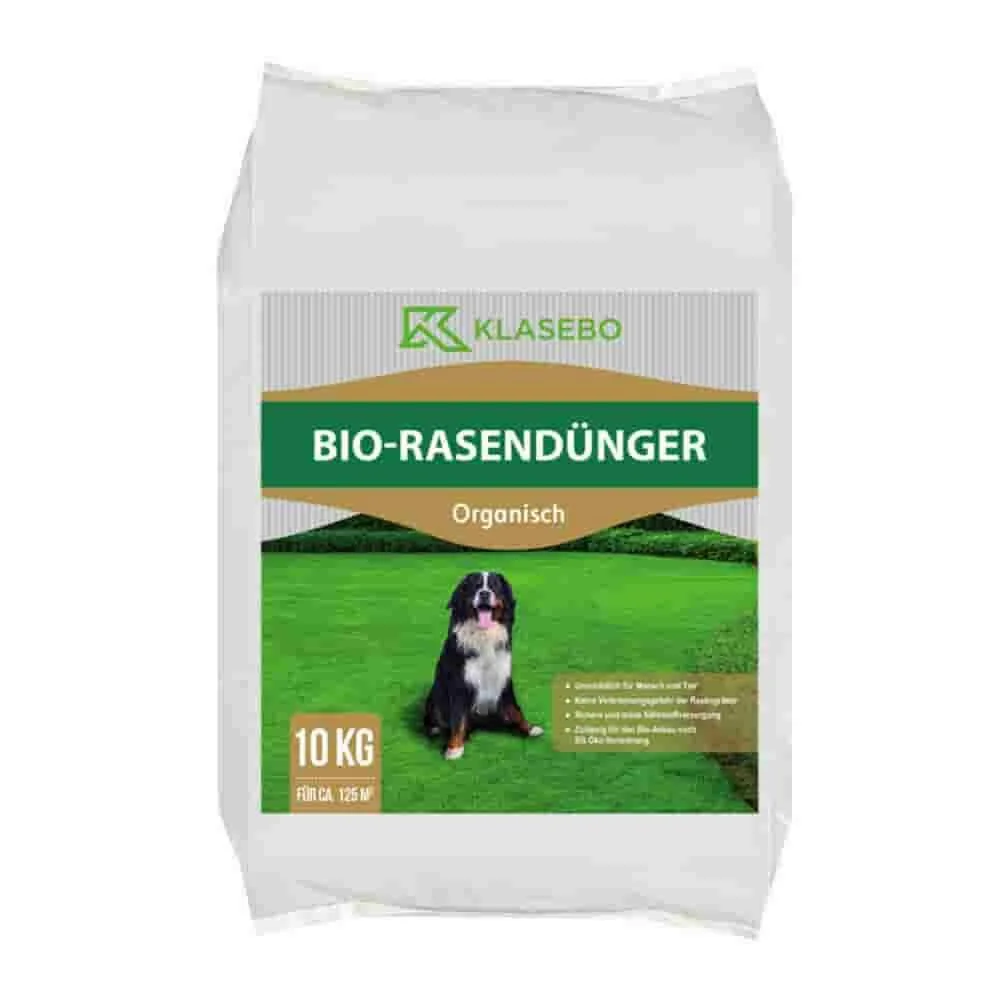
Mineral fertilizer: A quick supply of nutrients
Mineral fertilizers, also known as synthetic fertilizers, contain nutrients in the form of manufactured salts. They are highly concentrated, and plants can absorb their nutrients right away. That makes them useful for quickly correcting nutrient deficiencies, which can show up as yellow leaves or weak growth.
Be sure to apply mineral fertilizers at the rate given on the label. Too much can damage plant roots, or “burn” them, and harm soil life. Mineral fertilizers do not improve soil structure over time.
Organic-mineral fertilizer: The best of both worlds
These fertilizers combine the benefits of both types. They contain fast-acting mineral ingredients for an immediate effect, along with organic ingredients that provide nutrients over time and improve the soil. They are a good choice for many gardening needs.
Expert tip
For more targeted fertilizing, consider a soil test. A lab analysis or a test kit from a garden retailer can show which nutrients your soil lacks. That way, you can apply the right fertilizer and avoid wasting money or adding excess nutrients to the soil.
How do I choose the right fertilizer for my plants?
Not all plants need the same amount of nutrients. Gardeners group plants by their nutrient needs: heavy feeders, medium feeders and light feeders. This classification helps you choose the right amount and type of fertilizer.
Heavy feeders: The hungry plants in your garden beds
These plants need plenty of nutrients to produce large fruit and a generous harvest. They benefit from a thorough application of compost in spring and regular feeding throughout the growing season. Specialized plant and flower fertilizers work well for them.
- Examples: Tomatoes, cucumbers, zucchini, pumpkins, potatoes, cabbage, sunflowers and dahlias.
Medium feeders: Plants with moderate needs
Medium feeders have moderate nutrient requirements. They often need just one application of compost in spring or an occasional feeding with a balanced garden fertilizer.
- Examples: Carrots, onions, lettuce, spinach, strawberries and most perennials.
Light feeders: Plants with modest needs
These plants do well with very few nutrients. They grow best in soil that supported heavy or medium feeders the previous year. Too much fertilizer can harm them, leading to excessive growth and less flavorful herbs.
- Examples: Beans, peas, radishes, mâche and most herbs, such as thyme and rosemary.
For vegetable plants and herbs, a liquid organic fertilizer such as the
vegetable fertilizer is a great choice. Just mix it with water and apply it when you water your plants.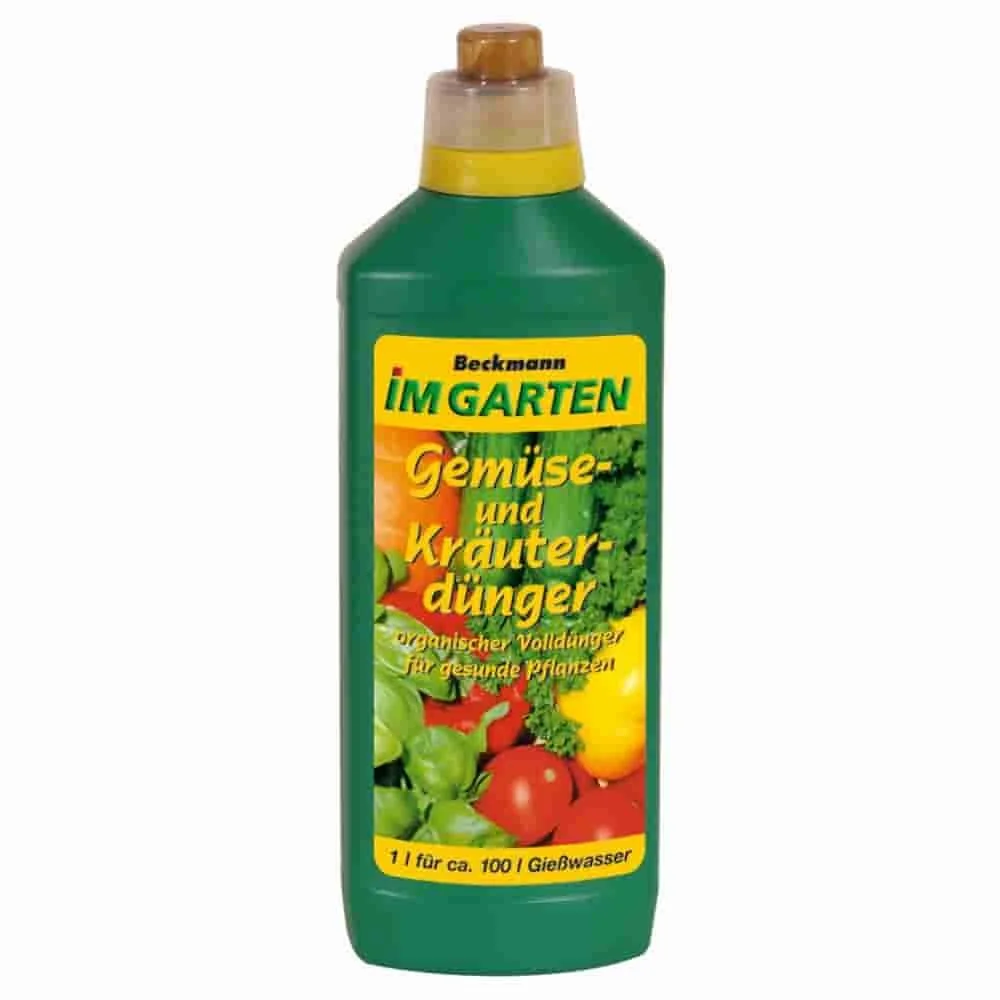
Additional advice
A layer of mulch made from grass clippings, leaves or straw helps keep soil from drying out and suppresses weeds. As it breaks down, it gradually releases nutrients into the soil and supports soil life. Mulching is a great addition to targeted fertilizing.
When and how often should I fertilize my garden?
Choosing the right time is crucial for successful fertilizing. The main fertilizing season is the growing season, which begins in spring and ends in late summer. In fall and winter, most plants are dormant and do not need any additional nutrients.
Spring (March/April): This is the time for a base feeding. Work mature compost or an organic slow-release fertilizer into the beds. This gives plants a good start to the season.
Summer (May to August): During the main growing and flowering period, heavy feeders in particular have high nutrient requirements. This is the right time for additional feeding. You can apply liquid fertilizer every two to four weeks. Depending on how long they last, reapply solid fertilizers once or twice.
Late summer (end of August): Reduce fertilizing, especially with nitrogen-rich fertilizers. Plants should stop growing and prepare for winter. New, soft shoots can be damaged by frost.
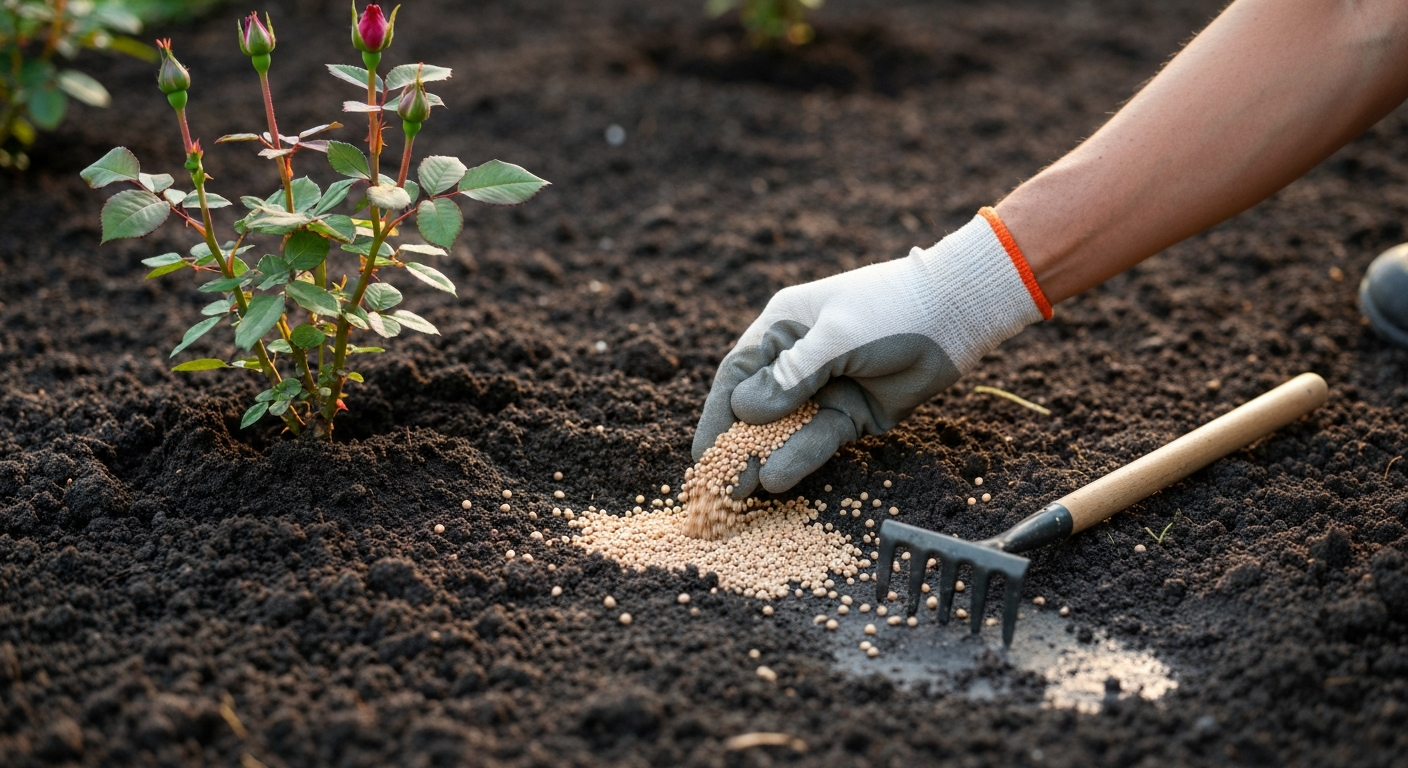
Step-by-step guide: How to apply fertilizer correctly
Applying fertilizer correctly helps nutrients reach the roots without damaging the plant.
Applying solid fertilizers (granules, pellets, horn shavings)
- Read the instructions: Always follow the amounts specified on the package. Less is often more.
- Measure it out: Use a measuring cup or scale to determine the exact amount for the size of your garden bed.
- Spread evenly: Scatter the fertilizer evenly around the plants. Avoid spreading granules directly around the plant stems or on the leaves.
- Work it in: Lightly work the fertilizer into the top layer of soil with a rake or cultivator. Find the right garden tools in our selection.
- Water: Water the area thoroughly afterward. Water dissolves the nutrients and carries them to the roots.
Using liquid fertilizer
Liquid fertilizers, such as vegetable fertilizer, are especially easy to use.
- Mix: Add the amount of fertilizer specified in the instructions to a watering can filled with water.
- Apply: Pour the nutrient solution directly onto the soil around the plants' roots. Never fertilize dry soil, as this can damage the roots. If needed, water the plants with plain water first.
- Frequency: Repeat every few weeks during the main growing season, depending on the plants' needs.
Good garden irrigation helps plants absorb nutrients effectively.
Important note
Avoid overfertilizing. Too many nutrients, especially nitrogen, lead to unnaturally fast, excessive growth. Plants become soft, unstable, and susceptible to pests such as aphids. Excess fertilizer can also leach into groundwater and harm the environment.
Working in compost and manure
Mature compost is a gardener's gold. It not only supplies nutrients but also improves soil structure. To make it, you can shred garden waste using the
\"Wunderschere\", which is ideal for this purpose, and add it to a compost pile.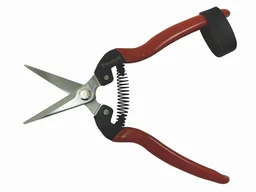
In spring, spread a 2-3 cm layer over the beds and lightly work it into the soil. Let farmyard manure rot well before using it, as fresh manure is too strong for plant roots. The best time to apply it is in fall, giving it time to break down over winter.
Fertilizer is not there to feed the plant, but to invigorate the soil.
By fertilizing your garden thoughtfully and correctly, you create the foundation for healthy growth, strong plants, and a rich harvest. You complete the nutrient cycle and maintain fertile soil in a sustainable way, bringing you joy year after year.
Frequently Asked Questions
- When is the best time to fertilize the garden?
- The best time to fertilize is during the growing season, from spring to late summer. Apply a base dressing of compost or slow-release fertilizer in spring. You can apply liquid fertilizer every few weeks during the main growing period. Stop fertilizing after late summer so plants can harden off before winter.
- What does NPK mean on fertilizer packaging?
- NPK stands for the three main nutrients plants need: nitrogen (N) for leaf growth, phosphorus (P) for flower and root development, and potassium (K) for fruit ripening and resilience. The numbers indicate the percentage of each nutrient.
- Can you overfertilize plants?
- Yes, overfertilizing can harm plants and the environment. Too much nitrogen leads to soft, disease-prone shoots. Excess fertilizer can burn the roots and increase the salt content of the soil. Always follow the manufacturer's dosage recommendations carefully.
- Are coffee grounds a good fertilizer?
- Yes, coffee grounds are a mild organic fertilizer. They contain nitrogen, phosphorus, and potassium. Dry the coffee grounds thoroughly and work them into the top layer of soil. They are especially suitable for plants that prefer slightly acidic soil, such as hydrangeas, rhododendrons, and blueberries.
- How can I recognize nutrient deficiencies in plants?
- Nutrient deficiencies often show up as discolored or stunted leaves. Pale or yellow leaves (chlorosis) often indicate a nitrogen or iron deficiency. Poor growth, few flowers, or purple leaves can point to a phosphorus deficiency. A professional soil test provides the most reliable information.
You may also be interested in
- Plant Fertilizer Guide: Choosing the Right Fertilizer for Your Plants
- How to Fertilize Plants Properly: The Best Way to Feed Your Garden and Balcony Plants
- How to Use Pelletized Cow Manure Properly: Your Guide to a Fertile Garden
- When to Apply Horse Manure: A Seasonal Calendar for the Garden
- How to Fertilize Perennials Properly: For a Magnificent Floral Display
- How to Apply Lawn Fertilizer Properly: Instructions for a Thick Lawn