
In brief: Nitrogen is the main driver of lawn growth and green color. It is an essential component of chlorophyll, the green pigment in leaves. A deficiency leads to yellow, weak grass, while excess nitrogen causes soft, disease-prone turf with excessive growth. The key to lawn fertilization is applying the right amount of nitrogen at the right time and in the right form.
Table of contents
Nitrogen: The foundation of a green lawn
Your lawn consists of millions of individual grass plants. Each one needs nutrients to survive. Nitrogen (N) is the most important of these nutrients. It is the main component of chlorophyll, the green pigment in leaves. Without enough nitrogen, efficient photosynthesis cannot take place.
You will quickly see the result: The grass turns light green, then yellowish. The blades barely grow. The turf becomes thinner. Weeds such as white clover, which can bind nitrogen from the air, gain the upper hand. Targeted lawn fertilization with nitrogen solves this problem.
However, caution is required. Too much of a good thing leads to lush, excessive growth. The blades become soft and susceptible to Fusarium fungi or snow mold. The roots remain weak. The key is applying the right amount.
Nitrogen sets the pace for growth. It determines how quickly and densely your lawn develops. But just as with an engine, the quality of the fuel determines how long it will last.
What forms of nitrogen are in lawn fertilizer?
Not all nitrogen in fertilizer works in the same way. A distinction is made between immediately available and slow-release forms.
Fast-acting nitrogen is usually present as nitrate or ammonium. Grass can absorb it directly through its roots. It takes effect within days but lasts only a few weeks. You will find this form in many mineral lawn fertilizers with weed killer or starter fertilizers for new lawns.
Slow-release nitrogen is the key to sustainable lawn care. Here, the nutrient is incorporated into organic compounds or enclosed in a resin coating. Soil microorganisms or moisture release it gradually. The result is a steady supply over 2 to 4 months without sudden growth spurts.
Pro tip
Combine a fast-acting fertilizer with a slow-release fertilizer for a balanced supply. This corrects acute nutrient deficiencies while also providing a steady supply of nutrients. It is ideal for heavily used sports fields and playgrounds.
Organic vs. mineral slow-release fertilizer
Classic organic slow-release fertilizers include horn shavings and horn meal.
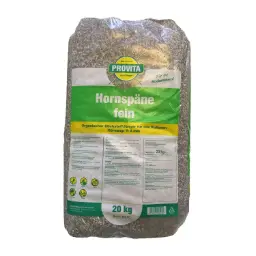
Mineral slow-release fertilizers often use a coating. They release nutrients at specific temperatures or moisture levels. Their release period is highly precise, making them suitable for professional maintenance schedules.
The right lawn fertilizing schedule: Timing matters all year
Your lawn goes through different phases during the year. Its nutrient needs change accordingly. Adjust your lawn fertilizing schedule to match.
Spring (March/April): After winter, nutrient reserves are depleted. An initial application wakes up the lawn. Use a balanced spring lawn fertilizer or a special starter fertilizer. The nitrogen content encourages greening and initial thickening.
Summer (June/July): Resilience is the priority now. Heat and drought stress the lawn. A nitrogen-rich but not excessive fertilizer strengthens the grass. This application is important for intensively used sports fields and playgrounds.
Important note
Never fertilize during extreme heat or in bright sunlight. The salt concentration can burn the grass blades. The best time is on an overcast day, ideally when rain is forecast, or water the lawn thoroughly immediately after applying the fertilizer.
Fall fertilization: The key to a lawn ready for winter
Fall lawn fertilization is the most important application of the year. Its goal is not growth but preparation. The grass needs to store reserves for winter and harden its cells against frost.
A special fall lawn fertilizer has a different nutrient ratio. It contains less nitrogen than a summer fertilizer but significantly more potassium (K). Potassium acts like an antifreeze in plant cells. It lowers the freezing point of the cell sap.
The nitrogen it contains ensures that the lawn can carry out photosynthesis vigorously one more time and store reserve nutrients in its roots. It stays green into late fall. Products such as
or are designed for this purpose.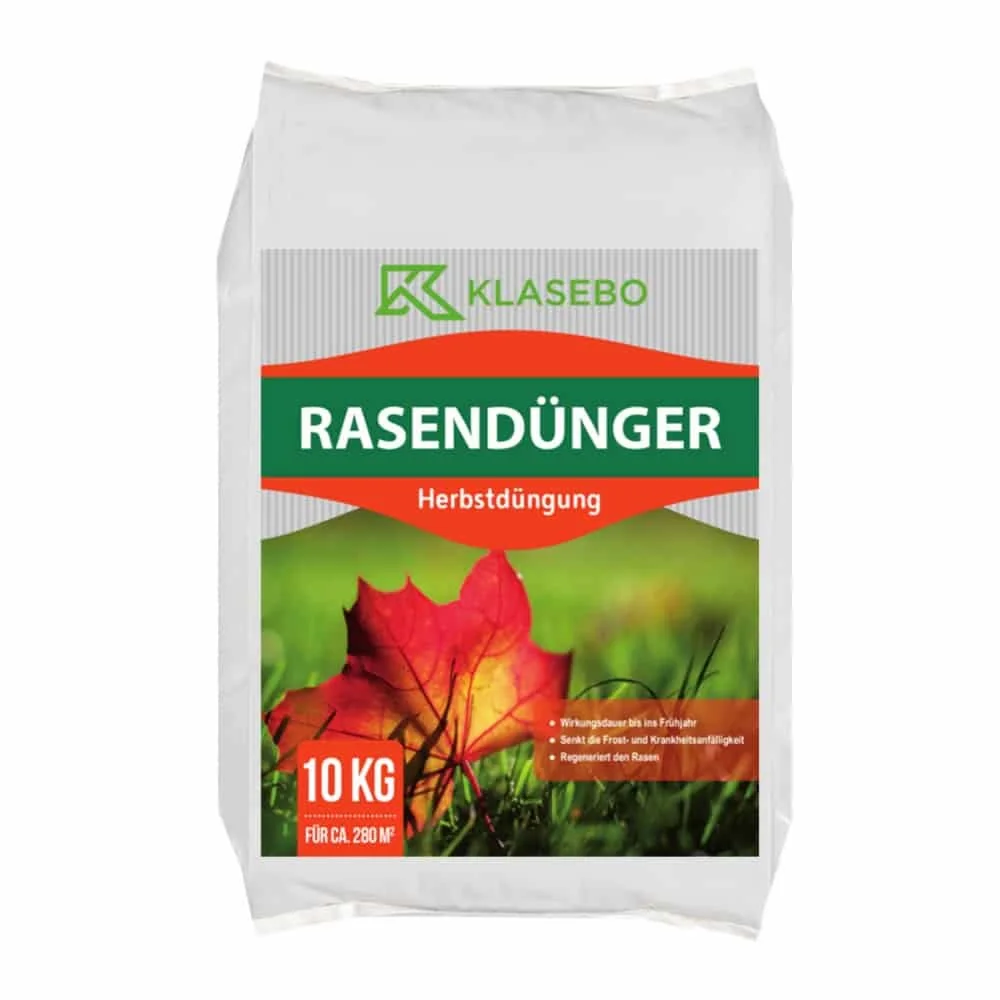
A potassium-rich fall fertilizer is the best insurance policy for your lawn. It significantly reduces frost damage and susceptibility to snow mold. Do not skip this application.
The best time for fall lawn fertilization is from late September to mid-October. The soil is still warm enough for nutrient uptake.
How to Fertilize Your Lawn Properly
Choosing the right fertilizer is half the battle. Applying it correctly matters just as much. Incorrect application wastes money and can damage your lawn.
Preparation: Mow the lawn one or two days beforehand and remove the clippings. If the lawn has a heavy thatch layer, scarify it first.
Dosage: Follow the manufacturer's instructions carefully. Use a spreader to apply the fertilizer evenly and avoid streaks. This is essential for larger areas.
Aftercare: After applying the fertilizer, the granules should fall from the grass blades onto the soil. This makes watering essential in dry conditions. Water activates the fertilizer and carries nutrients down to the roots.
Additional advice
Do not lime your lawn at the same time as applying a nitrogen fertilizer. A high pH can increase ammonia losses. Apply lime either in late autumn or very early in the year, several weeks before your first nitrogen application.
Watch for signs of nitrogen deficiency
Your lawn will show signs if it is short of nitrogen. Look out for these symptoms:
- Pale green or yellow leaves, especially older ones.
- Slow growth after mowing.
- Patchy, thinning grass.
- More weeds, such as speedwell or chickweed.
If you spot these symptoms, review your fertilizing schedule. Often, all you need is a targeted application of a fast-acting fertilizer.
Nitrogen Sources and Alternatives
Not every lawn needs a bag of store-bought fertilizer. You can also make use of natural nutrient cycles.
Mulching with grass clippings: Leave fine clippings on the lawn after mowing. They contain nitrogen and other nutrients that return to the soil as they decompose. This can provide up to a quarter of the lawn's annual nutrient needs.
Improving soil health: Living soil with plenty of earthworms and microorganisms naturally releases nitrogen from organic matter. Using organic fertilizers supports soil life.
Sometimes nitrogen is not the only issue. Compacted soil may benefit from lawn sand to improve aeration. Acidic soil needs lime. Take a holistic approach when assessing your lawn.
Fertilizing your lawn with nitrogen is not rocket science—it is applied biology. You now know the role this nutrient plays, the different forms it takes and the ideal schedule throughout the year. Put this knowledge into practice and your lawn will reward you with a rich, healthy green color and greater resilience. Start planning your next essential autumn application.
Frequently Asked Questions
- How often should I fertilize my lawn with nitrogen?
- It depends on the type of fertilizer. Slow-release fertilizers supply nitrogen over 3-4 months, so 2-3 applications per year are enough. Fast-acting mineral fertilizers work for only 4-6 weeks and may need to be applied up to 4 times a year. The key times are spring, to kick-start growth; optionally in summer, if the lawn is under stress; and, most importantly, in autumn, with a specialist autumn lawn fertilizer.
- What is the best fertilizer for an autumn lawn?
- Use a specialist autumn lawn fertilizer. It contains nitrogen and is rich in potassium. Nitrogen strengthens the grass before winter, while potassium helps the cells resist frost. Organic slow-release fertilizers such as horn meal, or specialist organic autumn fertilizers, are ideal. They reduce the risk of scorching and release nutrients gradually. Find suitable products in our autumn lawn fertilizer category.
- Can you put too much nitrogen on a lawn?
- Yes. Too much nitrogen is harmful. The grass grows rapidly but does not develop strong roots. This leaves you with soft, vulnerable grass that struggles in dry conditions and is more susceptible to fungal diseases such as snow mold. Excess nitrogen can also pollute groundwater. Follow the dosage recommendations on the packaging carefully.
- What is the difference between organic and mineral nitrogen fertilizer?
- Mineral fertilizers supply nitrogen in a form plants can use immediately, such as nitrate or ammonium. They work quickly but for a short time. Organic fertilizers such as horn meal first need to be broken down by soil organisms. They work more slowly but supply nutrients steadily over several weeks. Organic fertilizer supports soil life and carries a lower risk of over-fertilizing or scorching the lawn.
- When should I apply the last fertilizer of the year to prepare my lawn for winter?
- Apply the last fertilizer for winterizing your lawn from late September to mid-October. The grass should still be growing and able to absorb the nutrients, but the application should not encourage strong vertical growth. A potassium-rich autumn lawn fertilizer is essential at this stage. It strengthens cell walls and increases the salt concentration in plant cells, lowering their freezing point.