
In brief: Find a garden plot through local community garden associations, online listings, or community bulletin boards. You’ll rent it through a written agreement with the association or a private owner. Before signing, clarify the rental term, costs, and rules for making changes to the plot. An in-person visit will show you its true condition.
Getting your own garden: tips for finding and renting a plot
Having your own garden gives you freedom. You can grow vegetables, design flower beds, and enjoy the outdoors. But finding a garden plot is the first step, and it raises questions. Where should you look? How does renting work? This article walks you through the process.
We’ll show you practical ways to find a garden plot and what to look for in a rental agreement. You’ll also get tips for your first visit. That way, you can start the gardening season well prepared.
How do I find the right community garden plot?
Start your search with a good strategy. Try several channels at once to improve your chances.
Contact local community garden associations
Community garden associations manage most garden plots. Look for associations in your preferred area. An online search for your city name and “community garden association” is a good place to start.
Contact the association’s board directly. Ask about available plots and the waiting list. Many associations require a written application. Be patient: waiting several years is not unusual.
Pro tip
Visit the community garden on a weekend and talk to current renters. You’ll learn more about the atmosphere and how things work than any set of bylaws can tell you.
Search online listings and garden boards
Private owners often advertise garden plots online. Check platforms such as eBay Kleinanzeigen regularly. Try search terms like “garden plot for rent” or “community garden plot available.”
Specialized garden listing sites feature offers from associations and private owners. These one-stop resources can save you time. Set up alerts for new listings in your area.
Check bulletin boards and local networks
Bulletin boards at hardware stores, natural food stores, and supermarkets can turn up unexpected opportunities. A handwritten note might lead you to a private garden plot.
Tell your friends about your search. Word of mouth works: someone may know someone who’s giving up their garden. Local networks are an overlooked resource when looking for a garden.
How much does it cost to rent a garden plot?
There are several costs to consider. Get the full picture before signing an agreement to avoid surprises.
Monthly or annual rent
Rent is the main expense. It depends on the size and location of the plot. You’ll usually pay much more in a city than in the countryside. Associations often charge rent per square meter per year.
Ask how often rent is due. Is it paid monthly, quarterly, or annually? Check whether utilities are included.
Important note
Private owners often ask for a security deposit. Make sure it’s included in the agreement and that the conditions for getting it back are clearly defined. Take photos to document the garden’s condition when you move in.
Other fees and ongoing costs
Associations charge a one-time registration fee, as well as annual membership dues. These costs help pay for shared facilities such as paths, water connections, and the clubhouse.
Budget for utility costs, including water, which is often metered. If the garden has electricity, you’ll also have an electric bill. Find the right accessories for watering in our garden irrigation category.
Rent is just the starting point. The real costs come from maintenance and equipment. A solid set of basic tools is the best investment.
The rental agreement: what should I look for?
The agreement sets out your right to use the garden. Read every detail, and don’t sign anything you don’t understand.
Essential terms in the agreement
The rental term should be clear. Is the agreement for a fixed term or open-ended? What notice periods apply to each party? Make a note of when rent is due.
The agreement should list all costs clearly: rent, membership dues, water, and electricity. An appendix with the current garden rules is standard. These rules cover day-to-day life in the community garden.
Renters’ rights and responsibilities
You agree to take good care of the plot. You’ll need to harvest the crops and mow the lawn. The garden rules usually specify what portion of the plot must be used for ornamental plants and what portion for crops.
You can make changes to the garden as long as you follow the rules. This often includes putting up a garden shed or tool shed. Be sure to get written approval from the association’s board first. The right tools are essential for working on your garden shed.
One more tip
Ask someone you trust to review the agreement before you sign. A second pair of eyes can often spot unclear terms. If the fees are high or the rental term is long, getting legal advice may be a good idea.
Visiting the garden: an on-site checklist
Online photos only show part of the picture. Visit the plot in person and take your time to inspect it carefully.
Check the facilities and the plot’s condition
Check the water connection. Do the faucets work? If you want electricity, where is the nearest outlet? Inspect the condition of paths and fences.
Assess the soil. Is it clay, sandy, or rocky? This will affect what you can grow. Good soil makes all the difference. Find everything you need for ongoing care in our garden tools section.
Inspect existing plants and landscaping
What plants and trees are already there? Are the old fruit trees healthy? Are there perennials you’d like to keep? Take photos to document the condition.
Look out for problem plants such as bamboo or ground elder, which can be very difficult to remove. Ask the previous renter or neighboring gardeners about them directly.
The shade from a large tree feels wonderful in summer, but it also affects where you can put your vegetable bed. Watch how the sun moves across the garden you’re considering.
First Steps After Taking Over
The contract is signed, and the key is in your hand. Now the practical work begins. Take a structured approach.
Get to Know Your Garden and Make a Plan
Spend the first few days observing. How long does the sun shine in each area? Which way does the wind usually blow? These observations are the foundation of your planting plan.
Take stock of what’s there. What can you use? What needs to be removed or repaired? Make a priority list for your first tasks. A handy tool like the
(Wunderschere) cuts more than just plants—it can also trim tying material and plastic sheeting.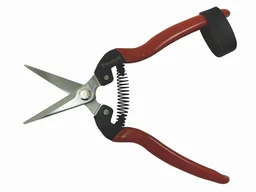
Get the Essential Tools and Supplies
You’ll need a sturdy set of basic tools, including a spade, digging fork, rake, shovel and a good pair of garden shears. Invest in quality tools that will last for several seasons.
Think about handy maintenance tools, too. A
(leak detector spray) quickly finds leaks in watering cans and old hoses. For an instant green wall or privacy screen,

Don’t forget storage. A sheltered, dry spot for your tools will help them last longer. Garden storage such as a sturdy box or small shed is invaluable. See our garden equipment for ideas.
Life in the Garden Community
A community garden is rarely a place to be on your own. You’ll become part of a community, which brings both benefits and responsibilities.
Understand How the Association Works
Attend the next members’ meeting. Get to know the board members and your immediate neighbors. The association’s rules apply to everyone, so make sure you follow them.
Take part in community projects such as maintaining paths or caring for shared areas. It builds trust and good relationships with your neighbors. You’ll also pick up valuable tips from experienced gardeners.
Avoid and Resolve Conflicts
Communicate openly. Talk to your neighbors in advance about any major changes that could affect them, such as planting a tall hedge or putting up a tool shed.
If a disagreement arises, speak directly with the other person first. If problems continue, the association’s board can help mediate. Most conflicts stem from misunderstandings, not bad intentions.
Your own garden is within reach. With a systematic search, a careful review of the contract and a realistic view of the first tasks, you’ll be well prepared. The effort is worth it for every hour you’ll spend in your own green oasis.
Frequently Asked Questions
- Where’s the best place to find a community garden plot?
- Local community garden associations are the best place to start because they manage plots directly. Ask to join their waiting lists. At the same time, check online marketplaces like eBay Kleinanzeigen and specialist garden listing sites. You can also find private listings on noticeboards at home improvement stores and supermarkets.
- What does it cost to rent a garden plot?
- In addition to monthly or annual rent, you’ll usually pay a one-time membership fee to the association. Budget for water, electricity if available, and association dues. Private landlords often require a deposit. Check the garden rules for any additional costs.
- What should a community garden lease include?
- A clear lease sets out the rental period, notice requirements and all costs. It lists your rights and responsibilities, including garden maintenance. The association’s garden rules are also part of the agreement. Have the lease reviewed before you sign.
- Can I design a rented garden to suit my preferences?
- That depends on the association’s rules or the private landlord. Permanent features such as a garden shed or trees may be protected. You’ll need permission for major changes. Ask about the rules for beds, fences and privacy screens before you start.
- How long is the wait for a community garden plot?
- Wait times vary widely by region and association. In popular urban areas, you may wait several years. In rural areas or for privately offered plots, it can be much quicker. Getting involved in the garden community may improve your chances of finding a plot.
You might also be interested in
- Lawn care made easy: your guide to a beautiful lawn
- A greenhouse in your garden: benefits, planning and how to use it
- Garden design ideas: 7 practical tips to enjoy your outdoor space
- Garden projects for beginners: turn your plans into a green oasis
- Become self-sufficient: create your own garden paradise step by step
- Vegetable gardening for beginners: grow a bountiful harvest