
In brief: Freezing kohlrabi is an effective way to preserve your harvest. Wash and peel the bulbs, then cut them into sticks or cubes. Blanch the vegetables in boiling water for two to three minutes, cool them quickly in ice water and pack them into freezer bags in portions. This keeps kohlrabi fresh for up to ten months while preserving its colour, flavour and vitamins.
How to Freeze Kohlrabi: Keep It Fresh for Longer
A plentiful kohlrabi harvest often exceeds what you can eat day to day. Freezing is the solution. This method of food preservation keeps the flavour, vitamins and freshness intact for many months. We show you exactly how to do it.
From choosing the right time to harvest and preparing the bulbs to storing them properly in the freezer. With our guide, preserving your harvest is guaranteed to succeed.
Why you should freeze kohlrabi
Fresh kohlrabi keeps for only a few days in the fridge. Freezing stops the natural spoilage process. You can preserve your entire harvest at once.
This has practical benefits. You always have vegetables ready in portions for soups, casseroles or stir-fries. You reduce food waste and are not dependent on the season.
Most of the nutrients are retained. When preserving vegetables by freezing, fewer vitamins are lost than with other methods. The key is using the correct technique.
Freezing vegetables is one of the gentlest preservation methods. Blanching is crucial. It preserves colour, texture and flavour by stopping enzymatic processes.
How do you prepare kohlrabi for freezing?
Preparation determines the final result. Take your time with these steps. Use only bulbs that are in perfect condition.
Choosing and harvesting the right bulbs
Harvest the bulbs when they are at the ideal stage of ripeness. Medium-sized, firm bulbs with a diameter of seven to ten centimetres are ideal. Overripe kohlrabi becomes woody.
Cut the bulbs from the root with a sharp knife. Remove the leaves immediately. Otherwise, the leaves will continue to draw water from the bulb. For a plentiful harvest next year, you can find high-quality seeds in our garden shop.
Pro tip
Harvest in the morning. This is when the bulbs have the highest water content and are especially crisp. Process the vegetables within a few hours of harvesting.
Washing and peeling thoroughly
Wash each bulb under cold running water. Remove any soil with a vegetable brush. Dry the kohlrabi thoroughly with a tea towel.
Then peel the bulbs. Remove the entire tough outer layer. With young, tender spring kohlrabi, a thin peel is often enough. Cut away any fibrous areas from the cut surface.
Cutting and portioning
Cut the peeled kohlrabi into evenly sized pieces. For stews, cubes measuring two centimetres are suitable. For stir-fries or as a side dish, cut the kohlrabi into sticks.
The shape affects the freezing time and the subsequent cooking time. Small pieces freeze faster and thaw more evenly. Choose one shape and stick with it. This gives you uniform portions later.
Whichever vegetable you choose, the cutting technique remains the same.
Why is blanching necessary before freezing?
This step is not optional. Blanching means briefly immersing food in boiling water. It serves three important purposes.
First, it deactivates enzymes. These natural substances are responsible for the ripening process. In the freezer, they continue working slowly, destroying flavour, colour and vitamins.
Second, surface bacteria and yeasts are killed. This extends shelf life and helps prevent freezer burn. Third, blanching preserves the crisp green colour of the skin.
Important note
Do not skip blanching. Unblanched kohlrabi becomes mushy after thawing, loses its colour and tastes bland. Its shelf life is reduced to just a few weeks.
Exact blanching instructions
Bring plenty of water to the boil in a large saucepan. Add salt. One teaspoon per litre of water is sufficient. Place the kohlrabi pieces in a sieve or blanching basket in portions.
Lower the sieve completely into the boiling water. Start a timer. The blanching time for kohlrabi cubes is two to three minutes. Keep to this time precisely.
Remove the sieve as soon as the time is up. Immediately plunge the pieces into a bowl of ice-cold water with ice cubes. This shock stops the cooking process at once.
Cooling vegetables in ice water is just as important as blanching itself. It must happen quickly enough to prevent the pieces from continuing to cook internally. This is the only way to preserve the perfect bite.
Draining and drying thoroughly
Allow the cooled kohlrabi to drain well. Shake the sieve gently. Then spread the pieces out on a clean tea towel. Pat them dry carefully.
Residual water freezes into large ice crystals. These destroy the cell structure. Therefore, dry every cube thoroughly. This step prevents mushy vegetables after thawing.
How do you freeze kohlrabi correctly?
Now it is time for the final step. The packaging and storage determine the quality later on. Work systematically.
Choosing the right packaging
Use special freezer bags or sturdy plastic containers with lids. The containers must be food-safe, seal tightly and be suitable for low temperatures.
Freezer bags save space. Press out as much air as possible before sealing them. Vacuum sealers are ideal but not essential. Fill the bags to no more than two-thirds full.
Additional advice
Portion the kohlrabi into the quantities you typically need later. For a family of four, portions of 300 to 400 grams are practical. This prevents repeated thawing and refreezing.
Labelling and flash-freezing
Label each package with its contents, date and weight. Use a waterproof pen. The date is important for rotating your supplies.
First place the filled but still open bags or containers next to one another on a tray. Put the tray in the freezer for two to three hours. This method is called flash-freezing.
The pieces freeze quickly and individually. They do not clump together into one large block. Once pre-frozen, seal the bags completely and stack them to save space.
Optimal storage in the freezer
Store the kohlrabi in the main compartment of your freezer, not in the door. This is where temperatures are most consistent. The ideal temperature is -18 degrees Celsius or colder.
Use the “First In, First Out” principle. Place newly frozen portions at the back. Use the oldest supplies first. This way, you use everything within its optimal storage life.
For all the tools and supplies you need around the home and garden, our shop is the right place to go.
How long does frozen kohlrabi keep?
When properly prepared and kept at a constant -18 degrees Celsius, blanched kohlrabi keeps for eight to ten months. During this time, its flavour and nutrients remain largely intact.
After one year, the quality noticeably declines. The pieces become softer and may develop a slight freezer taste. Plan your food storage accordingly.
You should use unblanched kohlrabi within four to six weeks. Check the temperature of your freezer regularly. Fluctuations considerably shorten its shelf life.
How do you use frozen kohlrabi?
Proper preparation is the key to making the most of your efforts. Thawing is often the wrong approach. Add the kohlrabi straight from the freezer to your dish.
For soups and stews, simply add the frozen pieces to the pot. Allow for a slightly longer cooking time. In the hot broth, the vegetables thaw quickly and cook evenly.
For stir-fries or casseroles, you can briefly rinse the kohlrabi in a sieve under warm water to remove surface ice crystals. Then fry or bake it straight away.
Which dishes are suitable?
Frozen kohlrabi loses its raw-food quality. Use it in any boiled, fried or steamed dish. It is ideal in vegetable stir-fries with carrots and peas.
It adds flavour to cream soups, gives braised dishes some bite and makes a quick side dish for meat or fish. Purée it to make a delicate kohlrabi and potato soup.
For inspiration on traditional food preservation, take a look at specialist literature such as the book Country Food Preservation.
What can you do with kohlrabi leaves?
The leaves are far too good for the compost heap. They contain more vitamins than the bulb itself. You can freeze them too.
Pull the leaves from the stalk, wash them thoroughly and remove the thick central ribs. Blanch the leaves in boiling water for just 60 seconds, then cool them quickly in cold water.
Dry them well, chop them roughly and freeze them in portions. Use the leaves within three months. They are excellent in soups, smoothies or as a substitute for spinach.
Conclusion: Freezing kohlrabi is worthwhile
Freezing kohlrabi is simple and worthwhile. With the right technique, you can preserve the taste of summer for the colder months. The time and preparation you invest will pay off.
You save space in the vegetable drawer and always have healthy vegetables to hand. Start with a small quantity and see how it turns out. This will help you find the ideal portion size and blanching time.
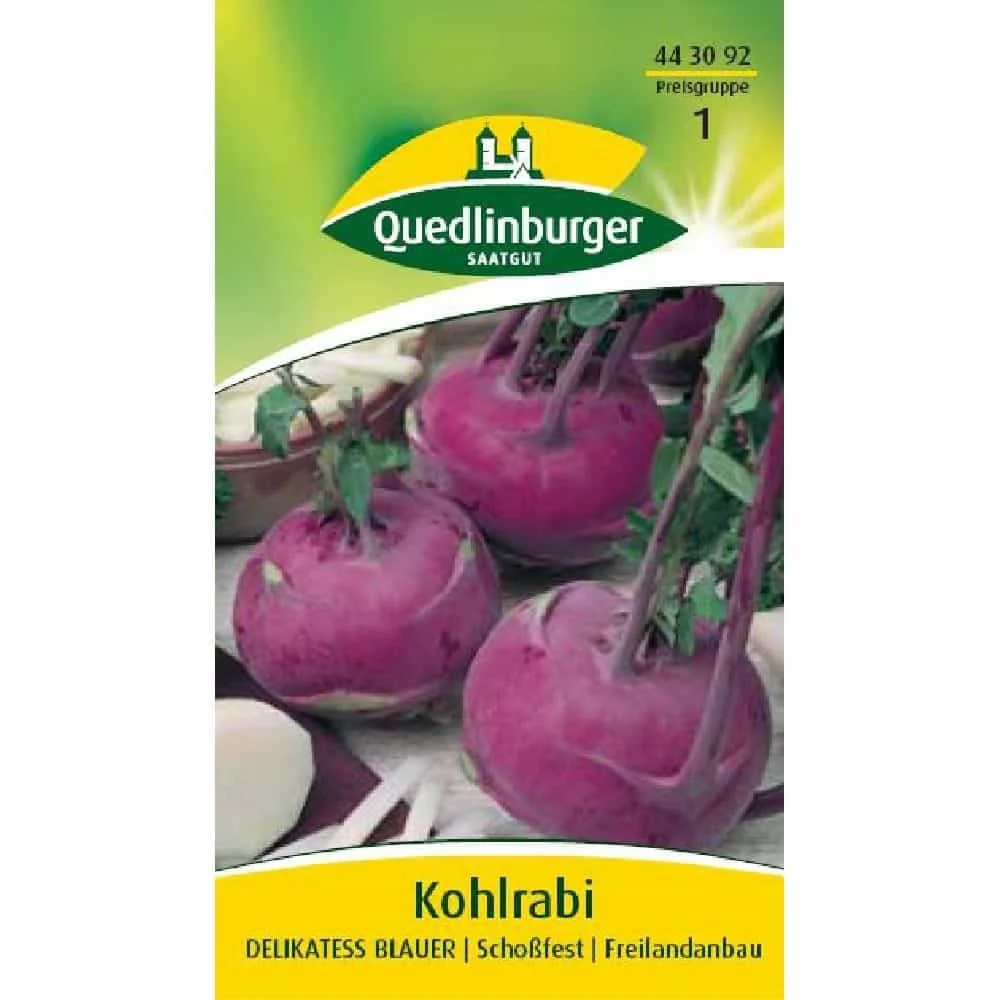
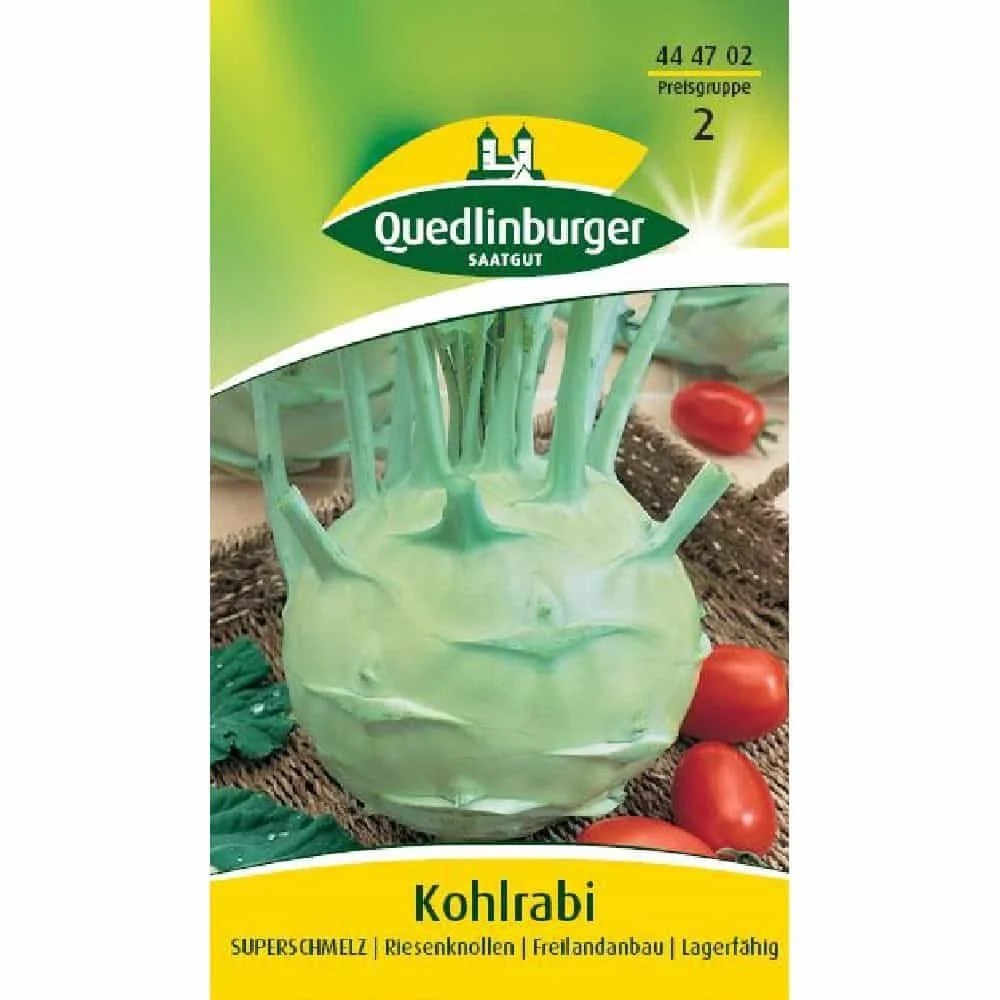
The best foundation for your harvest is high-quality seed. Discover our selection of varieties, such as the or the high-yielding . For more information on traditional preservation methods, we recommend .

Now you are ready. Make use of your next abundant harvest and fill your freezer with home-preserved vegetables.
Frequently Asked Questions
- Do you have to blanch kohlrabi before freezing?
- Yes, blanching is essential. The brief heat shock deactivates enzymes that cause loss of flavour and vitamins as well as a mushy texture after thawing. Blanched kohlrabi stays firm, green and full of flavour.
- How long does frozen kohlrabi keep?
- At a constant -18 degrees Celsius, you can freeze blanched kohlrabi for eight to ten months. Unblanched kohlrabi loses quality quickly after just a few weeks. Label the bags with the freezing date.
- Can you freeze kohlrabi with the leaves?
- Freeze the leaves separately. They are a delicacy but spoil more quickly. Pull off the leaves, wash them thoroughly, blanch them for just 60 seconds and cool them quickly in cold water. Then freeze them and use them within three months.
- What is the best way to thaw frozen kohlrabi?
- Do not thaw the kohlrabi first. Add it to the pot or pan while still frozen. This prevents as much liquid from escaping the vegetable cells and helps it retain more bite. Thawed kohlrabi is no longer suitable for raw salads.
- Which varieties are best for freezing?
- Young, medium-sized bulbs with a firm texture are ideal. Late varieties such as 'Blauer Delikatess' or 'Superschmelz' often have denser tissue. Avoid overripe, woody or already stored bulbs. You can find the best vegetable seeds in our shop.
You may also be interested in
- Freezing food: How to keep your supplies fresh for longer
- Freezing rhubarb: How to keep this spring vegetable fresh
- Fermenting vegetables: An introduction to preservation
- How to dry and store walnuts for long-lasting freshness
- How to organise your fridge: Keep fresh food for longer
- Asparagus & rhubarb: Want to extend the harvest season? Here’s how!