
In brief: You can get rid of ants in your lawn with tried-and-tested natural remedies. Use strong scents such as cinnamon, lavender or vinegar to encourage ants to move elsewhere. A solution of water and dish soap poured directly into the nests can also help. Coffee grounds can disrupt ants’ scent trails and act as a lawn fertilizer.
Contents
- Why are there ants in my lawn?
- Are ants harmful to my lawn?
- How can I get rid of ants naturally with household remedies?
- What should I do if household remedies aren’t enough?
- How can I keep ants from coming back?
Why are there ants in my lawn?
Small mounds of soil dot your green lawn while busy insects crawl over the blades of grass. Ants have chosen your lawn as their new home, and it’s no coincidence. They seek out places that meet their needs. Once you understand why they’re there, you can take targeted steps to move them along.
Where ants like to nest: sunny, dry, sandy spots
Ants thrive in warm, dry conditions. A sunny lawn with light, sandy soil is an ideal spot for them. Compacted soil or bare patches make it easier to dig tunnels and build nests. If your lawn is stressed by drought, it may be more susceptible to an ant infestation.
Food sources attract ants
Along with a good nesting site, nearby food sources also attract ants. They eat a variety of things, but they especially like the sugary secretions produced by aphids, known as honeydew. If nearby plants have aphids, ants may “farm” and protect them, giving the ants a reliable food source close to home.
Ants are an important part of the garden ecosystem. They loosen the soil, spread plant seeds and eat pests.
Are ants harmful to my lawn?
A few ants are no cause for concern. They play important ecological roles. A large colony, however, can leave visible damage across your lawn and make lawn care more difficult.
Ant tunnels and nests loosen the soil, which can cause grass roots to lose contact with it. When that happens, they can’t absorb water and nutrients as well. The result can be yellow, dried-out or bare patches in the lawn.
Sand and soil mounds are more than an eyesore. They can get in the way when you mow, dull mower blades and spread unevenly across the lawn. This can spoil its smooth appearance.
Ants can also encourage aphid infestations. They protect aphids from natural predators such as ladybugs so they can keep harvesting honeydew. This can lead to more pests on your ornamental and edible plants.
How can I get rid of ants naturally with household remedies?
The goal is to encourage ants to move, not to wipe them out. Simple, eco-friendly household remedies can persuade them to find a new nesting site without harming your lawn or other beneficial insects.
Method 1: Use strong scents to deter ants
Ants follow scent trails to find their way around. Strong smells disrupt those trails and make the area less appealing, which can encourage ants to move elsewhere.
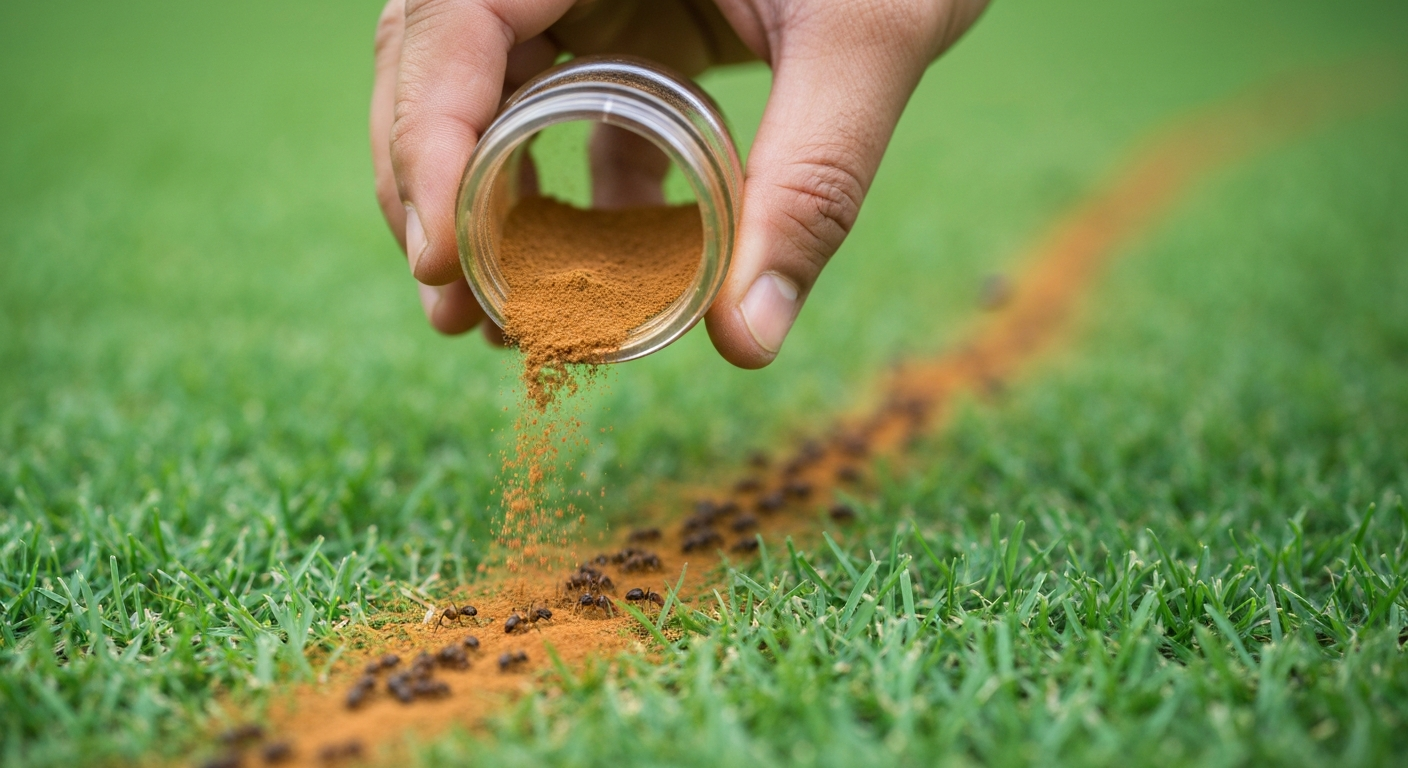
- Cinnamon: Sprinkle cinnamon generously along ant trails and around nest entrances.
- Herbs: Place sprigs of lavender, thyme or marjoram around the area, or pour a strong herbal infusion directly over the nests.
- Vinegar: Mix equal parts water and vinegar, then spray the solution on affected areas. Apply vinegar only to trails and nests, not across large areas of grass.
- Lemon peel: Scatter chopped lemon peel around the nest for a similar effect.
Important note
Don’t pour boiling water over the nests. It may kill the ants, but it can also scorch grass roots and leave bare patches that need to be reseeded with new lawn seed.
Method 2: Water and dish soap
A simple but effective method is to flood the nests repeatedly. Fill a watering can with water and add a few squirts of dish soap. The soap breaks the water’s surface tension, allowing it to seep farther into the tunnels.
Pour the solution slowly and directly into the ant nest entrances. Repeat over several days. The constant moisture makes the nest uninhabitable, so the ants look for a drier spot.
Method 3: Coffee grounds as fertilizer and ant deterrent
Save your used coffee grounds, let them dry thoroughly, then scatter them over ant hills and trails. The strong coffee smell can mask ants’ scent trails and disrupt their sense of direction. Coffee grounds also provide organic matter and nitrogen for your lawn.
Top tip
Combine methods for better results. First, pour the dish soap solution into the nest to disturb the ants. Then scatter cinnamon or coffee grounds around the area to help keep them from returning and disrupt their scent trails over time.
Method 4: Relocate the nest
Relocating the colony is a more animal-friendly option. Fill a large plant pot with wood wool or damp straw and place it upside down over the ant nest. After a few days, the ants may start moving their brood into the warm, sheltered pot.
Once you can see that the colony has moved, slide a spade under the pot and carry the nest to a new spot at least 30 metres away. An area at the edge of the garden is ideal, where the ants are less likely to cause a disturbance.
What to do when home remedies aren't enough?
When an ant infestation is particularly stubborn and widespread, home remedies may not be enough. If mounds cover the entire lawn or ants begin to undermine patio pavers, targeted products from specialist retailers are an effective alternative.
Special products for pest control are ideal for quick, targeted treatment. They're designed for use in the garden and tackle the problem at its source.
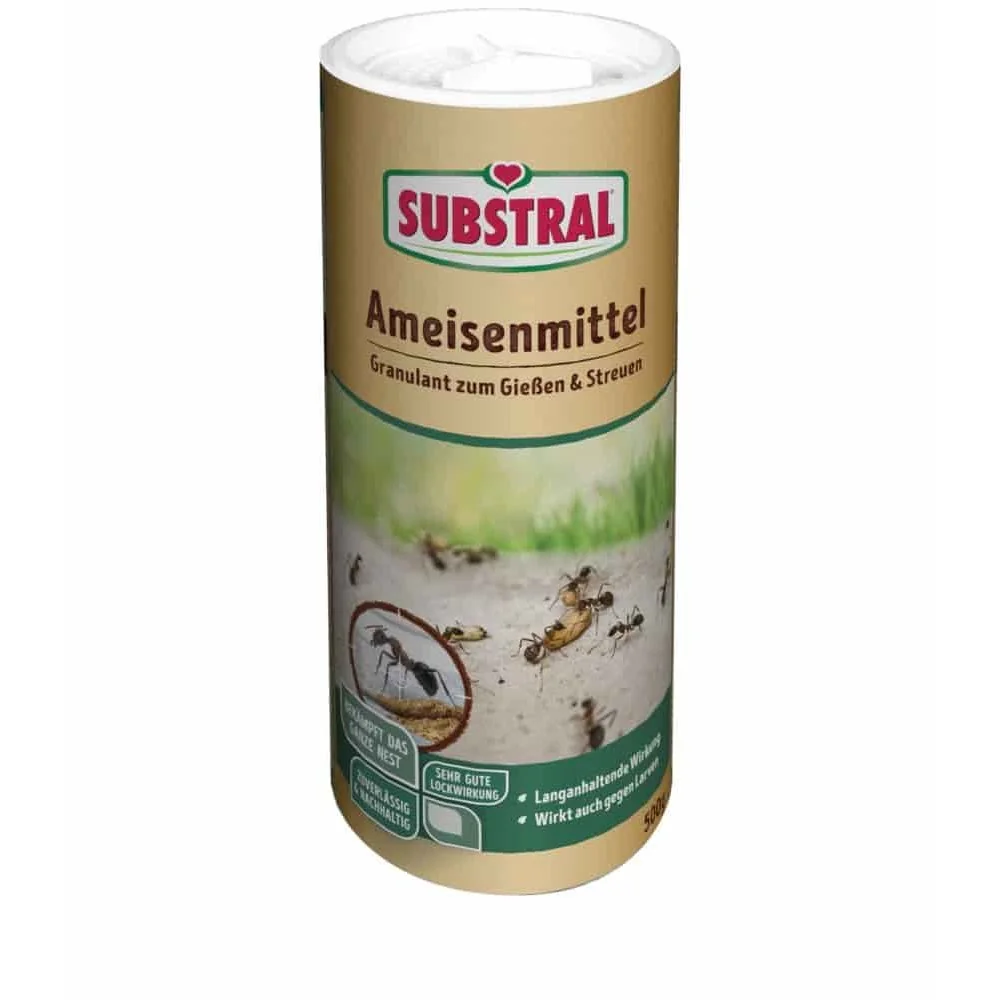
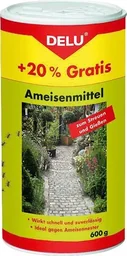
- Ant killer granules: Products such as ant killer granules or ant killer for watering and spreading are easy to use. You can sprinkle them directly on the nests or dissolve them in water and pour the solution over the area. Worker ants carry the active ingredient into the nest, where it reaches the entire colony.
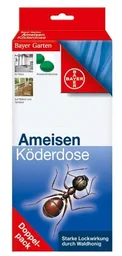
- Ant bait stations: Bait stations such as the ant bait station or ant bait with nest action offer a safe, mess-free solution. Ants carry the bait back to the queen and the brood, targeting the colony from the inside out.
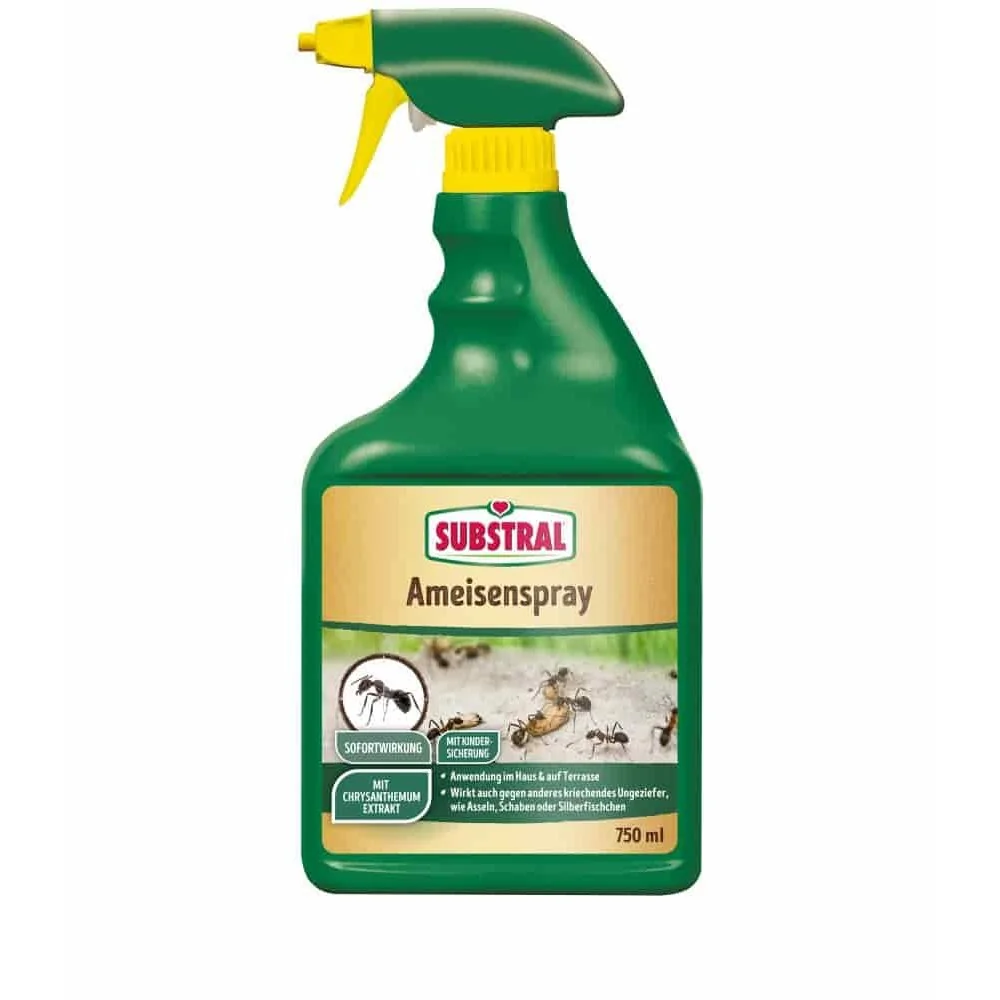
- Ant spray: For fast control of ant trails on patios or walkways, ant spray provides a quick solution. It works on contact and immediately disrupts ant trails.

Additional advice
Always read the instructions carefully when using biocides. Apply products only where needed and only in cases of severe infestation to protect beneficial insects and minimize environmental impact.
How can I prevent ants from coming back?
The best strategy for preventing an ant infestation is prevention. A healthy, dense lawn is an unattractive habitat for ants. With the right care, you can make it harder for them to settle in the first place.
Regular lawn care as the foundation
A strong lawn is resilient. Mow regularly, but not too short. A mowing height of four to five centimeters helps the grass grow densely and shades the soil. During dry periods, water thoroughly so moisture reaches deeper layers of soil.
A balanced supply of nutrients is essential. In spring, use a good spring lawn fertilizer to stimulate growth. Regular dethatching and aerating also improve soil structure and make your lawn less inviting to ants. Applying lawn lime & garden lime can also improve soil quality and strengthen the lawn.
Good lawn care is one of the most important ways to prevent ants in your lawn. Regular mowing, watering and fertilizing create dense turf where ants are less likely to settle.
Encouraging biodiversity
Create a balanced ecosystem in your garden. Natural predators of ants, such as birds, toads and lizards, help keep their population under control. Birdbaths and rock piles provide habitat for these animals. Encouraging beneficial insects can also help maintain ecological balance.
Reduce food sources
Check your plants regularly for aphids. The fewer aphids there are, the less honeydew ants have as a food source. Treat aphids early with natural methods such as soapy water or by introducing beneficial insects such as ladybugs. This cuts off the ants' food supply.
Frequently Asked Questions
- Is baking soda an effective remedy for ants in the lawn?
- Baking soda is a well-known home remedy, but its effectiveness is disputed, and it can damage your lawn. The sodium bicarbonate in baking soda can alter soil pH and scorch the grass. Instead, try gentler methods such as strong scents, a dish soap and water solution, or coffee grounds.
- Does boiling water harm ants and my lawn?
- Boiling water kills ants instantly, but it also destroys grass roots and leaves bare, brown patches in the lawn. This method isn't recommended because the damage to your lawn often outweighs the benefit. Try cold water with dish soap instead; it's less harsh.
- Why do ants keep coming back?
- Ants prefer dry, sandy, sunny soil. Bare patches or compacted soil provide ideal nesting conditions. Regular, thorough lawn care, including watering, fertilizing and dethatching, makes your lawn less attractive to ants and helps prevent them from returning.
- Do certain plants help keep ants away?
- Yes, some plants with potent essential oils can help repel ants. Plant lavender, thyme, marjoram or mint near affected areas of the lawn or around the edges of flower beds. The strong scent of these herbs acts as a natural barrier against ants.
- Are ants in the lawn inherently bad?
- No, ants are beneficial insects. They loosen the soil, eat pest eggs and carrion, and help spread plant seeds. They become a problem only when they appear in large numbers, build unsightly mounds, undermine patio pavers or protect aphid colonies.