
In brief: You can get rid of bed bugs by combining thorough cleaning, heat and specialised traps. Wash all textile items at a minimum of 60°C. Use a steam cleaner on mattresses and furniture. Place specialised bed bug traps such as PRODUCT_82350 to monitor the infestation. If the infestation is severe, call in a professional pest control specialist.
How to Get Rid of Bed Bugs: Effective Methods for Your Home
Bed bugs are persistent parasites. They hide in cracks and spread quickly. This guide explains how to identify and eliminate these pests for good.
How can I tell if I have a bed bug infestation?
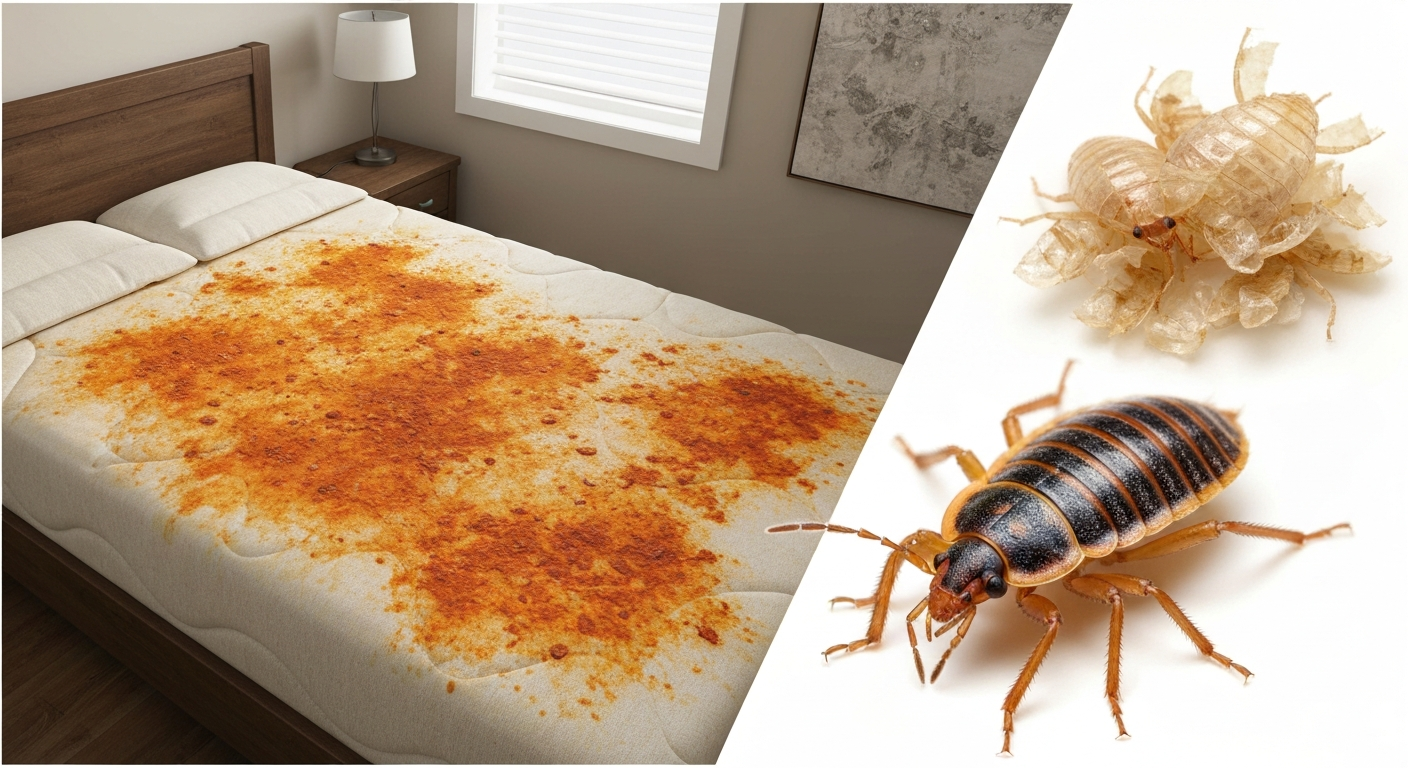
You may find small rust-coloured or black spots on your mattress. These are bed bug faeces. Several bites in a line often appear on your skin.
The bites are very itchy. They usually occur at night. Look for tiny, pale shed skins around the bed.
Adult bed bugs are approximately five millimetres long. They have a flat, oval body. After feeding on blood, they become swollen and reddish-brown.
Pro tip
Turn on the light suddenly at night. Bed bugs are nocturnal. This may reveal them while they are looking for food.
Why are bed bugs so difficult to get rid of?
The parasites are excellent at hiding. They live in mattress seams, bed frames, electrical sockets and behind pictures. A single treatment rarely reaches every hiding place.
Bed bugs reproduce rapidly. A female lays hundreds of eggs. These are barely visible to the naked eye and resistant to many insecticides.
They can survive for months without food. Leaving a room empty will not eliminate the infestation. The bugs simply move on to neighbouring rooms.
The biggest challenge with bed bugs is their hidden way of life. You often treat only the visible bugs, not the population inside the walls.
What immediate steps should I take if I suspect bed bugs?
Step 1: Isolate and inspect
Do not remove any items from the room. Otherwise, you may spread the bugs throughout the house. Carefully remove the bed linen and place it immediately in sealable plastic bags.
Inspect the bed frame, mattress and headboard with a torch. Look for the signs mentioned above. A magnifying glass can help you find eggs.
Step 2: Wash textiles at a high temperature
Put all washable textiles in the washing machine. Select a programme of at least 60°C. The heat reliably kills bed bugs and eggs.
Then dry the laundry in a tumble dryer at the highest possible temperature. Only unpack clean laundry in a room free of bed bugs.
Important note
Do not use household insect spray on your mattress. The chemicals can be harmful to your health and do not solve the underlying problem. They only drive the bugs deeper into their hiding places.
Step 3: Vacuum and steam-clean
Thoroughly vacuum the mattress, skirting boards and all furniture. Use a vacuum cleaner with a disposable bag. After use, immediately dispose of the bag in a sealed sack in the outdoor rubbish bin.
A steam cleaner is the most effective household appliance for this job. The hot steam penetrates cracks and kills bed bugs at every stage of development. Move the steam slowly over all surfaces.
Which products help against bed bugs?
Specialised traps and monitors are essential. They confirm an infestation and help you monitor the success of your treatment. Westfalia's pest control section offers practical solutions.
The
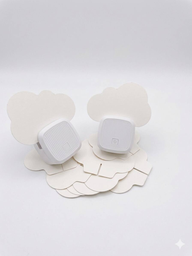
is a simple but effective bed bug monitor. Place it under the bed legs. The bugs have to crawl across a special surface and become trapped. This prevents them from reaching the bed and shows you the level of infestation.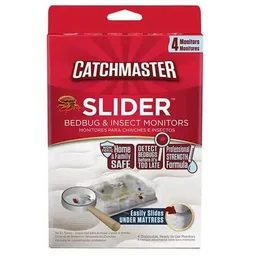
Monitoring is half the battle. Without traps, you are working blind. You cannot tell whether your treatment is working or whether new bed bugs are moving in.
Traps alone do not eliminate an infestation. They serve as an early warning system and a barrier. Always combine them with thermal and mechanical methods.
For other household pest problems, you can find products in the extensive range for pest and plant protection.
Additional advice
Apply wide double-sided tape around the bed legs. This works as a temporary barrier until specialised traps arrive. Check the tape daily.
When should I call a professional pest control specialist?
The infestation has spread to several rooms. You find bed bugs in electrical sockets or light switches. In these cases, the population is already large.
Your own measures have had no effect after two weeks. You continue to find live bugs or fresh bites. Professional pest control specialists have access to more effective treatments and hot-air equipment.
You live in a block of flats. Bed bugs can travel through cable ducts and ventilation shafts. Coordinated treatment throughout the building is necessary.
How can I prevent another infestation?
Be careful when travelling and buying second-hand furniture
Inspect hotel beds and bedside tables. Never place your luggage on the bed or carpet. Use the luggage rack or bathtub instead.
Wash your travel clothes at a high temperature as soon as you return home. Vacuum your suitcase thoroughly. Special travel traps for suitcases are available.
Second-hand furniture is a common way for bed bugs to enter your home. Carefully inspect upholstered furniture and mattresses before buying them. If necessary, clean them with a steam cleaner.
Protect your bedroom
Mattress and box spring encasements are special bed bug-proof covers. Trapped bed bugs eventually starve. New ones cannot get in.
Keep your sleeping area tidy. Reduce hiding places such as clutter under the bed. Vacuum the mattress and floor regularly.
If you discover other pests such as ants, you can find suitable products in the garden and outdoor section. Comprehensive pest control starts in the surrounding area.
Which mistakes should you avoid at all costs?
Do not use so-called “miracle” sprays from the internet. Many contain illegal or hazardous active ingredients. They put your family at risk and do not solve the problem.
Do not start a half-hearted, partial treatment. Treat all infested rooms at the same time. Otherwise, the bed bugs will simply move into the untreated area and return.
Do not skip follow-up checks. Continue using monitors such as the even after treatment. This allows you to spot a possible new infestation immediately.
For all your home and garden projects, from plumbing installation to tarpaulin equipment, Westfalia offers the right products.
Can Pets Transmit Bed Bugs?
Bed bugs prefer human blood. They only infest pets in exceptional cases. Your cat or dog is not a significant carrier.
However, pets can mechanically carry the parasites in their fur. Therefore, include your pets' sleeping areas in your inspection.
Special treatments for pets are usually not necessary. Focus your pest control measures on areas where people sleep and spend time.
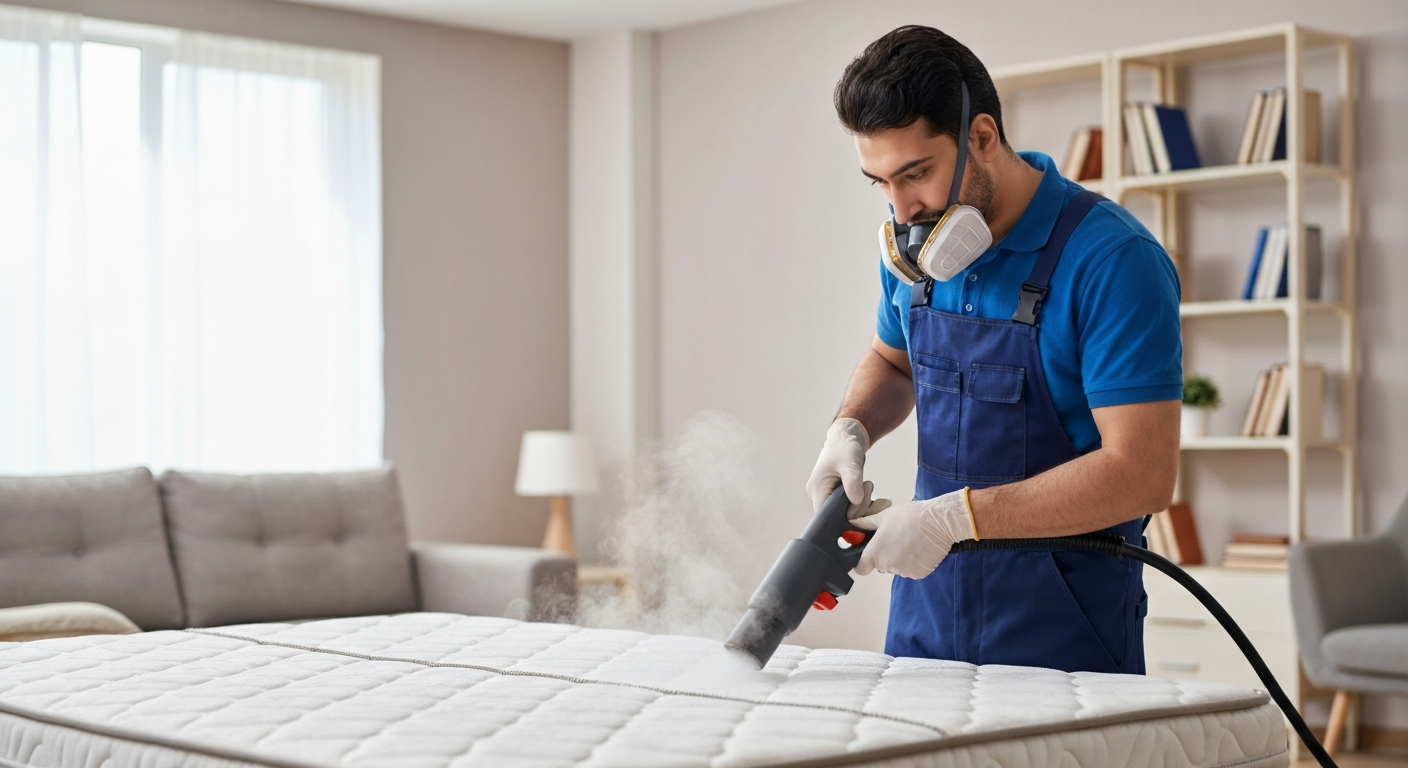
Getting rid of bed bugs requires patience and a systematic approach. Confirm the infestation clearly. Carry out mechanical and heat-based cleaning thoroughly. Use special traps for monitoring. If the problem persists, seek professional help. With this strategy, you can eliminate the pests and protect your home in the long term.
For other areas of household management, from brewing beer at home with

Frequently Asked Questions
- How can I tell if I have bed bugs in my home?
- Typical signs include small, rust-coloured or black faecal spots on mattresses, bed linen or walls. You may find tiny, pale shed skins or pale red bite marks on your skin, often arranged in a line. Adult bed bugs are flat, oval and approximately 5 mm in size.
- Can I get rid of bed bugs with home remedies?
- Home remedies such as alcohol or essential oils only kill individual bugs. They do not eliminate eggs or hidden nests. Heat treatment using a washing machine (60°C+) and a steam cleaner is essential. For lasting control, you need special traps or professional help.
- How long can bed bugs survive without food?
- At cool room temperatures, bed bugs can survive for up to a year without a blood meal. Simply leaving the room will therefore not solve the problem. You must actively control the parasites to get rid of them.
- Do bed bugs transmit diseases?
- Current studies show that bed bugs do not transmit pathogens in Central Europe. An infestation is primarily a hygiene and psychological problem. Bites can be extremely itchy and may lead to secondary skin infections if scratched.
- How can I prevent another bed bug infestation?
- Inspect second-hand furniture or luggage before bringing it indoors. Use black plastic bags for your luggage when travelling. Encasements for mattresses and box-spring beds create a physical barrier. Regular monitoring with products such as PRODUCT_82350 helps detect infestations early.
You may also be interested in
- How to Identify and Get Rid of Bed Bugs: Effective Pest Control at Home
- How to Get Rid of Moths: Effective Strategies for Your Home
- How to Get Rid of Stink Bugs: Effective Remedies and Prevention
- How to Get Rid of Cockroaches: Effective Methods for a Roach-Free Home
- How to Get Rid of Silverfish: Home Remedies and Tips
- Wasp Control: Effective Methods for Your Home and Garden