
In brief: The most effective way to get rid of fruit flies is to eliminate their breeding sites. Remove overripe fruit, clean drains and empty food waste daily. Use homemade apple cider vinegar traps or store-bought yellow sticky traps to catch adult flies. Consistent kitchen hygiene is key.
How to Get Rid of Fruit Flies: Effective Tips
A swarm of tiny flies circles the fruit bowl. Fruit flies seem to appear out of nowhere and multiply quickly. They are not a sign of poor hygiene; they simply follow a basic biological drive: finding food for their larvae. That is why getting rid of them takes two key steps: eliminate breeding sites and catch adult flies. This guide explains what to do.
Do not confuse fruit flies with other small flies. They are about two to four millimeters long, often have red eyes and a light brown body. Their larvae develop in damp, organic material, which does not always have to be fruit.
Why do you have fruit flies in your kitchen?
Fruit flies usually enter through open windows or come in with groceries. Their tiny eggs may already be on the fruit skin. As soon as fruit ripens and softens in your home, the larvae hatch. Within just a few days, a new generation of flies can appear.
These insects need moisture and fermentation. An open wine bottle, juice residue in a glass, a damp sponge or a yogurt container that is not completely empty in the trash can is enough. Even the food waste bin under the sink is an ideal breeding spot if you do not empty it often enough.
Pro tip
Rinse empty drink bottles and cans thoroughly before disposing of them. Sweet residue in beer or wine bottles attracts fruit flies. Dry bottle caps and crown caps, too, as liquid often collects there.
How can you prevent fruit flies?
Prevention is the most effective way to deal with fruit flies. Without food or a place to breed, the problem goes away on its own. Follow these steps consistently.
Do not leave ripe fruit uncovered on the kitchen counter. Keep it in the refrigerator or in sealed containers. A fruit bowl is best for fruit you plan to eat within a day or two. Check it daily for soft spots.
Always cover drinks. Use wine bottle stoppers or cover glasses. Wipe up spills right away. Clean the trash can regularly with vinegar and water. Empty food waste daily, especially in summer. If possible, do not keep it in a warm kitchen; store it outside or in a cool cellar instead.
Check the drains in your kitchen and bathroom sinks. Organic residue can collect there. Pour boiling water down them once a week. For a deeper clean, pour one cup of baking soda into the drain, followed by one cup of household vinegar. Once it stops foaming, rinse with hot water.
Important note
Avoid using insect sprays in the kitchen. Chemicals can get onto food and work surfaces. Use mechanical traps or products made with natural ingredients instead. For persistent infestations in other rooms, browse the Garden + Outdoor section for suitable products.
Storing food correctly
Fruit is not the only food at risk. Potatoes, onions and tomatoes can also ferment if stored somewhere too warm and damp. Check your pantry. Store these foods in a cool, dry and dark place.
Seal opened packages of flour, cereal or spices in sturdy containers. Even tiny leftovers can feed larvae. A clean home is your best defense. For cleaning and storage supplies, take a look at our Business Supplies category.
Which home remedies for fruit flies really work?
Home remedies are inexpensive and usually easy to find at home. They work by attracting the flies. The idea is to set a trap that is more appealing than the other smells in your kitchen.
The classic trap uses apple cider vinegar, dish soap and water. Pour a little apple cider vinegar into a glass. The acetic acid mimics the smell of fermenting fruit. Cover the glass with plastic wrap and poke small holes in it. The flies crawl in but cannot find their way out.
An even more effective option is to mix apple cider vinegar with a splash of dish soap in an open bowl. The dish soap reduces the liquid's surface tension, so flies drown as soon as they land. Place several traps around the kitchen.
Leftover red wine works just as well as apple cider vinegar. An overripe banana in a canning jar with a funnel also makes an excellent trap. The paper funnel guides the flies inside, but they struggle to find their way back out.
The success of homemade traps depends largely on how attractive the bait is. Fresh apple cider vinegar works better than old vinegar. A drop of fruit juice in the mixture can make it more effective.
Other natural methods
Plants with essential oils can repel fruit flies. Place pots of basil, lavender or mint on the kitchen windowsill. Their scents are unpleasant to insects.
Carnivorous plants such as butterworts (Pinguicula) and sundews actively catch small flies. They are a biological and decorative option for a minor infestation. If you want to make your garden insect-friendly while keeping pests under control, find inspiration in the Garden + Plant Accessories section.
When do you need store-bought products to control fruit flies?
Home remedies and preventive measures are not always enough. In cases of a severe infestation, hidden breeding sites or commercial kitchens, professional products may be needed. They target pests more precisely and provide longer-lasting results.
Yellow sticky traps or cards catch adult flies and help interrupt the breeding cycle. Hang them near problem areas. For fruit trees in the garden, special traps such as the (fruit moth traps) are designed to target the harmful larvae that develop into moths.
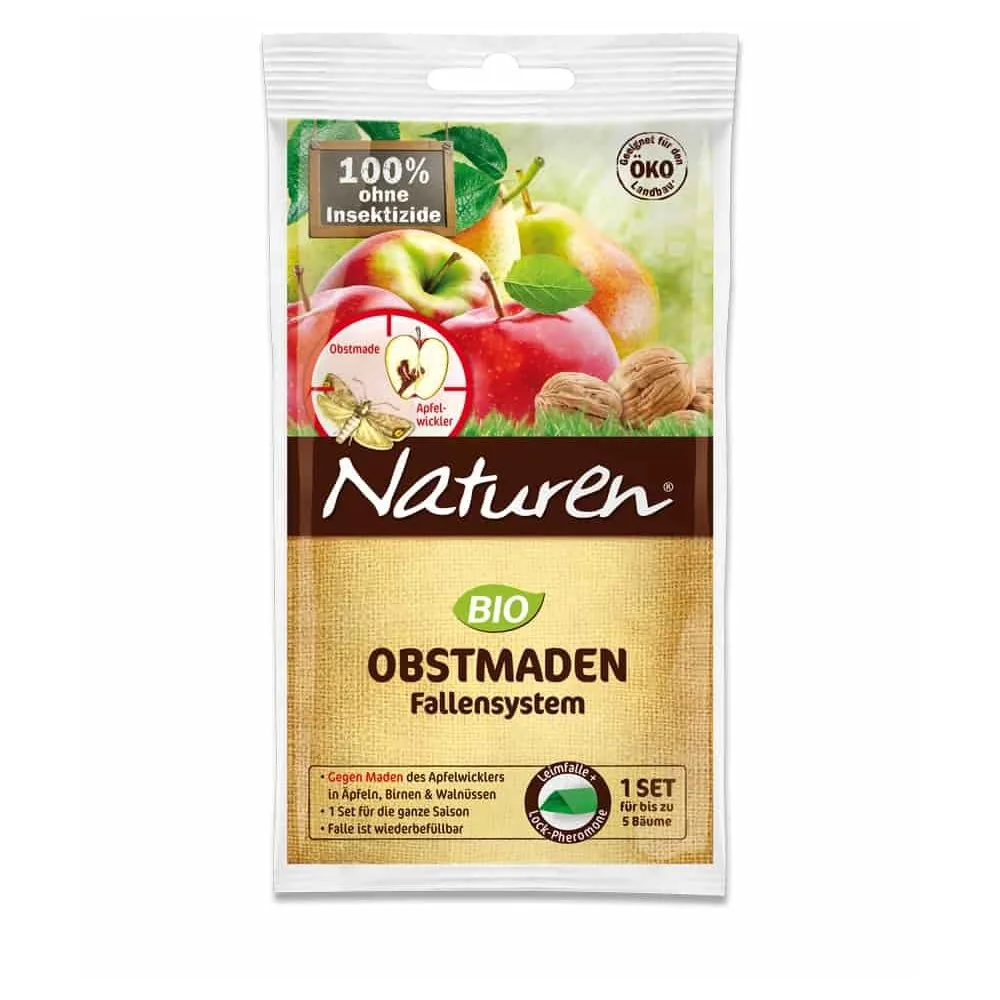
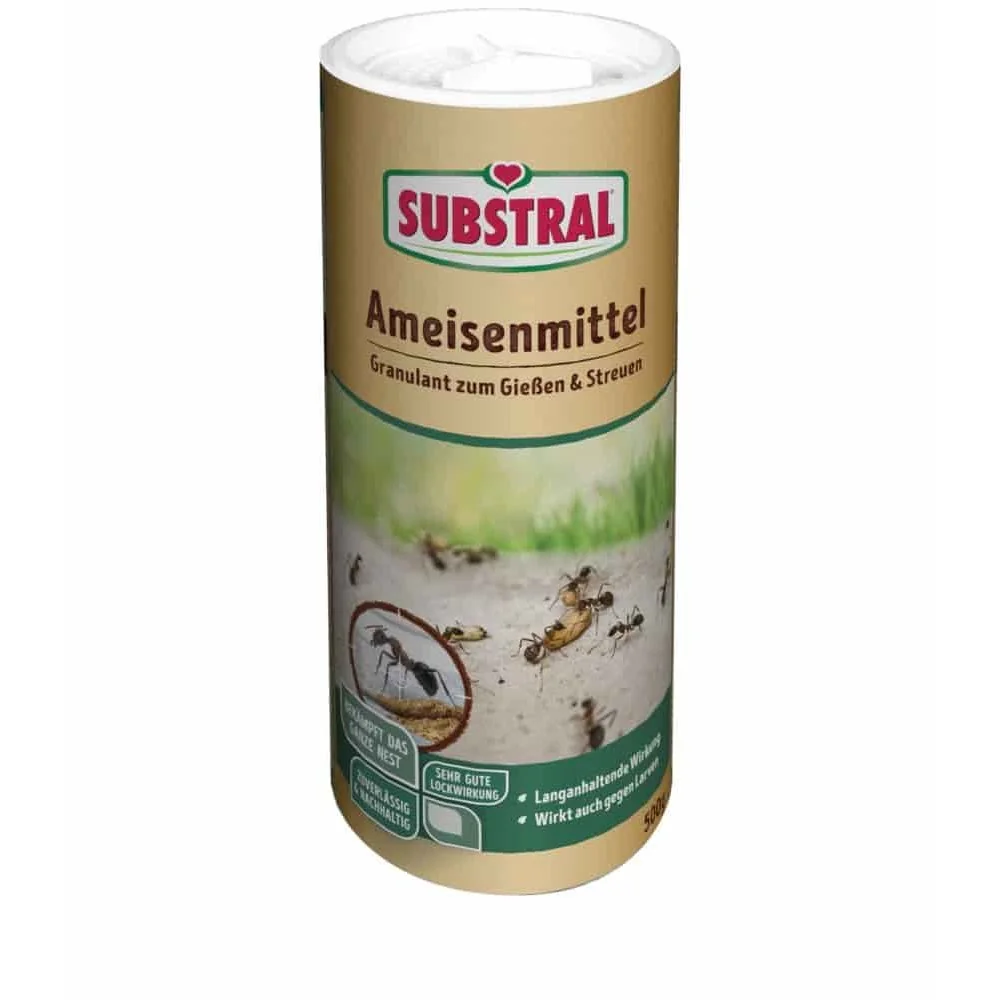
For stubborn infestations away from food preparation areas, natural insecticides containing pyrethrum or neem oil are an option. They work on contact. Similar principles are used in products such as the (ant killer granules), which control crawling pests at the source.
Additional tip
Seal any gaps around windows and doors. Fine-mesh screens are the best barrier against flies and help keep new fruit flies from getting in. Find suitable tarps and netting in our Tarps + Netting category.
Long-term protection for stored food
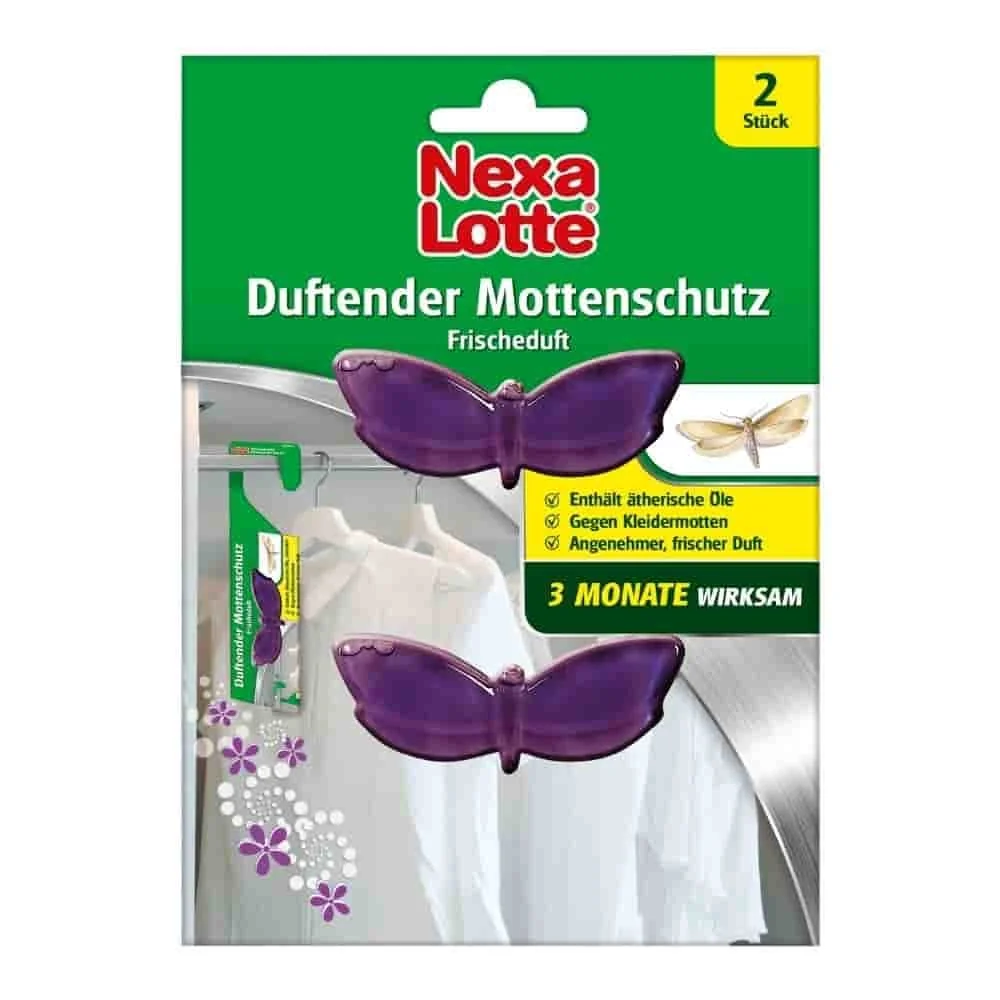
If fruit flies have infested dry goods such as flour or nuts, dispose of them and clean the cupboard thoroughly. Pheromone traps for moths and pantry pests can help prevent infestations. They attract males, helping prevent them from mating.
Products such as (moth control products) work on this principle and protect clothing and stored food for several months. Store new supplies in tightly sealed glass or metal containers.
How do you get rid of fruit flies in the drain?
The kitchen drain is a common but often overlooked breeding site. Larvae feed on organic buildup in the P-trap. You may not see flies emerging from the drain, but it can contribute to the infestation.
Thorough cleaning is essential. Pour in baking soda and vinegar as described. For a deeper clean, use a special enzyme-based drain cleaner. Its bacterial cultures break down organic matter and remove the larvae's food source.
Don't leave a wet sponge or cloth in the sink overnight. Wring it out and let it dry. Check the sink overflow, too, and clean it with a small brush.
A P-trap under the sink can hold up to one liter of standing water. Fruit fly larvae can thrive in this nutrient-rich liquid, so regularly flushing the drain with hot water is essential.
Systematic control: An action plan
Follow a systematic approach to get rid of fruit flies for good. Individual measures often provide only short-term results.
Day 1: Clean up and remove breeding sources. Dispose of anything that could be a breeding source, including overripe fruit, open drinks and food waste. Thoroughly clean surfaces, drains and trash cans. Put away any remaining food.
Days 1–7: Catch adult flies. Set up several traps with different attractants, such as apple cider vinegar, red wine and fruit. Replace the liquid every two days. Hang yellow sticky cards if needed.
From day 8: Make prevention a habit. Add the hygiene measures described above to your regular routine. Check fruit and stored food regularly, and keep drains clean. A consistent routine helps prevent the infestation from returning.
The same principles apply outdoors, for example if you have a compost pile or use a BBQ + Smoking station. Keep lids closed and remove waste promptly.
When should you call a professional?
In rare cases, an infestation can get out of control or stem from a clogged, dirty pipe in the house. If new swarms keep appearing for weeks despite following all the recommended steps, and you can't find the source, consult a pest control professional.
A professional can identify hidden sources and treat them with approved products. The cost is usually lower than putting up with the ongoing nuisance and hygiene issues. For other garden pests, find solutions in our Pet Supplies range, including bird control and species-appropriate feed.
Conclusion: Consistency keeps fruit flies under control
Fruit flies are a problem you can solve. The key is to interrupt their life cycle, not to find a miracle product. Remove the damp organic material where they breed, and catch adult flies with traps.
Make simple kitchen hygiene habits part of your routine. Store fruit properly, dispose of food waste often, and keep the sink and drains clean. With a combination of immediate control and ongoing prevention, you can get rid of pesky kitchen flies quickly and for good.
Remember, seeing a few flies in summer is normal. A swarm that keeps coming back points to a local breeding site. Find and remove it, and peace and quiet will return to your kitchen.
Frequently asked questions
- What attracts fruit flies the most?
- Fruit flies are attracted to fermenting substances and acetic acid. The strongest attractants are overripe or rotting fruit, open wine, leftover juice, food waste and damp organic residue in drains or cleaning cloths.
- How long do fruit flies live?
- An adult fruit fly lives for around two to nine weeks. During this time, a female can lay up to 400 eggs. Under ideal conditions, the entire development cycle from egg to adult fly takes just seven to fourteen days.
- Can baking soda be used to get rid of fruit flies?
- Baking soda alone does not reliably kill fruit flies. When combined with vinegar in a trap, it produces CO2, which stuns the flies and causes them to drown. A mixture of baking soda and vinegar can help clean drains and target larvae.
- Are fruit flies unhygienic or dangerous?
- Fruit flies transfer yeast and spoilage bacteria to food. This can cause fruit to spoil more quickly and spread mould spores. The health risk to humans is low, but they are a clear hygiene problem.
- What is the difference between vinegar flies and fruit flies?
- In everyday usage, the terms usually mean the same thing. Biologically, fruit flies (Drosophilidae) are the broader family, while the common fruit fly is one species within it. All are attracted to fermenting fruit, and the methods used to control them are the same.
You may also be interested in
- Get rid of fungus gnats: The best products and effective home remedies
- Get rid of fruit flies effectively: Home remedies and traps
- Mosquito and fly control: Natural tips for your home and garden
- No more flies: 7 expert tips for an insect-free home
- Leaf miners in the garden: How to identify and control them effectively
- Get rid of whiteflies: How to protect your plants naturally