
In brief: Maggots in a food waste bin are fly larvae attracted to damp, exposed food scraps. Get rid of them by drying them out with rock dust or lime, using heat from sunlight or hot water, or removing them by hand. Keep them from coming back by covering scraps with paper or soil, keeping the bin dry, and cleaning it regularly.
Maggots in Your Food Waste Bin: How to Get Rid of Them and Prevent Them
A buzzing sound when you open the lid, an unpleasant smell, and a writhing mass inside—maggots in your food waste bin are a common nuisance. They don't mean your home is untidy; they're a sign that flies have found a good place to lay their eggs. Learn about their life cycle and how to break it. This article explains practical ways to get rid of maggots and prevent them from returning, so you can keep your food waste bin clean and hygienic.
What are the maggots in my food waste bin?
These white, legless larvae are almost always fly maggots. Houseflies, blowflies, and flesh flies lay their eggs on exposed, damp, protein-rich food waste. This includes meat scraps and spoiled dairy products, as well as damp coffee grounds and fruit peels. In warm conditions, eggs can hatch into maggots within just a few hours. The maggots feed on organic material before pupating a few days later.
The cycle continues when new flies emerge. A single female fly can lay several hundred eggs during her lifetime. Hot summer weather speeds up the process considerably. Maggots are a temporary stage in the fly's life cycle, not a permanent problem. The goal is to disrupt or prevent this stage altogether.
“A maggot infestation is mostly a nuisance, rather than a pest in the strictest sense. The larvae even speed up decomposition. The real problem is the next generation of flies and the hygiene concerns they can create in your home.”
How do I get rid of maggots already in the bin?
If you find maggots in your bin, act quickly. The following methods work directly on the larvae.
Dry them out
Maggots need moisture, so take it away. Sprinkle a thick layer of rock dust, seaweed lime, or ordinary garden lime over the infested waste. These materials absorb liquid and dry out the larvae. You can also use bentonite cat litter. Find these products in our range of fertilisers and soil improvers.
Important note
Don't use salt to control maggots. Salt seriously disrupts composting and can harm plants and soil life when you later spread the compost. Choose a harmless product such as rock dust instead.
Use heat
Heat is an effective way to kill maggots. Pour plenty of hot, but not boiling, water over them. First, make sure your bin's plastic can withstand the temperature. Then put the empty or treated bin in a sunny, breezy spot. Sunlight heats the inside and helps disinfect it. Repeat if the infestation is severe.
Remove them by hand
For a small infestation, remove the maggots with a shovel or spade. Put them directly on your compost pile and cover them right away with a thick layer of soil, grass clippings, or leaves. Clean the empty food waste bin thoroughly. A pressure washer works well for this. Find suitable equipment in our power tools section.
How can I prevent maggots from coming back?
Prevention is key. Make your food waste bin less attractive to flies and disrupt their breeding cycle.
Collect and wrap food waste properly
The most important step is to avoid leaving damp scraps exposed. Wrap kitchen scraps in newspaper or put them in paper bags. The paper absorbs moisture and creates a barrier. Add dry material such as sawdust, crumpled paper, or shredded garden waste from time to time. It absorbs moisture and makes it harder for flies to lay their eggs.
Expert tip
Line the bottom of your food waste bin with crumpled newspaper or torn-up egg cartons. This layer absorbs liquid that drains down and makes cleanup easier by keeping scraps from sticking to the bin.
Handle and maintain the bin properly
Keep the lid closed and check the seal. Regularly clean dried-on residue from the rim and the inside of the lid—both are ideal landing spots for flies. For hard-to-reach areas such as faucets or small openings, a specialized cleaning bellows such as the
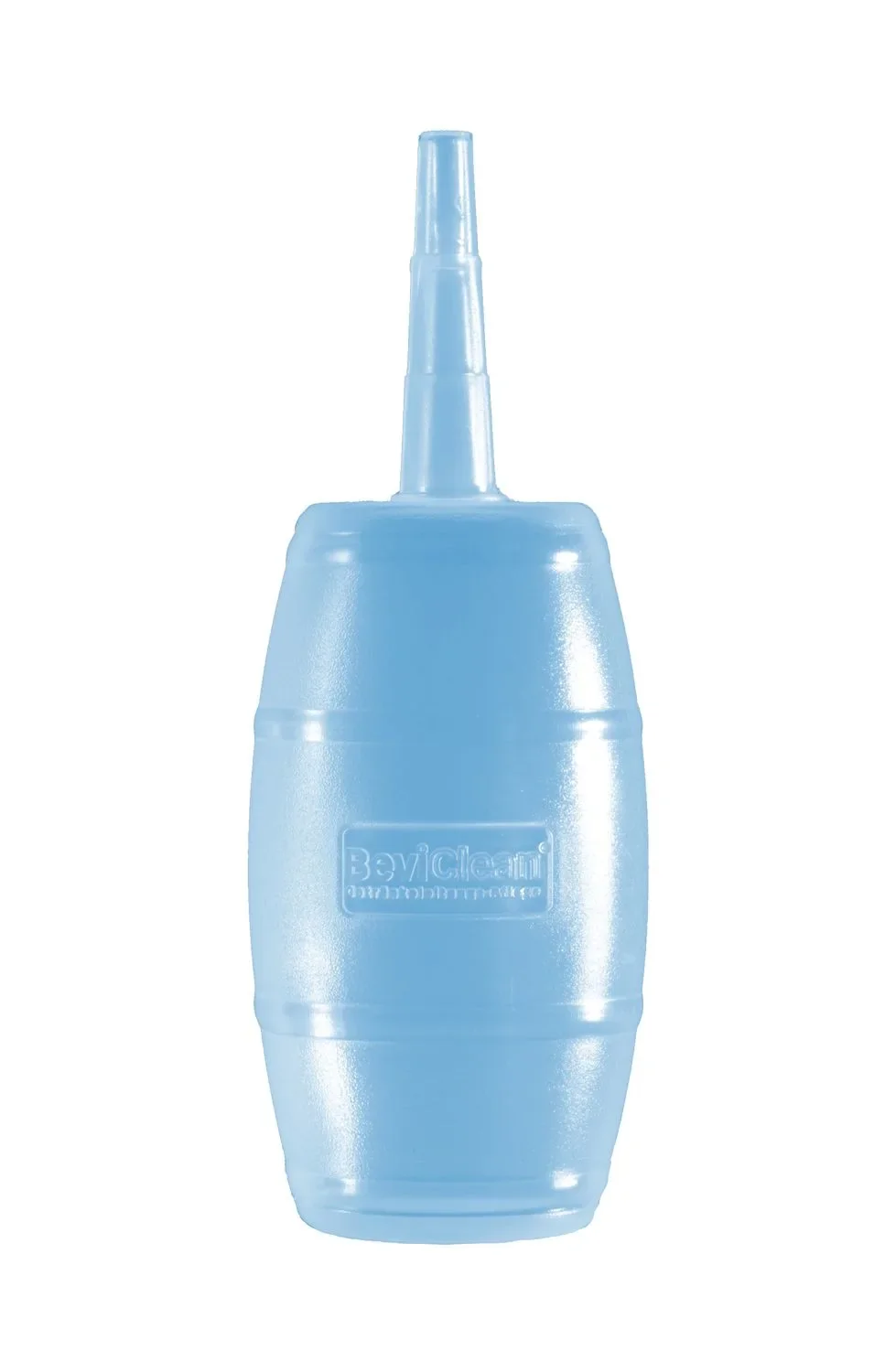
Place the food waste bin in the coolest, shadiest spot you can. Warmth speeds up development. Empty the bin regularly, even when it's not full. This is especially important in summer, as it limits how long scraps stay in the bin.
Reduce flies in the area
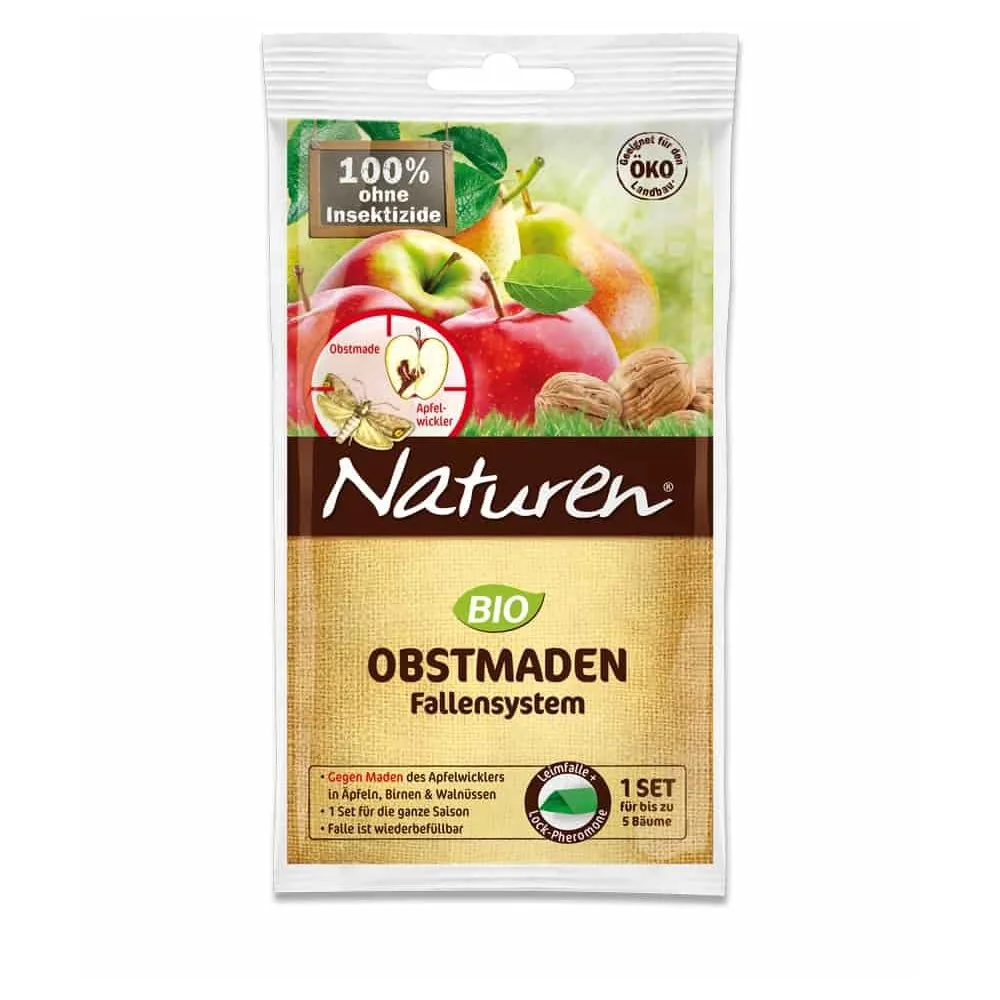
Catch adult flies before they can lay eggs. Special traps can help in the garden. The cherry fruit fly trap
or the all-purpose fruit fly trap can attract flying pests and help reduce their numbers over time. Browse our wide range of garden accessories for more solutions.
“Covering food waste every time is the single most effective measure. An intact layer of newspaper or coarse shredded material works like a layer of soil and signals to flies that this isn't a suitable place to lay eggs.”
What mistakes attract maggots to your food waste bin?
Avoid these common mistakes to keep the problem from coming back.
Throwing wet scraps loosely into the bin is a feast for flies. Unwrapped meat and fish scraps and spoiled dairy products are especially attractive to protein-loving fly species. If you never clean the bin, organic residue builds up on the bottom and sides, providing a breeding ground for new generations. Leaving the lid open to let odors escape is an open invitation.
Additional advice
If you have a garden, use your own compost pile alongside the food waste bin. You can add grass clippings, leaves, and woody waste directly to it. These materials dry out more quickly and reduce the amount of damp waste in your food waste bin.
Cleaning Your Compost Bin After a Maggot Infestation
Once you’ve dealt with the immediate problem, give the bin a thorough clean. Empty it completely, then scrub it with a brush, warm water and an environmentally friendly cleaner, such as soft soap or vinegar cleaner. Rinse it well. Leave the lid open and let the bin dry completely in the sun before using it again.
To tackle stubborn odors, wipe the bin with vinegar diluted in water or sprinkle baking soda inside and leave it overnight. Keeping the bin clean and dry is the best way to prevent maggots from coming back. Find practical accessories for cleaning and maintenance in our workshop supplies category.
Natural Ways to Keep Maggots Away
Put nature to work. From time to time, sprinkle a thin layer of garden soil or finished compost over your food scraps. It contains microorganisms that compete with maggots and help reduce the smell of decomposing waste. You can also plant strongly scented herbs such as lavender, mint or mugwort near the bin. Their scent deters many types of flies.
Some gardeners swear by placing fern fronds or walnut leaves at the bottom of the bin. They contain substances that may slow insect development. Try what works best for your situation. Above all, keep waste dry and covered.
Maggots in your compost bin are a fixable problem. Once you understand how they develop and consistently use the right techniques, you can keep your bin clean and hygienic. That lets you complete the valuable cycle of organic waste without unwanted guests. For more tips on garden care and pest prevention, visit our Garden & Outdoor section.
Frequently Asked Questions
- Are maggots in a compost bin dangerous to your health?
- Maggots themselves are not directly dangerous to people. However, they can create a hygiene problem because they come from flies that may also land on germs. A serious infestation means conditions are right for pests to breed, so it should be dealt with.
- What home remedy kills maggots in a compost bin right away?
- Sprinkled lime or rock dust draws moisture from maggots and dries them out. Hot water (not boiling, to protect plastic bins) kills the larvae. Then place the infested bin in direct sunlight; the heat helps disinfect it.
- How can I prevent maggots in my compost bin during summer?
- Always wrap wet kitchen scraps in newspaper or cover them with dry material such as sawdust. Keep the bin lid tightly closed and clean the rim regularly. A shady spot slows maggot development.
- Can I put maggots and compost bin contents in my compost pile?
- Yes, this is harmless. Maggots will die in a hot compost pile or pupate. In a cool pile, they will develop into flies. Always cover fresh compost with a layer of soil or grass clippings to prevent another fly infestation.
- Do fly traps help prevent maggots in a compost bin?
- Fly traps such as PRODUCT_108284 or PRODUCT_23224 reduce the number of adult flies in the yard, lowering the risk of a maggot infestation. They won’t affect larvae already inside a full compost bin, but they’re a good preventive measure for the surrounding area.
You might also be interested in
- How to Get Rid of Fruit Flies: Effective Tips and Home Remedies
- How to Get Rid of Fungus Gnats: The Best Products & Effective Home Remedies
- Flies in the Home and Garden: Food, Risks and Control
- How to Get Rid of Fruit Flies: Effective Products and Prevention
- Starting a Compost Pile: Mistakes That Can Ruin Your Compost
- How to Keep Flies Away from Your Patio: Effective Summer Tips