
In short: The best way to control mosquitoes in your yard is to eliminate breeding sites. Remove standing water from rain barrels, saucers and flower pots. Use physical protection such as screens and suitable clothing. Natural predators such as bats, along with certain plants, can help control mosquitoes. For an immediate problem, approved insecticides from a garden or home improvement store may help.
Mosquitoes in your yard: effective ways to control them
A warm summer evening in the yard—and suddenly, the buzzing starts. Mosquitoes can make spending time outdoors miserable. The good news is that you can take action. With a clear plan, you can control these pesky insects and stop them from breeding. Here are some practical steps.
We’ll cover solutions that work right away and help over the long term, from checking your yard to targeted mosquito control.
Why are there so many mosquitoes in your yard?
Mosquitoes need standing water to develop. Even a small amount can become a breeding site. Female mosquitoes lay their eggs in still water, which is often dirty. A rain barrel or a forgotten flower-pot saucer is all it takes.
Tall grass and dense shrubs give adult mosquitoes a shady, wind-protected place to hide during the day. The more hiding places and breeding sites there are, the larger the mosquito population can grow.
Expert tip
Walk around your yard after it rains and check carefully. Look at buckets, tarps, toys and covers. Water can collect in places you might not think to check.
Common mosquito breeding sites around your home
Ponds aren’t the only places to watch. Check for these often-overlooked sources of standing water:
- Clogged gutters and downspouts: Water and leaves can collect here, creating ideal breeding conditions.
- Tree holes and hollow stumps: These can fill with rainwater.
- Wrinkled covers for patio furniture or grills: Water can pool in the folds.
- Birdbaths and watering cans: Change the water at least twice a week.
- Old tires, cans and other discarded items: These can collect rainwater.
Removing these sources is the most effective and environmentally friendly way to control mosquitoes.
How can you eliminate mosquito breeding sites for good?
Empty, turn over, cover or dry out anything that can hold water. Use a tight-fitting lid or a mosquito net made for rain barrels. If you have a pond, keep the water moving. A fountain or pump makes it harder for mosquitoes to lay eggs.
After using a kiddie pool or other temporary water feature, empty it completely and store it upside down. Check your yard irrigation system, too. Leaky hoses and valves can leave damp spots.
A single neglected flower-pot saucer can become a source of hundreds of mosquitoes in one season. Regular checks are the key to success.
Practical ways to keep your yard dry
Keeping your yard tidy can help reduce mosquito numbers. Put away items left lying around. A clean, organized yard gives mosquitoes fewer places to hide. Tools such as the can help you trim hedges and shrubs to create a more open yard.
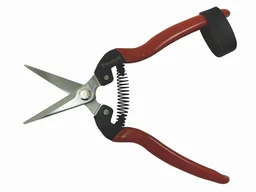
Avoid waterlogged flower beds. Good drainage matters. When creating new areas, landscape fabric or a professional drainage system can help.
Which natural predators reduce mosquitoes in your yard?
Encourage wildlife that feeds on mosquitoes. Bats are efficient hunters. A bat house on your home or in a tree gives them a place to roost. Many birds, including chickadees, swallows and swifts, also feed mosquitoes to their young.
In garden ponds, fish such as sunbleak or native sticklebacks prey on mosquito larvae. Dragonfly larvae in the pond also hunt young mosquitoes. Avoid goldfish in natural ponds, though, since they disturb the pond bottom.
Important note
Never release nonnative animals or fish into natural bodies of water. Doing so can upset the ecological balance and may be against the law. Ask an expert at a garden center for advice about your pond.
How to create a wildlife-friendly yard
Avoid broad-spectrum insecticides, which can kill beneficial insects, too. Plant a diverse wildflower meadow instead of a uniform lawn. It attracts insects that provide food for birds. A wildlife-friendly yard can help keep pest populations in check naturally.
Leave a piece of dead wood or a pile of stones in a corner of the yard. These provide shelter for predatory insects and small animals.
How can you repel mosquitoes with plants and home remedies?
Some plants contain essential oils that may help repel mosquitoes. Plant them in pots near patios or seating areas. Options include lemongrass (which contains citronella), lavender, catnip, tomato plants and several varieties of geranium.
These plants can offer extra support, but they aren’t a complete solution. Avoid burning scented candles with synthetic fragrances, which can attract insects. Instead, try a smoldering source of smoke, such as a fire pit with dry wood or slowly smoldering coffee grounds.
The smell of freshly cut grass or human breath (CO2 emissions) attracts mosquitoes far more strongly than any plant can repel them. Use plants as an extra line of defense, not your only solution.
How to use essential oils safely
Mix a few drops of tea tree, eucalyptus or lemon oil with water in a spray bottle. Spray it on clothing or outdoor furniture. Test it on a small, hidden area first. Only apply a diluted mixture directly to your skin if it’s specifically suitable for skin use.
For a simple barrier, hang dried herbs such as wormwood or mugwort in small sachets at key spots around your yard.
What mosquito protection works outdoors?
Window and door screens are the best passive defense. For outdoor seating areas, set up a mosquito-proof gazebo with fine-mesh netting. Check it regularly for holes.
Wear light-colored, long-sleeved clothing when you’re outside at dusk. Dark colors attract mosquitoes. Close-fitting fabrics give mosquitoes less surface area to land on than loose clothing.
Additional tip
Fans are an easy solution for patios. Moving air makes it harder for mosquitoes to fly toward you because they’re weak fliers. Point a pedestal fan at your seating area.
Protecting specific areas
Cover sandboxes after playtime to keep them from becoming overnight breeding sites. Keep compost piles moist but not soggy. A well-functioning compost pile heats up, making it less attractive to mosquitoes looking for a place to lay eggs.
Store yard tools and equipment in a dry place. Water can collect in hollow spaces here, too.
When are chemical mosquito control products useful?
Approved insecticides can help during a sudden, severe mosquito infestation. Use them selectively and responsibly. In Germany, approved pest control products carry an approval number (e.g. “PT”).
Biological products containing the bacterium Bacillus thuringiensis israelensis (B.t.i.) target mosquito larvae in water without harming other animals. They are available as tablets or granules.
Contact insecticides for adult mosquitoes come as indoor or surface sprays. Never spray them directly on flowering plants or bodies of water. Apply them to mosquito resting areas, such as shady sections of hedges.
Using bait traps strategically
Bait traps mimic human attractants such as CO2, heat and scent. They lure and trap female mosquitoes that bite. Place traps at the edge of your property, away from seating areas, to draw mosquitoes away from you.
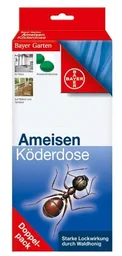
For other nuisance pests, such as ants on patios or paths, special baits like the can offer a targeted solution. Always read the label before use.
How to keep your yard mosquito-free long term
Make checking for mosquito breeding sites part of your routine, such as every two weeks. Include mosquito prevention in your yearly yard plans. If you’re building a pond, plan for a stream or fountain from the start.
When planting new hedges and shrubs, choose varieties with an open, airy growth habit. Regular pruning with sharp tools helps prevent dense, tangled growth. A well-kept yard gives mosquitoes fewer places to hide.
Combine these methods: remove breeding sites, encourage beneficial insects, protect yourself with physical barriers, and use pest control products selectively when needed. This will help you get the upper hand against a mosquito infestation in your yard.
With these steps, you can create an oasis where you can enjoy summer evenings without a worry. Start by inspecting your yard today.
Frequently asked questions
- Which plants help repel mosquitoes in the yard?
- Certain plants can help keep mosquitoes away with their essential oils. These include lemongrass, lavender, catnip, tomato plants and geraniums. Plant them near seating areas. They can offer some support, but they do not replace removing breeding sites.
- How can I keep mosquitoes out of my garden pond?
- Keep the water moving with a fountain or stream. Add fish such as minnows or goldfish, which eat mosquito larvae. Avoid planting too much aquatic vegetation, which can overgrow the pond and create stagnant areas.
- Do UV light traps work against mosquitoes?
- UV light traps attract many insects, including beneficial ones. They are often not very effective against biting female mosquitoes, which are mainly attracted by body odor and CO2. Bait traps using attractants such as octenol are more effective.
- Can I use oil to kill mosquito larvae in a rain barrel?
- An oil layer is not recommended. It can contaminate water used for watering plants and harm other organisms. Biodegradable mosquito larvicide (B.t.i.) or a fully covered barrel with a screen is a better option.
- What mosquito protection is safe for children in the yard?
- Physical barriers are suitable for children: long-sleeved clothing, pants and mosquito nets over strollers. Use repellents specifically labeled for children, and follow the directions carefully. You can also create areas with fewer mosquitoes by eliminating breeding sites.
You may also be interested in
- Repel mosquitoes with plants
- How to repel mosquitoes: Effective home remedies for the yard and home
- DIY mosquito spray: Natural protection for your yard and home
- Tick protection in the yard: How to minimize the risk
- How to get rid of fungus gnats: Effective solutions for flies in potting soil
- Moths in the home and yard: Effective control and prevention