
In brief: You can get rid of stone martens for good by securing evidence, blocking the animal out only outside its resting period and sealing every access point. In cars, engine-bay cleaning, protection for cables and hoses, and a properly installed ultrasonic or 12-volt device can help. Scent-based products alone usually do not solve the problem permanently.
Stone martens feel at home in residential areas. They use attics, garages, carports and parked cars as protected hiding places. Typical consequences include nighttime noise, disturbed insulation, unpleasant odours and costly damage to cables or hoses.
Effective marten control starts by identifying the cause. You need to find out where the animal is getting in, whether it is still inside the building and which scent marks it has left behind. Only then can you choose the right marten protection for your home or car.
How can you identify a stone marten around your home or car?
Stone martens are usually active at night. If you hear banging, scurrying or scratching in the attic between midnight and the early morning hours, you should investigate. Cats move differently, mice make smaller noises and raccoons often leave noticeably larger tracks.
Which signs reveal a marten in the attic?
A marten in the attic rarely leaves just one clue. Look for several signs in different places. Inspect the attic in daylight and move carefully so you do not disturb the evidence.
- Sounds: Banging, scratching and short bursts of vigorous movement occur mainly at night.
- Droppings: The droppings are usually elongated, twisted and have a notably strong smell. They are often found along regular paths or in a corner.
- Insulation: Stone martens tear up insulation and gather it as nesting material.
- Odour: Urine, droppings, prey remains and the animal itself create a strong smell.
- Access points: Loose roof tiles, open eaves, damaged grilles and gaps around pipe penetrations may provide entry points.
Photograph droppings, gnaw marks and damaged areas before cleaning up. Wear gloves and a respirator when cleaning the attic. Ventilate the room thoroughly and dispose of heavily contaminated insulation in accordance with local regulations.
How can you identify marten damage to your car?
In the engine bay, you may find bite marks on ignition leads, coolant hoses, vacuum lines or cable insulation. Shredded insulation mats and paw prints on dusty surfaces also indicate a marten. A warning light, starting problems or fluid loss require immediate inspection by a garage.
- Whenever possible, park your car in different spaces and compare the evidence.
- Check the engine bay after a known infestation and after the car has been parked for a long time.
- Do not continue driving if coolant is leaking, important cables are damaged or the engine is running irregularly.
„The stone marten is a cultural follower and uses buildings near people as protected hiding places.“
Why does the marten keep coming back?
Stone martens rely heavily on scent. One animal marks its territory, and another marten often responds with new markings. This is why recurring infestations in cars often begin after changing parking spaces or encountering another animal.
Which scent marks do you need to remove?
For a vehicle, clean the entire engine bay, underbody and surrounding areas. Wiping the visible bite mark is not enough. If in doubt, have modern vehicles treated by a garage using a suitable engine-bay cleaning method so that sensitive electronics and connectors are not damaged.
In the attic, remove droppings, nesting material and soiled insulation. Wipe hard surfaces with a suitable cleaner and ventilate the area afterwards. Before use, check whether the cleaner is suitable for wood, metal, plastic or insulation boards.
What makes homes and garages attractive to martens?
An attic provides warmth, peace and dry niches. Open eaves, damaged roof tiles and unsecured penetrations make access easier. In garages and carports, stored food, pet food or poorly sealed rubbish can also attract other animals and make the area appealing to martens.
Remove food sources and keep doors, windows and adjoining rooms closed. Trim branches that could help the animal climb onto the roof. Also check downpipes, climbing plants and projecting masonry, as stone martens are excellent climbers.
Pro tip
Before sealing any openings, place a small trail camera or a flour track near suspicious areas. This will show you whether the access point is actually being used. Seal it only after no new signs have appeared for several nights and you are certain that no young animal will be trapped inside the building.
Removing odours alone will not get rid of the marten permanently. However, it reduces the incentive for further territorial conflicts and creates better conditions for mechanical exclusion. Combine both steps instead of relying solely on scent sprays or home remedies.
How do you get a stone marten out of the attic?
An attic requires a coordinated approach. If you seal the last exit too soon, you may trap the animal inside. This can lead to distress, further damage and possibly an animal dying in the insulation.
What steps should you take if you discover an infestation?
- Document the signs: Photograph noises, droppings, damaged insulation and possible entry points.
- Look for access points: Check the eaves, gable edges, roof tiles, ventilation openings, chimney connections and pipe penetrations.
- Keep the area calm: Remove food sources and keep pets away from the attic.
- Support the deterrence: Use a suitable acoustic device according to the instructions and monitor its effect over several nights.
- Check for absence: Use flour trails, a camera or a visual check from a safe distance.
- Seal the access point: Use sturdy grilles, fine-mesh metal netting or suitable components. Secure the barrier so the stone marten cannot lift it.
- Carry out a follow-up check: Inspect the repair again after rain, storms and several weeks.
Which devices are suitable for the attic?
For an attic without a power socket, , a battery-powered acoustic stone marten deterrent, may be a suitable option. A battery-powered deterrent such as can also be used in areas without a permanent power supply. Read the installation and coverage details for the device carefully.
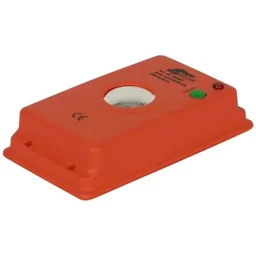
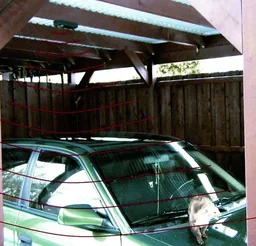
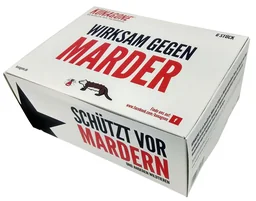
If several areas around the house need to be checked or secured, with six stone marten deterrent units can make planning easier. Do not distribute the devices randomly; position them towards likely routes and access points. Effective stone marten deterrents in the Garden + Outdoor section require unobstructed sound paths and regular checks.
Important note
Do not seal an attic access point while a stone marten or young animals may still be inside the building. Do not use poison or glue traps. Traps, electrical solutions and interventions in the animal's den must comply with animal welfare requirements and may be subject to regional hunting or conservation regulations.
After sealing the access point, check the attic daily at first. New noises, fresh droppings or torn insulation indicate that an access point is still open. Pay particular attention to transitions between the roof surface and the façade, as small gaps can easily be overlooked after a repair.
How do you protect your car from marten damage over the long term?
When it comes to cars, a single deterrent is rarely enough. The engine compartment contains many soft materials, narrow cavities and warm areas. After a change of territory, a new stone marten may detect the previous animal's scent and mark the area particularly aggressively.
Why do stone martens bite cables and hoses?
The bites are usually related to territorial behaviour, not hunger. An animal detects the scent mark of another marten and investigates the engine compartment. In the process, it damages cables, insulation and hoses. The consequences range from a warning light to vehicle failure.
Which combination provides reliable marten protection?
- Clean the engine compartment: Remove scent marks after every confirmed infestation. If you are unsure, have a garage carry out the cleaning.
- Look for damage: Check cables, hoses, insulation mats and plastic covers. Have damaged parts replaced immediately.
- Protect the lines: Suitable protective tubes, corrugated tubing or mechanical covers make direct biting more difficult.
- Install a device: Install an ultrasonic or 12-volt device so that water, heat and moving engine components cannot damage it.
- Monitor the parking location: Check the engine compartment after changing parking locations, extended periods when the car is parked and renewed contact with martens.
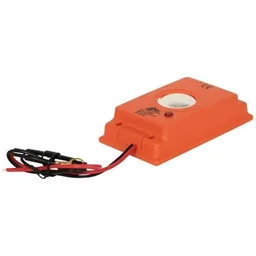
For vehicles with a suitable 12-volt power supply, , an MF 12V acoustic stone marten deterrent, may be suitable. A mobile solution such as can be used at different locations according to the manufacturer and may also be suitable for other rodents.

A car cover protects the paintwork from dust and weather, but does not replace engine-compartment marten protection. Do not cover a warm or wet vehicle permanently and follow the manufacturer's instructions.
Electrical contact plates can provide an additional barrier. Have such systems installed professionally, especially in modern vehicles with sensitive onboard electronics. An incorrectly routed cable can itself become a safety risk.
“After marten damage, the engine compartment should be cleaned thoroughly so that scent marks do not attract other animals.”
Which marten deterrents really work?
The best results come from combining several measures. A device can temporarily make an area unattractive, but an open gap in the roof remains a permanent access point. Sturdy sealing provides long-term protection, but only if you are certain the animal is outside first.
How do the main methods differ?
| Measure | Strength | Limitation |
|---|---|---|
| Mechanical sealing | Provides lasting protection when you close all access points. | It must not trap an animal or its young inside. |
| Engine bay and attic cleaning | Removes scent marks and reduces the incentive for territorial fights. | It does not replace structural protection. |
| Ultrasonic deterrents | Support the removal of martens from clearly defined areas. | Obstacles, habituation and incorrect installation reduce their effectiveness. |
| Repellent scents | Can provide short-term deterrence. | Rain, ventilation and habituation shorten their effectiveness. |
| Contact deterrents for cars | Significantly discourage martens from staying in the engine bay. | They must be installed safely and correctly. |
What does a practical approach look like?
- Document noises, droppings, bite marks and possible access points.
- Remove food sources and heavily soiled nesting material.
- Thoroughly clean the affected attic or engine bay.
- Choose a device suited to the power supply, location and area.
- Observe the area for several nights to see whether the animal is still using it.
- Seal all access points with sturdy, weatherproof materials.
- Check the protection regularly and respond immediately to any new signs.
Additional advice
If the infestation returns despite cleaning and sealing, have the roof, façade and engine bay inspected by a professional. Recurring signs often indicate a second access point or a neighbouring territory. For more solutions for your home and garden, you can find suitable products in the shop.
When it comes to home and property animal control, the key is combining inspection, hygiene and access protection. Scent sprays or loud noises can support the initial response, but they rarely solve the problem on their own. Lasting marten protection is only achieved when the animal can no longer access its shelter and the engine bay becomes unattractive.
Frequently asked questions
- How can I tell whether a stone marten is living in the attic?
- Typical signs include banging noises at night, scratching sounds, disturbed insulation, a strong smell and sausage-shaped droppings in the attic. Also check for loose roof tiles, gaps at the eaves and verges, and tracks in the dust. A wildlife camera or professional can help identify the access point with certainty.
- What helps get rid of martens in the attic?
- A combination of inspection, odour removal and mechanical sealing is effective. First allow the marten to leave the attic area, then secure every access point with sturdy mesh or suitable building components. Ultrasonic deterrents can help, but they do not replace repairs. Poison, glue traps and unsecured traps have no place in residential areas.
- How can I prevent marten damage to my car?
- Thoroughly clean the engine bay after an infestation, as scent marks can trigger further territorial fights. Protect vulnerable cables and hoses with suitable corrugated tubing or protective mats. A correctly installed 12-volt, ultrasonic or contact deterrent can provide additional marten protection. Check the engine bay after every change of location.
- Are ultrasonic devices useful against stone martens?
- Ultrasonic devices can keep stone martens away from a limited area if they are installed correctly and the power supply remains reliable. Obstacles, habituation and established territories reduce their effectiveness. Therefore, use the device together with cleaning, access barriers and regular checks. In cars, installation must follow the manufacturer's instructions.
- Am I allowed to catch or drive away a stone marten myself?
- In principle, you may only drive away a stone marten in an animal-friendly manner and in compliance with local hunting and wildlife protection regulations. Do not seal an access point while young animals may still be inside the building. Do not use poison or dangerous traps. If you are unsure, contact a wildlife rescue centre, the local hunting authority or a specialist company.
You may also be interested in
- Get Rid of Martens: Effective Protection for Your Home and Attic
- Marten Protection Test & Comparison 2026
- Solar Animal Repellent Test: Does the FLASH Keep Martens & Cats Away?
- How to Get Rid of Stink Bugs: Effective Remedies and Prevention
- How to Get Rid of Moles: Effective Garden Tips
- House Mice in the Garden and Home: Effective Measures