
In brief: Remove thistles by consistently digging out the entire root with a long-handled weed puller. On larger areas, regular mowing before flowering can help. For lasting results, combine mechanical removal with suppression using weed control fabric or mulch. Chemical products are often a last resort.
How to Get Rid of Thistles: A Weed-Free Garden
Thistles are persistent weeds. Their deep roots and wind-borne seeds make them tough to control. The right strategy combines good timing, the right tools, and persistence. Here’s how to reclaim your garden.
Why are thistles so difficult to remove?
Thistles have a strong taproot that can reach more than one meter deep into the soil. Simply pulling off the leaves isn’t enough. The root will keep producing new growth.
Thistles produce thousands of seeds that can spread long distances on the wind. Even one overlooked flower can multiply the problem the following year.
Thistles grow in nutrient-poor, compacted soil. They can be a sign that an area needs more garden care. Dense turf and well-maintained beds give them fewer chances to take hold.
Important note
Always wear sturdy gloves when removing thistles. Their spines can cause painful injuries and inflammation. Protect your skin.
How do I remove thistles by hand?
Digging thistles out is the most straightforward method. It takes some effort and the right tool. The goal is to remove the entire root.
Which tool should I use to dig out thistles?
Use a weed puller for individual thistles. A long, narrow steel shaft is ideal. It should be long enough to reach the entire taproot.
Push the tool vertically into the soil beside the thistle. Press down on the handle to loosen the soil around the root. Then pull out the entire plant.
The
is handy for many gardening tasks. For thistles, though, you’ll need a powerful tool designed for the job.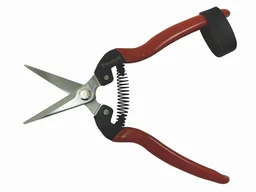
Removing thistles by hand takes patience. Any root left in the soil can grow into a new thistle next year. Work carefully and remove each one completely.
How do I remove thistles from large areas?
On meadows or uncultivated land, mow regularly before the thistles flower. Repeated mowing weakens the plants over several years.
A powerful brush cutter such as the
gets the job done efficiently. It also cuts back tall grass and weeds, helping prevent seeds from forming.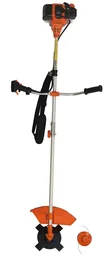
Always dispose of the cuttings in a yard waste bag. Don’t compost thistles unless your compost pile reaches very high temperatures.
How do chemical weed killers work against thistles?
Chemical weed killers should be a last resort. Systemic products are absorbed through the leaves, travel down to the root, and destroy the plant.
Additional advice
Read the herbicide label carefully. Apply it only in dry, calm weather. Protect nearby ornamental plants with a cover.
Special lawn fertilizers with weed killer control thistles in lawns while strengthening the grass. Dense turf helps keep new weeds from growing.
Spot treatments are more effective than spraying an entire area. Apply the product only to the thistle itself to protect the environment and avoid wasting product.
How can I prevent thistles from growing in the first place?
Prevention is the best protection. Create conditions that make your yard less appealing to thistles. Healthy, dense plant cover is key.
What role does the soil play?
Thistles thrive in compacted, acidic soil. Loosen those areas regularly. Applying lawn and garden lime can help adjust the pH.
Fertilize your lawn as needed. Strong grass growth leaves little room for thistles. A healthy garden is your best defense.
How can I suppress thistles with mulch and weed fabric?
Mulch works well in flower beds and under shrubs. A layer of bark mulch at least 10 cm thick can smother thistle seedlings.
Lay
underneath. This specialized fabric suppresses weed growth while letting water pass through. It’s a long-lasting solution for paths and large areas.
Find the right garden fabric in our range. It’s a worthwhile investment for low-maintenance areas of your yard.
Nature abhors a vacuum. When soil is left bare, weeds are often the first to take hold. Cover it with plants or mulch to give thistles less chance to grow.
How do I remove thistles from my lawn?
Thistles in the lawn are especially troublesome. They crowd out grass and can hurt anyone walking barefoot. A multi-step approach works best.
Dig out individual plants as soon as you spot them. Dethatch the lawn in spring and fall to remove weeds and aerate the soil. Mow regularly, but don’t cut the grass too short.
Expert tip
Mark areas of your lawn with lots of thistles. After digging them out, reseed the bare spots right away with a high-quality lawn repair mix. Keep the area moist until the seeds germinate.
If the lawn is heavily infested, a combination fertilizer and weed killer can help. It strengthens the lawn while weakening the thistles. Choose a product specifically designed to control broadleaf weeds.
What should I do about thistles on unpaved surfaces?
Thistles are persistent on gravel paths, parking areas, and gravel beds. Removing them by hand from between the stones can be labor-intensive.
One option is to use a weed burner for heat treatment. The heat destroys the plant’s cell structure. Repeat the treatment several times, a few weeks apart, to weaken the roots and prevent regrowth.
The most permanent solution is to rebuild the area. Remove the top layer of soil, lay a durable weed control membrane, then add fresh gravel or stone chips. It takes more work, but the results last.
For projects in our Garden + Outdoor section, you’ll find the right equipment here, from hand tools to power tools.
How do I make thistle control part of my garden maintenance routine?
Thistle control is not a one-time task. It is part of ongoing garden maintenance. Schedule regular inspections.
Check your garden every two weeks for new thistle seedlings. Remove them while they are still small. This saves a lot of effort later.
Take care of your garden tools. A sharp weeding tool makes the job easier. Store your garden equipment in a dry, protected place.
With a systematic approach and the right tools, you can get rid of thistles. Your garden will reward you with more beauty and less prickly work.
Frequently Asked Questions
- How do I remove thistles for good?
- Remove the entire taproot. Push a long weeding tool deep into the soil beside the root. Pull out the whole plant. Any piece of root left in the soil can produce new growth.
- What is the best tool for removing thistles?
- A long, sturdy weeding tool or thistle puller is ideal. It reaches the deep taproot. For larger areas, powered brush cutters or specialized garden tools are more efficient.
- Can vinegar or salt kill thistles?
- Home remedies such as vinegar only damage the leaves, not the root. They harm soil life and are often prohibited in gardens. Use mechanical removal or approved herbicides to kill the roots.
- When is the best time to control thistles?
- Control thistles in spring or early summer, before they flower and produce seeds. The plants are smaller then, and the roots are easier to remove. After flowering, thistles continue to spread.
- Does weed barrier fabric help prevent thistles?
- Yes, a sturdy weed barrier fabric beneath bark mulch or gravel effectively suppresses thistles. It blocks light and prevents growth. Make sure it is thick enough to keep sharp thistle shoots from breaking through.
You may also be interested in
- Effective weed control: methods and tips
- How to get rid of ground elder: effective methods for a ground-elder-free garden
- Weeds in the garden: identify, understand, and control them naturally
- How to remove clover from your lawn: effective methods for a perfect lawn
- Weed burning: a heat-based solution for your garden
- How to remove moss and stubborn weeds from paving joints: a guide