
In brief: For a rich parsley harvest, choose a partially shaded, sheltered spot with loose, nutrient-rich soil. Keep the soil evenly moist, but avoid waterlogging. Regularly cut the outer leaves to encourage the inner shoots to grow. Fertilise sparingly with organic vegetable fertiliser. This way, you can harvest fresh greens throughout the summer.
How to Grow and Care for Parsley: Tips for a Rich Harvest
Fresh parsley from your own garden can transform any dish. This herb provides flavour and vitamins. With the right knowledge, it is easy to grow successfully. We show you how to do everything right, from sowing to harvesting.
How do I get started with sowing?
Sow parsley directly in the bed or in pots. The best time is between mid-March and the end of July. The seeds germinate slowly, so patience is needed. Loosen the soil thoroughly and remove all stones.
Scatter the fine seeds thinly and cover them only lightly with soil. Gently firm the seed furrow. Keep the area consistently moist over the next few weeks. A shading fleece does not speed up germination, but it does protect the soil from drying out.
Expert tip
Soak parsley seeds overnight in lukewarm water. This shortens the germination time by a few days. Sow the soaked seeds immediately.
Direct sowing or growing indoors?
Direct sowing in the bed is the simplest method. It avoids transplanting and the associated root stress. For a very early harvest, start growing parsley on a windowsill from February.
Use deep growing pots, as parsley develops a long taproot. Do not plant the young plants outdoors until after the last frosts. Make sure they are in a sheltered spot during the first few days.
What is the perfect location for parsley?
Parsley prefers a bright to partially shaded spot. It does not tolerate full midday sun well. A bed that gets sun in the morning and shade in the afternoon is ideal. A sheltered location prevents the delicate leaves from drying out.
The soil should be loose, rich in humus and well drained. Mix heavy clay soils with sand. Compacted soil restricts root growth. A pH value in the neutral to slightly alkaline range is ideal.
Parsley is a moderately hungry feeder. It does not make extreme demands on the soil, but it does need a good basic supply of nutrients. Well-loosened, weed-free soil gives the plants a strong start and is half the battle for healthy growth.
The right neighbours in the bed
Do not plant parsley next to other members of the carrot family, such as carrots or celery. They belong to the same family and can encourage disease. Good companion plants include tomatoes, onions and radishes.
They help keep pests away or use different layers of the soil. Observe crop rotation. Do not sow parsley in the same bed for several years in a row. This prevents the soil from becoming depleted.
For all your garden work, you will find suitable garden tools in our range. The right helpers support you from sowing to harvesting.
How do I care for parsley properly?
Care plays a key role in harvesting success. Water regularly and thoroughly. The soil should never dry out completely, but it should not become waterlogged either. Check the moisture level with your finger.
Mulch the soil around the plants with fine grass clippings or compost. This retains moisture, suppresses weeds and slowly releases nutrients. Loosen the soil carefully from time to time without damaging the roots.
Important note
Be sure to avoid waterlogging. Parsley roots quickly rot in wet soil. Ensure good drainage. In heavy soils, add a drainage layer of gravel before planting.
Fertilising for strong growth
Fertilise parsley sparingly. Too much nitrogen produces soft, vulnerable leaves. Before sowing, work mature compost or organic vegetable fertiliser lightly into the soil.
This is enough for the entire season. When growing parsley in pots, fertilise every four to six weeks with liquid herb fertiliser at half strength. Specialist fertiliser for herbs and vegetables is available from garden centres.
How do I harvest parsley for a continuous supply?
Start harvesting when the plant has produced at least eight to ten strong stems. Always cut the outer leaves with a sharp knife or scissors. Leave the inner, young shoots in place.
This allows the parsley to keep growing from the centre outwards. Never harvest more than one third of the plant at a time. Give it time to recover. The main harvesting period is between June and October.
Never cut parsley in bright sunshine or immediately after heavy rain. The damp cut surfaces are then more susceptible to fungi. The best time to harvest is early morning on a dry day.
Storage and preserving
Freshly harvested parsley is best used immediately. For short-term storage, wrap the stems in a damp kitchen towel and place them in the fridge. This keeps the herb fresh for several days.
To freeze parsley, chop the washed and patted-dry leaves. Place them in ice cube trays, top up with water and freeze. Dried parsley loses a lot of its flavour, but it is suitable for soups.
Additional advice
A harvest basket such as our
is practical for harvesting. It lets you collect the cut herbs cleanly and gently. The woven design allows air to circulate, preventing the leaves from becoming damp.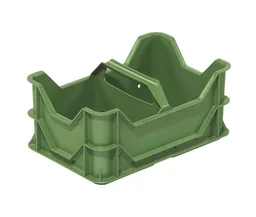
Which varieties are suitable for growing?
There is a wide range of parsley varieties to choose from. They differ in leaf shape, growth habit and flavour. The best-known type is plain-leaf or Italian parsley. It has an intense, fresh flavour.
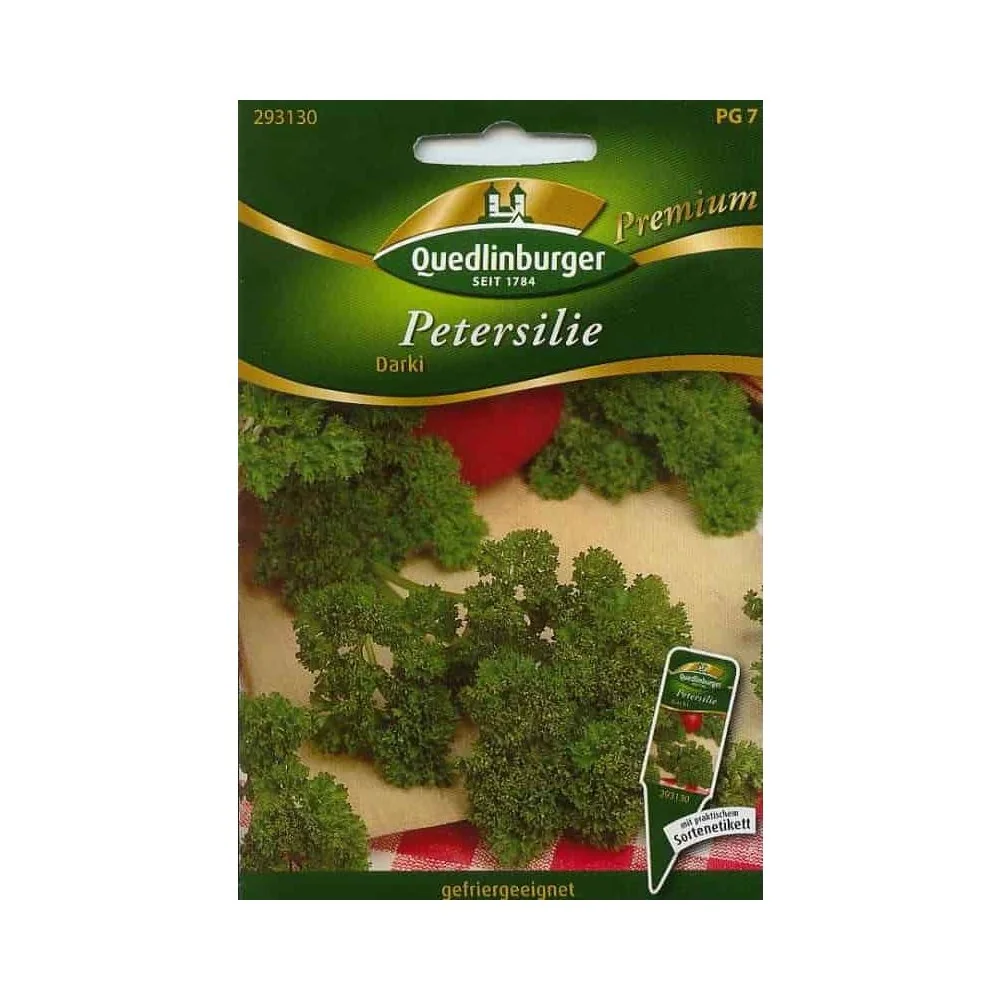
is a robust variety of plain-leaf parsley. It grows vigorously and produces a high yield. The leaves are medium green and ideal for seasoning and garnishing., also known as 'Darki', is a curly-leaf parsley. Its heavily curled leaves are decorative. The flavour is slightly milder than that of plain-leaf parsley. It is ideal as a garnish.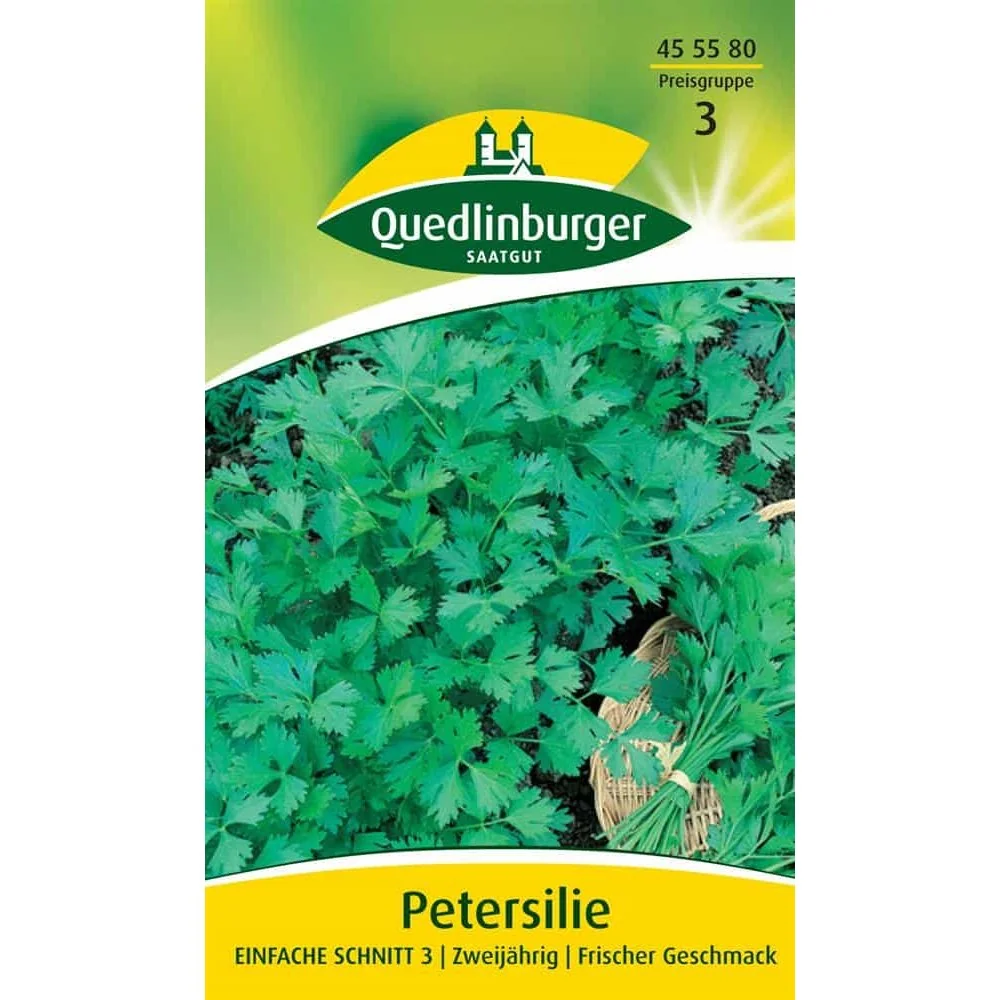
Special varieties for connoisseurs
For enthusiasts, the Italian giant parsley 'Gigante d'Italia'
has large, flat leaves with a strong flavour. It grows very abundantly and produces an exceptionally high yield. This variety tolerates more sun than others.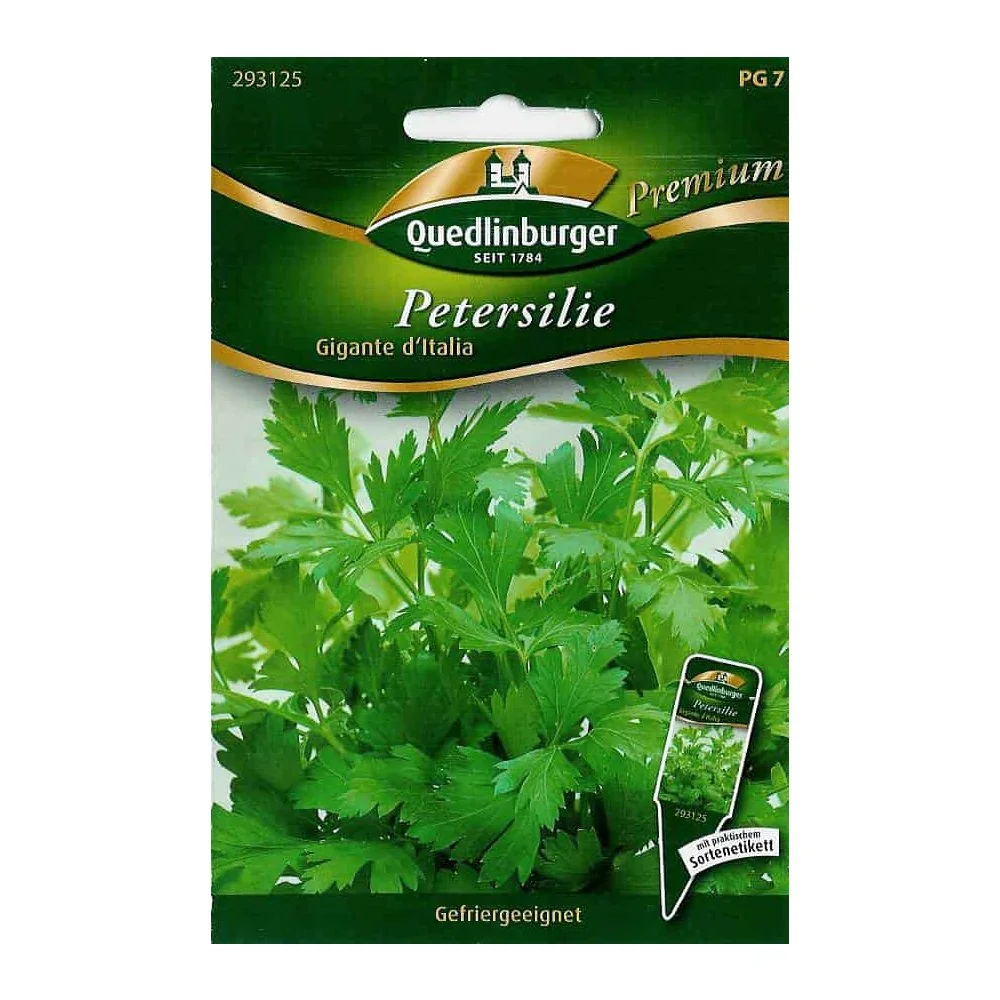
Experiment with different varieties. Sow a short row of each and discover your favourites. High-quality garden and plant supplies will support you when sowing and caring for your plants.
How do I overwinter parsley?
Parsley is biennial. In the first year, it forms a rosette of leaves; in the second, it flowers. The leaves become tough and bitter after flowering. To overwinter parsley, protect plants in the bed with a layer of leaves or brushwood.
If growing parsley in a pot, place it in a cool, bright, frost-free location. An unheated greenhouse or a bright cellar is suitable. Water very sparingly, but do not let the root ball dry out.
Overwintered parsley starts growing early in spring. You can harvest the young leaves until the plant starts to flower. Then remove it and make room for a new sowing.
With these tips, growing parsley is sure to succeed. From sowing to harvesting, the right care will help your plants thrive. Fresh culinary herbs are a rewarding result for your efforts.
Frequently Asked Questions
- Why does my parsley keep dying?
- Parsley often dies because of waterlogging, an unsuitable location or root competition. Do not plant it in the same spot as the previous year (crop rotation). Avoid waterlogged soil at all costs. A spot that is too sunny and hot, or planting next to heavy-feeding vegetables, can also cause the plant to die.
- How often do I need to water parsley?
- Water parsley regularly so that the soil remains evenly moist. Check with your finger: the top 2-3 cm of soil should not dry out completely. Daily watering may be necessary on hot summer days. However, avoid leaving the pot standing in water to prevent root rot.
- Can parsley be grown in a pot on a balcony?
- Yes, parsley is very well suited to growing on a balcony. Choose a sufficiently large pot with a capacity of at least 5 litres and good drainage. Use high-quality herb or vegetable compost. A partially shaded, sheltered spot on the balcony is ideal. Pay particular attention to regular watering when growing parsley in a container.
- When is the best time to sow parsley?
- Sow parsley directly outdoors from mid-March to the end of July. Germination takes a long time, often three to four weeks. Early sowing under fleece protects the plants from late frosts. For an early harvest, you can start seeds indoors on a windowsill from February. Plant the young plants outdoors after the last frosts.
- How do I harvest parsley correctly so that it grows back?
- Always cut the outer, fully developed leaf stalks close to the ground. Leave the centre of the plant with its young inner shoots untouched. This allows the parsley to keep growing outwards from the centre. Never harvest more than one third of the plant at a time.
You may also be interested in
- How to plant and care for basil – tips for a bountiful harvest
- Growing herbs: your guide to creating your own herb garden
- Culinary herbs for the garden: growing umbelliferous herbs
- Planting herbs together: which neighbours work well in the garden bed?
- Growing chives: care and harvesting in the garden
- Growing and caring for thyme: from garden bed to balcony