
In brief: Growing cucumbers in raised beds is easy with the right variety, nutrient-rich soil and consistent watering. Choose vining cucumbers to grow upward and save space, or bush cucumbers for compact beds. A raised bed’s warm, loose soil encourages faster growth and helps protect plants from soil pests. Regular watering and occasional feeding will help you get a good harvest.
Cucumbers in Raised Beds: How to Grow Them Easily
Raised beds offer ideal conditions for growing cucumbers. The soil warms up faster, drainage is better and gardening is easier on your back. With the right preparation and care, you can harvest crisp cucumbers all summer long.
Why Cucumbers Grow Better in Raised Beds
Raised beds offer several benefits for growing vegetables. Their elevated position helps protect plants from slugs and soil-dwelling pests. As the material inside decomposes, it generates heat from below. This heat speeds up the growth of young cucumber plants.
The soil is also loose and deep, so cucumber roots can spread freely and take up more nutrients. You can control the soil quality and create the ideal growing mix for your plants.
A raised bed works like a cold frame. The heat generated inside lets you plant earlier and extends the harvest season well into fall.
Choosing the Right Raised Bed for Cucumbers
Not every raised bed is equally suitable for cucumbers. The plants grow large and need a sturdy structure. Choose a bed at least 60 centimeters high to give the roots enough room to develop.
Wood, metal or sturdy plastic panels are all suitable materials. One practical option is the . It combines a sturdy raised bed with a protective cover to shield young plants from wind and cool nights.

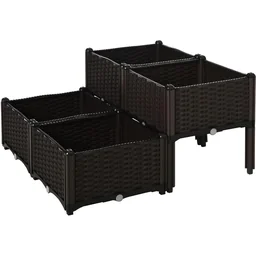
For a decorative option on the patio, consider this with a rattan look. It comes in several pieces, so you can arrange it in different shapes. Choose a sunny spot sheltered from the wind.
Expert tip
Plan for a sturdy trellis from the start. Attach one to the raised bed or use a stable grid to support the plants. Cucumbers will grow upward, saving space and keeping the fruit off the ground.
How Do I Fill My Raised Bed for Cucumbers?
The layers in your raised bed play a big role in your success. Cucumbers are heavy feeders and need plenty of nutrients. Start with a coarse drainage layer of branches or upside-down sections of turf. As it decomposes slowly, it provides nutrients over time.
Add a layer of coarse compost or partly decomposed material, such as leaves. The main layer should be mature compost and high-quality garden soil. Mix in horn shavings to boost nitrogen levels. Find everything you need for the right soil in our Garden + Plant Accessories category.
Fill the bed to the top, as the contents will settle over the first few weeks. Water each layer well as you add it to get decomposition started right away.
Which Cucumber Varieties Are Suitable for Raised Beds?
There are plenty of varieties to choose from. Decide whether you want vining or bush cucumbers. Vining varieties such as 'Helena' or 'Chinese Slangen' can produce excellent yields in a small space. They need a sturdy trellis at least two meters high.
Bush cucumbers such as 'Bush Star' stay compact. They are ideal for smaller raised beds or this planting system. They do not need a trellis. Snack cucumbers are great for eating fresh and grow to only 10 to 15 centimeters long.

Pickling cucumbers are another option. Varieties such as 'Vorgebirgstrauben' are hardy and ideal for preserving. Find seeds for all types in our range of cucumbers and zucchini.
Important note
Buy seeds or young plants from a trusted source. Varieties resistant to powdery and downy mildew can save you a lot of trouble later. Check the seed packet for resistance information.
How Do I Plant Cucumbers in a Raised Bed?
Timing is crucial. Wait until the danger of frost has passed, usually in mid-May, before planting seedlings or sowing cucumbers outdoors. By then, the soil in the raised bed should be warm enough. Cover young plants with garden fleece on chilly nights.
Give your plants enough room to grow. For vining cucumbers, two to three plants per square meter are enough. Plant them right next to the trellis. Bush cucumbers can be planted closer together, at around four plants per square meter. Firm the soil around each plant and water thoroughly.
Cucumbers love sunshine. A warm, sunny spot sheltered from the wind brings out the best flavor. Cool, shady locations can lead to bitter fruit and lower yields.
What Is the Best Way to Care for Cucumbers in Raised Beds?
Focus on three things: water, fertilizer and airflow. Cucumbers are more than 90 percent water, so they need regular, thorough watering. Water in the morning at the base of the plants and avoid wetting the leaves.
A layer of straw or grass clippings helps the soil retain moisture and suppresses weeds. Feed the plants with a potassium-rich liquid fertilizer every two to three weeks. Organic fertilizers from our Fertilizer category are a great choice.
Additional advice
Loosen the soil in your raised bed regularly and carefully. This keeps it aerated and helps water soak in more effectively. Use suitable hand tools from our Garden Tools range.
How do I harvest and store cucumbers properly?
Harvest cucumbers while they’re still young. That’s when they’re at their crunchiest, and picking them encourages the plant to produce more flowers and fruit. Cut the cucumbers from the vine with a sharp knife. Don’t pull them off, as this can damage the plant.
Harvest regularly, ideally every two days. Overripe cucumbers left on the plant can slow the development of new fruit. Store freshly harvested cucumbers in the crisper drawer of the refrigerator. They’ll keep for about a week.
Wash cucumbers just before eating to help preserve their natural protective coating. For longer-term storage, only pickling cucumbers are suitable for preserving.
Common problems and how to solve them
Cucumber plants can be affected by powdery mildew, which appears as a white coating on the leaves. Downy mildew causes yellow spots on the upper surface of leaves and gray mold on the underside. Prevention is simple: never water the leaves, and make sure the plants have good air circulation.
If the infection is severe, remove the affected leaves. If needed, use an approved fungicide from a garden center. Yellow leaves often indicate a nutrient deficiency. Applying fertilizer usually resolves the problem quickly.
Slugs are less likely to be a problem in raised beds. A raised bed border with a sharp edge can deter them. Natural predators such as ladybugs or a mild insecticidal soap solution can help control aphids. A sturdy net from the Tarps + Nets category can protect your plants from birds.
Follow these steps for a plentiful harvest. Your raised bed will provide fresh cucumbers for salads, snacks, and pickling. Growing them is well worth the effort.
Frequently Asked Questions
- Which cucumber variety is best for a raised bed?
- Space-saving climbing cucumbers are ideal for raised beds because you can train them to grow up a trellis. Good varieties include 'Helena' and 'Dominica'. Bush cucumbers such as 'Bush Star' are ideal for compact beds. They stay smaller and don’t need a trellis. Choose a variety based on the space available.
- When is the best time to plant cucumbers in a raised bed?
- Plant cucumber seedlings started indoors in your raised bed after the last frost, usually around mid-May. By then, the soil should be warm enough. You can sow seeds directly outdoors from late May, but this will delay your harvest. Protect young plants from late frosts with garden fleece from our Garden Accessories range.
- How often should you water cucumbers in a raised bed?
- Cucumbers in raised beds need watering every day. On hot days, you may need to water them in the morning and evening. The soil should stay moist but not waterlogged. Water at the roots rather than over the leaves. A layer of grass clippings used as mulch helps reduce evaporation. An automatic Garden Irrigation system can save time.
- Do cucumbers in a raised bed need a special fertilizer?
- Yes. Cucumbers are heavy feeders. After planting, feed them every two to three weeks with a potassium-rich liquid vegetable fertilizer. Organic vegetable fertilizer from our Fertilizer Range is ideal. Don’t use too much fertilizer, as this encourages leaf growth at the expense of fruit production.
- How can I prevent powdery mildew on cucumbers in a raised bed?
- Don’t plant cucumbers too close together. A well-ventilated location helps prevent fungal diseases. Water in the morning so the leaves can dry by evening. Choose resistant varieties such as 'Picolino'. At the first signs of infection, an environmentally friendly fungicide from a garden center may help. Remove affected leaves right away.
You might also be interested in
- Growing Vegetables in Raised Beds: The Best Tips and Tricks
- Growing Cucumbers: Step by Step to Your Own Harvest
- Raised Beds: Crop Rotation and Companion Planting for a Bigger Harvest
- Build Your Own Raised Bed: The Complete Guide
- Deep-Rooted Plants for Raised Beds: These Plants Thrive
- Planting a Raised Bed: 6 Plants to Avoid