
In brief: Grow giant pumpkins from specialty seeds in a sunny spot with exceptionally nutrient-rich soil. Start early in the year. Keep only the strongest fruit on each plant and consistently remove the rest. Regular, deep watering and targeted feeding are essential for massive growth.
How to Grow Giant Pumpkins: Tips for an Impressive Harvest
A giant pumpkin in your own garden is sure to turn heads. It takes careful work, not luck. With the right planning and consistent care, you can grow a record-breaking pumpkin of your own. This guide walks you through every step.
How do I get started growing giant pumpkins?
Success starts long before planting. Your preparation lays the foundation for strong growth later on. Choose quality from the start.
Choosing the right variety
Regular Hokkaido or butternut squash will never reach record-breaking sizes. You need a variety bred for giant pumpkins. Varieties such as 'Atlantic Giant' and 'Big Max' are known for their enormous growth. Buy high-quality seeds from a reputable source.
The ideal location and soil
Giant pumpkins need full sun for at least eight hours a day. The soil should be deep, loose and exceptionally rich in nutrients. Prepare the bed in fall by working in plenty of compost or well-rotted manure. A pH between 6.5 and 7.0 is ideal.
Expert tip
Build a small mound or raised bed. The soil will warm up faster in spring, and drainage will improve. This simple step gives your pumpkins a head start.
How do I sow seeds and start the plants?
Because the growing season is long, starting seeds indoors is essential. This gives your plants valuable extra weeks to grow. Take care at every stage.
When to sow
Sow seeds about four to six weeks before the last expected frost in your area, often in mid to late April. Use large seed-starting pots at least 10 cm in diameter to give pumpkin roots room to grow.
The best way to start seeds
Plant each seed about two to three centimetres deep in seed-starting mix. Keep the mix consistently moist, but not soggy. Seeds germinate in about a week at 20 to 25 degrees Celsius. Once seedlings emerge, move them to a bright, slightly cooler spot.
“Always place giant pumpkin seeds on their side rather than flat. This helps prevent the seed leaves from getting trapped in the seed coat and weakening the plant early on.”
How do I plant seedlings for the best results?
Moving seedlings outdoors is a critical step. Young plants are sensitive, so protect them well.
Hardening off and planting
Over the course of a week, gradually acclimate seedlings to outdoor conditions. Put them in a sheltered spot during the day. Plant them outside only after the last frost, usually in mid-May. Set each plant deep enough to cover the root ball well. Water lightly to help settle the soil around the roots.
Protection and spacing
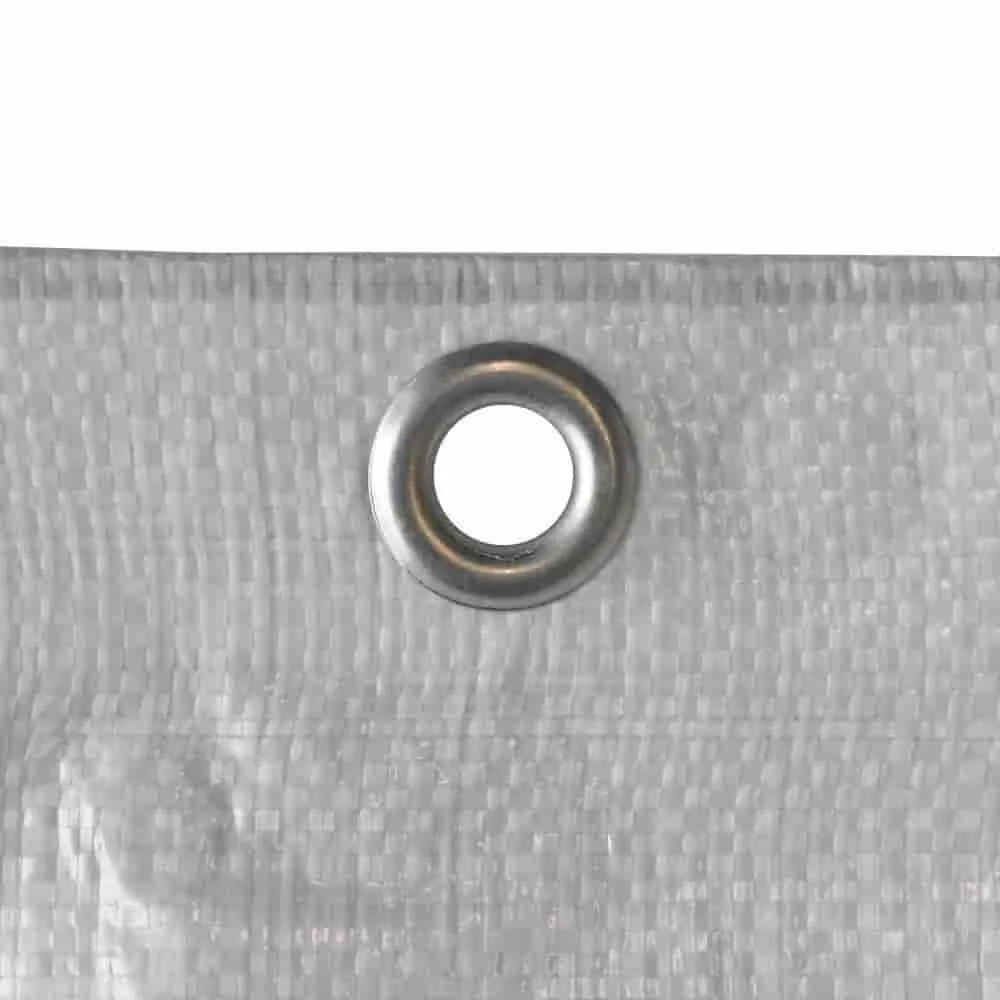
Each plant needs at least 15 square metres of space. Protect seedlings from cold during the first few nights with a garden tarp or row cover. A layer of straw mulch helps keep the soil warm and moist while suppressing weeds.
Important note
Avoid waterlogged soil. Giant pumpkins need plenty of water, but standing water around the roots can quickly cause rot. Good drainage is essential, so loosen the soil thoroughly before planting.
How do I care for pumpkins as they grow?
The main work begins after planting. Consistent care determines how much weight your pumpkin gains.
Watering is key
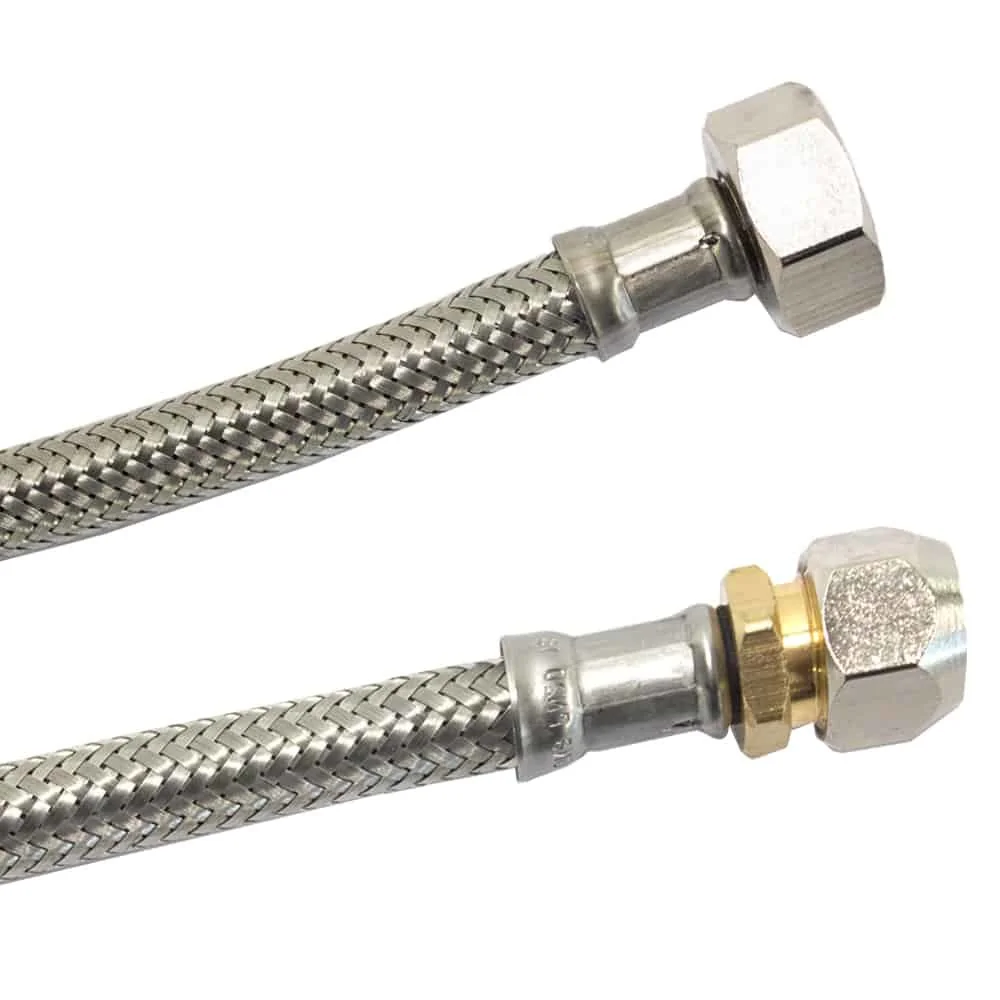
Water regularly and deeply. Drip irrigation or a garden hose works well. Water at the roots rather than over the leaves to help prevent fungal diseases. Morning is the best time to water.
Feed for maximum size
During the growing phase, the plant needs plenty of nitrogen to produce leaves. Once the main pumpkin starts developing, switch to a potassium-rich fertilizer to support fruit growth. Feed every one to two weeks with a liquid all-purpose fertilizer. Find suitable products in the fertilizer selection.
Choosing which pumpkin to keep
This is the most important step. Let only one pumpkin grow on each plant. Choose the strongest, healthiest fruit and decisively remove all other female flowers and young fruit. This lets the plant focus all its energy on a single pumpkin.
Additional tip
Place a thick layer of straw or a wooden board under the growing pumpkin. This protects its delicate skin from moisture, dirt and soil pests. Direct contact with the ground can lead to pressure marks and rot.
How do I protect giant pumpkins from pests?
A healthy pumpkin plant can withstand a lot, but some risks remain. Keep a close eye on it.
Slugs and other pests
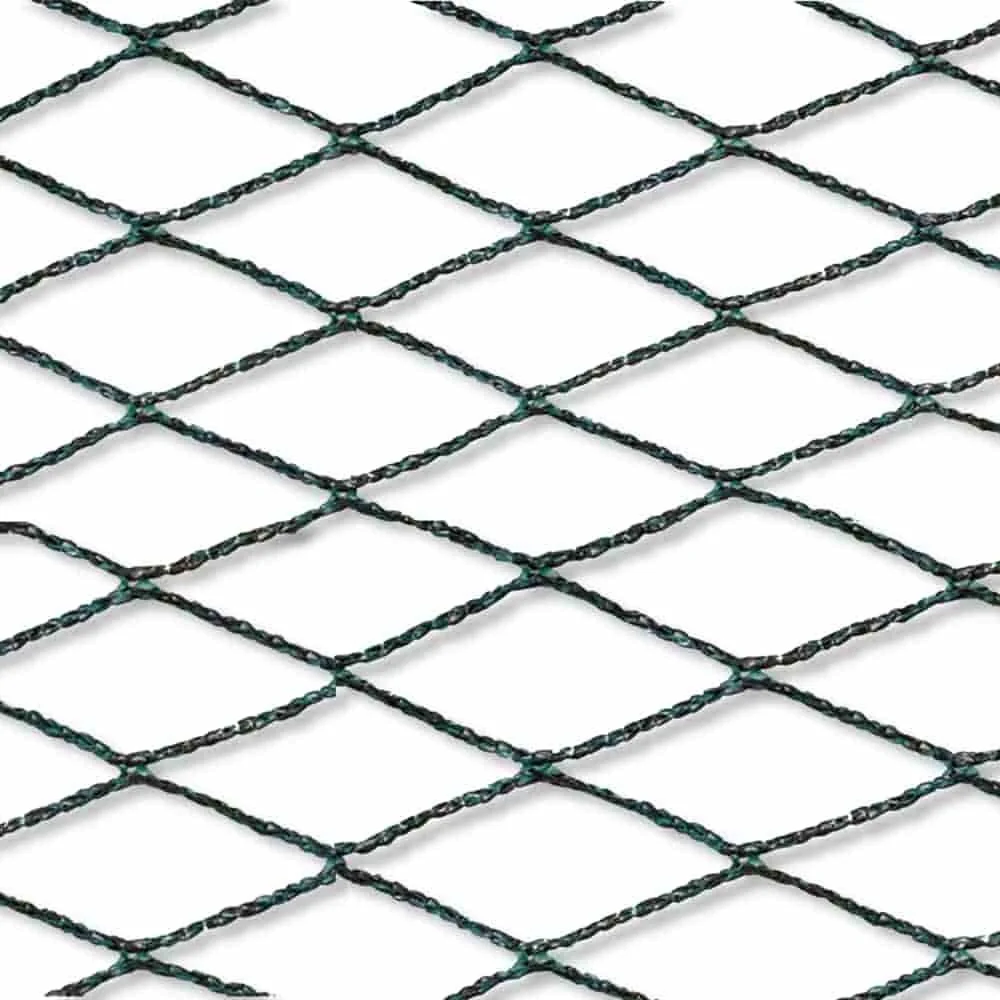
Young plants are a treat for slugs. Protect them with a slug barrier or pick slugs off regularly. Mice may also nibble on the fruit. Keep the area around your plants clean and free of hiding places.
Preventing fungal diseases
Powdery mildew is the most common disease. It shows up as a white coating on the leaves. A well-ventilated location and watering at the roots rather than over the leaves can help prevent it. If mildew appears, remove affected leaves generously.
“The giant pumpkin’s greatest enemy isn’t the beetle—it’s the gardener’s impatience. Give the plant time to grow undisturbed. Constantly turning or moving the pumpkin only stresses it.”
How do I harvest and store giant pumpkins correctly?
The right time to harvest and proper storage are key to your success. Handle your pumpkin with care.
How to recognize the ideal harvest time
Harvest before the first night frost. The stem becomes woody and starts to crack. The skin is hard and does not give way when pressed with a fingernail. Cut the pumpkin with a sharp knife, leaving at least ten centimetres of stem attached to the fruit. This protects it from pathogens that cause rot.
How to store pumpkins for competitions or later use
For a competition, you only need to store the pumpkin for a short time. Keep it in a cool, dry place. If you plan to use it later, store it at 10 to 15 degrees Celsius in a well-ventilated place. This way, it will keep for months. Check it regularly for soft spots.
With these methods, you’ll be fully prepared. Growing giant pumpkins is a fascinating project that combines gardening know-how with plenty of passion. Visit our Garden + Outdoor Shop for all the tools and equipment you need. Start your journey toward growing a record-breaking pumpkin.
Frequently asked questions
- Which pumpkin variety is best for growing giant pumpkins?
- Choose varieties specifically bred to reach record sizes, such as 'Atlantic Giant', 'Big Max' or 'Mammoth Gold'. Standard pumpkin seeds for cooking rarely produce the desired weight. High-quality seeds from specialist suppliers are essential for success in a garden competition.
- When should I sow giant pumpkin seeds?
- Start the seeds indoors around mid to late April. Plant the seedlings outdoors after the last frost, no earlier than mid-May. This gives them valuable extra growing time. A warm start is crucial for giant pumpkins because they need a long growing season.
- How much space does a giant pumpkin need?
- Allow at least 15 to 20 square metres per plant. The vines spread several metres in all directions. A cramped site creates competition for nutrients, water and light, limiting growth. A sunny, sheltered spot with plenty of space is essential.
- How often should I fertilize my giant pumpkin?
- At first, use a nitrogen-rich fertilizer to promote leaf growth. Once the main fruit appears, switch to a potassium-rich fertilizer that supports fruit development. Apply a liquid fertilizer every one to two weeks. You’ll find suitable products in the fertilizer section.
- Why should you grow only one pumpkin per plant?
- The plant concentrates all its energy on that one fruit. Consistently remove all other female flowers and young fruit. This directs all nutrients and resources toward growing a single record-breaking pumpkin. This is the most important step toward maximum size.
You may also be interested in
- Growing cucurbits: From zucchini to melons
- Halloween pumpkins: How to grow, care for and carve them
- How to sow pumpkin seeds and grow pumpkins successfully
- How to grow cucumbers in a raised bed
- Growing vegetables in a raised bed: Top tips and tricks
- Crop rotation for vegetable gardening: A guide to sustainable success