
In brief: Plant sugarloaf chicory directly in the bed from mid-June to the end of July. This late sowing prevents premature bolting. The chicory needs a sunny spot, loose, nutrient-rich soil and consistent moisture. You can harvest the firm heads from October to December, often even after the first frost, which softens the slightly bitter flavour.
How to Grow Sugarloaf Chicory: Care and Harvest
Sugarloaf chicory is a valuable addition to the autumn and winter garden. Its firm, cylindrical heads with crisp, slightly bitter leaves bring fresh flavour to the kitchen at a time when fresh salads are scarce. It is easy to grow, requires little maintenance and can be harvested over many weeks.
This hardy salad vegetable, botanically a type of chicory, easily tolerates light frosts. You can harvest it fresh from the bed long after other salad varieties have finished. The growing period is around three to four months.
What is sugarloaf chicory and why is it worth growing?
Sugarloaf chicory, also known as sugarloaf or crystal head chicory, does not form loose leaf rosettes like cut-and-come-again salads. Instead, it develops a firm, tall oval head. The outer leaves are green, while the inner leaves are pale yellow to white.
The flavour is strongly aromatic and pleasantly bitter, reminiscent of radicchio. These bitter compounds, which include inulin, are healthy and aid digestion. After the first light frosts, the flavour often becomes milder and sweeter.
The biggest advantage is its harvest period. While you harvest the last summer salads in September, sugarloaf chicory enters its main growth phase. It fills the gap in the vegetable bed once other crops have been harvested.
Sugarloaf chicory is the perfect bridge between the end of the summer salad season and the start of stored produce. Its frost tolerance makes it an essential vegetable for late-season self-sufficiency.
How do I prepare the ideal growing site?
Choose a spot in the garden that is in full sun to partial shade. Full sun encourages compact growth and firm heads. The soil should be deep, loose and rich in humus.
Before sowing, improve heavy, clay soils with sand and mature compost. Compacted soil leads to waterlogging and root rot. Our range of plant and flower fertilisers includes organic products for improving soil quality.
The soil pH should be neutral to slightly alkaline, between 6.5 and 7.5. Soil that is too acidic inhibits growth. You can check the pH with simple tests from our garden and plant supplies range.
Expert tip
Do not grow sugarloaf chicory in the same spot for several years in a row. Move it to a different bed to prevent soil fatigue and reduce the risk of disease. A break of three to four years in the same area is ideal.
Preparing the bed for growing sugarloaf chicory
Prepare the bed two to three weeks before the planned sowing date. Thoroughly remove all weeds and root debris. Then work a layer of mature compost or well-rotted manure about three centimetres thick into the top layer of soil.
For basic fertilisation, use an organic vegetable fertiliser with a balanced nutrient ratio. Avoid over-fertilising with nitrogen, as this encourages leaf growth but reduces head formation and storage life.
Afterwards, rake the area until the soil is fine and crumbly, then level it. A well-prepared bed makes sowing easier and ensures the seeds emerge evenly.
When and how do you sow sugarloaf chicory?
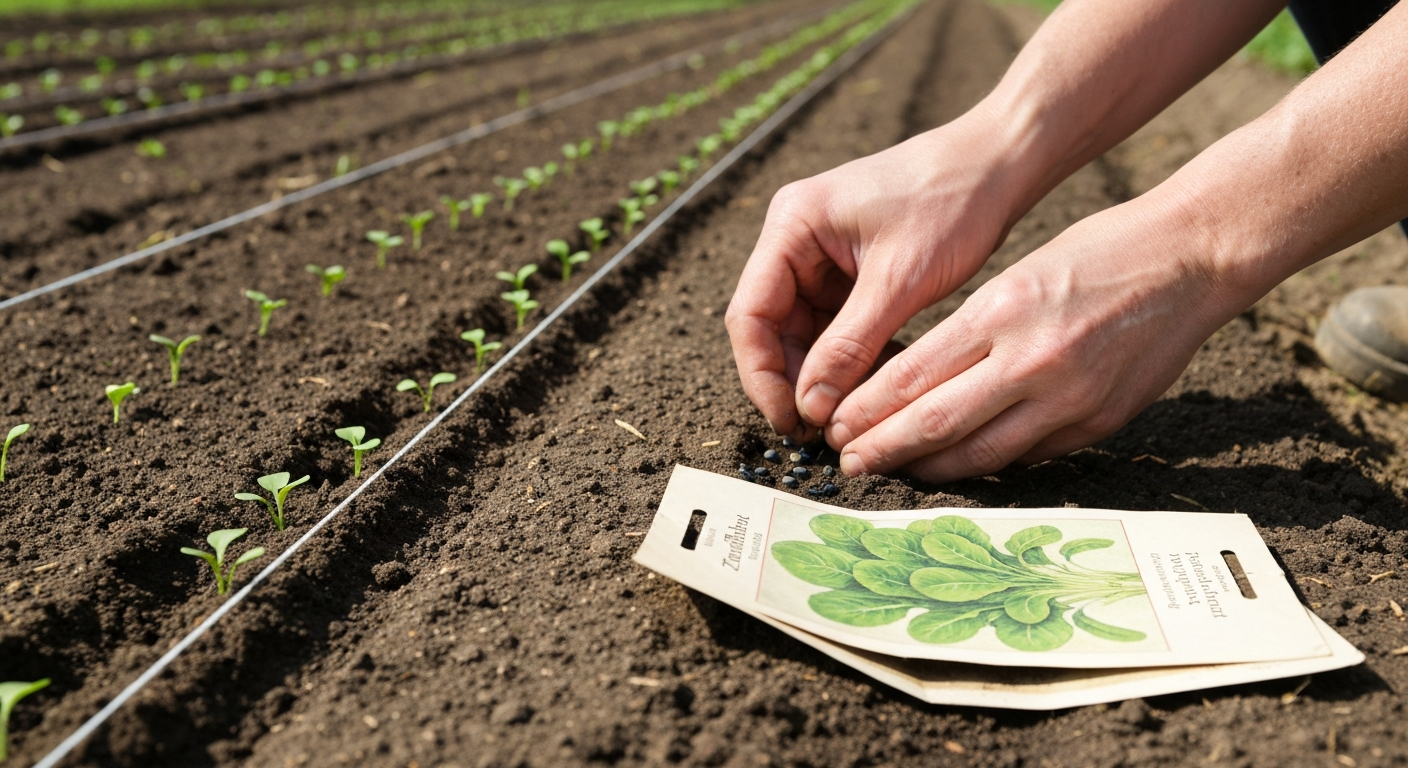
Choosing the right time is the key to success. Sow sugarloaf chicory directly outdoors from mid-June to the end of July. Sowing earlier often leads to bolting: the plant produces a flower stem too soon, leaving the head small and unusable.
The soil temperature should be at least 12°C when sowing. Place the seeds about one to one and a half centimetres deep in the soil. Leave 40 to 50 centimetres between rows. Later, thin the plants so that one strong plant remains every 30 to 40 centimetres in the row.
You can also raise the seeds in modular trays from around mid-May. This gives the tender seedlings a head start against slugs. From mid-June, plant the young plants in the bed with a strong root ball. High-quality salad and cabbage seeds are the foundation of a successful harvest.
Important note
Cover the freshly sown area with a fine-mesh crop protection net. This reliably protects germinating seeds and young plants from birds and the voracious larvae of the cabbage root fly. The net also prevents pests from laying their eggs.
After sowing, keep the soil consistently moist but not wet. Under optimal conditions, germination takes around ten to fourteen days. Thin the seedlings as soon as they have developed their first true pair of leaves after the seed leaves.
Alternative: Raising plants on the windowsill
For a particularly early autumn harvest, start with a pre-crop. Sow from the end of May to the beginning of June in seed trays filled with low-nutrient seed compost. The seeds need light to germinate, so press them in only lightly.
Place the trays in a bright spot that is not in full sun, at around 15-18°C. Keep the soil consistently slightly moist. After germination, prick out the strongest seedlings into small pots. From mid-June, once there is no longer any risk of late frost, plant the robust young plants in the bed.
Raising sugarloaf chicory indoors gives it a growth advantage of two to three weeks. It is important to harden off the plants carefully before planting them outdoors. Place them outside during the day for one week so they can adapt to sunlight and wind.
How do I care for sugarloaf chicory as it grows?
Care focuses on three things: consistent watering, occasional loosening of the soil and keeping the bed free of weeds. Water regularly, especially during dry periods in July and August. Avoid wetting the leaves to help prevent fungal diseases.
It is better to water less often but thoroughly than to water superficially every day. This encourages a deep root system, which supplies the plant with water and nutrients more effectively. A mulch layer made from grass clippings or straw retains moisture in the soil and suppresses weeds.
Regularly hoe the soil shallowly between the rows. This loosens the earth, aerates the roots and destroys emerging weeds. Use suitable tools from our garden tools range.
Additional advice
A top dressing around four to six weeks after sowing can support growth. Use a fast-acting liquid fertiliser made from nettle or comfrey, or an organic vegetable fertiliser. Carefully work it into the soil and water afterwards.
Pests and diseases affecting winter vegetables
Sugarloaf chicory is relatively hardy but not immune. Slugs pose the greatest threat to young plants. Collect them regularly or use slug pellets. Protective rings made from slug fences or copper tape can also help deter them.
Aphids may appear in late summer. Wash them off with a strong jet of water or encourage natural predators such as ladybird larvae. In cases of severe infestation, products based on rapeseed oil from the plant protection category can help.
Fungal diseases such as powdery mildew and various types of rot occur mainly when plants are too close together and the foliage stays wet. Ensure sufficient spacing and always water directly at the roots. Remove affected leaves immediately.
When and how do I harvest sugarloaf chicory?
The harvest season begins in October and, depending on the weather, can continue into December. The heads are ready to harvest when they are tightly closed and measure around 15 to 20 centimetres in diameter. The inner leaves will then be pale and crisp.
Cut off the entire head with a sharp knife just above the ground. Alternatively, carefully twist it out of the soil to harvest it with the root. This significantly extends its storage life.
Harvest in dry weather. Wet heads rot more quickly. Light frost does not harm sugarloaf chicory; in fact, it often improves the flavour by reducing its bitter compounds. Protect the plants with fleece during prolonged severe frost.
Storage and shelf life after harvesting
For short-term storage of one to two weeks, place the unwashed heads in the vegetable drawer of the refrigerator. Loosely wrap them in a damp cloth or place them in a perforated plastic bag.
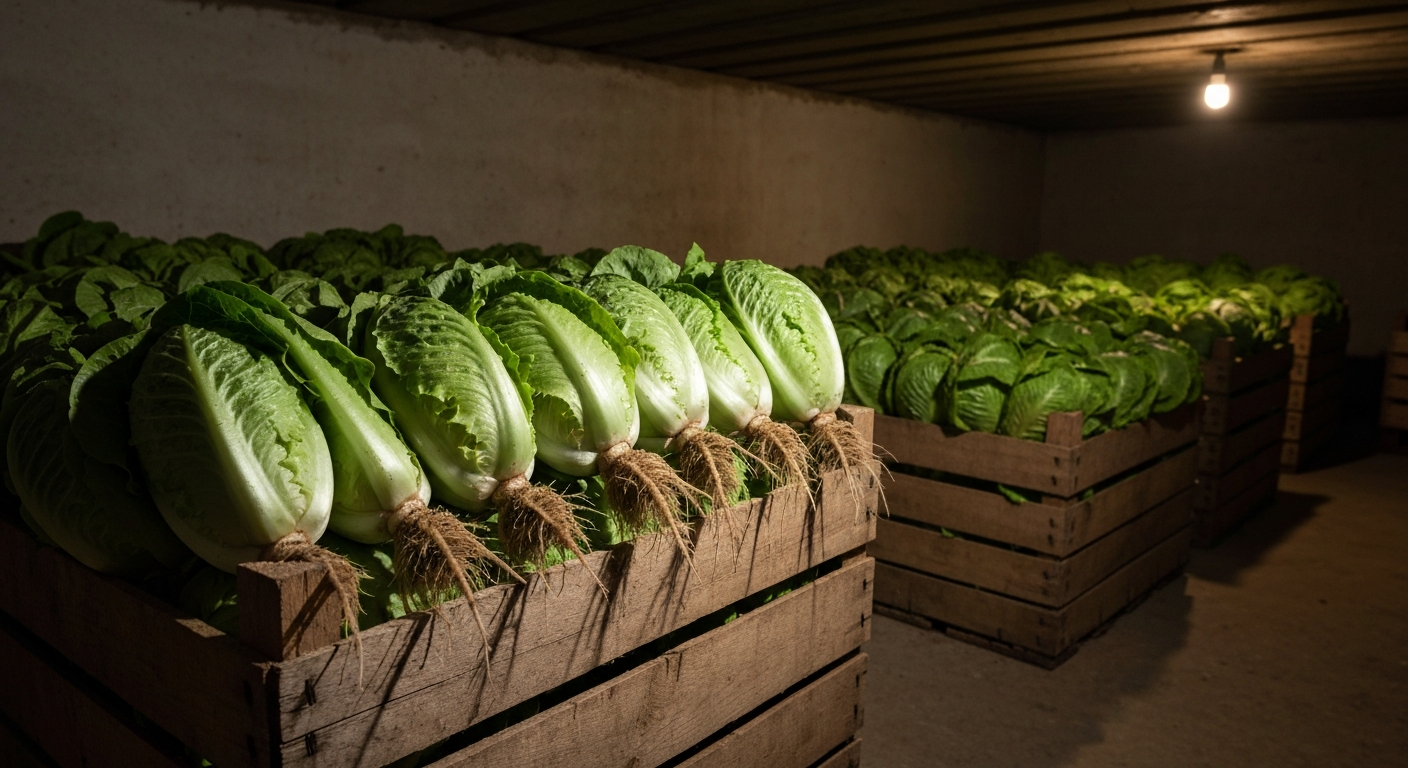
If you want to store the chicory for several weeks, harvest the whole plants with their roots. Pack them in damp sand in a crate and place it in a cool, frost-free cellar or garage. Ideally, the temperature should be between 0° and 4°C.
Before storing, remove any damaged or wilted outer leaves. Check the stored heads regularly and remove any rotting specimens immediately to protect the others.
Uses in the kitchen and distinctive flavour
Sugarloaf chicory is versatile. Use the young, tender inner leaves in delicate raw salads. The firmer outer leaves are suitable for steaming or braising as a vegetable side dish, similar to chicory or Swiss chard.
Its natural bitterness pairs wonderfully with sweet ingredients such as pears, apples, oranges or a honey-mustard dressing. Strong cheeses such as Alpine cheese or walnuts round off the flavour. Blanch the leaves briefly to soften their bitter note.
The firm texture of the leaves also makes it an ideal salad for buffets or prepared bowls. It does not wilt as quickly as other salads and stays crisp in dressing for a long time. Try it as a substitute for radicchio in autumn recipes.
Suitable products for your vegetable garden
Alongside classic sugarloaf chicory, other hardy salads are ideal for autumn and winter harvesting.
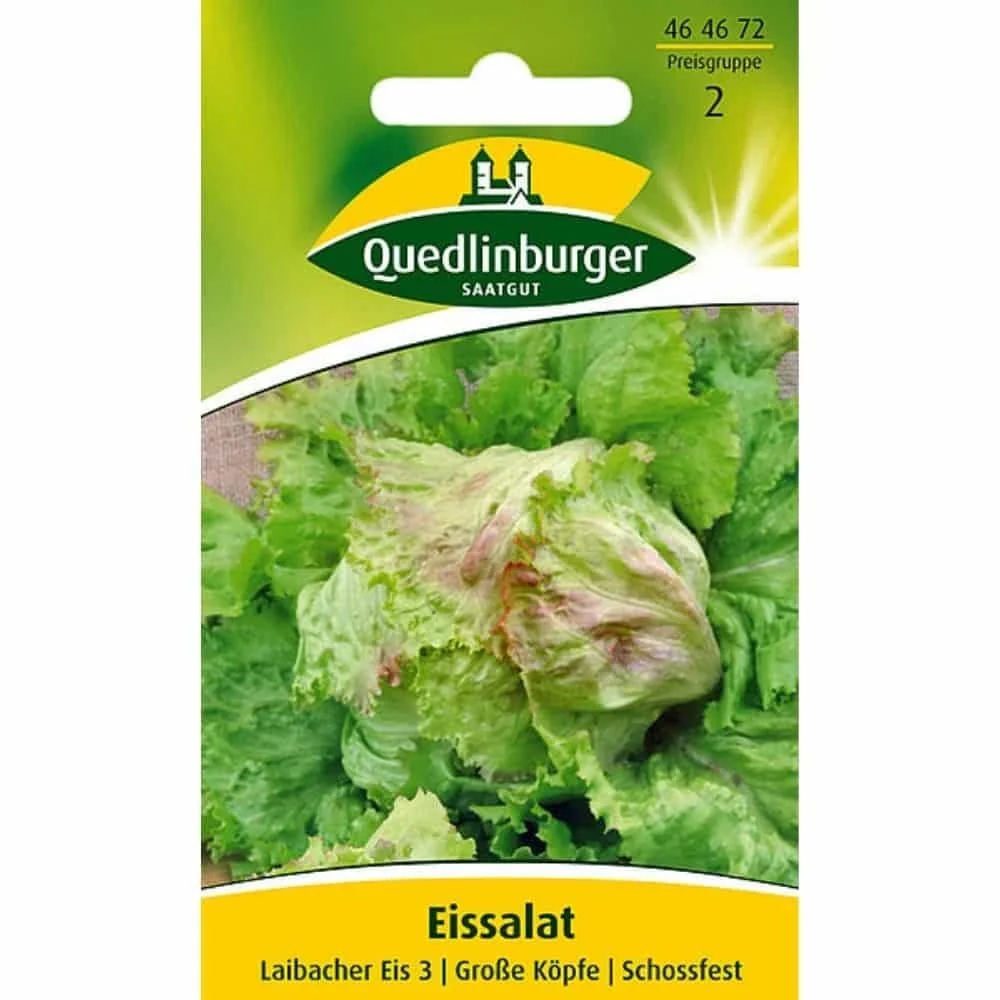
, cut-and-come-again lettuce Hussarde, provides tender leaves for quick meals over a long period. , iceberg lettuce Laibacher Eis 3, forms firm, crisp heads for late summer.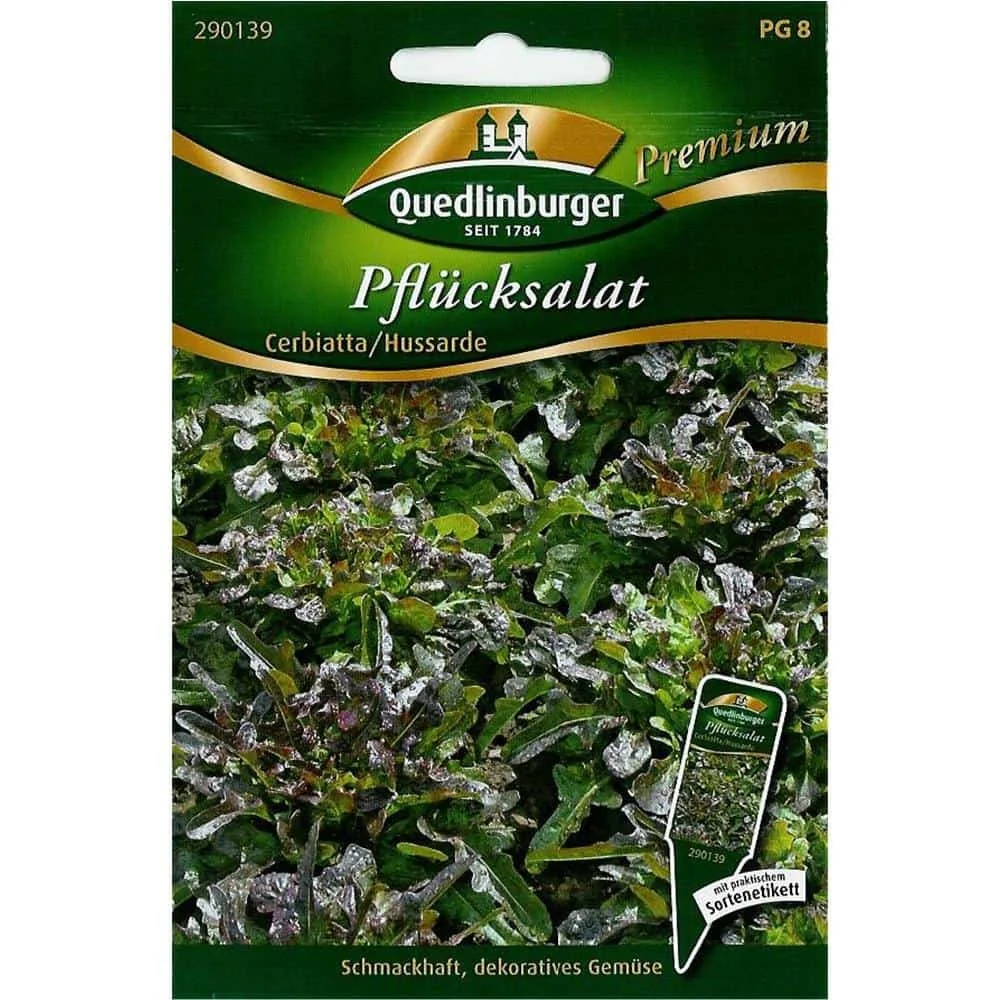
For variety in the vegetable bed, try
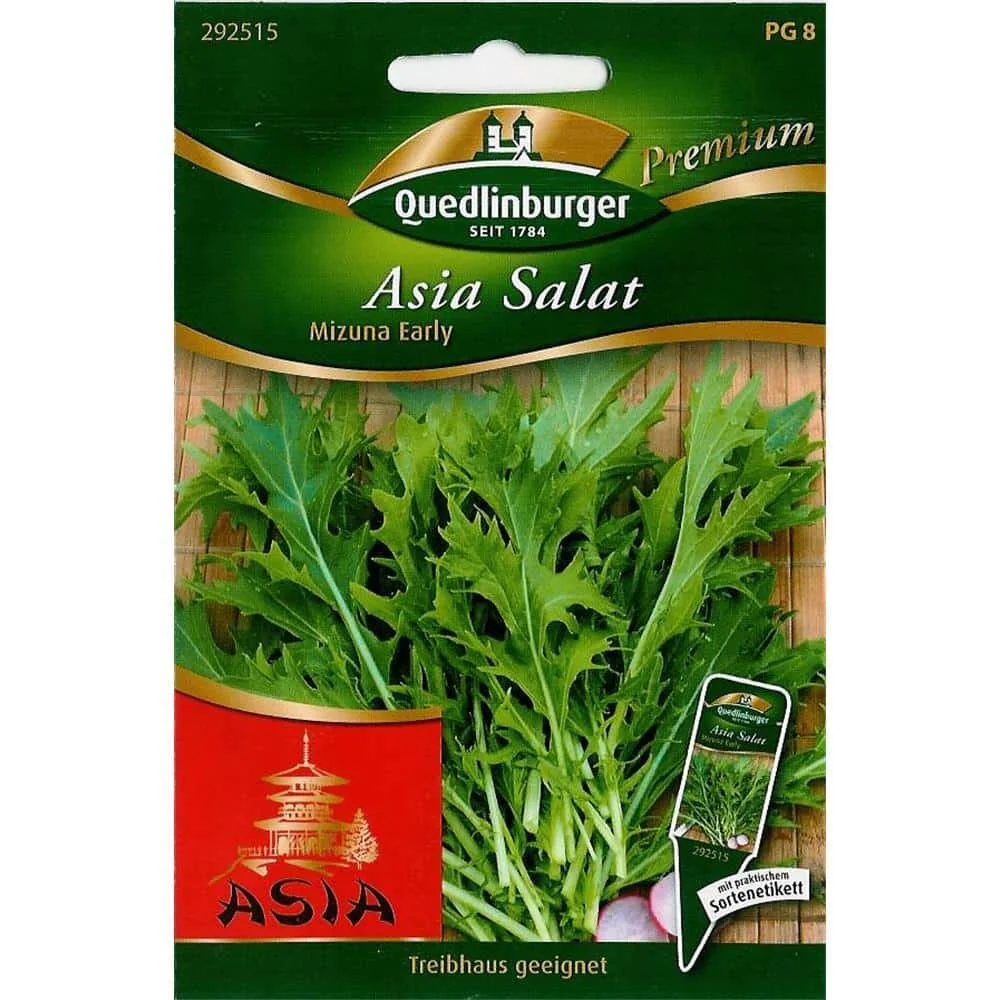
, Frisee endive Myrna. Its finely frilled leaves are a delicious addition. , Mizuna Asian greens, grows quickly and adds a peppery note to your salad bowl.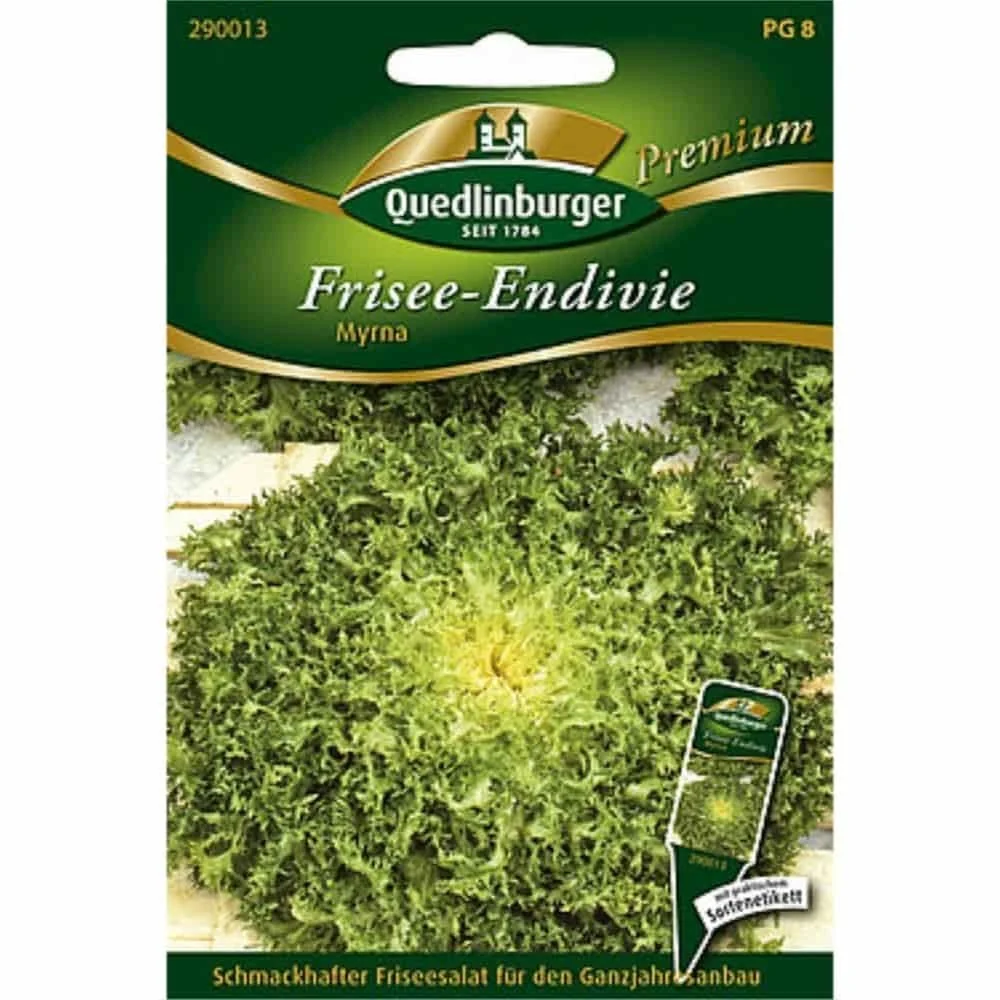
With this selection of salads, you can enjoy a varied harvest from summer through winter. Each variety has its own advantages and expands your repertoire for growing salad at home.
Conclusion: Easy growing for a plentiful winter harvest
Planting sugarloaf chicory is a worthwhile investment in winter self-sufficiency. Its late sowing time, moderate care requirements and excellent frost tolerance make it an ideal vegetable for beginners and experienced gardeners alike.
You get a fresh, vitamin-rich crop at a time of year when the supply from the garden would normally be dwindling. This hardy salad withstands poor weather and produces reliable yields.
Start with a small area and test the flavour. Most people appreciate its pleasantly bitter, spicy taste, especially when combined with other ingredients. Growing winter vegetables with sugarloaf chicory develops your gardening skills and enriches your cooking.
Plan a corner of your vegetable bed for this easy late-summer salad next year. Once autumn arrives, you will not want to miss the fresh, crisp heads from your own garden.
Frequently Asked Questions
- When do you plant sugarloaf chicory?
- Direct sowing of sugarloaf chicory takes place from mid-June to the end of July. This late sowing is essential because planting too early followed by hot weather can cause the chicory to bolt. For an earlier harvest, you can start the seeds indoors from mid-May and plant the young plants in the bed in June.
- How much space does sugarloaf chicory need?
- Leave a spacing of 30 to 40 centimetres between plants in the row. The distance between rows should be 40 to 50 centimetres. This generous spacing is necessary for the characteristic large, firm heads with inward-curving leaves to develop properly.
- Can sugarloaf chicory be overwintered?
- Yes, sugarloaf chicory is a classic winter vegetable and tolerates light frosts down to about -5°C well. In the bed, you can harvest the heads in mild weather until December. For longer storage, harvest the whole heads with their roots and store them in moist sand in a cool cellar.
- Why is my sugarloaf chicory bitter?
- Bitter flavours are often caused by drought stress or excessive temperatures during the growing phase. Ensure consistent soil moisture without waterlogging. A light frost after harvesting often softens the bitter taste. Young, tender leaves from the heart are generally less bitter than the outer leaves.
- Which plants grow well with sugarloaf chicory in mixed planting?
- Good neighbours for sugarloaf chicory include bush beans, peas, kohlrabi, leeks and radishes. This mixed planting encourages growth and can help keep pests away. Avoid planting it near other lettuces, parsley or celery, however, to minimise competition and the spread of diseases.
You may also be interested in
- Planning a vegetable garden: Your path to a successful bed
- Creating and caring for vegetable beds: The ultimate guide
- Planting and harvesting potatoes: The path to success
- Growing and caring for chillies: From seed to a hot harvest
- Growing cucurbits: From courgettes to melons
- Growing vegetables with crop rotation: The guide to sustainable success