
In brief: You can grow plenty of vegetables in a raised bed by choosing suitable varieties and making the most of its natural advantages. Pick a sunny spot and fill the bed in layers with garden trimmings, compost and soil. Choose compact, fast-growing vegetables such as lettuce, radishes and bush beans. Water regularly and plant herbs alongside your vegetables to help deter pests and boost your harvest.
How do I get started with a raised vegetable garden bed?
First, choose the right location. Your raised bed needs at least six hours of sunlight a day, and a south-facing spot is ideal. Make sure a water source is nearby, or plan a practical garden irrigation system.
The right fill makes all the difference. Layer the bed from the bottom up: start with coarse garden trimmings for drainage, add partly decomposed compost, then finish with high-quality garden soil or a special raised bed mix. These layers generate heat and provide plants with nutrients over time.
Pro tip
Before adding the coarse bottom layer, place fine mesh wire on the base. This reliably keeps voles out without interfering with drainage.
Choose a bed height that works for you. A working height of 80 to 100 centimeters can significantly reduce strain on your back. Narrow, space-saving models are ideal for balconies.
Which vegetables grow best in a raised bed?
Some vegetables are better suited to raised beds than others. Choose compact varieties with a short growing season. All kinds of lettuce are a great choice. One particularly fast-growing option is
Mizuna, an Asian leafy green.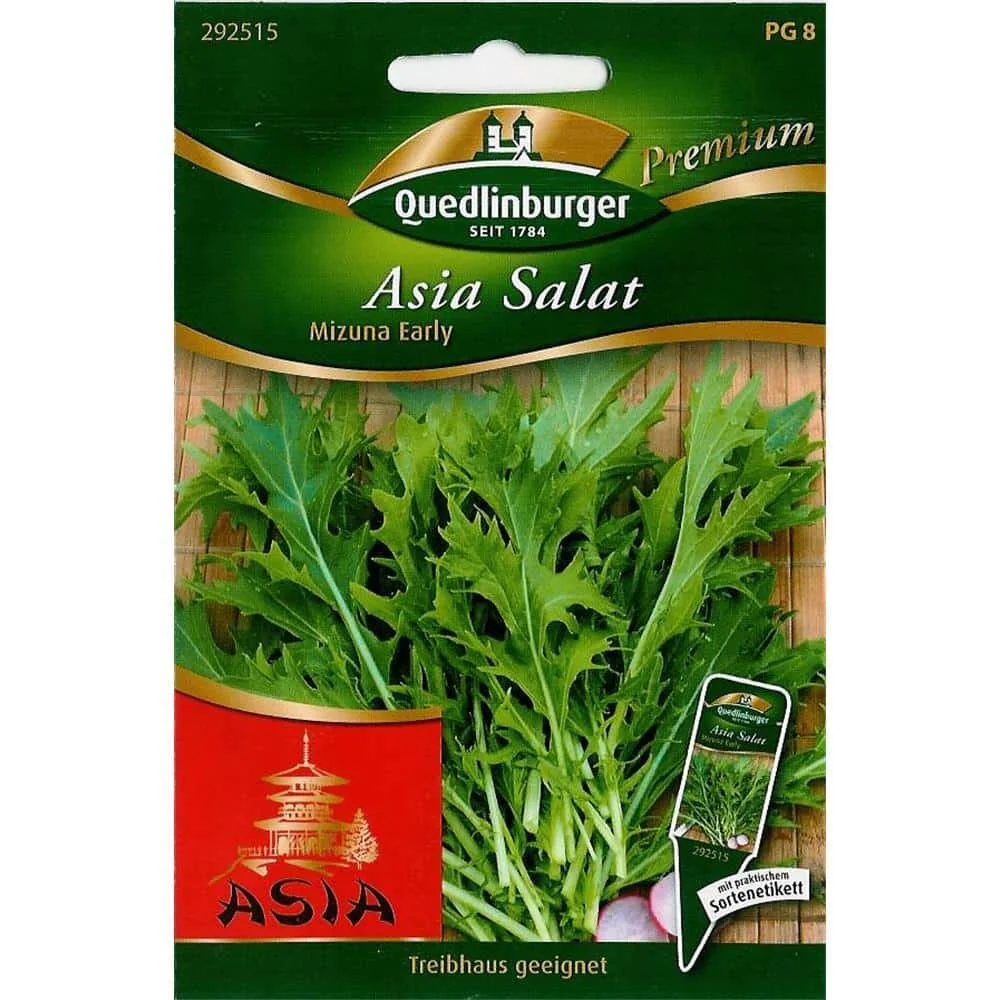
Radishes and arugula can be ready to harvest in just a few weeks. Bush beans and peas make good use of vertical space. If you're growing root vegetables such as carrots or beets, make sure the soil is at least 40 centimeters deep.
Tomatoes, peppers and zucchini are excellent heavy feeders for the first year. They benefit from the nutrient-rich soil and warmth. Plant them in the center or along the north edge of the bed.
Important
Avoid sprawling plants such as pumpkins and zucchini in small raised beds. They can take light and space away from other vegetables. Grow them on their own or in a large bed.
How do I plan planting and crop rotation?
Plan around plant height. Put tall plants on the north side so they don't shade shorter ones. Use the middle for medium-height vegetables such as kohlrabi or chard, and reserve the south edge for low-growing crops such as lettuce or spinach.
Crop rotation is essential in a raised bed. In the first year, grow heavy feeders such as tomatoes, cabbage or leeks. In the second year, follow with moderate feeders such as carrots, lettuce or onions. In the third year, plant light feeders such as beans or peas.
This rotation helps prevent nutrient depletion and reduces the risk of disease. Add compost after each growing season to replenish the soil.
Companion planting in a raised bed does more than save space. Pairing plants that grow well together can help deter pests and encourage healthy growth.
How can I pair vegetables and herbs?
Plant herbs around the edges of the bed for natural protection. Basil planted next to tomatoes helps keep whiteflies away. Dill and borage attract pollinators. Chives or parsley along the edge can help deter many pests.
A dedicated herb raised bed is another space-saving option for a balcony. Your herbs will always be within reach.
How do I care for my raised bed?
Watering is key. The loose soil in a raised bed dries out faster than ground-level soil. Water deeply rather than giving the bed a light sprinkle every day. A layer of mulch made from grass clippings or straw helps reduce evaporation.
Loosen the top layer of soil regularly with a small hoe to aerate the roots. Pull weeds early, before they spread, and check your plants regularly for pests such as aphids.
Helpful tip
Cover your raised bed with garden fleece in spring and fall. It protects plants from late frosts and can significantly extend the harvest season.
In fall, remove all harvested plant debris. Then lightly work in a layer of compost or another organic fertilizer to prepare the bed for the following year.
Which tools make gardening easier?
The right gardening tools make raised bed care easier. A small hand trowel, a sharp harvesting knife and a sturdy
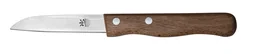
frying and vegetable spoon \"Gallant\" are handy essentials. For prep work in the kitchen, the Damascus vegetable knife, with its precise blade, is ideal.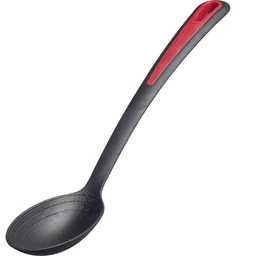
How do I build a raised bed for a balcony?
A narrow, rectangular design works well on a balcony. Choose weather-resistant wood such as larch or Douglas fir, and make sure the dimensions suit your balcony's load capacity. A width of 60-80 centimeters lets you work comfortably from one side.
Line the inside with a sturdy dimpled membrane to protect the wood from moisture and extend its lifespan. Drill holes in the base so excess water can drain away.
A DIY balcony raised bed can save you money and fit your space and style perfectly. With a bed that suits your needs, gardening can be even more rewarding and enjoyable.
Use the traditional layering method here, too. Weight matters on a balcony, so use a special lightweight raised bed mix or blend coconut fiber into the soil instead of using heavy garden soil.
Why is investing in a raised bed worthwhile?
The benefits of a raised bed speak for themselves. The warmth generated inside helps you harvest earlier and for longer. The comfortable working height also makes gardening easier for people with back problems.
You have complete control over soil quality, which is a major advantage on paved surfaces or in areas with poor garden soil. Slugs also have a much harder time reaching your plants.
Raised beds save space and add visual structure to your garden. You can even use them as privacy screens or dividers. In very small spaces, such as a city balcony, they make it possible to grow fresh vegetables.
The initial investment quickly pays for itself with much higher yields per square foot. You can also save money on organic vegetables.
Products for your raised-bed harvest
Get ready to harvest and prepare your crops. Mizuna adds variety to your salad bowl. The "Gallant" frying and vegetable spoon is a practical helper at the stove. The Damascus vegetable knife cuts freshly harvested herbs and vegetables cleanly and precisely.
Find everything you need to care for and water your raised bed in our garden tools category. From filling your bed to harvesting, growing vegetables in a raised bed is easy with the right know-how and tools.
Frequently Asked Questions
- Which vegetables are best for a small raised bed?
- For small raised beds, choose compact, fast-growing varieties. Leafy greens such as mizuna, radishes, spinach, scallions, and bush beans are ideal. They need little root space and produce a quick harvest. Herbs such as chives and parsley are also perfect for the edges.
- Can I put a raised bed on my balcony?
- Yes, a raised bed is an excellent choice for a balcony. Choose a sturdy but lightweight model that stays within your balcony's weight limit. A sunny to partially shaded spot is essential. Special narrow or rectangular raised beds for balconies save space and are easy to plant.
- What are the biggest benefits of a raised bed?
- A raised bed offers several clear advantages. Heat from decomposing material inside gets the growing season started earlier and extends it. The working height is easier on your back. The structure also helps protect plants from slugs and weeds. You have better control over soil quality and drainage.
- How do I plant a raised bed correctly?
- When planting a raised bed, consider plant height: place tall plants such as tomatoes at the north end, medium-height plants such as kohlrabi in the center, and low-growing plants such as lettuce along the southern edge. Rotate heavy, medium, and light feeders sensibly over the years. Mix in herbs to help deter pests.
- Do I need to replace the soil in my raised bed every year?
- No, you don't need to replace it completely. After the growing season, remove old plant debris and work mature compost or another organic fertilizer, such as horn shavings, into the surface. This helps restore the nutrient balance. Partial replacement may be useful after several years.
You may also be interested in
- Planting a raised bed: How to get a plentiful harvest
- Build your own raised bed: The complete guide
- Deep-rooted plants for raised beds: These plants thrive particularly well
- Creating and caring for vegetable beds: The ultimate guide
- Build a raised herb bed: Guide, filling & best herbs
- Growing vegetables with crop rotation: A guide to sustainable success